


Asia combines highly advanced cardiovascular centres with settings where even basic diagnosis remains difficult. Against this backdrop, the 37th Great Wall International Congress of Cardiology and Asian Heart Society Congress 2026 (GW-ICC/AHS 2026) was held in Beijing from October 15 to 18, 2026. During the congress, Dr. Yi Zhou of Shenzhen People’s Hospital moderated the first “Great Wall Dialogue”, jointly presented by GW-ICC and MedJ. Prof. Mao Chen, president of the 37th GW-ICC and a cardiologist at West China Hospital of Sichuan University, and Prof. Ali Oto, president of the Asian Heart Society (AHS) and chair of cardiology at Memorial Ankara Hospital in Turkey, discussed regional collaboration under the theme “Rooted in Asia, Connected to the World”.
Expert Profile: Dr. Yi Zhou

- Attending physician, Department of Cardiology, Shenzhen People’s Hospital
- Medical doctor graduated from Fuwai Hospital, Chinese Academy of Medical Sciences
- Completed standardized residency training at Peking Union Medical College Hospital
- Recognized as a specially appointed talent of the Shenzhen municipal health system
- Member of the foreign language expert pool of the Shenzhen municipal health system
- Proficient in the diagnosis and treatment of common heart diseases; has published multiple papers in SCI-indexed journals and Chinese core journals
Expert Profile: Prof. Mao Chen
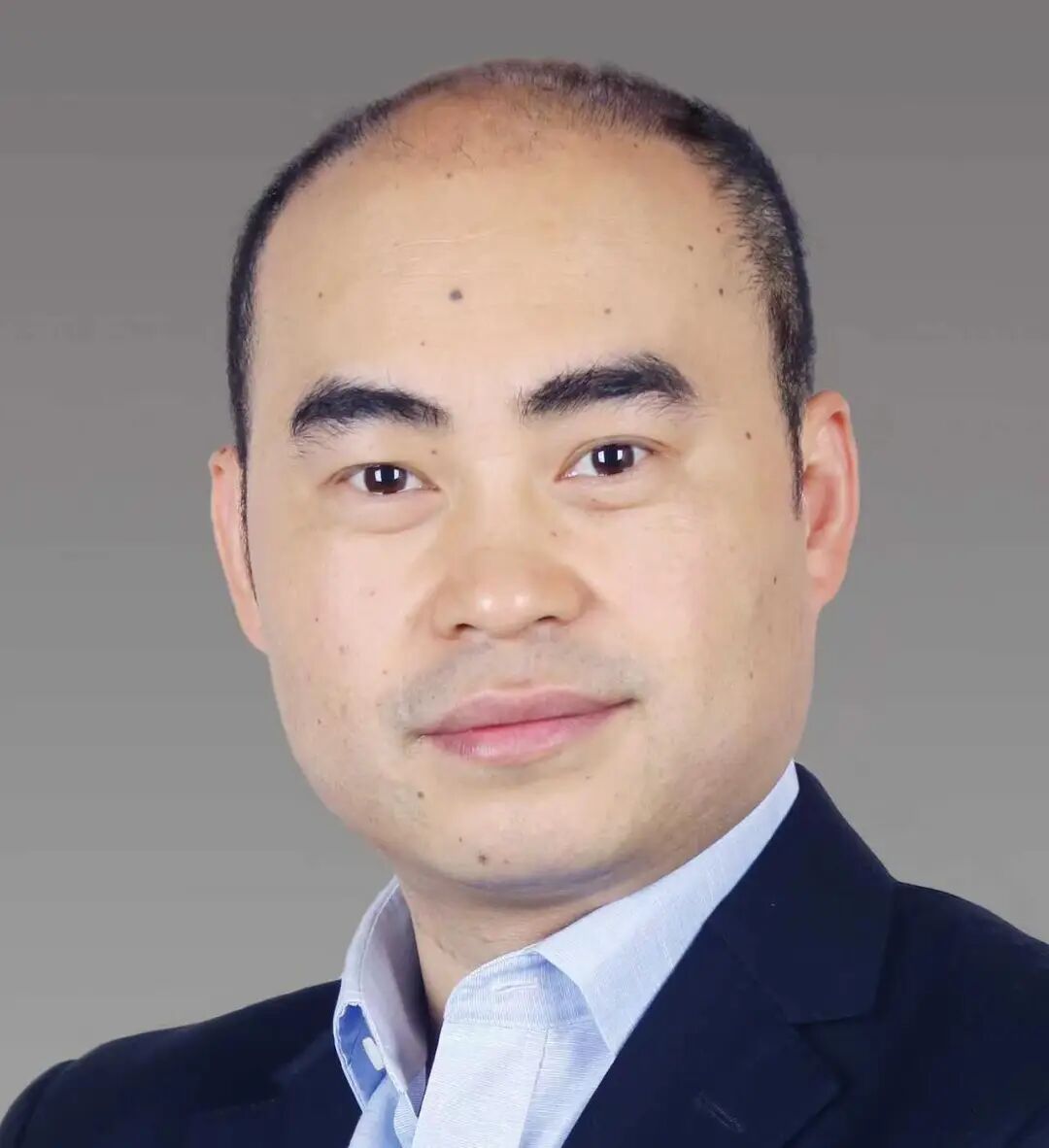
- Vice president of West China School of Medicine, Sichuan University; second-grade professor and doctoral supervisor
- Recognized as a leading scientific and technological innovation talent in the national Ten Thousand Talents Program and as a Tianfu Distinguished Scientist of Sichuan Province
- Director of the Sichuan Provincial Key Laboratory of Cardiac Structure and Function
- Director of the Institute of Cardiovascular Diseases and the Laboratory of Cardiac Structure and Function at West China Hospital, Sichuan University; former director of the hospital’s Department of Cardiology
- Research focuses on mechanisms and early intervention in valvular heart disease, novel devices, heart failure prevention and treatment, and intelligent models of cardiac disease
- Has led 22 research projects at provincial level or above, including key projects funded by the National Natural Science Foundation of China
- Has published 302 papers as first or corresponding author in journals including Nature Reviews Cardiology, Circulation, European Heart Journal, Science Advances, Nature Communications, and Signal Transduction and Targeted Therapy
- Has received two first prizes for scientific and technological progress in Sichuan Province as the principal contributor, holds 34 authorized invention patents, and has led 5 international or Chinese guidelines and consensus documents
- Vice chair of the Chinese Society of Cardiology and chair of its Valvular Heart Disease Group
- Standing committee member of the Chinese Association of Cardiovascular Physicians and chair of its Valvular Heart Disease Group
- International co-chair of valve conferences in London, Tokyo, and other cities
Expert Profile: Prof. Ali Oto
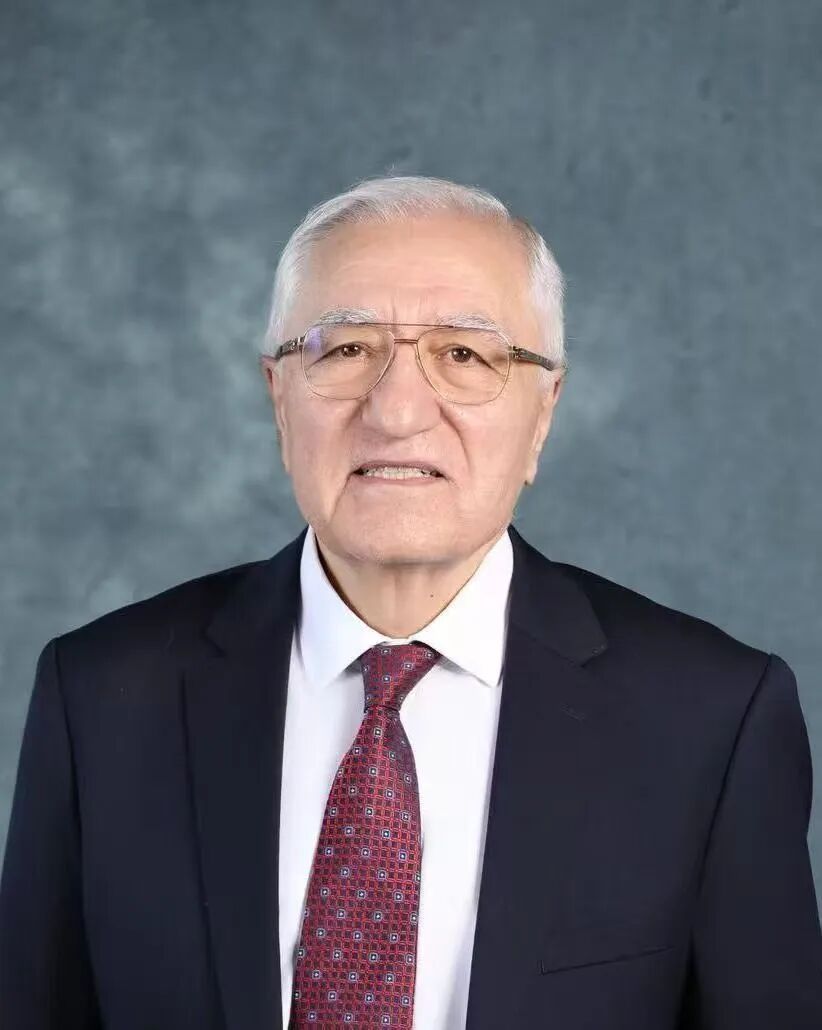
- Fellow of the European Society of Cardiology, the American College of Cardiology, and the Heart Rhythm Society
- Former board member and vice president of the European Society of Cardiology, and former president of the International Society for Holter and Noninvasive Electrocardiology
- Has served on boards and committees of international organizations including the North American Society of Pacing and Electrophysiology, now the Heart Rhythm Society, the American College of Cardiology, and the American Heart Association
- Current board member of the Global Atrial Fibrillation Alliance
- Founding member and former president of the Mediterranean Association of Cardiology and Cardiac Surgery
- Vice president of the Turkish Heart and Health Foundation and chair of the Department of Cardiology at Memorial Ankara Hospital
- Former member of the Cardiology Steering Committee of the European Union of Medical Specialists and served two terms as president of the Turkish Society of Cardiology
- Recipient of the MACCS Award for Excellence in Cardiology and the Professor Ihsan Dogramaci High Honour Award; honorary member of the San Marino Society of Cardiology and honorary professor at the University of Belgrade Faculty of Medicine
- Has edited 25 books and authored more than 300 scientific papers
Article Key Points
- GW-ICC/AHS 2026 was held in Beijing from October 15 to 18, bringing Asian cardiovascular collaboration into focus
- AHS was founded during GW-ICC 2022 and now covers 30 countries, 8 committees, and nearly 10 educational initiatives
- Prof. Oto identified unequal access to basic diagnosis as a priority alongside advanced technology
- GW-ICC has grown from 100 domestic participants in 1989 to more than 24,000 attendees
- Chinese cardiovascular devices are increasingly used in Turkey, according to Prof. Oto
- Prof. Chen emphasized that China needs stronger clinical evidence to contribute more internationally
- AHS is developing Asian guidance and supporting research designed for Asian populations
- CRCT, CDQI, case-based training, and county-level programmes underpin the Chinese collaboration model
- Both speakers described closer integration between GW-ICC and AHS and expanded opportunities for young physicians
A Region of High Burden and Unequal Diagnostic Capacity
Prof. Oto described Asia as exceptionally broad and diverse, with major differences between countries in economic resources, culture, religion, and health systems. Hypertension, diabetes, smoking, and obesity are common, while air pollution has emerged as an additional risk factor. These risks coexist with substantial inequalities in healthcare resources. He identified awareness among both the public and cardiovascular physicians as a necessary first step.
He also described a stark technological contrast. Hospitals in some countries have access to artificial intelligence and nearly every new technology, whereas elsewhere even fundamental diagnostic services are difficult to obtain. His priority was direct: before discussing treatment, health systems must first ensure diagnosis.
AHS was established during GW-ICC in 2022. It now covers 30 countries, has 8 professional committees, and has launched nearly 10 educational initiatives. Prof. Oto said its purpose is to bring Asian cardiovascular specialists together, reduce disparities, and conduct research relevant to Asian populations. He described GW-ICC as Asia’s largest cardiovascular education platform and noted the strong participation of young physicians at this year’s congress.
From 100 Participants to More than 24,000
Prof. Chen recalled that GW-ICC began in 1989 as a domestic meeting with 100 participants, intended to improve cardiovascular care in China. It has since become one of China’s largest cardiovascular congresses, with influence across Asia and beyond.
China’s role has also changed. Chinese clinicians previously learned extensively from international colleagues; with domestic advances in technology, devices, and medicines, China now increasingly shares its own experience. Prof. Chen described GW-ICC as a two-way platform that brings international science to China while allowing overseas colleagues to see Chinese progress.
Prof. Oto observed that Chinese device innovation has expanded rapidly over the past decade, particularly during the last 5 years. He said physicians in Turkey are using more Chinese devices rather than relying only on Western products, and that many innovations now originate in China. Prof. Chen was more cautious, emphasizing the need for robust clinical evidence before China can offer more to the world.
Guidelines and Trials Designed for Asian Populations
Prof. Oto divided standardization into two tasks. Many international guidelines and reports originate in Western countries, but the underlying study populations often do not include Asian patients. He therefore argued that Asia needs guidelines and standards based on its own needs.
AHS has begun asking its councils to develop Asian standards, and the Asian Heart Journal provides a publication platform. A second task is to address the shortage of local evidence. Asian practice has often relied on randomized trials conducted in Western populations; new studies are needed to answer questions specific to Asian patients.
Prof. Chen linked this goal to CRCT, a platform associated with GW-ICC that supports high-quality randomized controlled trials. Both speakers therefore connected regional standard-setting with the production of stronger clinical evidence.
Training Teams, Sharing Cases, and Reaching County Hospitals
Prof. Chen identified three forms of infrastructure developed during the 37-year history of GW-ICC. The first is training that extends advanced techniques beyond major centres to multidisciplinary and county-level hospitals. The programmes train entire teams rather than physicians alone.
The second is case-based education. He said most GW-ICC discussions are built around cases, reflecting everyday practice by addressing both successful procedures and the avoidance of complications. The third is a connected network. CRCT supports high-level clinical evidence, while the national CDQI programme links more than 10,000 real-world cases that physicians can use free of charge for fragmented learning. Another platform encourages collaboration between clinical medicine and engineering. Prof. Chen said this model could be adapted across Asia, while acknowledging that China, like many countries in the region, remains in development.
Young physicians form another priority. AHS plans a dedicated council to involve more early-career cardiologists in its structure and allow them to design education around their own needs. It is also discussing mentorship and exchange programmes with continental cardiac societies. Prof. Chen highlighted the youth awards at the opening ceremony and said GW-ICC aims to support the next generation’s development.
A Shared Structure Rather than a Loose Partnership
Asked about the future relationship between GW-ICC and AHS, Prof. Oto rejected the premise that they are independent entities. He described AHS as an emerging foundation behind GW-ICC and GW-ICC as the official AHS congress, calling them a unified structure.
Prof. Chen used the term “family”, noting that both organizations jointly advance congress programming and journal publishing. He expressed the hope that they would continue working together over the long term. Their shared agenda includes developing guidelines suited to Asia, conducting randomized trials in Asian populations, and extending training and technology to settings with greater unmet need.
Reference
MedJ Reporting Group. Collaboration and Blueprint: Rooted in Asia, Connected to the World. MedJ Cardiovascular Channel. October 31, 2026.
The 37th Great Wall International Congress of Cardiology and Asian Heart Society Congress 2026. Official congress information. October 15-18, 2026.

