


Why do some patients rescued from myocardial infarction go on to live a worse life? Every cardiologist has lived through a night like this: the phone rings, you get up, you go to the table, you open the vessel, and you pull a patient with myocardial infarction back from the edge of death. The operation succeeds and the life is saved, but as time passes, infarcted myocardium is gradually replaced by scar, the remaining myocardium works in compensation, and the heart continues on an irreversible course towards failure.
Current treatment can open the vessel and salvage threatened myocardium, but it cannot make lost myocardium grow back. The problem that clinicians face repeatedly at the bedside is precisely the one translational medicine is trying to answer: how does a discovery in the laboratory cover the last mile from the dish to the animal and from the animal to the human, and actually change a patient’s outcome?
From October 15 to 18, 2026, the 37th Great Wall International Cardiology Congress (GW-ICC 2026), held jointly with the Asian Heart Society Congress (AHS 2026), took place in Beijing. This instalment of “The Great Wall Asks”, the official branded column launched jointly by MedJ’s cardiovascular channel and the Great Wall Congress, carried the theme “Transformation and Foundations: From Laboratory to Clinic”. It was hosted by Prof. Zhuoyuan Xu of the Department of Cardiology, Shanghai Children’s Medical Center, Shanghai Jiao Tong University School of Medicine, with Prof. Chunyu Zeng of the Daping Hospital, Army Medical University, and Prof. Joseph C. Wu, Director of the Stanford Cardiovascular Institute, as guests, discussing how the seeds of laboratory research might take root in clinical practice.
Expert Profile: Prof. Chunyu Zeng
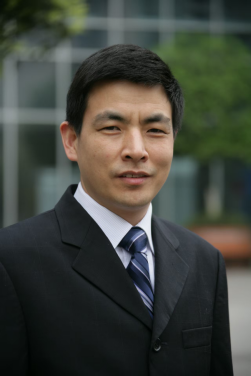
- Distinguished Changjiang Scholar specially appointed professor and recipient of the National Science Fund for Distinguished Young Scholars
- Leading talent of the National Ten Thousand Talents Plan and of the national young science and technology talent programme
- Chief scientist of the National Key Research and Development Programme and of the 973 Project
- Director of the Key Laboratory of Cardiovascular and Cerebrovascular Disease of the Elderly, Ministry of Education
- Vice President of the Cardiovascular Medicine Branch of the Chinese Medical Doctor Association
- Standing committee member of the Cardiovascular Diseases Branch of the Chinese Medical Association
- Recipient of the 2021 Outstanding Scientist Award of the American College of Cardiology, the first Chinese scholar so honoured
- Director of the Cardiovascular Disease Hospital, Daping Hospital, Army Medical University, and concurrently Director of the Cardiovascular Disease Research Center, Chongqing Institute of CAS
- Director of the National Center for International Research and Development of Cardiovascular Disease, and Director of the Hypertension Center of the Cardiovascular Disease Management Capability Assessment and Improvement (CDQI) programme
- Chair-elect of the Specialized Committee on Integrative Physiology, Chinese Physiological Society
- Chair of the Basic and Translational Science Group of the Asian Heart Society, and former Chair of the ISHR China Translational Medicine Committee
- Director of the Key Laboratory of Critical Care Rescue, PLA, and Chair of the Cardiovascular Disease Professional Committee of Chongqing
Expert Profile: Prof. Joseph C. Wu
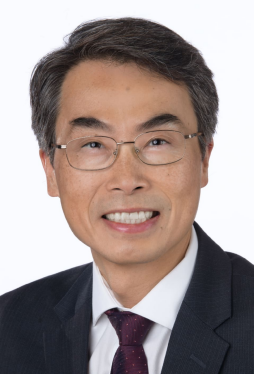
- Director of the Stanford Cardiovascular Institute
- Professor of Medicine and Radiology at Stanford University; medical doctorate from Yale University
- Works on genomics, stem cell organoids, and AI-based drug discovery, and proposed the “clinical trial in a dish”
- Has published more than 700 papers, with an H-index of 157, and has ranked in the global top 0.1% of highly cited scientists for 8 consecutive years
- Former president of the American Heart Association, a member of several international academic academies, and recipient of multiple major research awards
Expert Profile: Zhuoyuan Xu
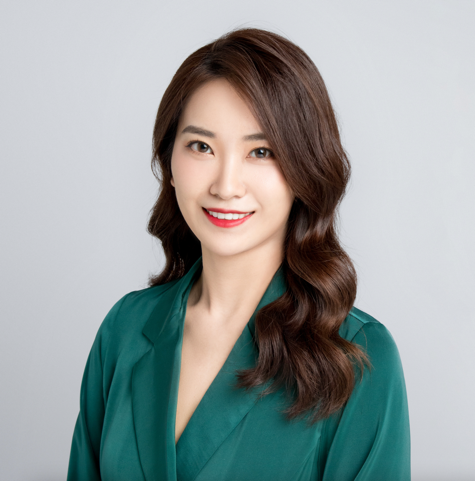
- Attending physician and assistant researcher; doctorate in paediatrics; Department of Cardiology, Shanghai Children’s Medical Center, Shanghai Jiao Tong University School of Medicine
- Main clinical and research work covers the diagnosis and treatment of cardiopulmonary vascular disease including pulmonary hypertension in children and adults, and multimodal imaging assessment of cardiopulmonary function
- Has published as first author in journals including the European Heart Journal (2024) and the American Journal of Respiratory and Critical Care Medicine (2024, 2026), and has given more than 10 oral presentations in English at large international meetings including the American Heart Association
- Principal investigator of one National Natural Science Foundation for Young Scientists grant, one provincial or ministerial project, and one municipal project; selected for the Shanghai Oriental Talent Programme Youth Project, the Magnolia Talent Programme Pujiang Project, and the “Medical Star” talent programme
- Recipient of the Asian Heart Society Great Wall Young Physician Award; holder of one utility model patent and three computer software copyrights; participant in multiple National Natural Science Foundation projects and domestic and international multicentre registry studies
- Holds academic appointments including Fellow of the European Society of Cardiology (FESC), member of the Pulmonary Vascular Research Institute (PVRI), and young editorial board member of Reviews in Cardiovascular Medicine, The Heart Surgery Forum, and Cardiac Research
Article Key Points
- About one third of myocardial infarction patients develop heart failure within five years, by team follow-up
- Adult cardiomyocytes survived only one to two days in culture until neonatal rat cells were co-cultured
- About 7% of adult cardiomyocytes were captured proliferating in the dish over the extended culture period
- Screening of amniotic fluid identified PHGDH, which acts via alpha-ketoglutarate to promote proliferation
- The translational work on PHGDH is still preclinical, with clinical entry described as a future intention
- The clinical trial in a dish tests drugs on cells from multiple patients and does not replace clinical trials
- Regulatory hurdles include product purity, teratoma risk from residual undifferentiated iPSC, and arrhythmia
- Life’s Essential 8 remains a population-level measure rather than a comparison against any new therapy
Treating the Infarction but Not the Heart Failure
The conversation began at the “starting point”: how does a clinical problem enter the laboratory?
Prof. Zeng’s answer came from a scenario he experiences every day. As an interventional cardiologist, his team treats large numbers of patients with myocardial infarction every year; sometimes he has only just lain down at night when the call comes in for emergency percutaneous coronary intervention (PCI). But he says frankly: “We saved the lives, but the health status of patients is still declining.” Follow-up by his team found that about one third of myocardial infarction patients develop heart failure within five years: infarcted myocardium is replaced by scar, the remaining myocardium works in compensation, and overall cardiac function eventually fails.
“Our dream is to regenerate myocardium,” Prof. Zeng said. The root cause of heart failure lies in the loss of cardiomyocytes; if the lost myocardium could be replenished, the progression of heart failure might be interrupted partway along the disease course. He has pursued this line of exploration for more than a decade. At the start, like many researchers, he placed his hopes on stem cell transplantation; but as the research deepened, the team found that conventionally transplanted adult stem cells survive and engraft poorly in myocardium, and that the real regenerative potential does not lie in “exogenous cells” but in the proliferative capacity of cardiomyocytes themselves, which became the core of his subsequent research.
Prof. Joseph C. Wu’s academic turning point happened in the other hemisphere. In the Specialty Training and Advanced Research (STAR) programme at the University of California, Los Angeles (UCLA), he trained in cardiology while earning a PhD in pharmacology. In 2004, he was recruited to Stanford University by his mentor, the late noted molecular imaging scientist Prof. Sam Gambhir. At first he followed the imaging-tracking approach, using imaging to track stem cells implanted in the heart. But the imaging results made him realise: “The vast majority of cells injected into the heart disappeared; they did not engraft in the dying myocardial tissue.” What alarmed him even more was that human embryonic stem cells, the only ones able to survive long term, formed tumours after being implanted in the heart. This made him reconsider whether relying on transplantation of exogenous cells could achieve stable myocardial repair at all.
The turning point came around 2007, when induced pluripotent stem cells (iPSC) were discovered. As a clinician, Prof. Joseph C. Wu quickly grasped the key point: “For embryonic stem cells, I do not know which patient they came from; but once iPSC is generated from a given patient, I know who it came from, I can follow that patient longitudinally, and understand the clinical phenotype.” Over the nearly two decades since, the Stanford team has built one of the world’s largest human iPSC biobanks, routinely generating cardiomyocytes, organoids, and cells of nearly every tissue type, for use in dissecting disease biology and screening drugs.
A Vial of Amniotic Fluid, a Clinical Trial in a Dish
The two experts reached myocardial regeneration by different routes, but share the same goal: how to move myocardial regeneration from “visible” to “usable”.
When Prof. Zeng’s team launched its cardiac regeneration programme in 2010, the field was still highly contested. What kept the team going was a small number of published reports: in several cases a newborn suffered myocardial infarction on the second day of life for unknown reasons, doctors inserted a stent and saved the life, and on reassessment after more than ten or even twenty years of follow-up the infarcted area had completely disappeared, with the myocardium fully regenerated and repaired. “Not just a single case, several have been published,” Prof. Zeng said. “This made us believe that the regenerative capacity of cardiomyocytes themselves is real.”
But to study proliferation in adult cardiomyocytes, a technical bottleneck had to be cleared first: adult cardiomyocytes usually survive only one or two days in culture, far too short to observe a regenerative process. The team co-cultured neonatal rat cardiomyocytes with adult cardiomyocytes, eventually extending the in vitro observation period for adult cardiomyocytes to one month, and captured about 7% of cardiomyocytes proliferating in the dish. The team then turned to a more challenging direction: the heart develops inside the maternal uterus, so the maternal environment might contain a “key” that promotes myocardial proliferation. Screening amniotic fluid, the team identified a protein called phosphoglycerate dehydrogenase (PHGDH), which participates in metabolic regulation through alpha-ketoglutarate (alpha-KG) and can promote cardiomyocyte proliferation.
Prof. Zeng described a small episode behind this work: he had a student use amniotic fluid for a summer project, and heard nothing for two weeks; on pressing, the explanation was that the phenomenon was almost too good to believe. The team then assigned two students to repeat the verification separately and confirmed the result was sound before going further. The team is now advancing the translational research on PHGDH, with the aim of entering clinical use in the not too distant future.
Prof. Joseph C. Wu offered the answer from a different route: the “clinical trial in a dish” (CTiD). He first dissected two weak links in the traditional drug development chain: immortalised cell lines have an “immortal” character and belong to a single individual; and the inbred mouse strains commonly used in research are genetically uniform. As Prof. Joseph C. Wu put it, “producing beautiful data on 500 mice that are almost genetically identical is, in essence, still n=1, conducting the trial on 500 Joe Wus, and cannot answer whether the drug is effective for anyone else.” CTiD, by contrast, allows researchers to test drugs simultaneously on cells from a batch of different patients. Prof. Joseph C. Wu also emphasised that CTiD does not replace clinical trials, but adds a layer of tool for predicting drug safety and efficacy.
From Animal to Human: The Hurdles Translational Medicine Has to Clear
Between animal models and human evidence, translational medicine has long faced hurdles built from mechanistic understanding, regulatory review, economic constraints, and the translational ecosystem.
On mechanistic understanding, Prof. Zeng compared the state of myocardial regeneration research to “the blind men and the elephant”: about 90% of articles focus on cardiomyocyte proliferation, but “a human being is a whole body”, and proliferation is not something that happens to cardiomyocytes alone. Collaboration from other cells in the microenvironment matters just as much: research has found that arterial endothelial cells can secrete proliferation-promoting factors, and Prof. Zeng’s team has also found that certain factors secreted by the liver during exercise can promote myocardial proliferation. Breaking through the bottleneck therefore requires moving from a single cell to the whole organism, and then combining clinical, basic, and industrial forces.
On regulation and translation, Prof. Joseph C. Wu pointed out that the regulatory goals of China and the United States are essentially the same, namely ensuring that products are safe and effective; but iPSC technology is so new that regulation brings a series of inspection items: the differentiated product must be pure, so that dopamine neurons given to patients with Parkinson’s disease are not contaminated with cardiomyocytes or bone cells; teratoma risk must be excluded, because residual undifferentiated iPSC may form tumours; and cardiomyocytes injected into the heart may provoke arrhythmia, so long-term follow-up is needed to confirm safety.
Despite the many barriers, progress is visible: iPSC-derived dopaminergic cell therapy for Parkinson’s disease is already in phase 2 clinical trials in the United States; the Food and Drug Administration (FDA) and the National Institutes of Health (NIH) are also promoting new alternative methodologies (NAMs), hoping to use human cell models in place of mouse models to complete drug validation, with more attention to whether a drug works in human cell models rather than only in mouse models.
Economics is another major constraint on translation. Prof. Joseph C. Wu gave an example: if animal experiments show that vitamin C is effective in Alzheimer’s disease, a company will not spend 500 million dollars on a clinical trial, because it can be bought in a supermarket and there is no profit to be made; a completely new compound has to advance to phase 1 trials before a company becomes interested. Many academic investigators lack the resources and can only seek venture capital. “This is not only the case in the United States; China and Europe are the same.”
In China, Prof. Zeng argued that the notion that “publication means the research is finished” needs to change, with the research endpoint extended from publishing a paper to actual translation. His team has been built on exactly that logic: one group doing basic research, another doing clinical research, plus a separate company. Translation requires funding, and it is not covered by ordinary basic research grants; when funding is limited, the research has to come first, and only results solid enough will attract corporate investment. He pointed out that the premise for all of this is to “first believe that your own results are real”.
Looking to the next ten years, the two experts turned to different priorities. Prof. Zeng considers artificial intelligence (AI) an important direction that cannot be ignored: combining AI with technologies such as iPSC-based drug screening, a large number of new cardiovascular drugs will reach clinical use in the coming decades. Prof. Joseph C. Wu instead focused on patient education. He referred to the American Heart Association’s “Life’s Essential 8”, which covers adequate sleep, healthy diet, physical activity, healthy weight, nicotine avoidance, and management of blood pressure, blood glucose, and blood lipids. As Prof. Joseph C. Wu pointed out, “these measures are not complicated, but they have the highest return. Often, patients do not adhere well to their medication. If these simple measures are implemented, their impact on the health of the population is greater than that of any new therapy.”
Closing
The appeal of translational medicine lies precisely in its ability to turn each discovery in the laboratory into the potential opportunity to change the life of a patient. Between a paper and a pill, and between an idea and an operation, lies a long translational road, but as this dialogue showed, however long the road, there is always a bridge that can be built. The PHGDH work of Prof. Zeng’s team and the in-dish trials of Prof. Joseph C. Wu’s team are both planks being laid on that bridge.

