


The 62nd Annual Meeting of the American Society of Clinical Oncology (ASCO) was held in Chicago from May 29 to June 2. Phase III clinical data for luveltamib (brand name: Fuminning) in adult patients with symptomatic, inoperable NF1-associated plexiform neurofibromas (NF1-PN) were publicly released for the first time, with the results selected for a rapid oral presentation session at the conference.
Prior to the development of luveltamib, Fosun Pharma had already conducted extensive research into the MEK target. Its success reflects the “end-to-end capabilities” Fosun Pharma has established across early-stage research, translational medicine, clinical operations, and commercialization. As China's pharmaceutical innovation advances from “fast-follow” to “best-in-class” and “first-in-class”, Fosun Pharma stands as one of the most indispensable forces in this wave of transformation.
MedJ recently conducted an exclusive interview with Dr. Xiang Li, Senior Vice President of Fosun Pharma and Co-President & Chief Scientific Officer of Innovative Medicines Division. From the clinical breakthrough of luveltamib to Fosun Pharma's end-to-end capability building and R&D pipeline, to the challenges and future of translating China's innovative drug research into clinical products, Dr. Li shared insights that combine both industry perspective and scientific depth.
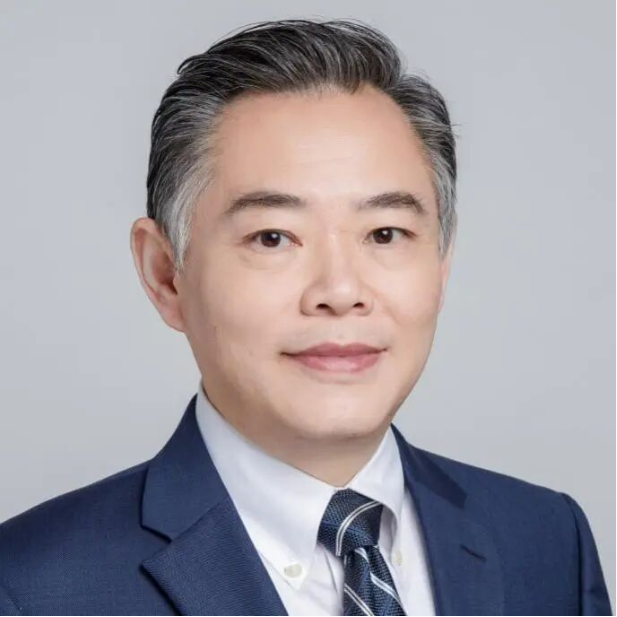
Fig. 1. Dr. Xiang Li
Luveltamib Featured in Rapid Oral Presentation Session at ASCO2026
Phase III data presented at ASCO2026 demonstrated that luveltamib achieved an objective response rate (ORR) of 43.8% in adult patients with NF1-PN, 10.9% in the placebo group. The median time to response was only 3.9 months, and more than 85% of patients had a response duration exceeding 12 months.
Neurofibromatosis (NF) is a group of rare autosomal dominant genetic disorders, of which more than 90% are type 1 neurofibromatosis (NF1). The global prevalence of NF1 is approximately 1 in 3,000, and 30%–50% of NF1 patients develop plexiform neurofibromas (PN), which can involve major nerve trunks, causing disfigurement, pain, and functional disability, severely impacting quality of life and even threatening survival. Since approximately 90% of NF1-PN cannot be completely removed by surgery, targeted therapies such as MEK1/2 inhibitors are an important means of disease control.
To date, luveltamib has received approval in China for two rare disease indications: symptomatic, inoperable NF1-PN in pediatric and adolescent patients aged 2 and above, and Langerhans cell histiocytosis (LCH) and histiocytic tumors in adults. Based on the above positive Phase III clinical data, Fosun Pharma has submitted a new drug application (NDA) to the National Medical Products Administration (NMPA) for luveltamib in adult NF1-PN, which has been accepted and placed under priority review, potentially achieving full lifecycle coverage of NF1-PN treatment from pediatric to adult patients.
Rare disease drug development is widely regarded as one of the toughest challenges in the industry — patient populations are small, recruitment is difficult; natural history data are scarce, making it hard to establish control groups; and regulatory pathways are relatively individualized, with few established templates to follow. Luveltamib's continued recognition from regulatory authorities, with Phase III data presented at top international oncology conferences such as ASCO, fully demonstrates Fosun Pharma's comprehensive strengths in target mechanism research, clinical operations, and regulatory communication.
In addition to NF1 and LCH, luveltamib is also advancing in indications including pediatric low-grade glioma and extracranial arteriovenous malformation. The drug has also shown potential in KRAS-mutant non-small cell lung cancer (NSCLC). “Although KRAS inhibitors have made important advances, KRAS-mutant tumors are prone to resistance through derepression of downstream pathway feedback, RTK upregulation, and compensatory activation of other RAS isoforms. Monotherapy can only block the upstream target, and the pathway can easily be reactivated; combining with a MEK inhibitor enables dual blockade of signaling pathways and suppression of compensatory signals, which is an important direction for overcoming resistance,” Dr. Li explained.
A Phase II clinical trial of luveltamib in combination with anlotinib for KRAS-mutant advanced NSCLC has been approved by the NMPA. Dr. Li noted that luveltamib has demonstrated a favorable safety profile in previous clinical studies, providing a foundation for moving the treatment into earlier lines and combination therapy settings.
Fosun Pharma's R&D “Breadth” and “Depth”
Luveltamib is a representative example of Fosun Pharma's independent R&D capabilities. Discussing Fosun Pharma's pipeline strategy, Dr. Li said it embodies both “breadth” and “depth”.
“Breadth” refers to the richness of therapeutic modalities. Fosun Pharma has built a multi-modality drug development platform centered on small molecules, covering traditional small molecule drugs as well as extended innovation formats such as molecular glues, peptides, small nucleic acid drugs, and radiopharmaceuticals.
Its majority-owned subsidiary Shanghai Henlius Biotech focuses on large-molecule drugs including antibodies and antibody-drug conjugates (ADCs). Henlius’ independently developed PD-1 inhibitor serplulimab (Hansizhuang) is one of the most globally distributed domestically developed PD-1 inhibitors, with revenue growing for multiple consecutive years and its indication portfolio continuing to expand.
Another majority-owned subsidiary, Fosun Kite, focuses on CAR-T cell therapy and holds axicabtagene ciloleucel injection (Yescarta), the first approved CAR-T therapy in China. In 2024, Fosun Pharma increased its controlling stake in its U.S. partner Kite Pharma, renamed the entity Fosun Kite, and achieved full independence in CAR-T R&D, clinical operations, and commercialization. The NDA for Fosun Kite's second CAR-T product, brexucabtagene autoleucel injection, has been accepted by the NMPA. The company is also exploring the potential of CAR-T therapy in solid tumors and autoimmune diseases to open up a broader market.
In terms of disease area focus, Fosun Pharma implements a “concentration” strategy. Dr. Li noted that the current core focus is on three major therapeutic areas with significant unmet medical needs: oncology, immune-inflammatory diseases, and neurodegenerative diseases.
For specific major disease areas, Fosun Pharma actively deploys pipelines across multiple modalities to create a relay of treatment options at different stages of disease progression. In hematologic oncology, for example, the company develops antibody drugs, CAR-T therapies, and small molecule drugs. This multi-dimensional approach is what gives Fosun Pharma's pipeline its “depth”.
”The deeper your biological understanding of a disease, the more precisely you can grasp its signaling pathways and resistance mechanisms, and the more likely you are to generate truly ‘mechanistically complementary’ therapies. In addition, clinical resources and commercialization capabilities can be shared across different product pipelines within the same disease area. It takes years to cultivate a specialized promotional team that truly understands a disease, but under a deeply focused strategy, one team can serve the entire product portfolio, dramatically reducing the marginal cost of commercialization. This also helps build the end-to-end capabilities spanning early research, translation, clinical development, manufacturing, registration, and commercialization,” Dr. Li explained.
Source Innovation Requires Long-Term Commitment; End-to-End Capability is Essential
”In the past, when we attended international conferences, we used to deliberately emphasize that we were working on ’innovative medicines’. But researchers from multinational companies abroad never felt the need to make this distinction — for them, drug R&D was by definition innovative. In the past five years, multinational companies have been making large-scale acquisitions in China, which shows that the level of innovation in our pipelines has been globally recognized,” Dr. Li observed, illustrating the leap in China's innovative drug development capabilities.
Yet new concerns have emerged: Is our source innovation deep enough? Is translational research being done well? Dr. Li's response is deceptively simple but hits the mark — “There is no need to be anxious, but one must understand that translation is inherently a long process.”
Dr. Li used GLP-1 and KRAS as examples to illustrate how long the road to source innovation can be. The regulatory role of GLP-1 was discovered in the 1980s; it took nearly 40 years until semaglutide was approved for weight loss in 2021. KRAS was found to be broadly expressed in solid tumors as early as 1984, but was long considered an “undruggable” target and remained dormant, until the first inhibitor was approved in 2021 and recent data from daraxonrasib reporting Phase III overall survival outcomes brought another major breakthrough.
“These two examples are not meant to discourage confidence, but to illustrate that source innovation requires long-term commitment. Our early research results have begun to show translational potential, but to truly develop highly original clinical new drugs, sufficient time and resources must be invested,” Dr. Li emphasized.
Multiple obstacles exist on the road to translating drug R&D results, chief among them being the match between target and disease. Dr. Li pointed out that omics analysis can identify hundreds of candidate targets in a single study, but it is impossible for companies to initiate clinical trials for every target to validate efficacy and safety. A deep understanding of the signaling pathways of the target and the biological mechanisms of the disease is required. “When you're doing fast-follow, you don't realize how hard this is, because someone else has already done the validation. But when you're truly doing innovative drug development, this is the first major hurdle.”
The gap between a target and a druggable molecule needs no further elaboration — both GLP-1 and KRAS are textbook examples. In the clinical development stage, each step matters: from preclinical pharmacokinetic (PK) prediction to the selection of starting doses for first-in-human studies, and from key clinical trial design to regulatory communication. “For example, if PK exploration is insufficient and dose prediction is inaccurate, the clinical trial is likely to fail, and all the time and investment that went before will have been wasted,” Dr. Li said.
Often overlooked is the importance of chemistry, manufacturing, and controls (CMC). Even when clinical data are impressive, if a molecule cannot be manufactured at scale, its clinical accessibility and commercial performance will be impeded.
This is precisely what Dr. Li emphasizes: end-to-end capabilities are a non-negotiable prerequisite for innovative drug development. Basic research is only the first link in this long chain — from target selection, molecular design, CMC, and clinical execution to registration and commercialization, no link can afford to break down; otherwise, all previous efforts may be rendered null.
At a deeper level, once end-to-end capabilities are established, international expansion will gradually become another prerequisite for the success of domestic innovative drug companies. Dr. Li stressed: “The advantage of early-stage R&D still carries risks — latecomers may always achieve therapeutic superiority through molecular iteration. But once the capabilities for global registration, manufacturing, and commercialization are established, that forms a truly solid competitive moat. For this reason, Fosun Pharma has identified deep internationalization as one of its three core strategic priorities for the future, and is systematically strengthening it.”
From “being recognized” to “being used” — turning molecules developed in domestic laboratories into products trusted by physicians and patients worldwide — this is the next challenge China's innovative drugs must overcome on their path to global markets, and Fosun Pharma has already taken a leading step.
Conclusion
Fosun Pharma's 2025 annual report shows that the company's innovative drug revenue approached the 10 billion RMB mark for the first time, with overseas markets accounting for 30% of total revenue.
On the international front, total upfront license fees from out-licensing deals exceeded USD 260 million for the full year, with potential total milestone payments exceeding USD 3.8 billion. The deal with Pfizer for YP05002 (an oral small-molecule GLP-1 receptor agonist) for a potential total of USD 2.085 billion set a record for overseas deals involving a domestic GLP-1 receptor agonist.
On the R&D front, serplulimab became the first PD-1 inhibitor approved in the EU for first-line treatment of extensive-stage small cell lung cancer; radiopharmaceutical project SRT-007 initiated Phase I clinical trials; and in-vivo CAR-T FKC289 (targeting CD19/BCMA) received IND clearance.
These dense milestones collectively point to one conclusion: Fosun Pharma's innovative drug R&D system has developed the breadth and depth to compete in the global market. The company anticipates entering a concentrated new product launch window around 2028, making it well worth sustained industry attention.
From rare disease data topping the ASCO program, to an R&D pipeline characterized by both “breadth” and “depth”; from deep expertise in the MEK target to forward-looking exploration of challenges like KRAS inhibitor resistance; from improving the accessibility of CAR-T therapy to advancing the global launch of innovative drugs — Fosun Pharma is moving at a steady and resolute pace in answering the question of how to become a C-MNC: a China-originated multinational company with innovative competitive strength. This chapter has only just begun.

