


At the 2025 World Conference on Lung Cancer (WCLC) held in Barcelona, Spain, results from the first Phase III randomized clinical trial directly comparing hypofractionated radiotherapy (HypoRT) with conventional fractionated radiotherapy (ConvRT) in patients with limited-stage small cell lung cancer (LS-SCLC), led by Dr. Lühua Wang and Dr. Nan Bi from the Cancer Hospital of the Chinese Academy of Medical Sciences, were presented in a plenary session.
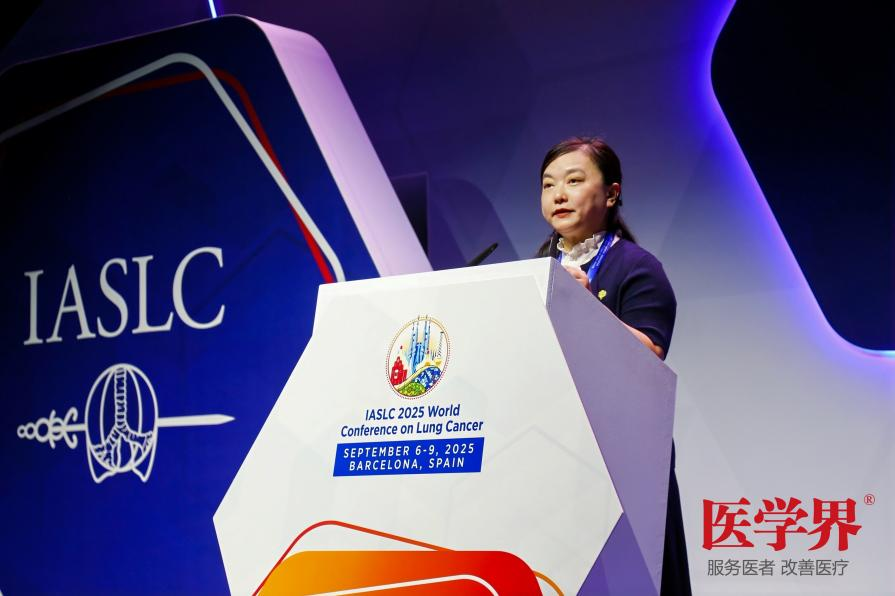
Figure 1. Presentation by Dr. Nan Bi
Hypofractionated Radiotherapy Demonstrates Comparable Efficacy and Superior Safety Compared with Conventional Radiotherapy
The study was a multicenter, open-label, randomized Phase III clinical trial conducted across 16 hospitals in China. Patients were randomly assigned in a 1:1 ratio to receive either HypoRT or ConvRT, with the aim of determining whether the 3-week HypoRT regimen was non-inferior to the 6-week ConvRT regimen in terms of efficacy and safety.
Efficacy Results
After a median follow-up of 43.4 months, the HypoRT group did not demonstrate non-inferiority in overall survival (OS) compared with the ConvRT group. Median OS was 40.2 months and 47.9 months, respectively (HR = 1.04; 95% CI: 0.81–1.33). The estimated 1-, 2-, 3-, and 5-year OS rates in the HypoRT group were 86.6%, 68.9%, 53.5%, and 42.4%, respectively, versus 87.2%, 68.0%, 55.5%, and 43.9% in the ConvRT group. Median progression-free survival (PFS) was also similar between the two groups (16.5 months vs. 18.0 months; HR = 1.06; 95% CI: 0.86–1.32).
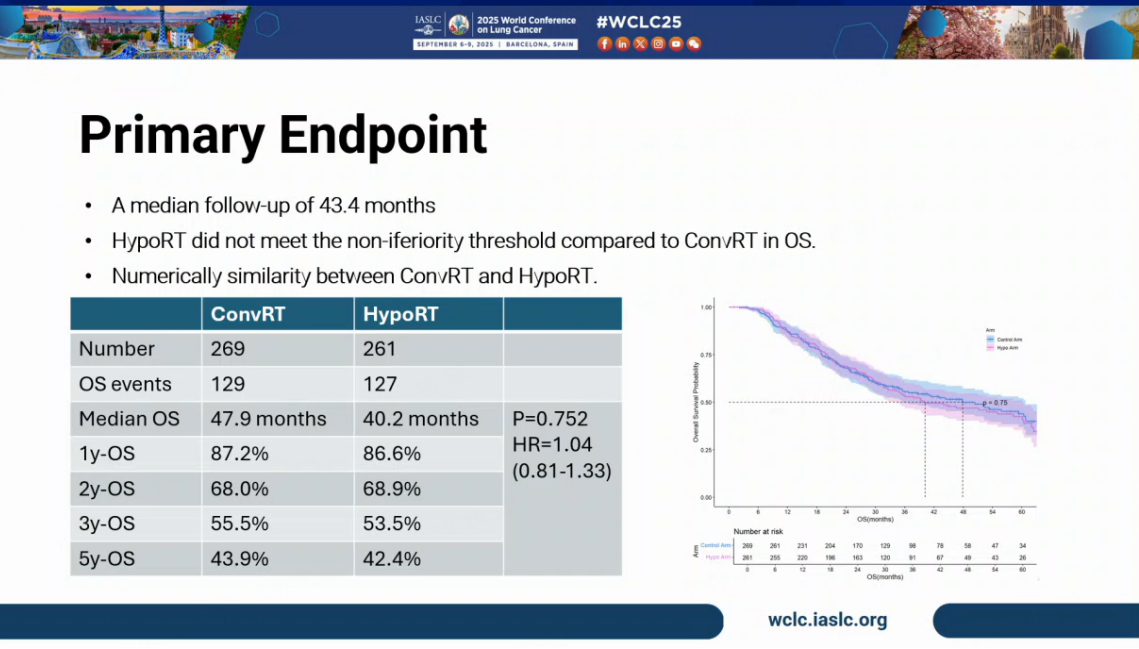
Figure 2. Primary Endpoint Data
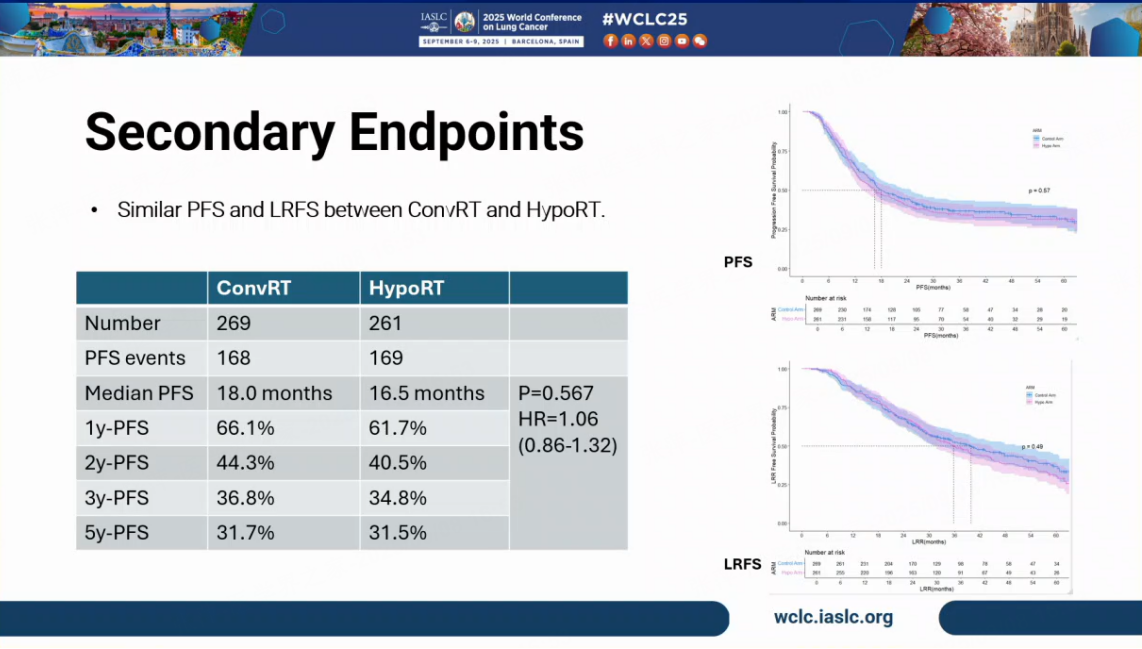
Figure 3. Secondary Endpoint Data
Safety Profile
The incidence of acute treatment-related adverse events of grade ≥3 was significantly lower in the HypoRT group (48.7% vs. 67.7%, p < 0.001), primarily due to reduced hematological toxicity. Notably, the HypoRT group showed a lower incidence of grade ≥2 lymphopenia during concurrent chemoradiotherapy (60.5% vs. 88.8%, p < 0.001), which remained significantly reduced at 1 month (34.3% vs. 48.7%, p = 0.01) and 6 months (14.4% vs. 28.7%, p = 0.008) after radiotherapy. The incidence of grade ≥2 radiation pneumonitis was also lower in the HypoRT group (7.7% vs. 14.5%; p = 0.013). No significant differences were observed in late toxicity.
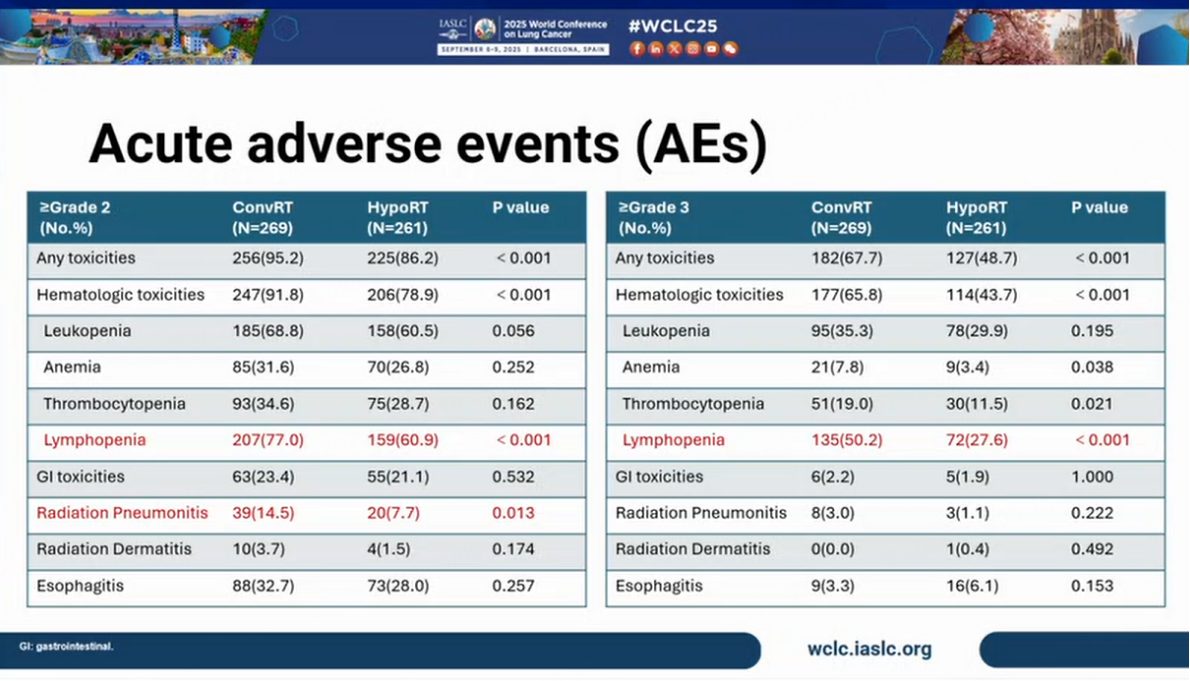
Figure 4. Acute Adverse Event Data
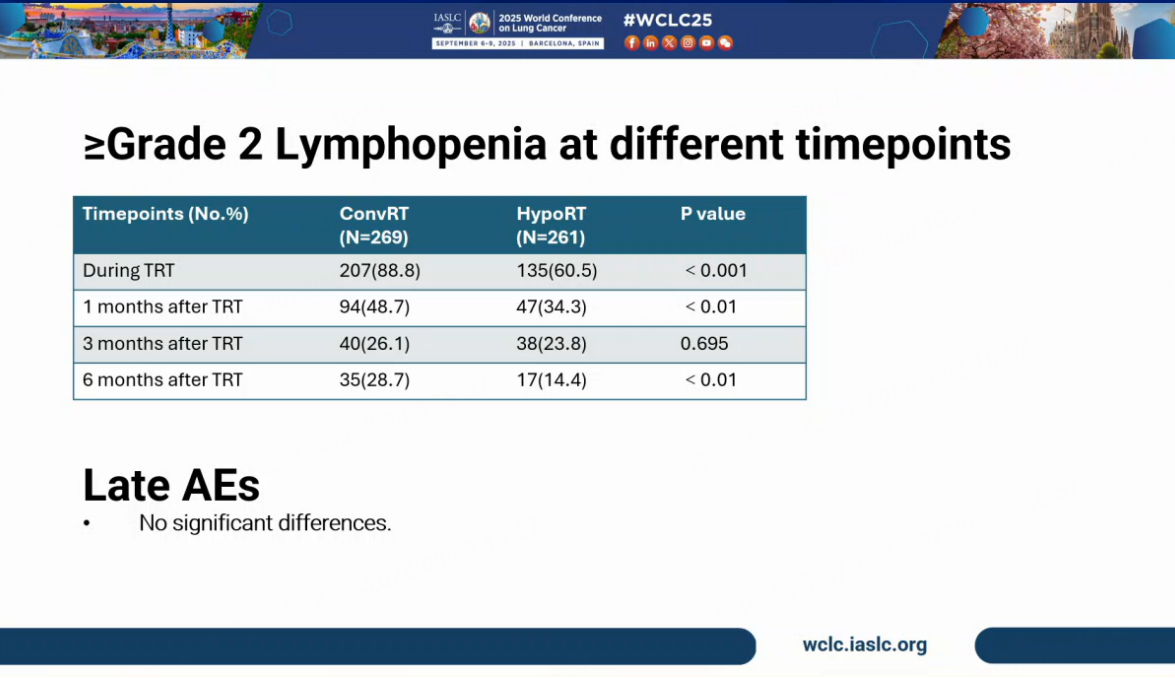
Figure 5. Data on Grade ≥2 Lymphopenia at Different Time Points and Late Adverse Events
Expert Perspective
Dr. Nan Bi stated: “This study is the first Phase III randomized trial in the modern radiotherapy era to directly compare hypofractionated and conventional fractionated regimens in patients with limited-stage SCLC. The results indicate that the hypofractionated regimen provides comparable efficacy with a superior safety profile, offering strong support for its incorporation into clinical practice.”
Reference:
[1] Nan B, et al. Hypofractionated vs Conventional Fractionated Radiotherapy With Concurrent Chemotherapy for LS-SCLC: A Multi-Center Phase III Trial. 2025 WCLC. PL03.07.

