


The ESMO 2026 Annual Meeting opened in Madrid, Spain, at 11:30 local time on Oct 23, 2026. ESMO President Fabrice Andre opened the ceremony with a presidential address, followed by an academic address from the two co-chairs of the scientific committee, the presentation of four ESMO awards, and a closing keynote.
Article Key Points
- ESMO 2026 opened in Madrid on Oct 23, 2026; 4,414 abstracts, 296 sessions, about 40,000 oncology professionals attending
- President Fabrice Andre: ESMO to become a global reference point through unified terminology, standards, and frameworks
- ESMO has developed 8 frameworks, including ESCAT v.2, ESMO-MCBS v.2, and ELCAP for clinical use of large language models
- Six new committees added, covering artificial intelligence and digital oncology and cancer prevention and interception
- Scientific co-chairs: Yelena Y. Janjigian (MSKCC) and James Larkin (Royal Marsden NHS Foundation Trust)
- Six themes: global cancer research, treatment optimization, prevention, next-generation ADCs, AI, non-drug care
- 46 studies published simultaneously in NEJM, Nature Medicine, The Lancet, JAMA, and five other journals
- Awards: Fitzgerald (ESMO), Landau (Translational Research), Garrido (Women in Oncology), Ribas (Lifetime)
- Closing keynote by Karim Fizazi: GLP-1 agonists, HPV self-sampling, drug pricing, AI agents, organoids
- Evidence status: on-site report of the opening ceremony; no new trial results were presented at this session
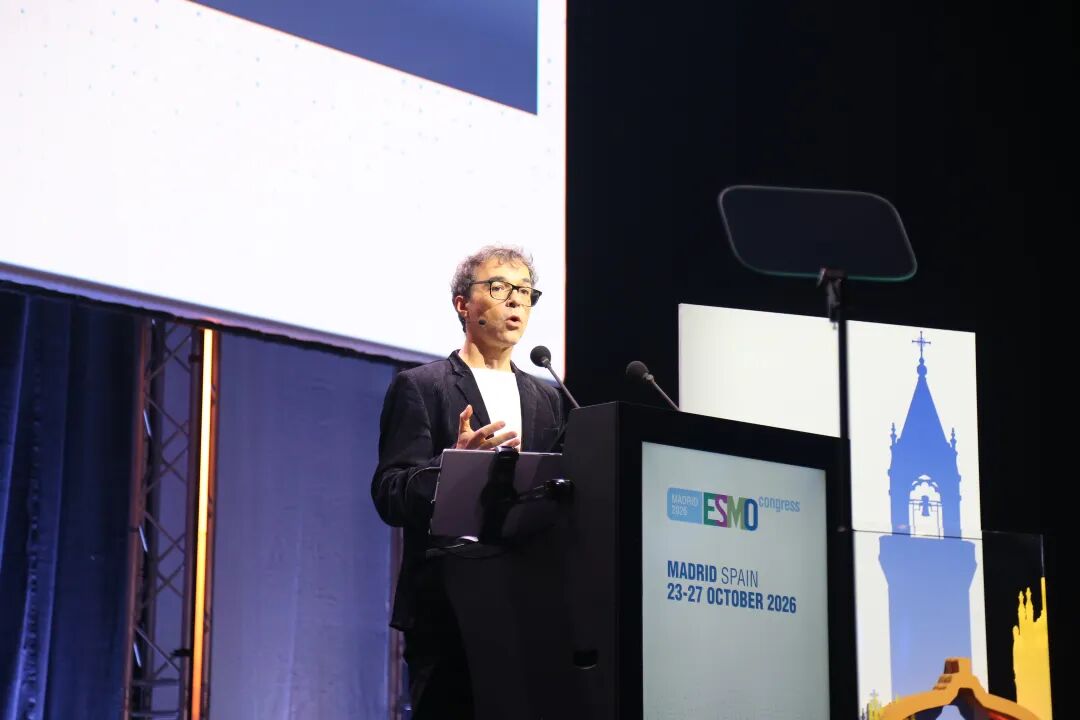 Fig.1. ESMO President Fabrice Andre Delivering the Presidential Address
The Presidential Address: ESMO as a Global Reference Point
In his presidential address, ESMO President Fabrice Andre welcomed participants and described what he called an increasingly complex, fragmented oncology landscape with a deluge of data and an urgent need for clinical guidance. His framing was direct: “Keeping up with the pace of science is no longer enough; ESMO’s own evolution is the answer.”
He described the aim of making ESMO a global “reference point” for oncology by unifying terminology, standards, and frameworks so that evidence can be interpreted and applied consistently. Eight frameworks have been developed to date, including a molecular target clinical actionability scale (ESCAT v.2), a clinical benefit scale (ESMO-MCBS v.2), and guidelines for the clinical application of large language models (ELCAP). Six new committees have also been established, among them ones dedicated to artificial intelligence and digital oncology and to cancer prevention and interception.
Facing the era of artificial intelligence, he summarized the society’s mission in three statements: “We define what is important, we set standards, we fund research.” He closed with an appeal to the international community: “Let us continue to shape the future of oncology together.”
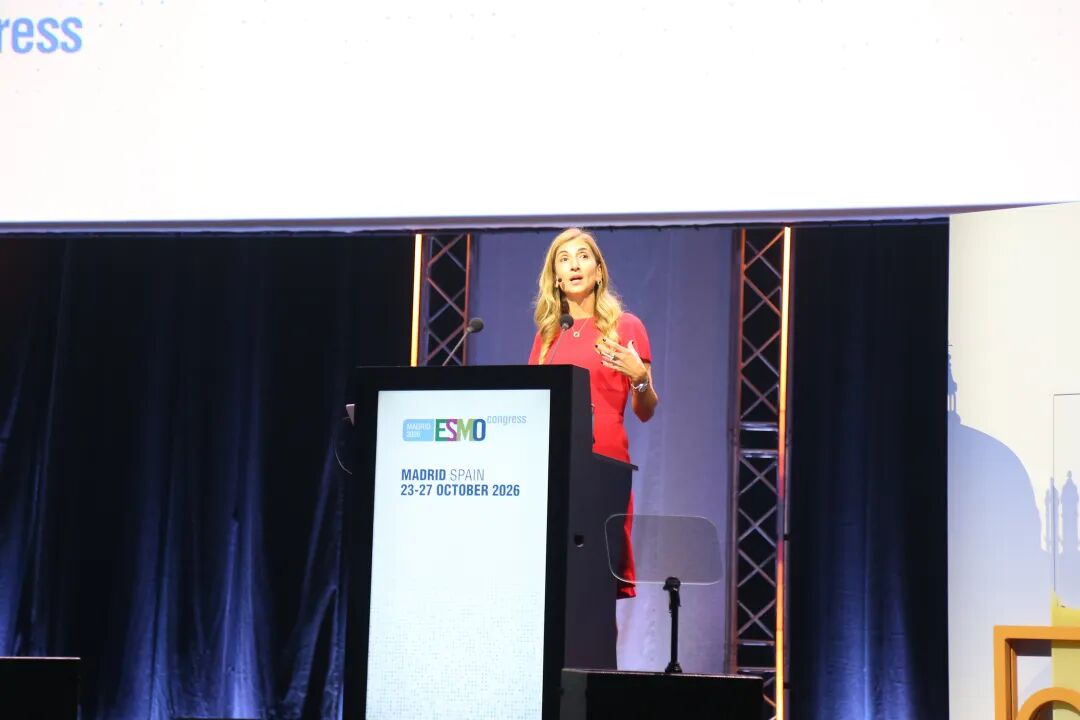 Fig. 2. Scientific Committee Co-Chair Yelena Y. Janjigian Delivering the Academic Address
The Scientific Program: Scale and Thematic Architecture
The two co-chairs of the scientific committee, Yelena Y. Janjigian of Memorial Sloan Kettering Cancer Center in the United States and James Larkin of the Royal Marsden NHS Foundation Trust and Cancer Research UK in the United Kingdom, delivered the academic address together.
Janjigian opened with the scale of the meeting: 4,414 abstracts accepted, 296 sessions, and approximately 40,000 oncology professionals attending. She then set out six themes running through the program: the globalization of cancer research, treatment optimization, interception and prevention, next-generation antibody-drug conjugates, artificial intelligence, and non-drug interventions. Her stated priority was that “what matters is not what is new, but what can truly change patient outcomes.” She highlighted seven studies to watch, including INTerpath-001, KRASCENDO-1, and SAFFRON.
Larkin then presented the meeting’s publication footprint: 46 studies were published simultaneously in top journals, including Annals of Oncology, NEJM, ESMO Open, Nature Medicine, The Lancet, The Lancet Oncology, Nature, and JAMA.
The Four Awards
Four ESMO awards were presented during the opening ceremony, each with a keynote lecture.
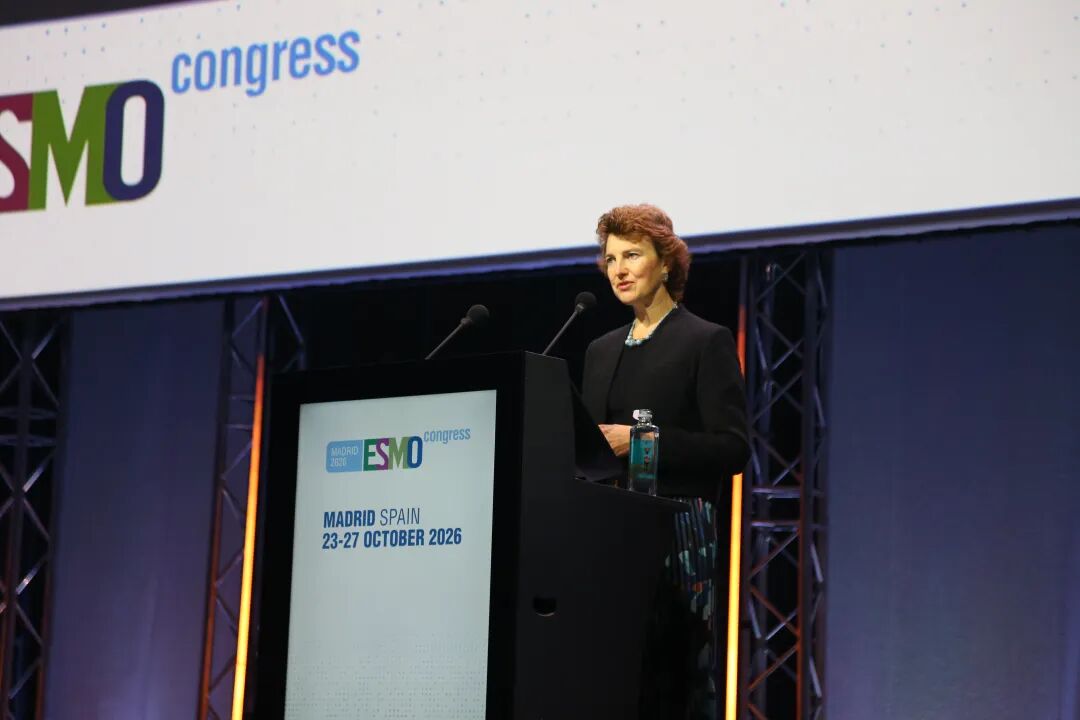 Fig.3. Rebecca Fitzgerald Delivering the ESMO Award Lecture
ESMO Award | Rebecca Fitzgerald
The ESMO Award was presented to Rebecca Fitzgerald of the University of Cambridge, United Kingdom, in recognition of her pioneering contributions to early cancer detection, particularly the early detection of esophageal cancer. She led the development of the non-endoscopic Cytosponge test and associated biomarker technologies, opening a route to earlier intervention and helping drive evidence-based screening policy in Europe. Her lecture was titled “Early Detection Meets Oncology: Lessons from the Esophagus,” using the esophagus as a window onto how early detection moves from the laboratory to scaled implementation.
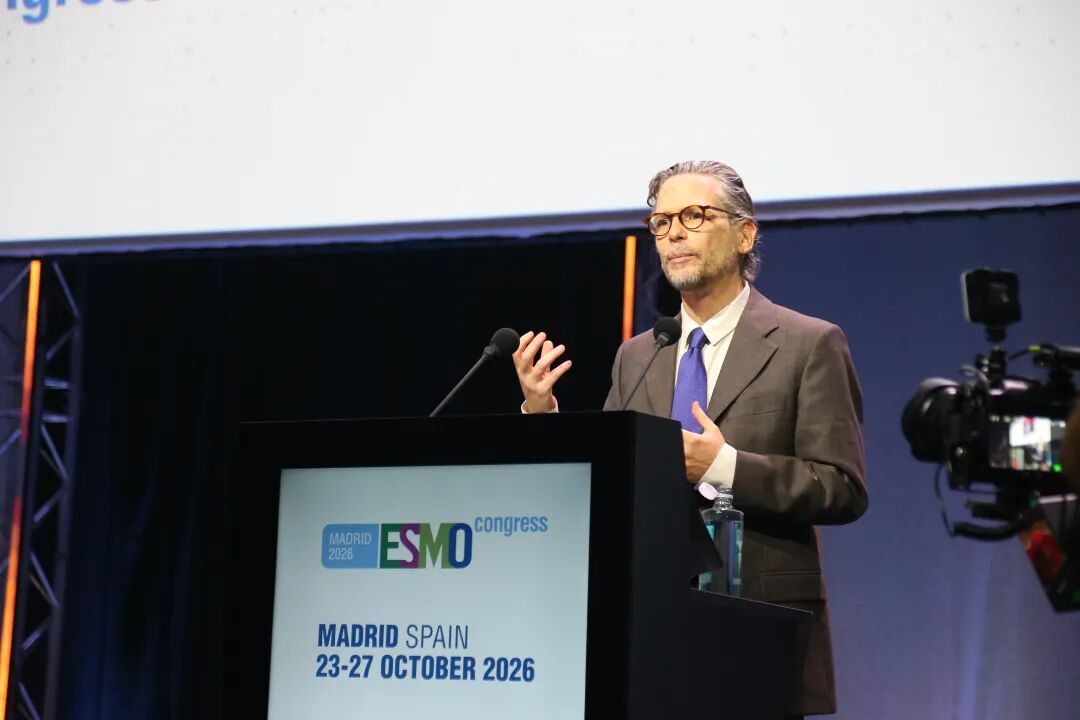 Fig. 4. Dan Landau Delivering the ESMO Translational Research Award Lecture
ESMO Translational Research Award | Dan Landau
The ESMO Translational Research Award went to Dan Landau of Weill Cornell Medicine, United States, for translational work in tumor evolution, single-cell multi-omics, and the detection of circulating tumor DNA (ctDNA) and minimal residual disease (MRD). His lecture, “A ‘Glucose Meter’ for Cancer: Toward Scalable and Generalizable Residual Disease Detection,”described the ambition of making recurrence monitoring as simple and accessible as checking blood glucose.
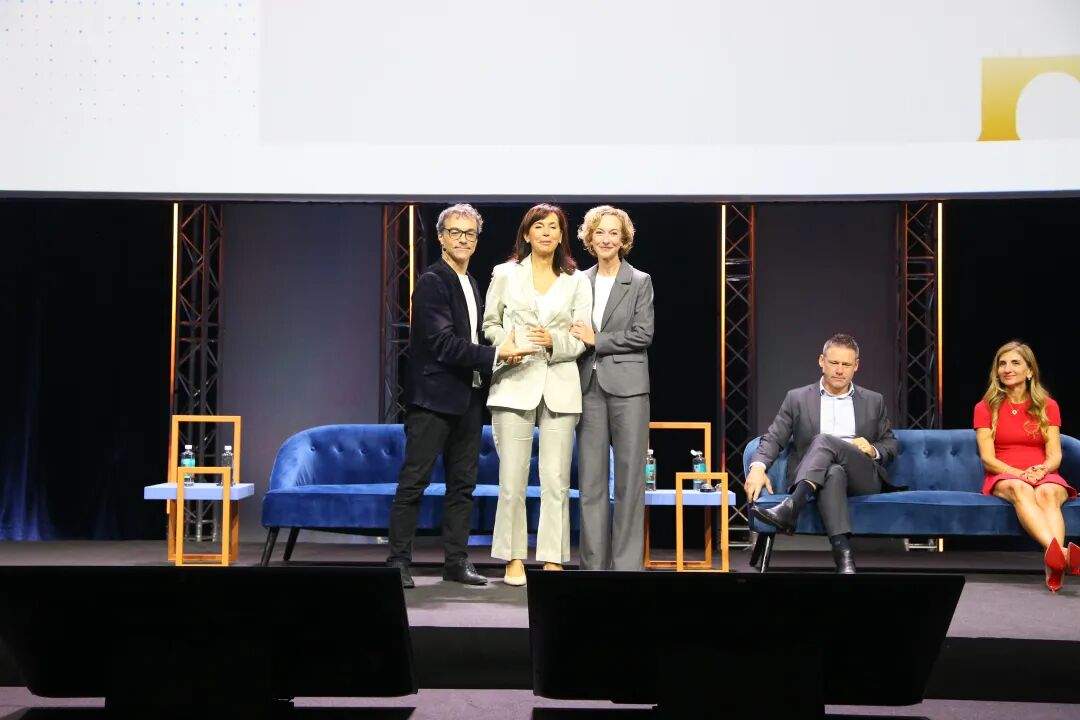 Fig. 5. Pilar Garrido at the Award Presentation
ESMO Women in Oncology Award | Pilar Garrido
The ESMO Women in Oncology Award was awarded to Pilar Garrido of Hospital Universitario Ramon y Cajal in Madrid, Spain, for her contributions to lung cancer research and for her long-standing leadership in promoting gender equality and supporting women in oncology. Her lecture, “Sex Matters: Shaping Better Oncology Science,” addressed how attention to sex differences can make oncology research more rigorous and clinical care more equitable.
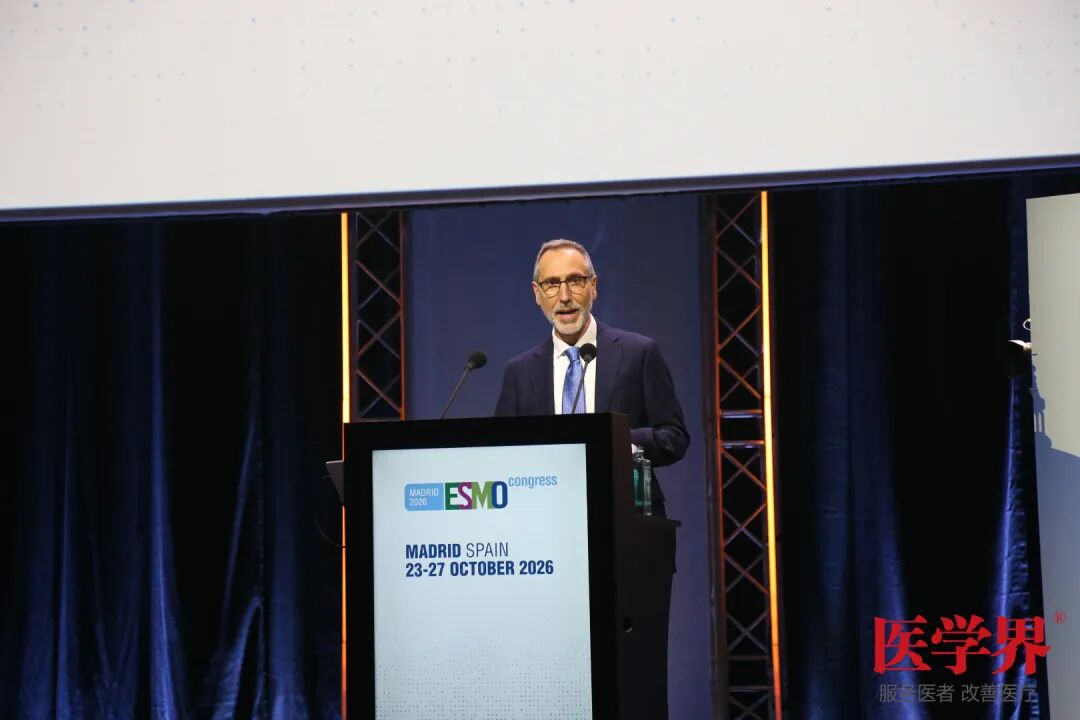 Fig.6. Antoni Ribas Delivering the ESMO Lifetime Achievement Award Lecture
ESMO Lifetime Achievement Award | Antoni Ribas
The ESMO Lifetime Achievement Award recognized Antoni Ribas of the UCLA Jonsson Comprehensive Cancer Center, United States, for foundational work in immuno-oncology and translational research. His contributions laid the groundwork for multiple therapies, including pembrolizumab, the first anti-PD-1 drug approved by the US Food and Drug Administration, and reshaped the treatment landscape for melanoma. His lecture, “Targeted Cancer Immunotherapy: The PD-1 Blockade Story,” traced the key path by which immunotherapy led by PD-1 blockade moved from mechanistic discovery to clinical practice.
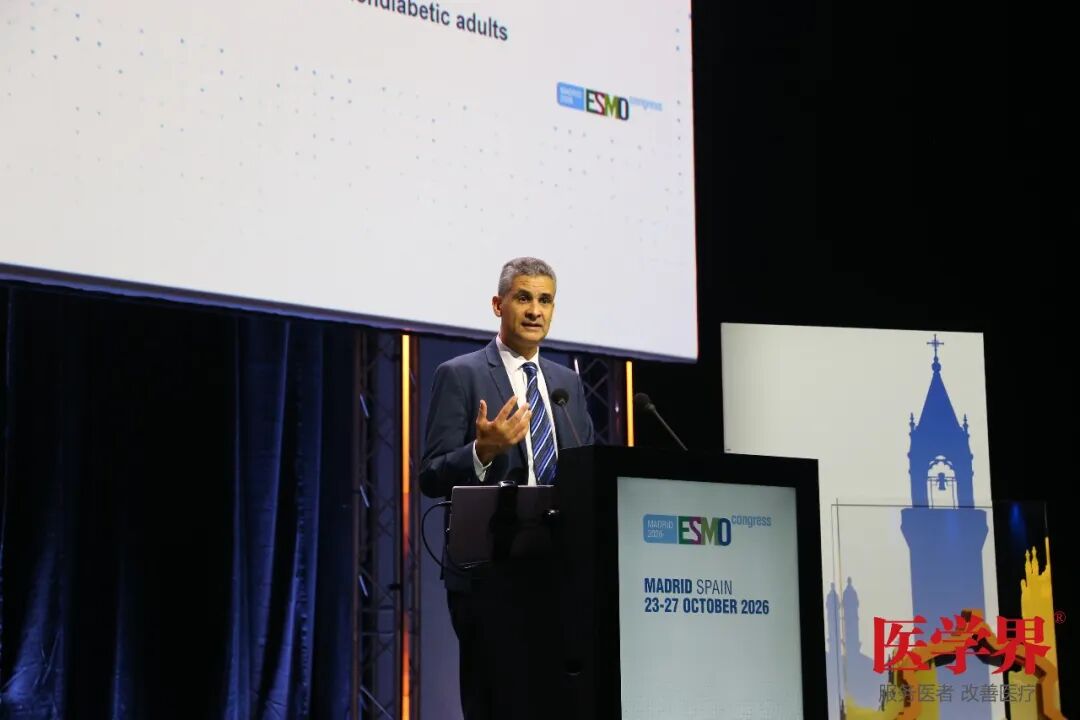 Fig. 7. Karim Fizazi Delivering the Closing Keynote
Closing Keynote: Observations That May Change Practice
Karim Fizazi, an internationally recognized prostate cancer specialist from Lille, France, closed the opening ceremony with a talk titled “You May Have Missed: Insights to Guide Clinical Practice,” in which he distilled a large volume of progress into signals that could change day-to-day practice.
He introduced 10 topics with potential clinical impact, including that GLP-1 agonists may lower cancer risk in populations with obesity and diabetes; that home HPV self-sampling performs no worse than clinic-based screening; that US most-favored-nation drug pricing may affect global access to medicines; that the rise of Chinese biotechnology, together with planned revisions to the European IVDR and the Biotech Act, may accelerate clinical trials; that AI agents have approached expert performance in some settings but still require rigorous validation and human oversight; and that organoids may be used for “virtual trials” to optimize treatment.
He also called for action on global health threats including climate change, pandemics, armed conflict, and antimicrobial resistance, and warned of a projected global shortfall of approximately 100 million healthcare workers by 2050.
Closing Note
The opening ceremony set the agenda for the meeting that follows: a president framing ESMO’s role as a standards-setting body in an era of data overload and AI, a program of 4,414 abstracts organized around six themes, a record of simultaneous publication in leading journals, and four awards recognizing work in early detection, translational research, gender equity in oncology, and immuno-oncology. The closing keynote pointed toward practice changes already underway, from GLP-1 agonists and self-sampling to drug access, AI validation, and organoid-based testing. The MedJ oncology channel will continue to report from Madrid as the meeting proceeds.

