


The four‑day European Society of Cardiology Congress 2026 (ESC 2026) has concluded in Munich, Germany. The meeting brought together global cardiovascular specialists and researchers for intensive discussions on artificial intelligence, guideline updates, clinical trials, and patient management. The data presented at the congress reflected ESC’s continued influence as a global cardiovascular academic platform.
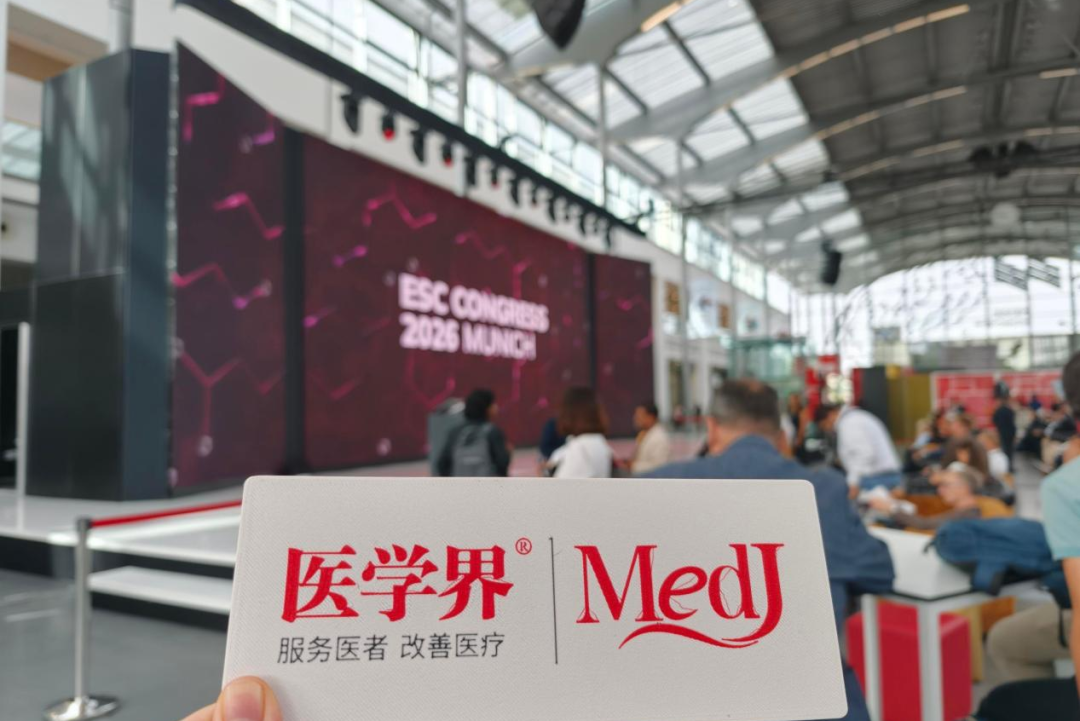
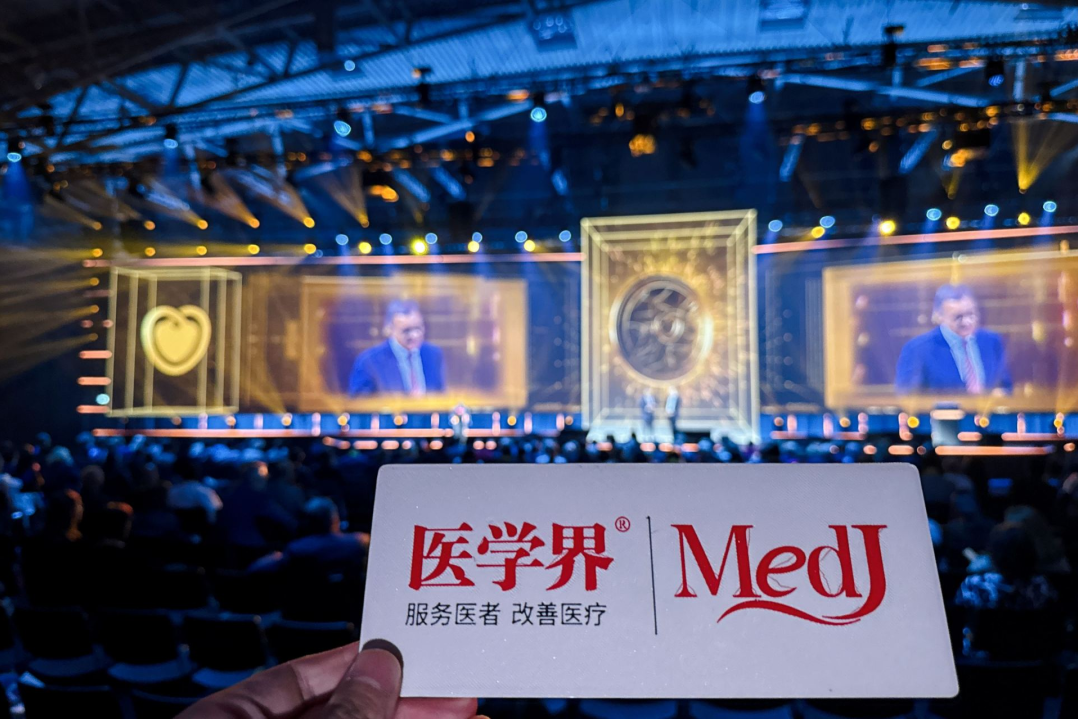 Fig.1.MedJ On-Site
I. Global Participation: Growing Scale and Diversity, with Strong Chinese Representation
According to information released by the congress, the academic participation scale continued its growth trend in recent years: nearly 2,000 invited experts from 81 countries contributed to the design and delivery of the scientific program; abstracts were submitted from 125 countries, and the final accepted abstracts and clinical case reports that were presented came from 103 countries.
Notably, Chinese research participation increased further at this year’s congress. Over 600 studies from China were accepted, including 13 breakthrough studies selected for the Late‑Breaking Science sessions. From latest clinical breakthroughs to AI applications, Chinese cardiovascular research continues to make its voice heard on the international stage.
On the academic content front, the congress released three major guidelines (covering heart failure, cardiovascular disease and chronic kidney disease, and cardiac rehabilitation) as well as the fifth universal definition of myocardial infarction. The myocardial infarction definition document was jointly developed by ESC, the American Heart Association (AHA), the American College of Cardiology (ACC), and the World Heart Federation (WHF), highlighting the importance of cross‑society collaboration in unifying clinical standards.
The Hot Line sessions remained a focal point of the congress. This year, the congress received over 700 trial submissions, and 30 Late‑Breaking Science sessions presented the latest data on novel therapies for hypertrophic cardiomyopathy and transthyretin amyloid cardiomyopathy, innovative devices, anticoagulation strategies, improvements in myocardial infarction diagnosis and treatment, and valvular heart disease management. The congress also live‑streamed 440 academic sessions, enabling broader global participation.
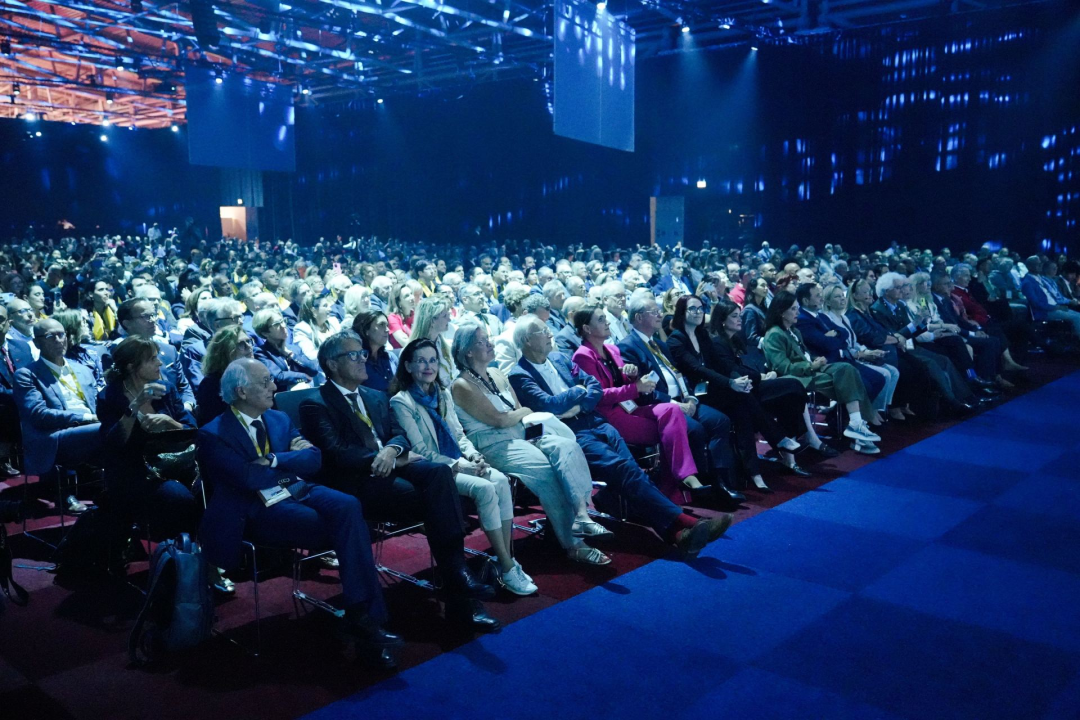 Fig.2.The Conference Venue was Packed to Capacity
II. Honors and Awards: Gold Medal and President’s Award Announced
During the congress, ESC presented its highest academic honor—the Gold Medal—recognizing scientists who have made outstanding contributions to cardiovascular medicine. The 2026 laureates were: Prof. Lina Badimon of Barcelona, Spain, whose research on vascular biology, coronary artery disease, and thrombo‑inflammatory mechanisms has profoundly influenced the understanding of cardiovascular disease; Prof. John Cleland of Glasgow, UK, whose extensive trials in heart failure and his role as the founding Editor‑in‑Chief of the European Journal of Heart Failure have advanced the field; and Prof. Gilles Montalescot of Paris, France, whose achievements in interventional cardiology and clinical research in coronary artery disease have shaped contemporary coronary intervention practice.
The ESC President’s Award was presented to three individuals for their outstanding contributions to the society: Amelia Meier, Head of the Editorial Office of the European Heart Journal, for her significant role in raising the journal’s impact factor; Petar Seferovic, for strengthening ties between Eastern European countries and ESC during his tenure as ESC Vice‑President and Chair of related working groups; and David Wood, whose large‑scale international secondary prevention initiatives have provided critical data on global coronary risk factor management.
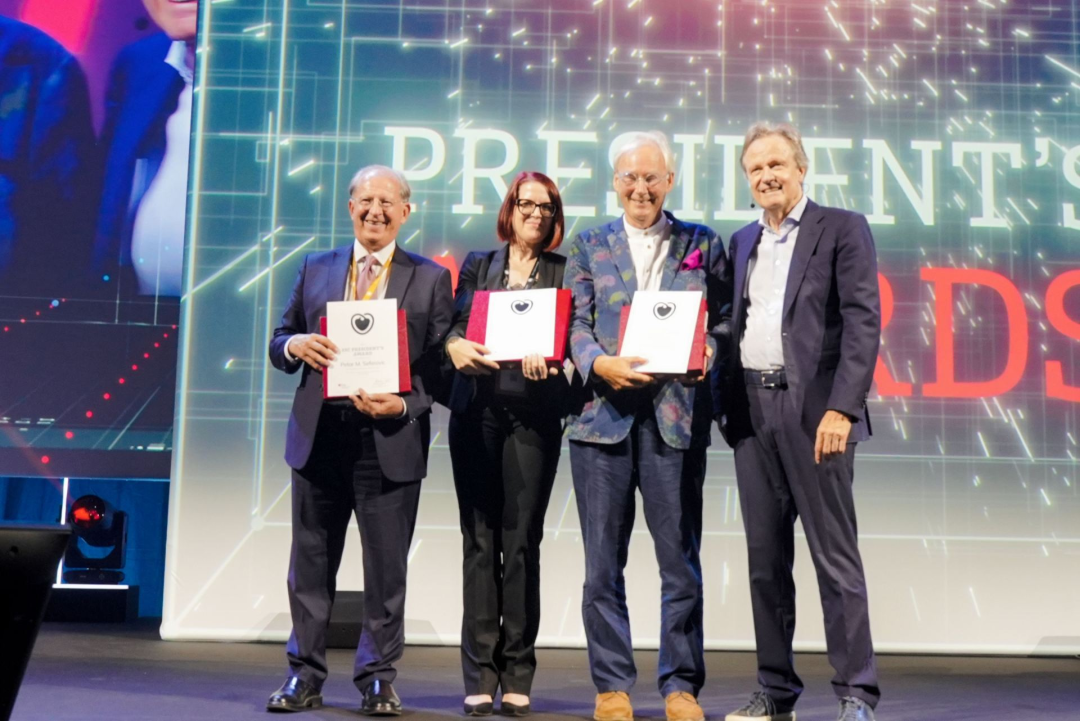 Fig.3.The Chairperson Presents Awards to the Winners
III. Future Directions: Digital and AI Remain Key Themes
According to congress information, the ESC Digital and AI Summit 2026 will be held in Basel, Switzerland, in November this year, continuing to focus on the practical application of artificial intelligence in cardiovascular disease prevention, diagnosis, and management. ESC has indicated that it will continue to promote the standardized validation and clinical integration of AI tools, while also strengthening guideline implementation and global collaboration.
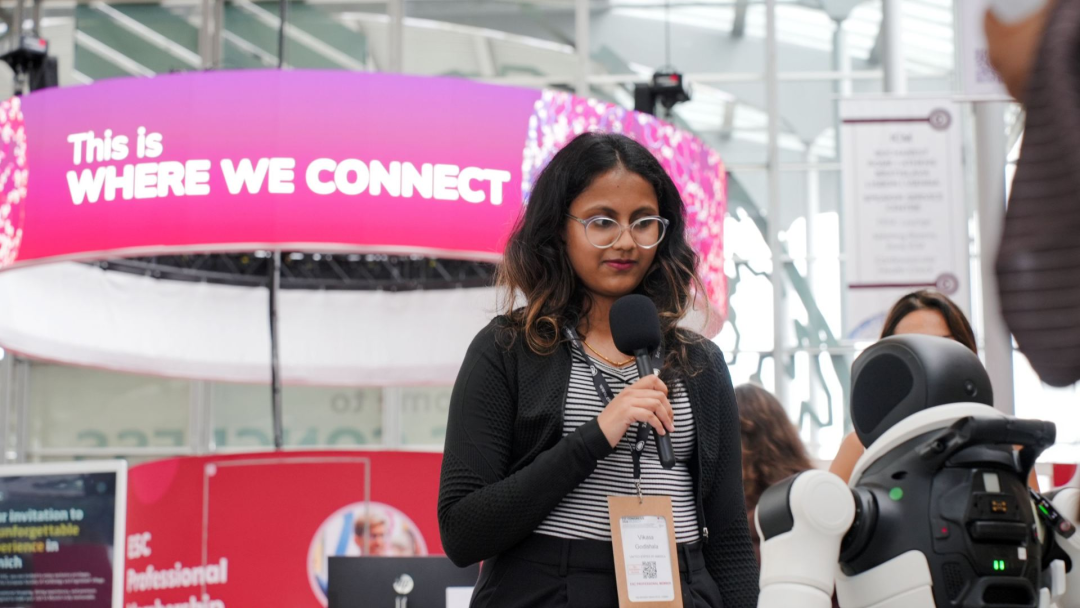
Fig.4.Participants Interact with the Robot
The program design of this year’s congress emphasized interdisciplinary and intergenerational dialogue. As Congress President Prof. Tomasz Guzik stated in his opening remarks: “Bring together people from different disciplines, different professions, and different generations to test ideas and leave Munich ready to collaborate.” This philosophy permeated the entire meeting.

