


Four studies presented during Late-Breaking Science and Hot Line sessions at the European Society of Cardiology (ESC) Congress 2026 provide an updated evidence map for gene silencer therapy in transthyretin amyloid cardiomyopathy (ATTR-CM). The reports span the pivotal phase 3 CARDIO-TTRansform trial of eplontersen, a complementary subgroup analysis of HELIOS-B, and a patient-level meta-analysis, together offering new perspective on how gene silencing fits alongside current standard-of-care TTR stabilizers. Key findings have also appeared in the New England Journal of Medicine and JAMA.
ATTR-CM is a progressive, life-limiting infiltrative cardiomyopathy caused by misfolding of transthyretin (TTR) and deposition of amyloid fibrils in the myocardium. Over recent years, TTR stabilizers such as tafamidis have reshaped the ATTR-CM treatment landscape, but real-world patients continue to face substantial unmet needs in terms of mortality, recurrent cardiovascular events, exercise capacity, and quality of life. Against this background, gene silencers that directly reduce hepatic TTR production have become one of the most actively investigated therapeutic strategies in the field.
Article Key Points
- CARDIO-TTRansform is the largest ATTR-CM clinical trial to date, randomizing 1432 adults with ATTR-CM to eplontersen 45 mg or placebo subcutaneously every 4 weeks for up to 140 weeks, with 57.2% on baseline TTR stabilizer therapy.
- The trial did not meet its primary composite endpoint of cardiovascular death and recurrent cardiovascular events at week 140 (RR 0.89; 95% CI 0.73-1.09; p=0.28), but eplontersen improved 6MWT distance, KCCQ-OS score, and all-cause mortality at weeks 140 and 160.
- Eplontersen reduced serum TTR by 79.4% versus placebo at week 140 (95% CI -85.3 to -75.3) and was generally well tolerated, with no new safety signals.
- In a pre-specified subgroup analysis, eplontersen monotherapy significantly reduced the primary composite endpoint versus placebo (RR 0.71; 95% CI 0.54-0.93; p=0.012), while no additional benefit was observed in patients on baseline TTR stabilizer (p_interaction=0.017).
- A meta-analysis of 2086 patients from CARDIO-TTRansform and HELIOS-B showed a 19% reduction in all-cause death and recurrent cardiovascular events with gene silencer therapy (RR 0.81; 95% CI 0.69-0.94; p=0.006), with benefit concentrated in patients not on baseline TTR stabilizer.
The CARDIO-TTRansform study is an international, multicenter, randomized, double-blind, placebo-controlled phase 3 trial evaluating eplontersen against placebo in ATTR-CM patients in whom TTR stabilizers had become standard of care. The trial enrolled adults aged 18-90 years with confirmed ATTR-CM (wild-type or variant), either by biopsy demonstrating TTR amyloid deposition or by non-biopsy criteria (grade 2-3 cardiac uptake on bone scintigraphy with a negative monoclonal protein screen), New York Heart Association (NYHA) class I-III, a history of heart failure (at least one prior HF hospitalization or signs/symptoms requiring loop diuretic therapy), interventricular septal thickness >12 mm, NT-proBNP ≥600 pg/mL (≥1200 pg/mL if in atrial fibrillation), 6-minute walk test (6MWT) distance ≥100 m, and estimated glomerular filtration rate (eGFR) ≥30 mL/min/1.73 m².
Participants were randomized 1:1, stratified by NYHA class (I/II vs III), TTR genotype (variant vs wild-type), 6MWT distance (≤350 m vs >350 m), and baseline TTR stabilizer use. Eplontersen 45 mg or placebo was administered subcutaneously every 4 weeks for a 140-week double-blind treatment period, with adverse events collected through a 20-week post-treatment follow-up and survival data collected through week 160 for those entering the open-label extension.
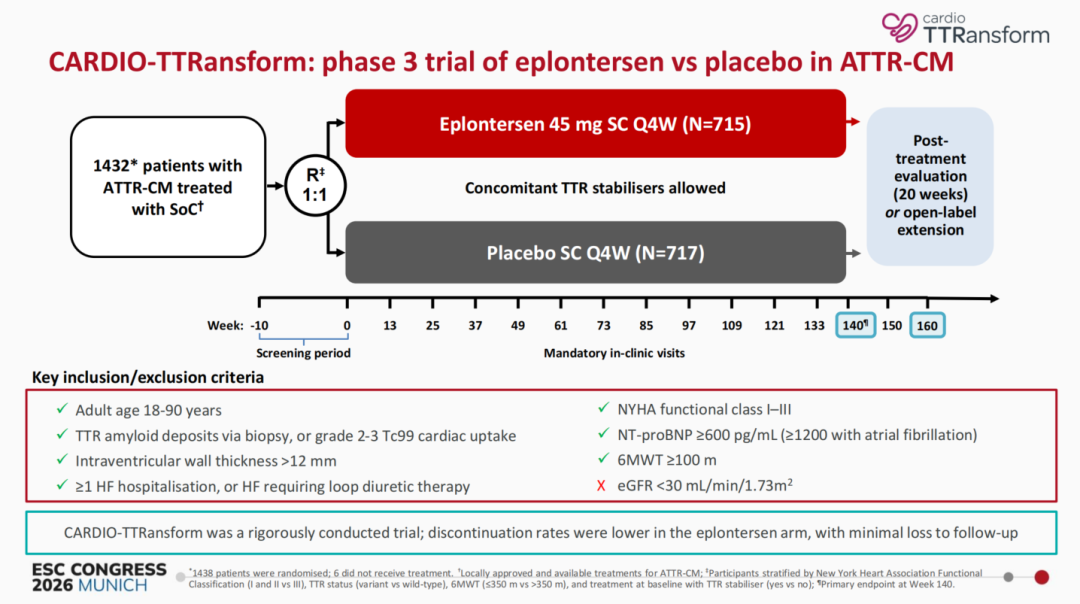 Fig. 1. CARDIO-TTRansform Study Design
The primary endpoint was the composite of cardiovascular death and recurrent cardiovascular clinical events through week 140. Key secondary endpoints included change from baseline in 6MWT distance and KCCQ-OS score at week 140, recurrent cardiovascular events through week 140, all-cause death through weeks 140 and 160, the primary endpoint in the baseline TTR stabilizer subgroup, and cardiovascular death through weeks 140 and 160.
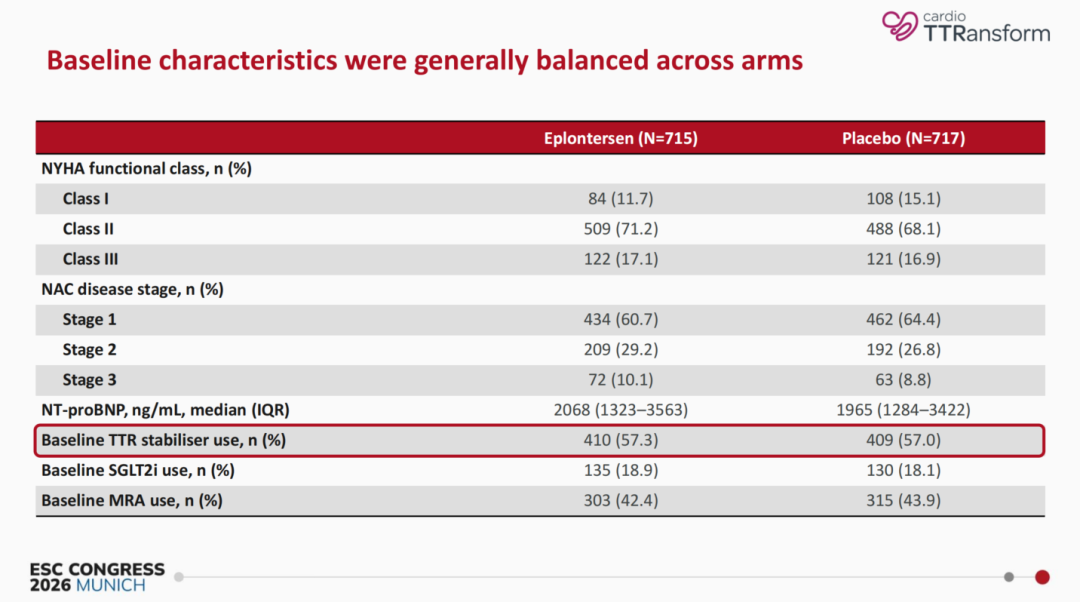 Fig. 2. Baseline Characteristics of the Two Groups in CARDIO-TTRansform
A total of 1432 patients were randomized (eplontersen 715; placebo 717), with a median age of 76.4 years; 90.6% were male and 14.7% had variant ATTR. Disease severity spanned the full spectrum (NYHA I/II/III at 13%/70%/17%). Background therapy reflected real-world practice, with 57.2% of participants (819 patients; eplontersen 410, placebo 409) receiving a TTR stabilizer at baseline.
At week 140, the primary composite endpoint occurred in 210 patients (29.4%) with 381 events in the eplontersen group versus 231 patients (32.2%) with 392 events in the placebo group (RR 0.89; 95% CI 0.73-1.09; p=0.28).
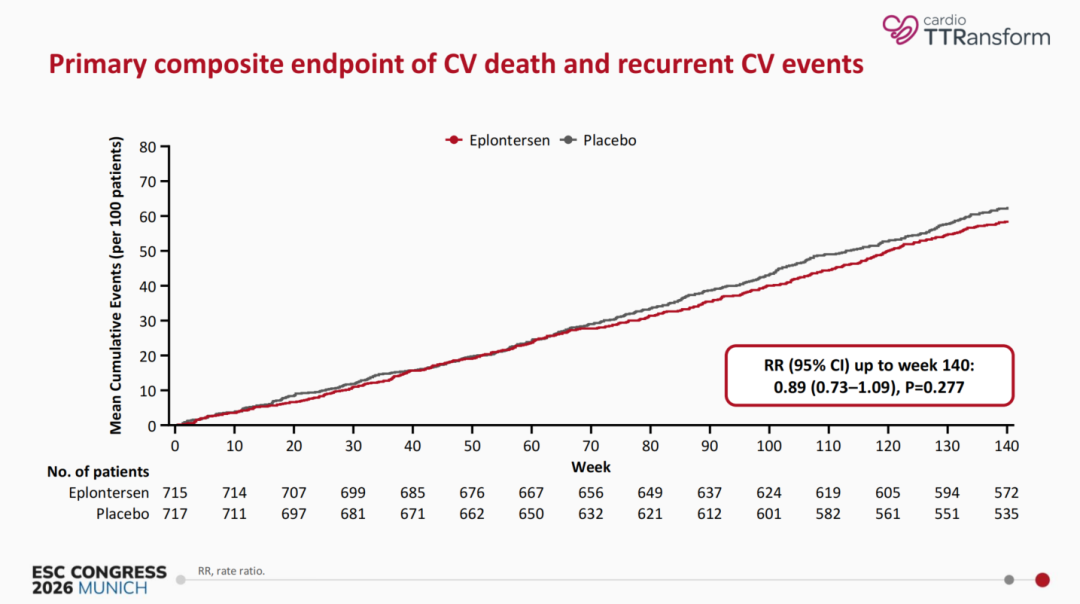 Fig. 3. CARDIO-TTRansform Primary Endpoint Results
Across secondary endpoints, eplontersen showed benefit versus placebo on four measures: change in 6MWT distance, change in KCCQ-OS score, and all-cause mortality at both week 140 and week 160. Improvements in 6MWT and KCCQ-OS suggest that eplontersen may improve exercise capacity and quality of life in ATTR-CM patients.
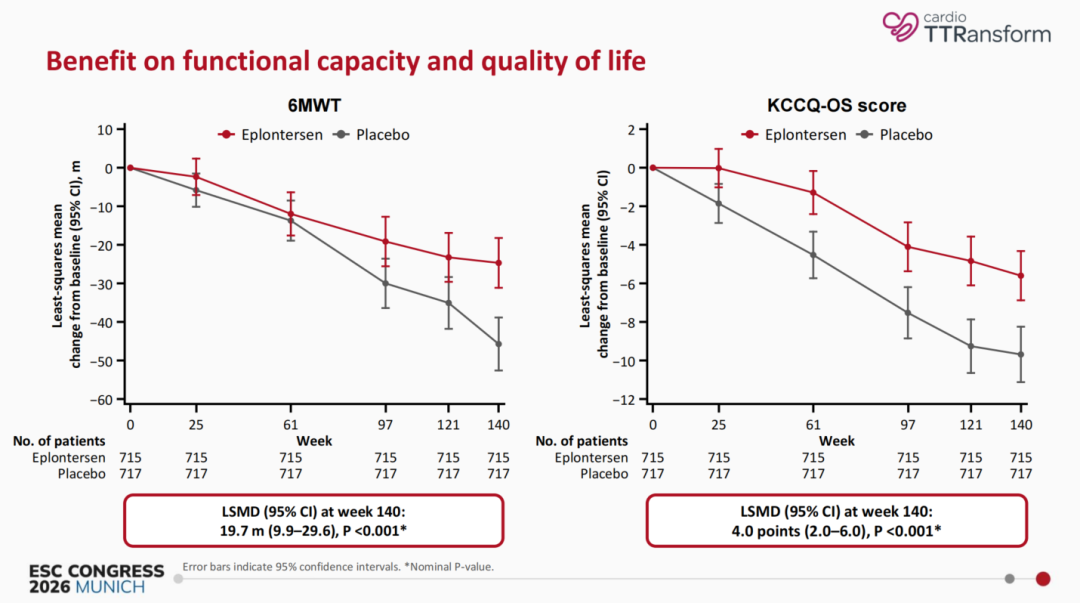 Fig. 4. Eplontersen Improved Exercise Capacity and Quality of Life in ATTR-CM Patients
Serum TTR fell rapidly and durably with eplontersen, reaching a 79.4% reduction versus placebo at week 140 (95% CI -85.3 to -75.3).
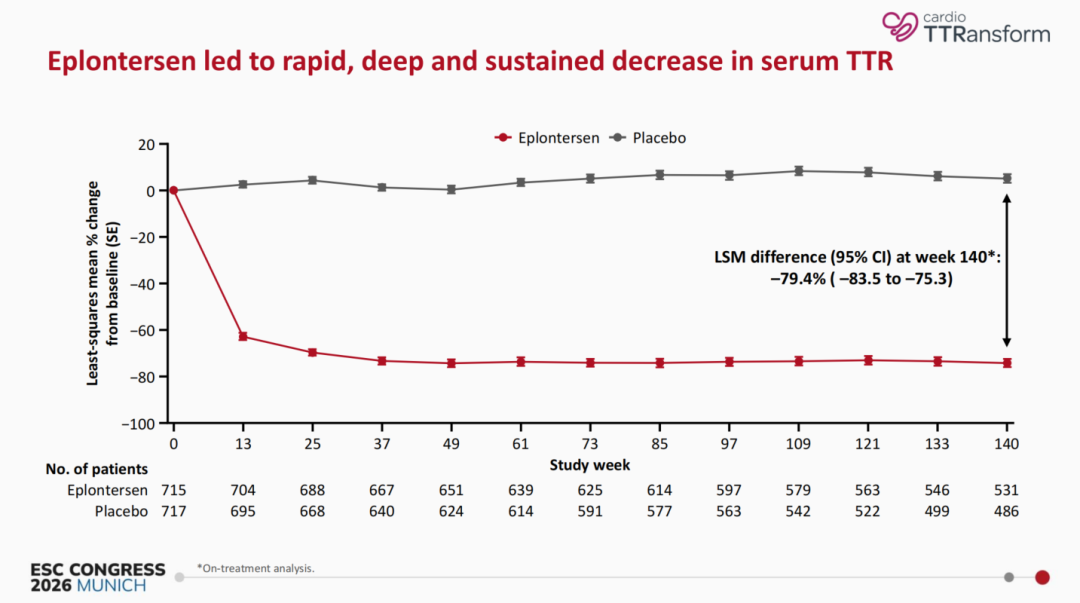 Fig. 5. Serum TTR Changes after Eplontersen Treatment
Eplontersen was generally well tolerated, with no new safety signals identified. Adverse events occurred in nearly all participants, but overall rates of AEs and SAEs did not differ between groups. Adverse events of special interest were uncommon.
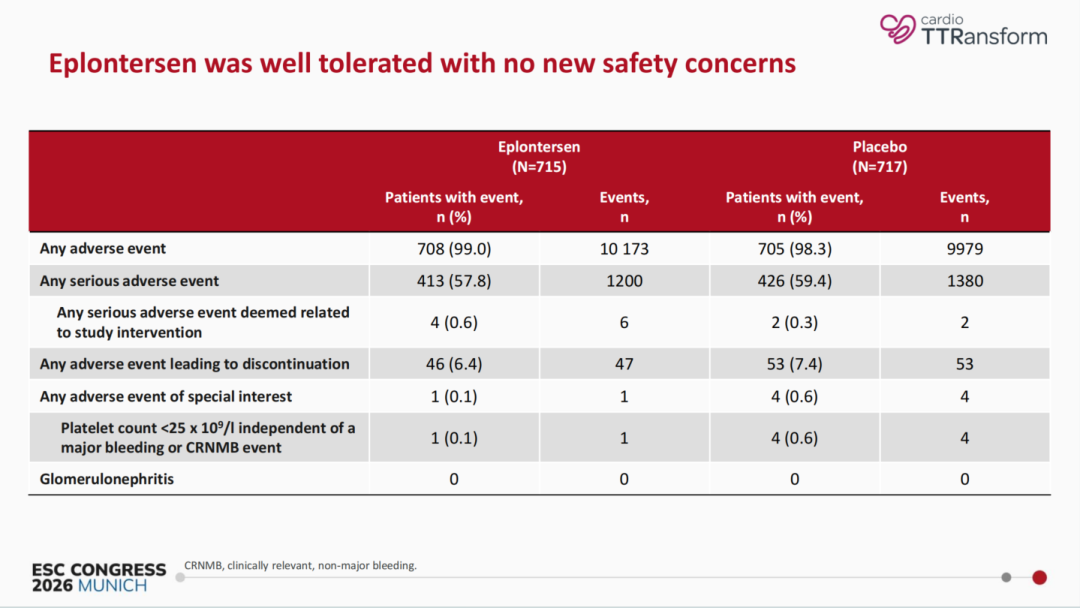 Fig. 6. Safety Comparison Between the Two Groups
The CARDIO-TTRansform pre-specified subgroup analysis presented at ESC 2026 stratified by baseline TTR stabilizer use directly addressed whether adding a gene silencer to a stabilizer provided additional benefit over eplontersen alone.
Among patients not receiving a baseline TTR stabilizer, eplontersen significantly reduced the primary composite endpoint risk by 29% versus placebo (RR 0.71; 95% CI 0.54-0.93; p=0.012). Among patients already on a stabilizer at baseline, no additional benefit was observed (p_interaction=0.017).
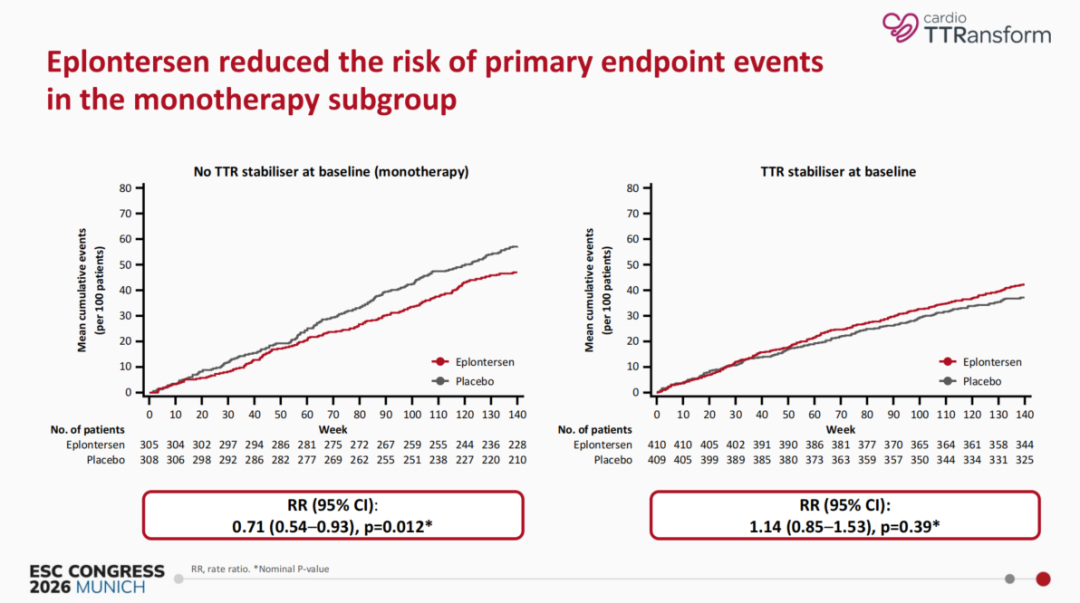 Fig.7. In the Monotherapy Population, Eplontersen Sodium Significantly Reduced the Risk of the Primary Composite Endpoint Compared with Placebo
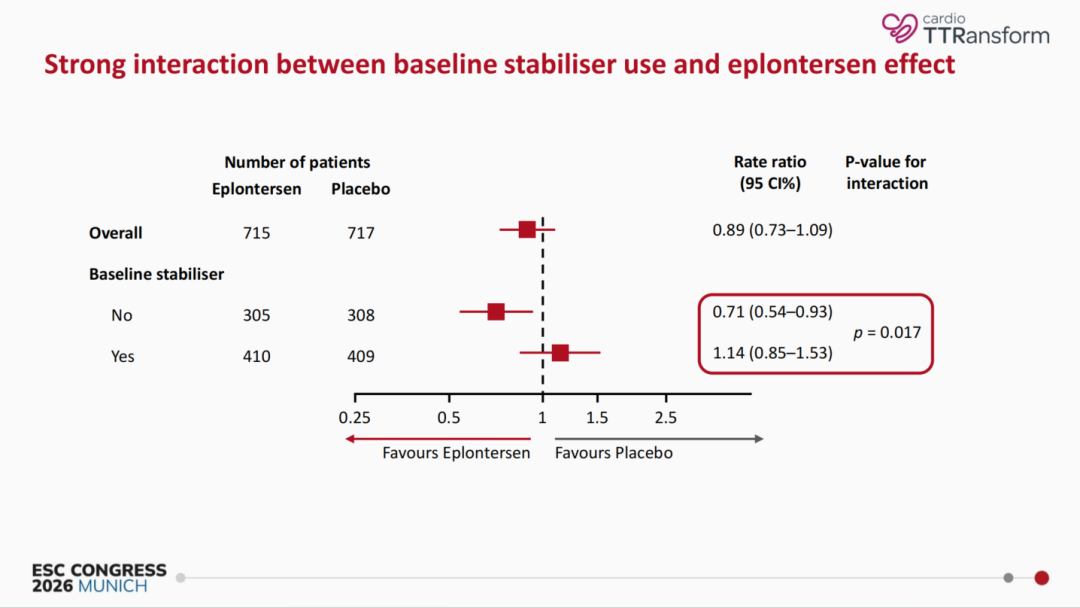 Fig.8. Eplontersen Sodium Monotherapy Significantly Reduced the Risk of the Rrimary Composite Endpoint Compared with Placebo
In secondary endpoints within the monotherapy subgroup, eplontersen increased 6MWT distance by 29.9 m (95% CI 14.3-45.5; p<0.001), improved KCCQ-OS by 7.6 points (95% CI 4.2-11.0; p<0.001), reduced recurrent cardiovascular events by 33% (RR 0.67; 95% CI 0.50-0.90; p=0.008), and significantly attenuated the rise in NT-proBNP (26.3% lower than placebo; 95% CI -34.7 to -16.9; p<0.001). None of these differences reached significance in the subgroup already receiving a baseline stabilizer.
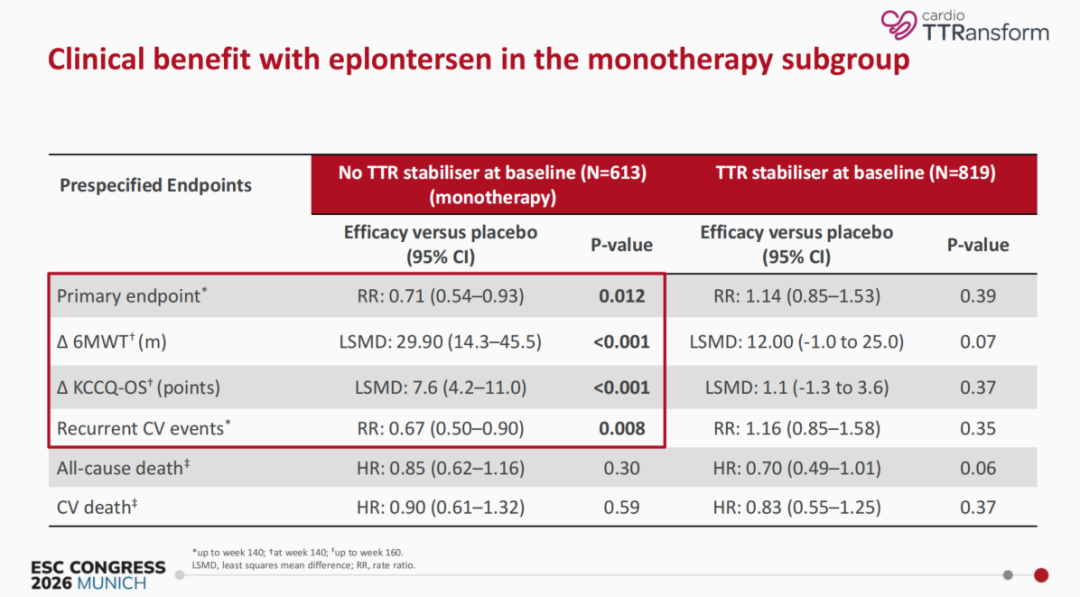 Fig. 9. Secondary Endpoint Results in the CARDIO-TTRansform Pre-specified Subgroup Analysis
Across both subgroups, eplontersen was well tolerated with no new safety signals identified.
The subgroup analysis suggests that in patients not receiving a stabilizer, eplontersen monotherapy delivered a clinically meaningful reduction in the primary composite endpoint, while adding eplontersen to existing stabilizer therapy did not yield additional benefit. This finding implies that, once a stabilizer has already lowered TTR levels, the incremental benefit from gene silencing may be limited.
A complementary subgroup analysis of HELIOS-B, also presented at ESC 2026, addressed the same question from a different angle. In patients not receiving baseline tafamidis, vutrisiran reduced the primary endpoint risk by 33% versus placebo (RR 0.67; 95% CI 0.49-0.93), while in patients on baseline tafamidis the reduction was 21% (RR 0.79; 95% CI 0.51-1.21).
A meta-analysis presented at ESC 2026 pooled data from CARDIO-TTRansform and HELIOS-B, encompassing 2086 patients with ATTR-CM (1902 male; median age 77 years). The pre-specified primary endpoint was the composite of all-cause death and recurrent cardiovascular events; secondary endpoints included all-cause death, cardiovascular death, time to first primary endpoint event, exercise capacity, and health status.
The meta-analysis showed that gene silencer therapy reduced the primary composite endpoint risk by 19% versus placebo (RR 0.81; 95% CI 0.69-0.94; p=0.006), with no between-study heterogeneity (heterogeneity p=0.27). The treatment effect varied by baseline stabilizer use: significant benefit was observed in patients not on a baseline stabilizer (RR 0.69; 95% CI 0.57-0.85), whereas no significant incremental benefit was seen in patients receiving a baseline stabilizer (RR 0.97; 95% CI 0.77-1.23; p_interaction=0.03).
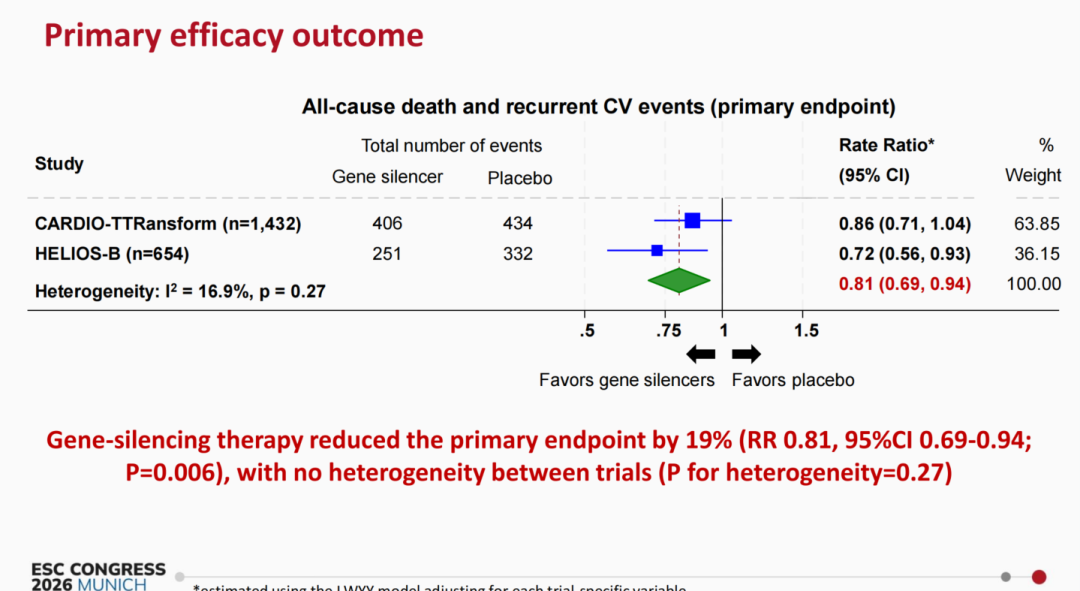 Fig. 10. Gene Silencer Therapy Reduced the Primary Composite Endpoint Risk by 19% Versus Placebo
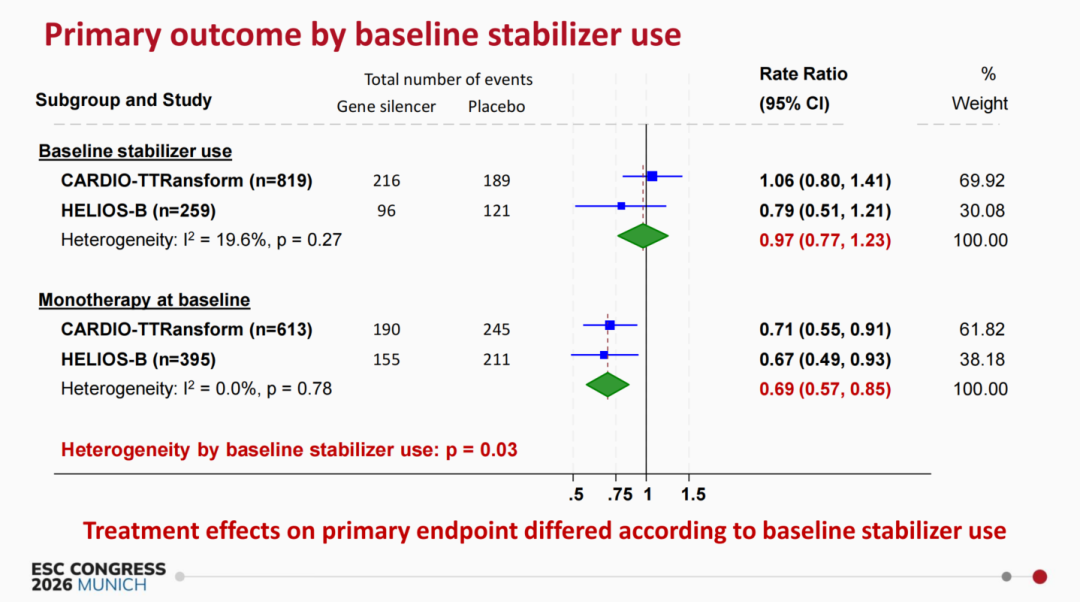 Fig. 11. Treatment Effect on the Primary Endpoint Varied by Baseline TTR Stabilizer Use
Across secondary endpoints, gene silencer therapy reduced all-cause mortality by 26% (HR 0.74; 95% CI 0.61-0.91) and extended time to first all-cause death or cardiovascular event (HR 0.77; 95% CI 0.67-0.89). Benefit magnitude was attenuated in patients receiving a baseline stabilizer.
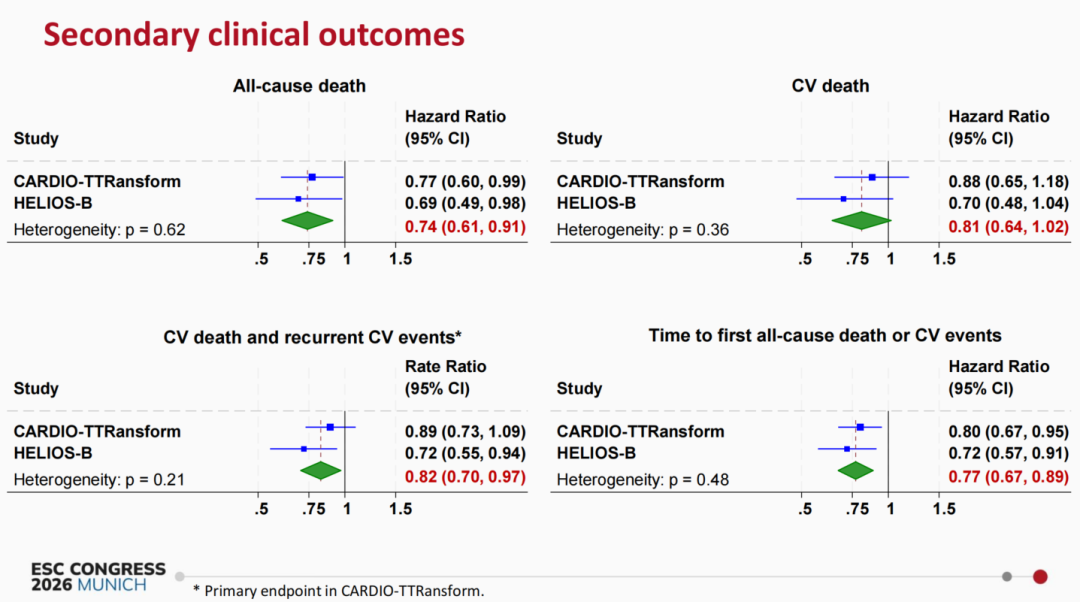 Fig. 12. Meta-analysis Secondary Endpoint Results
Gene silencer therapy also improved functional outcomes: 6MWT distance increased by 22.2 m (95% CI 14.3-30.0) and KCCQ-OS improved by 4.5 points (95% CI 2.7-6.2) versus placebo. Improvements were smaller among patients on a baseline stabilizer.
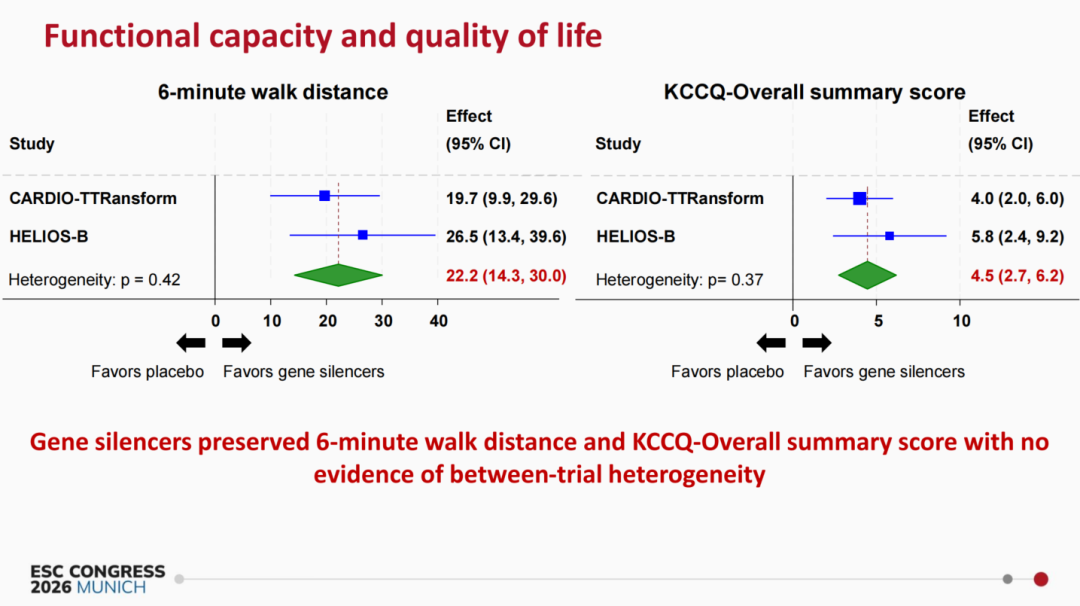 Fig. 13. Gene Silencer Therapy Improved Exercise Capacity and Health Status in ATTR-CM Patients Versus Placebo
In terms of safety, gene silencer therapy was generally well tolerated across both trials, with no increase in serious adverse events or treatment discontinuation.
The meta-analysis indicates that gene silencer therapy provides clear therapeutic value in ATTR-CM, lowering the risk of death and cardiovascular events and improving exercise capacity and health-related quality of life. The benefit is concentrated in patients not on baseline TTR stabilizer therapy; in patients already receiving a stabilizer, no clear incremental benefit was observed.
To interpret these findings, MedJ invited Prof. Zhuang Tian from Peking Union Medical College Hospital to provide expert commentary.
Expert Profile: Prof. Zhuang Tian

- Director and Chief Physician, International Medical Services, Peking Union Medical College Hospital
- Professor of Cardiology and Doctoral Supervisor, Peking Union Medical College Hospital
- Member and Secretary-General, Rare Diseases Branch, Chinese Medical Association
- Member, Heart Failure Group, Cardiovascular Branch, Chinese Medical Association
- Member, Clinical Pharmacology Branch, Chinese Medical Association
- Principal Investigator of multiple national and ministerial-level grants, including projects under the National Key R&D Program and national major science and technology projects on four major chronic diseases
- Project lead in building multiple national rare disease platforms
- First or corresponding author on more than 30 SCI papers in journals such as JAMA Cardiology, Signal Transduction and Targeted Therapy (STTT), Journal of Experimental Medicine (JEM), and Journal of the American Heart Association (JAHA) over the past five years
- Recipient of the First Prize of the Beijing Science and Technology Progress Award and the First Prize of the Beijing Medical Science and Technology Award as a principal contributor
- Lead author of 7 guidelines and expert consensus documents, including the Chinese Guidelines for the Diagnosis and Treatment of Heart Failure
- Corresponding Editor, Chinese Journal of Cardiovascular Disease and other journals
Expert Review
Although CARDIO-TTRansform did not meet its primary composite endpoint of cardiovascular death and recurrent cardiovascular events at week 140 in the overall population, this should not be characterized as a “failed” study. Rather, it is a high-quality and informative phase 3 study conducted against a contemporary real-world ATTR-CM treatment background. Interpreting its results requires accounting for an evolving standard of care: baseline TTR stabilizer use was high, and 174 patients in each group who were not on a stabilizer at baseline initiated one during the trial. At the same time, evidence-based heart-failure management has continued to improve, with growing use of sodium-glucose cotransporter 2 (SGLT2) inhibitors and mineralocorticoid receptor antagonists (MRAs) likely reducing residual risk in the enrolled population. In addition, the trial enrolled patients across the full ATTR-CM disease spectrum, including advanced cases with NT-proBNP >8500 pg/mL or 6MWT <150 m, in whom amyloid-reducing therapy may have limited clinical benefit. This is consistent with National Amyloidosis Centre (NAC) late-stage subgroup findings, while NAC stage 1 patients (NT-proBNP ≤3000 pg/mL, eGFR ≥45 mL/min/1.73 m²) showed clearer benefit. Differences in baseline stabilizer use, disease stage, and background therapy may therefore have influenced the overall trial outcome.
The pre-specified subgroup analysis clearly revealed heterogeneity in treatment effect by baseline stabilizer status. Among patients not receiving a stabilizer, eplontersen monotherapy delivered clinically meaningful and consistent benefit, reducing the primary composite endpoint and improving 6MWT distance and KCCQ-OS score. Combined with the HELIOS-B subgroup analysis and the meta-analysis, the current evidence suggests that gene silencer monotherapy may provide clearer clinical benefit in patients not on a TTR stabilizer at baseline, while no consistent incremental benefit has been demonstrated in patients already on stabilizer therapy. This does not necessarily refute combination strategies, but indicates that current evidence does not yet support a “combination is better than monotherapy”conclusion. Given limited subgroup sample sizes and differences in eligibility criteria and background therapy across studies, additional prospective, specifically designed studies are needed to define the optimal population and timing for combination therapy.
In summary, the four ESC 2026 presentations further support gene silencer therapy as effective in ATTR-CM, reducing the risk of death and cardiovascular events and improving exercise capacity and quality of life. In both CARDIO-TTRansform and HELIOS-B, patients receiving gene silencer monotherapy showed significant and comparable benefit. How to sequence these agents in clinical practice will become an important question for individualized decision-making. Meanwhile, ongoing studies of next-generation gene silencing and gene-editing therapies will clarify whether deeper, more durable TTR suppression can deliver incremental clinical benefit beyond stabilizer therapy.
References
[1] Heart Failure Group, Cardiovascular Disease Branch, Chinese Medical Association; Editorial Board of Chinese Journal of Cardiology. Chinese Expert Consensus on the Diagnosis and Treatment of Transthyretin Cardiac Amyloidosis. Chin J Cardiol. 2021;49(4):324-332.
[2] ATTR-ACT Study Investigators. Tafamidis Treatment for Patients with Transthyretin Amyloid Cardiomyopathy. N Engl J Med. 2018 Sep 13;379(11):1007-1016.
[3] Fontana M, Berk JL, Drachman B, et al. Changing Treatment Landscape in Transthyretin Cardiac Amyloidosis. Circ Heart Fail. 2025 Aug;18(8):e012112.
[4] CARDIO-TTRansform: Efficacy and Safety of Eplontersen in Patients with Transthyretin Amyloid Cardiomyopathy. ESC 2026.
[5] CARDIO-TTRansform Investigators. Eplontersen for Transthyretin Amyloid Cardiomyopathy. N Engl J Med. 2026 Aug 28.
[6] Efficacy and Safety of Transthyretin Gene Silencer Eplontersen in Patients with Transthyretin Amyloid Cardiomyopathy Receiving Stabiliser Therapy in the CARDIO-TTRansform Trial. ESC 2026.
[7] Effect of Vutrisiran According to Baseline Tafamidis Use in Transthyretin Amyloidosis with Cardiomyopathy. ESC 2026.
[8] Hamatani Y, Claggett BL, Cuddy SAM, et al. Effect of Vutrisiran According to Baseline Tafamidis Use in Transthyretin Amyloidosis With Cardiomyopathy: Insights From HELIOS-B. J Am Coll Cardiol. 2026 Aug 30:S0735-1097(26)07208-6.
[9] A Meta-Analysis of Gene Silencer Therapy in ATTR-CM. ESC 2026.
[10] Gillmore JD, Hamatani Y, Fontana M, et al. Gene Silencer Therapy in Transthyretin Amyloid Cardiomyopathy: A Meta-Analysis of Outcomes Trials. JAMA. 2026 Aug 30.

