


Article Key Points
- A 20-year longitudinal analysis of 2,644 CARDIA participants aged 19-30 at baseline showed that adults with elevated uric acid in young adulthood who returned to normal by middle age had approximately 51% lower midlife hypertension risk than those with persistently elevated uric acid (RR 0.49, 95% CI 0.33-0.71), while persistently elevated uric acid was associated with the highest midlife hypertension risk (RR 3.0, 95% CI 2.43-3.7).
- A 14-year follow-up of 514 participants from the Baoji Salt-Sensitive Study (2004 enrollment), including 333 with sequential dietary intervention, linked GRK4 SNPs to salt-sensitive systolic blood pressure responses and incident hypertension.
- Among the GRK4 SNPs evaluated, rs3796468 affected systolic blood pressure responses across low-salt, high-salt, and high-salt-plus-potassium diets; rs1801058 independently predicted incident hypertension.
- Both studies are conference-presented at ESC 2026 and are observational; the uric acid trajectory findings cannot establish causality, and the GRK4 dietary-intervention subgroup is limited in sample size (333).
As the European summer faded and the autumn academic season began, the European Society of Cardiology (ESC) Congress 2026 was held in Munich, Germany, with hypertension prevention and treatment remaining one of the central topics. Among numerous late-breaking science presentations, two studies from Chinese teams drew particular attention: a longitudinal cohort of 2,644 participants followed for 20 years revealed the dynamic association between serum uric acid trajectories and midlife hypertension risk, and a 14-year follow-up anchored on the Baoji Salt-Sensitive Study systematically mapped the associations among GRK4 gene polymorphisms, salt-sensitive blood pressure responses, and incident hypertension. From the two dimensions of “modifiable metabolic exposure” and “inherent genetic susceptibility,” the two studies provide new evidence for the precise prevention and individualized management of hypertension.
Uric Acid Reversal: A 20-Year Follow-up Reveals a Potentially Reversible Blood Pressure Risk Signal
Hyperuricemia has long been considered a potential risk factor for hypertension, but whether long-term changes in serum uric acid levels affect hypertension risk has remained unclear. A research team from Tongji Hospital Affiliated to Tongji University used 20-year longitudinal follow-up data from the U.S. CARDIA study and enrolled 2,644 participants aged 19-30 years at baseline without hypertension. Serum uric acid was measured in both young adulthood and middle age, with ≥6 mg/dL defined as elevated, and participants were stratified into four groups accordingly. Although this observational study cannot directly infer causality, the long follow-up interval and well-defined grouping criteria provide important epidemiologic evidence for the dynamic association between serum uric acid trajectories and hypertension risk.
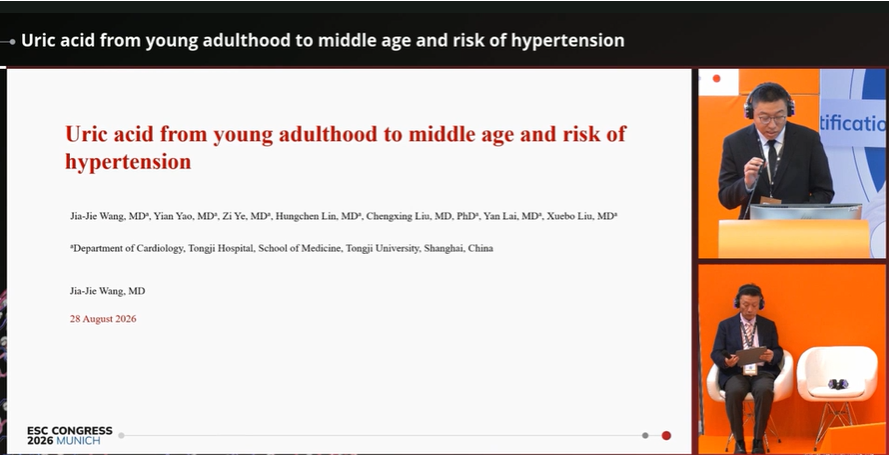 Fig. 1. Speaker Slide From the Live Presentation
The results were striking (Fig. 2, Fig. 3): compared with participants with normal serum uric acid in both young adulthood and middle age, those with normal uric acid in young adulthood but elevated levels in middle age had a relative risk of midlife hypertension of 2.32 (95% CI 1.93-2.79); participants with elevated uric acid in both periods had an even higher risk of 3.0 (95% CI 2.43-3.7). In contrast, participants whose uric acid was elevated in young adulthood but returned to normal in middle age showed no significant difference in midlife hypertension risk compared with those whose levels were normal in both periods (p=0.056). Compared with participants with elevated uric acid in both periods, this “reversal” group showed an approximately 51% lower risk of midlife hypertension (RR 0.49, 95% CI 0.33-0.71).
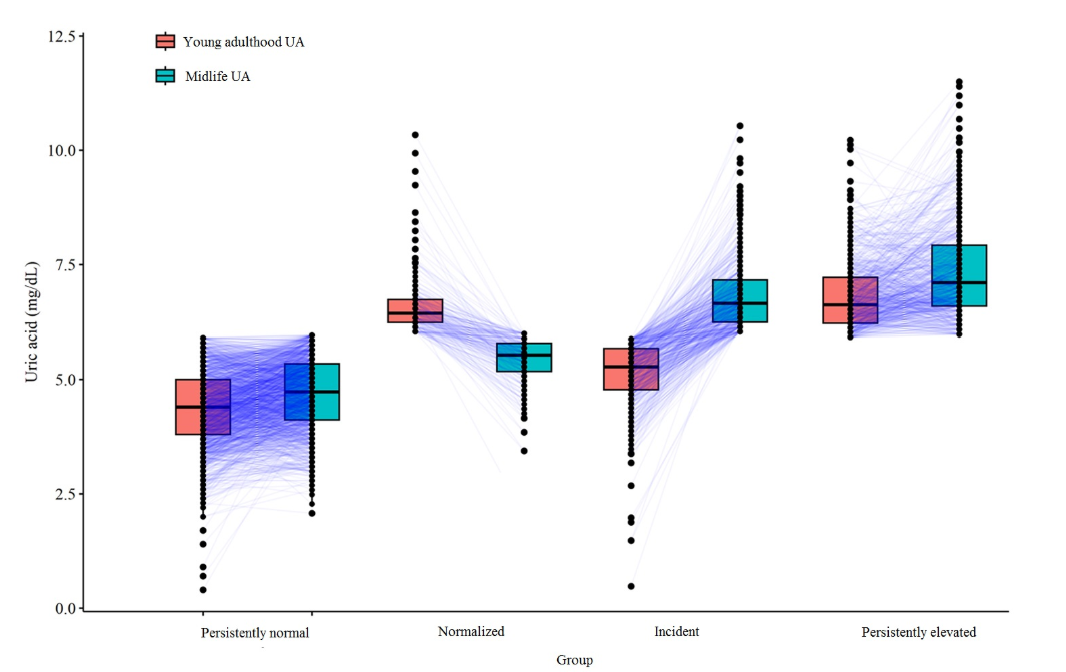 Fig. 2. Association Between Serum Uric Acid Trajectory From Young Adulthood to Middle Age and Midlife Hypertension Risk
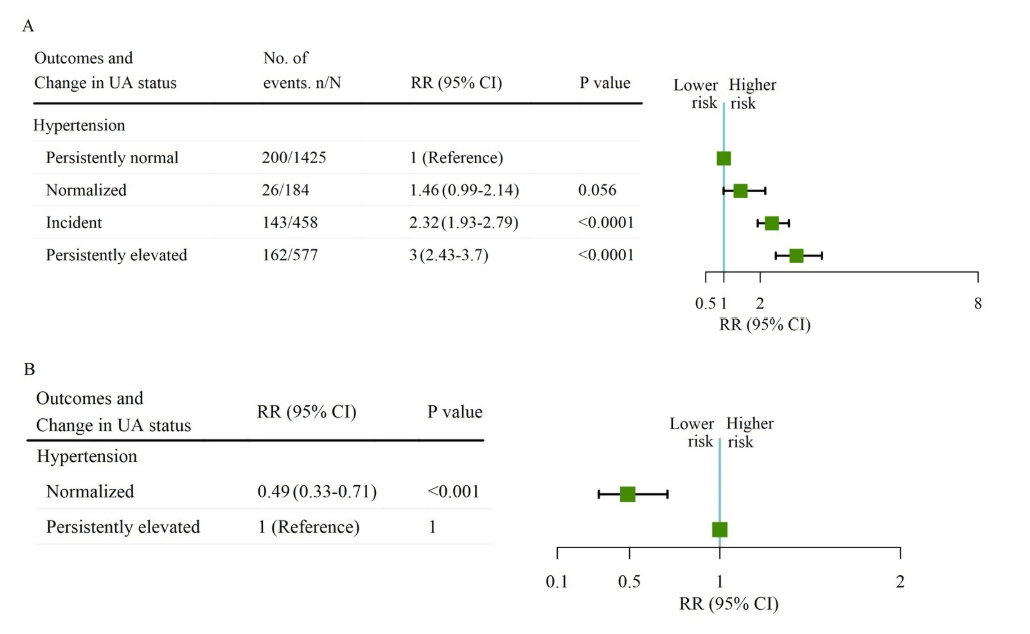 Fig. 3. Comparison of Relative Hypertension Risk Across Different Uric Acid Trajectory Groups
These findings suggest that the adverse effect of high uric acid on blood pressure may not be irreversible. If elevated uric acid is identified in young adulthood and timely intervention restores it to normal before middle age, the long-term risk of hypertension may be effectively mitigated. This conclusion provides strong epidemiologic evidence for an “early screening, timely intervention” primary prevention strategy for hypertension, and suggests that clinicians should pay greater attention to uric acid management in young adults.
GRK4 Polymorphisms: The Genetic Code of Salt-Sensitive Hypertension
In contrast to the uric acid study, which addressed “modifiable metabolic exposure,” the genetic study focused on the inherited susceptibility to hypertension. G protein-coupled receptor kinase 4 (GRK4) plays a key role in the pathogenesis of salt-sensitive hypertension and essential hypertension by impairing renal sodium excretion and enhancing tubular reabsorption.
A research team from the First Affiliated Hospital of Xi’an Jiaotong University analyzed 514 baseline participants (enrolled in 2004) from the Baoji Salt-Sensitive Study and followed the cohort for 14 years to evaluate long-term blood pressure trends and incident hypertension. Among them, 333 participants also completed a strict sequential dietary intervention: 3 days of habitual diet, 7 days of low-salt diet, 7 days of high-salt diet, and 7 days of high-salt diet combined with potassium supplementation. This design retains the longitudinal tracking advantage of a cohort study while using standardized salt-loading intervention, providing a unique platform for exploring the interaction between genetic variation and environmental factors (sodium intake).
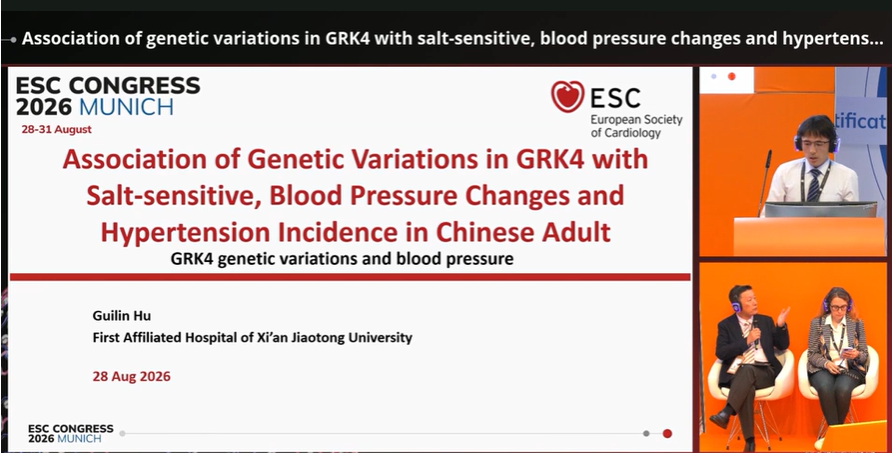 Fig. 4. On-Site Presentation Slide
The study systematically screened multiple single-nucleotide polymorphism (SNP) sites in the GRK4 gene, and the results showed a clear pattern of “functional specialization”: rs3796468 was significantly associated with systolic blood pressure (SBP) responses to low-salt, high-salt, and high-salt-plus-potassium diets; rs3733219 was specifically associated with the SBP response to low-salt diet; in longitudinal follow-up, rs10021191, rs1419043, and rs3733219 were associated with 8-year SBP changes, while rs2471351 and rs1801058 were associated with 14-year SBP changes; notably, rs1801058 independently predicted incident hypertension.
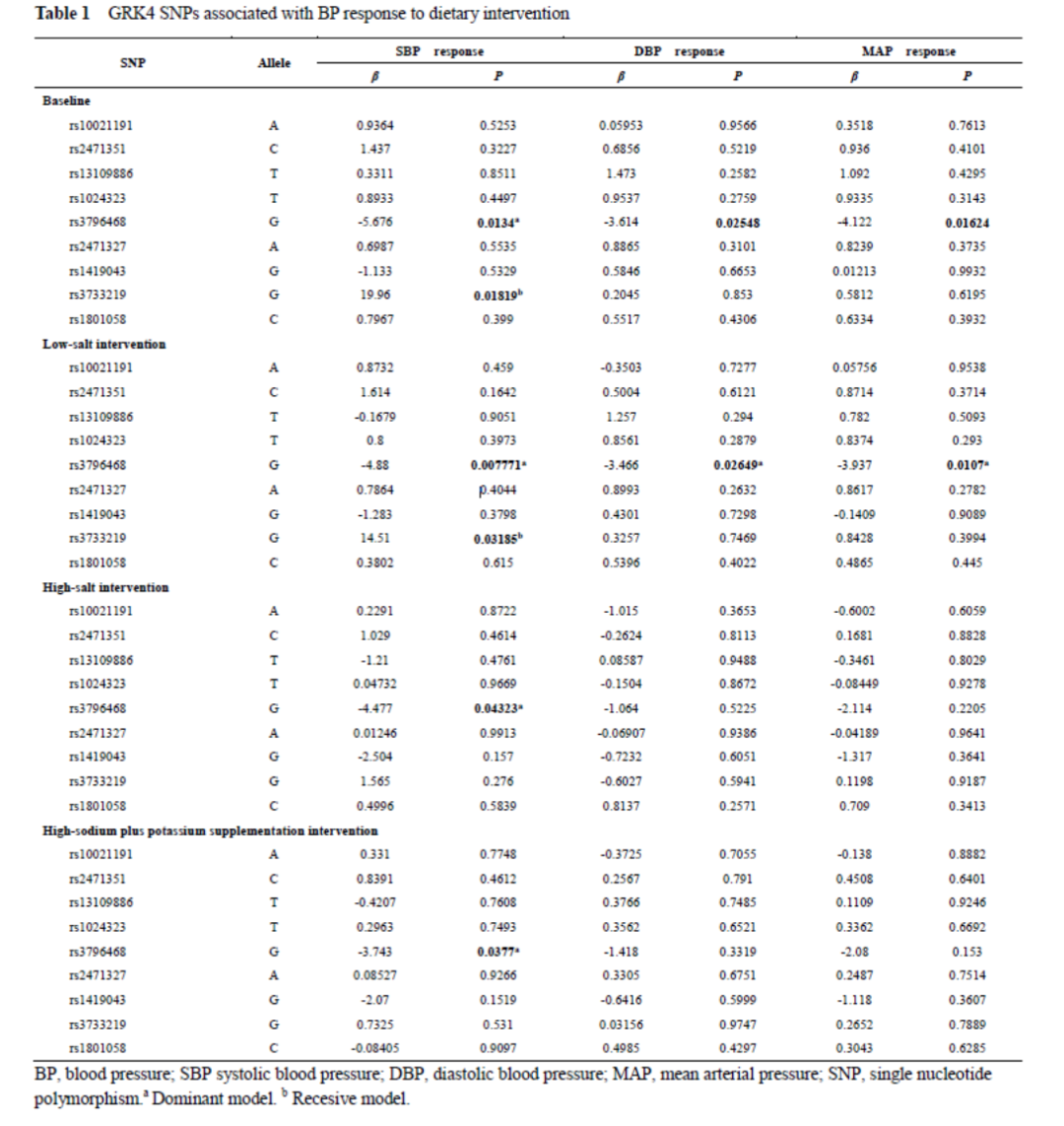 Fig. 5. Association of GRK4 Polymorphisms With SBP Response Under Different Salt-Loading Conditions
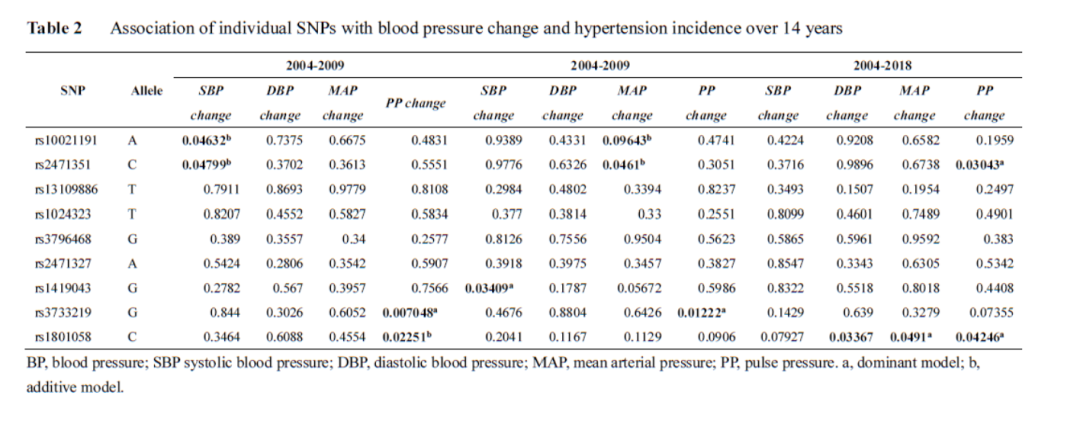 Fig. 6. Association of GRK4 Polymorphisms With 8-Year and 14-Year SBP Changes
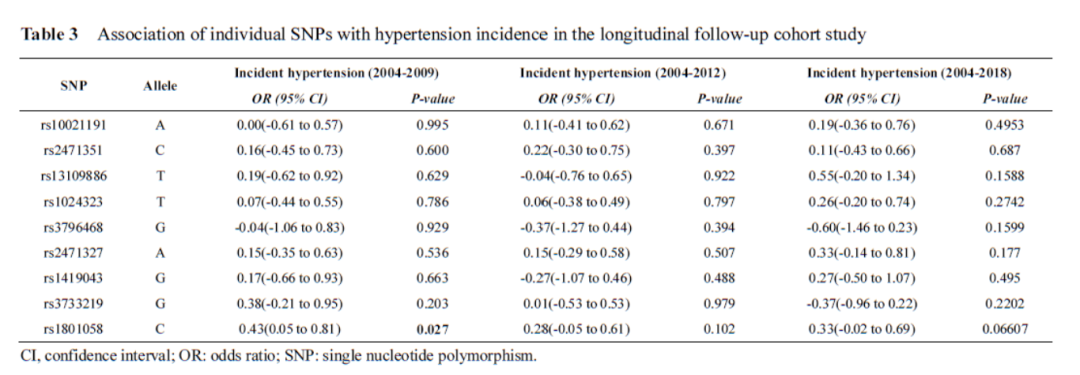 Fig. 7. Association of the rs1801058 Polymorphism With Hypertension Risk
These findings offer an initial view of the potential value of GRK4 polymorphisms in stratifying blood pressure salt sensitivity. Different GRK4 variants showed markedly different blood pressure responses to salt loading, suggesting that future genotyping may help inform individualized salt-intake recommendations. Individuals carrying specific risk genotypes may derive greater blood pressure benefit from strict salt restriction, although this hypothesis still requires prospective intervention studies for confirmation.
Conclusion
The two studies, from the complementary dimensions of “dynamic changes in exposure” and “stable genetic influences,” offer new observational insights into hypertension risk stratification and individualized management.
The uric acid study suggests that the impact of elevated uric acid in young adulthood on midlife blood pressure may not be irreversible. If uric acid is restored to normal before middle age, hypertension risk may return to a level comparable to that of individuals with persistently normal levels. This finding suggests that, in health management for young adults, the value of uric acid screening may extend beyond gout prevention and may become an early entry point for primary prevention of hypertension. The GRK4 study further reveals a quantifiable genetic basis for salt sensitivity, indicating that genotyping may one day help guide individualized salt restriction strategies, although more evidence is needed before clinical application.
Of course, both studies should be interpreted within their design framework. The uric acid study was observational and cannot directly establish causality; intervention studies are needed for confirmation. The dietary-intervention subgroup in the GRK4 study was relatively limited in sample size (333), and broader generalizability will require larger, multicenter cohorts. Nonetheless, these two studies from China provide valuable population data for the precise prevention and control of hypertension and point the way for future research.
References
[1] Wang JJ, Yao YA, Wu MY, et al. Uric acid from young adulthood to middle age and risk of hypertension. Presented at: ESC Congress 2026.
[2] Hu G, Wang Y, Niu Z, et al. Association of genetic variations in GRK4 with salt-sensitive, blood pressure changes and hypertension incidence in Chinese adult. Presented at: ESC Congress 2026.

