


Long-term 52-week efficacy and safety data from the BaxHTN phase 3 trial of baxdrostat were presented during a Late-Breaking Science session at the European Society of Cardiology (ESC) Congress 2026, providing further evidence on the role of this selective aldosterone synthase inhibitor in patients with uncontrolled (uHTN) or resistant (rHTN) hypertension. Findings are from a conference-presented analysis; full publication is pending.
Despite the availability of multiple antihypertensive drug classes, uncontrolled hypertension remains a major global cardiovascular health challenge. Recent Chinese data report an overall hypertension control rate of 12.9%, with control achieved in only 33% of patients receiving antihypertensive medications, underscoring substantial unmet clinical need.
Excessive aldosterone activation has been identified as a key driver of persistently elevated blood pressure. As an effector molecule of the renin-angiotensin-aldosterone system (RAAS), aldosterone promotes sodium reabsorption in the distal renal tubule, contributing to volume expansion and blood pressure elevation, and may also mediate blood pressure-independent target organ damage that further raises cardiovascular and cerebrovascular risk. These findings have positioned aldosterone-pathway modulation as an active area of investigation in hypertension management.
Baxdrostat is a novel, highly selective aldosterone synthase inhibitor designed to lower blood pressure by suppressing aldosterone biosynthesis and reducing circulating aldosterone levels. The 12-week results of BaxHTN previously demonstrated significant blood pressure reductions with baxdrostat. The newly presented 52-week analysis extends these findings by examining longer-term efficacy, durability of response, and safety in a chronic-disease setting.
Article Key Points
- BaxHTN is a phase 3 trial evaluating baxdrostat, a selective aldosterone synthase inhibitor, in adults with uncontrolled or resistant hypertension on existing antihypertensive therapy.
- At week 52, baxdrostat reduced seated systolic blood pressure (sSBP) by 12.6 mmHg versus placebo/standard of care (95% CI -16.7 to -8.5; p<0.0001).
- 54.2% of baxdrostat-treated patients reached sSBP <130 mmHg at week 52 versus 23.8% in the control arm (p<0.0001), with consistent benefit across uHTN and rHTN subgroups.
- Serum aldosterone fell by approximately 73.5% from baseline at week 32 with baxdrostat, compared with a 4.8% rise in controls; the aldosterone-renin ratio approached 100% reduction by week 32.
- The 52-week safety profile was consistent with earlier analyses, with no new safety signals; the most common adverse events were hyperkalemia, hypotension, and hyponatremia.
The 52-week analysis focused on participants who received baxdrostat or placebo/standard of care throughout the 0- to 52-week period. Participants who switched from baxdrostat 1 mg to standard care at week 12, from placebo to baxdrostat 2 mg at week 12, and from baxdrostat 2 mg to placebo at week 24 were excluded from this long-term comparison. During the open-label phase, investigators could adjust background antihypertensive therapy based on clinical judgment; mineralocorticoid receptor antagonists (MRAs) or potassium-sparing diuretics were permitted only in the standard-of-care group.
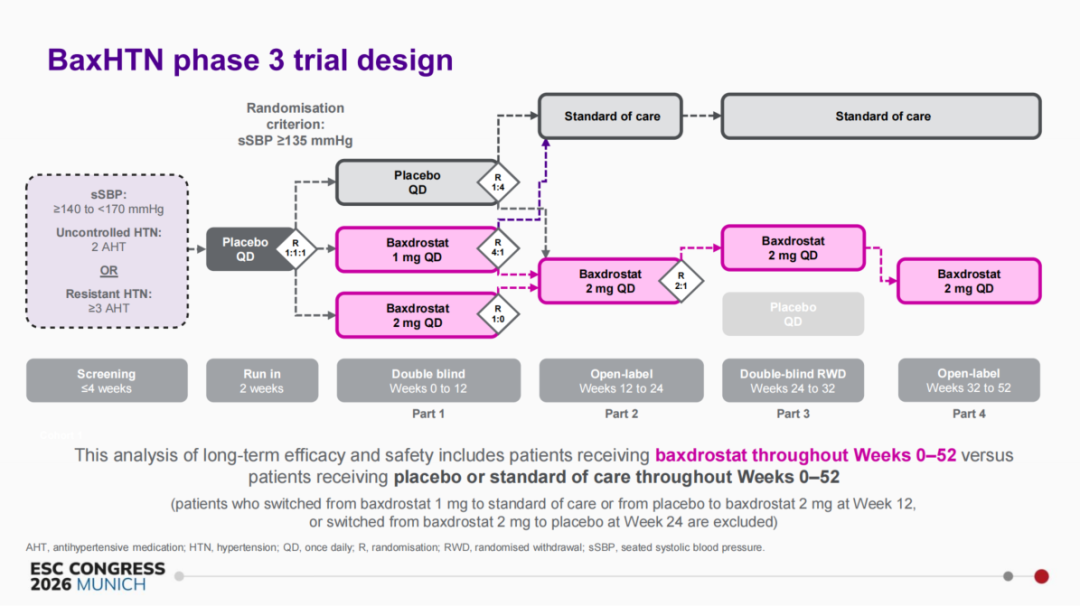 Fig. 1. BaxHTN Study Design
A total of 315 patients were included in the long-term analysis: 192 in the baxdrostat group (138 completed 52 weeks of treatment) and 123 in the placebo/standard-of-care group (106 completed 52 weeks). Baseline characteristics were generally balanced between groups and consistent with the overall BaxHTN population.
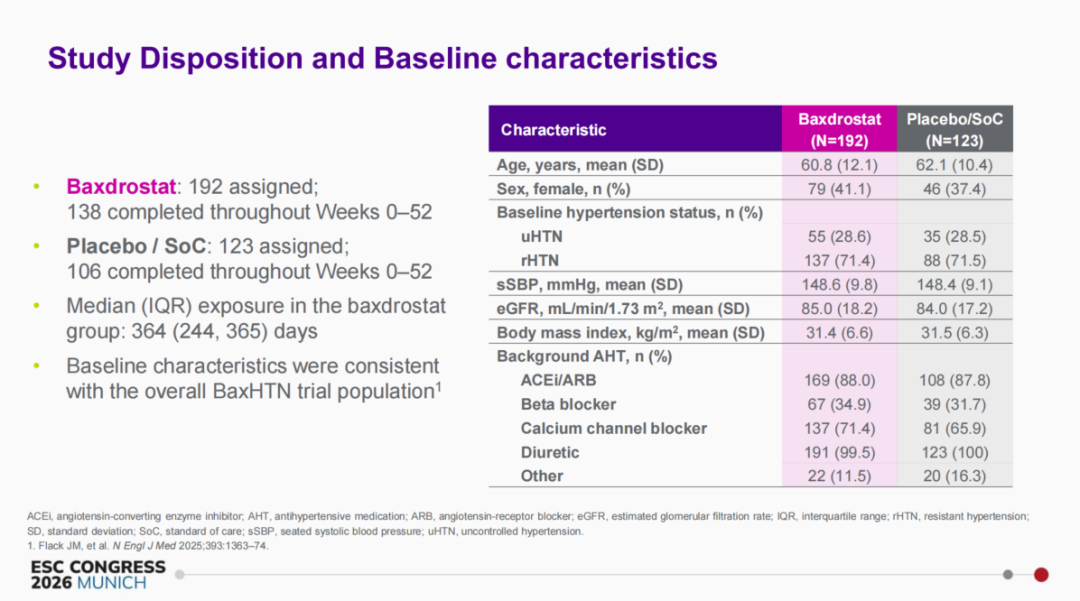 Fig. 2. Baseline Characteristics of the Two Groups in the BaxHTN Long-Term Analysis
Blood pressure began to fall in the baxdrostat group by week 4 and continued to decline through week 52. At week 52, mean seated systolic BP had decreased by approximately 20 mmHg from baseline in the baxdrostat group, and was 12.6 mmHg lower than in the placebo/standard-of-care group (95% CI -16.7 to -8.5; p<0.0001).
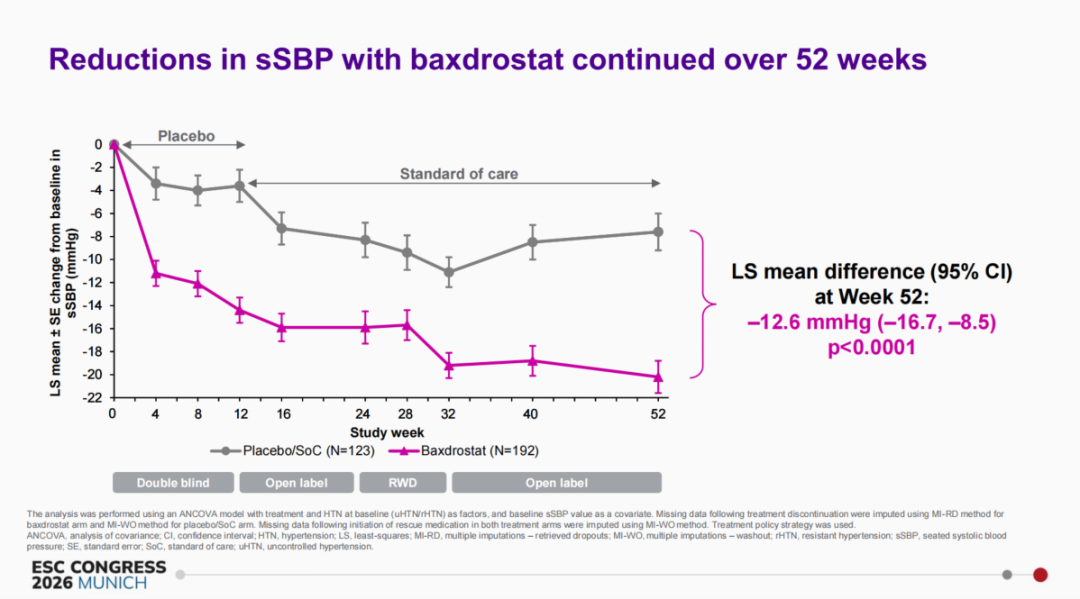 Fig. 3. Changes in Seated Systolic BP from Baseline to Week 52 by Group
The proportion of patients reaching sSBP <130 mmHg at week 52 was 54.2% in the baxdrostat group versus 23.8% in the placebo/standard-of-care group (p<0.0001). In subgroup analyses, response rates were 61.8% versus 34.3% (p=0.0168) in patients with uncontrolled hypertension and 51.1% versus 19.5% (p<0.0001) in patients with resistant hypertension.
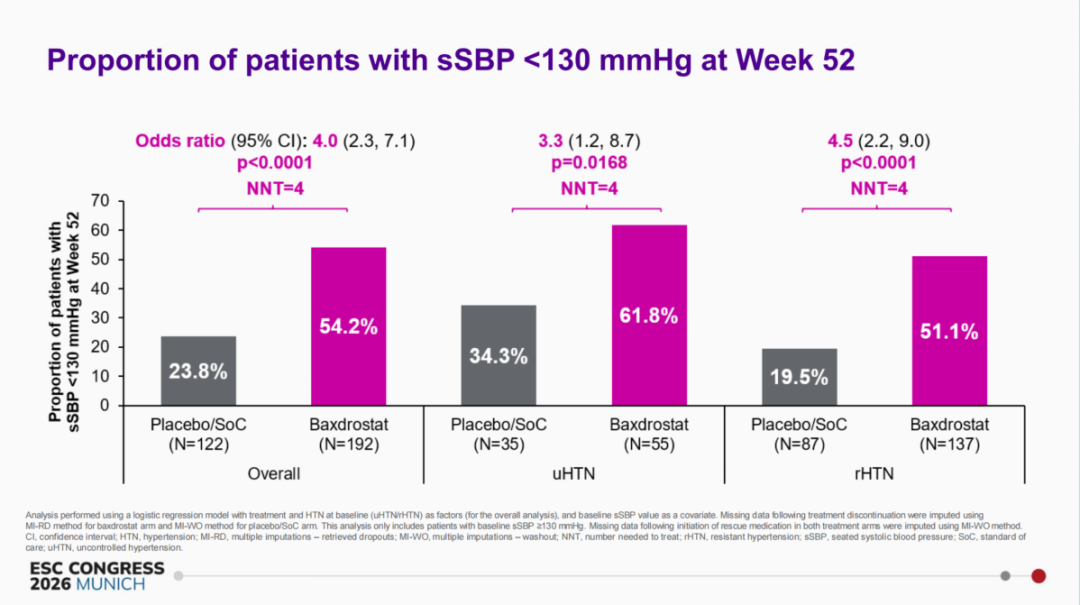 Fig. 4. Proportion of Patients Reaching sSBP <130 mmHg at Week 52 by Group
Serum aldosterone levels were suppressed with baxdrostat throughout follow-up, decreasing by approximately 73.5% from baseline at week 32, compared with a 4.8% increase in the placebo/standard-of-care arm. A compensatory rise in plasma renin activity (PRA) was observed, and the aldosterone-renin ratio (ARR) fell by nearly 80% at week 4 and approached 100% reduction by week 32.
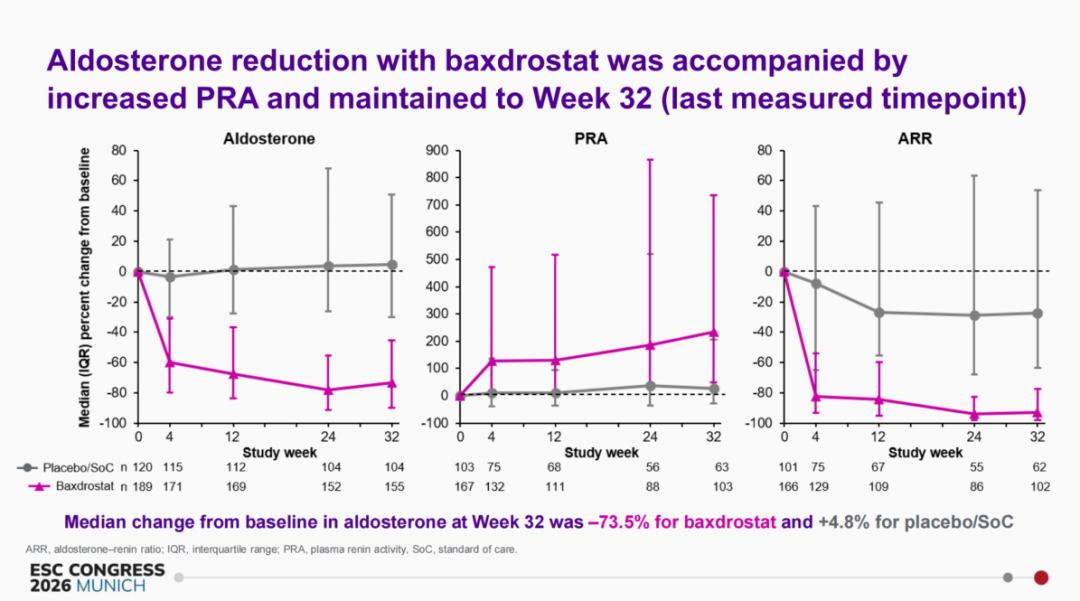 Fig. 5. Changes in Serum Aldosterone, PRA, and ARR From Baseline to week 32 by Group
In terms of safety, the 52-week profile was consistent with the 12-week double-blind phase, with no new safety signals identified. Serious adverse events occurred in 23 patients (12%) in the baxdrostat group and 9 patients (7.3%) in the placebo/standard-of-care group. The most common adverse events were hyperkalemia, hypotension, and hyponatremia. Serum potassium elevations with baxdrostat were concentrated in the first 2 weeks of treatment and then stabilized through week 52, with a mean increase of approximately 0.5 mmol/L from baseline at week 52. Estimated glomerular filtration rate (eGFR) showed a small early decline within the first 2 weeks of baxdrostat treatment and remained stable thereafter.
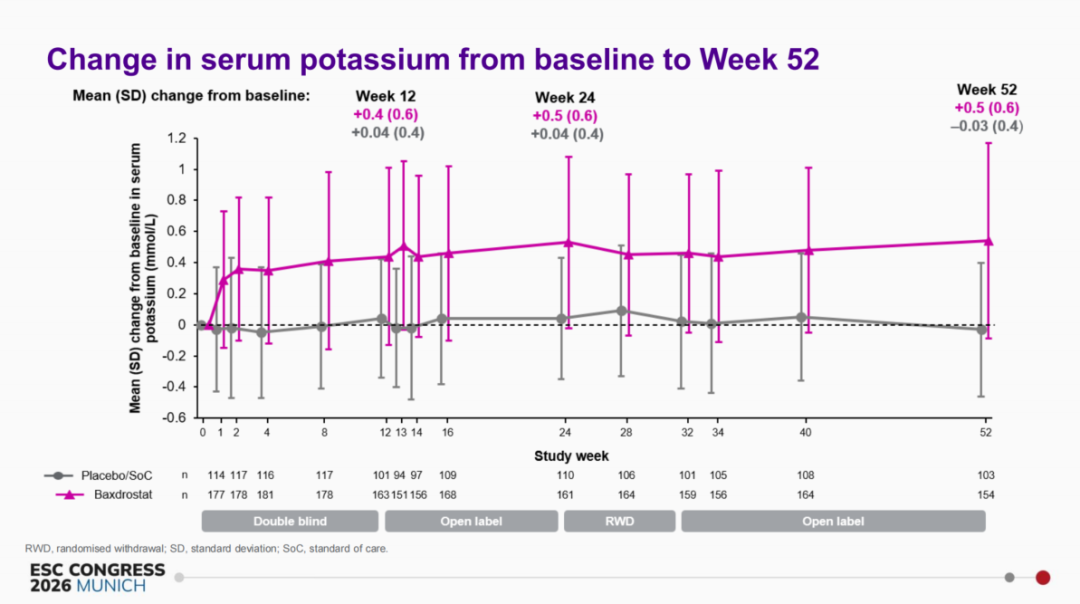 Fig. 6. Changes in Serum Potassium from Baseline to Week 52 by Group
Current strategies targeting the aldosterone pathway include renin-angiotensin system inhibitors (RASi) and mineralocorticoid receptor antagonists (MRAs). RASi, a first-line option in hypertension, indirectly reduce aldosterone release by inhibiting angiotensin II generation or receptor signaling. However, long-term RASi use is frequently associated with “aldosterone escape,” in which aldosterone levels gradually return to or exceed baseline over time, attenuating target-organ protection.
MRAs directly block aldosterone binding to the mineralocorticoid receptor but are limited in clinical practice by concerns about hyperkalemia, endocrine-related adverse events, and tolerability. Because MRAs act at the receptor level rather than reducing aldosterone production, they may be less effective against non-genomic effects and other non-MR-mediated injury driven by elevated aldosterone.
As a highly selective aldosterone synthase inhibitor, baxdrostat acts upstream by directly inhibiting aldosterone synthesis and lowering circulating aldosterone levels. This “upstream inhibition” approach may offer more precise modulation of aldosterone pathway activation and may help avoid the impact of aldosterone escape on long-term efficacy.
The clinical evidence base for baxdrostat has been building progressively. The phase 2 BrigHTN trial and the 12-week results of BaxHTN previously established short-term efficacy, and the 52-week data presented at ESC 2026 add an important piece of long-term management evidence, extending the evidence base from short-term efficacy to sustained long-term benefit with a manageable safety profile. These long-term findings further support baxdrostat’s clinical credibility for chronic use and may help inform its broader clinical application. Baxdrostat has been approved in the United States and the United Arab Emirates, and regulatory submissions in additional regions, including China, are reported to be progressing.
In summary, the 52-week results of the BaxHTN trial extend the evidence base for baxdrostat in patients with uncontrolled and resistant hypertension, supporting sustained, clinically meaningful blood pressure reduction and a safety profile consistent with prior analyses. These data provide additional support for upstream aldosterone-pathway inhibition as a treatment strategy, while the findings remain conference-presented and await full peer-reviewed publication.
References:
[1] Summary of the 2024 Report on Cardiovascular Health and Diseases in China [J]. Chinese Circulation Journal, 2025, 40(6): 521-559.
[2] Fioretti F, Testani JM, Tio MC, et al. Aldosterone and Aldosterone Modulation in Cardio-Kidney Diseases. J Am Coll Cardiol. 2025 Aug 5;86(5):354-373.
[3] Lin X, Ullah MHE, Wu X, et al. Cerebro-Cardiovascular Risk, Target Organ Damage, and Treatment Outcomes in Primary Aldosteronism. Front Cardiovasc Med. 2022 Feb 2;8:798364.
[4] Li SM, Huang JY, Zhu CY, et al. Target organ damage in untreated hypertensive patients with primary aldosteronism. J Clin Hypertens (Greenwich). 2024 Jul;26(7):789-796.
[5] Parksook WW, Williams GH. Aldosterone and cardiovascular diseases. Cardiovasc Res. 2023 Mar 17;119(1):28-44.
[6] Dogra S, Shah S, Gitzel L, et al. Baxdrostat: A Novel Aldosterone Synthase Inhibitor for Treatment-Resistant Hypertension. Curr Probl Cardiol. 2023 Nov;48(11):101918.
[7] BaxHTN—Efficacy and safety of the aldosterone synthase inhibitor baxdrostat in patients with uncontrolled or resistant hypertension. ESC 2025.
[8] BaxHTN Investigators. Efficacy and Safety of Baxdrostat in Uncontrolled and Resistant Hypertension. N Engl J Med. 2025 Oct 9;393(14):1363-1374.
[9] Long-term efficacy and safety of baxdrostat in patients with uncontrolled or resistant hypertension: results from the BaxHTN phase 3 trial. ESC 2026.
[10] Chinese Hypertension Prevention and Treatment Guideline Revision Committee, Hypertension Alliance (China), Hypertension Branch of China International Exchange and Promotive Association for Medical and Health Care, et al. Chinese Guidelines for the Prevention and Treatment of Hypertension (2024 Revision) [J]. Chinese Journal of Hypertension (Chinese and English), 2024, 32(7): 603-700.
[11] Struthers AD. The clinical implications of aldosterone escape in congestive heart failure. Eur J Heart Fail. 2004 Aug;6(5):539-45.
[12] Freeman MW, Halvorsen YD, Marshall W, et al. Phase 2 Trial of Baxdrostat for Treatment-Resistant Hypertension. N Engl J Med. 2023 Feb 2;388(5):395-405.

