


The European Respiratory Society (ERS) 2026 International Congress opened on September 5 at the Fira Gran Via convention center in Barcelona, drawing a full house to the main hall.
A patient video opened the ceremony, with one voice stating: “I understand my condition better than my doctor, because I am the one living it.” In the opening remarks, this expression was described not as a denial of medical expertise, but as an earnest call for a new patient-clinician relationship in which patients are not passive recipients of treatment but essential partners in the care system. This year’s ERS theme— “United for better breathing: partnership between patients, clinicians and researchers”—responds to that call.
The opening session called for a partnership that moves beyond the traditional model of clinicians prescribing and patients following instructions, toward a new paradigm of co-creating care. Within this framework, clinicians contribute professional expertise and patients contribute lived experience, with the premise that better clinical outcomes occur when both voices are heard with equal weight and mutual respect.
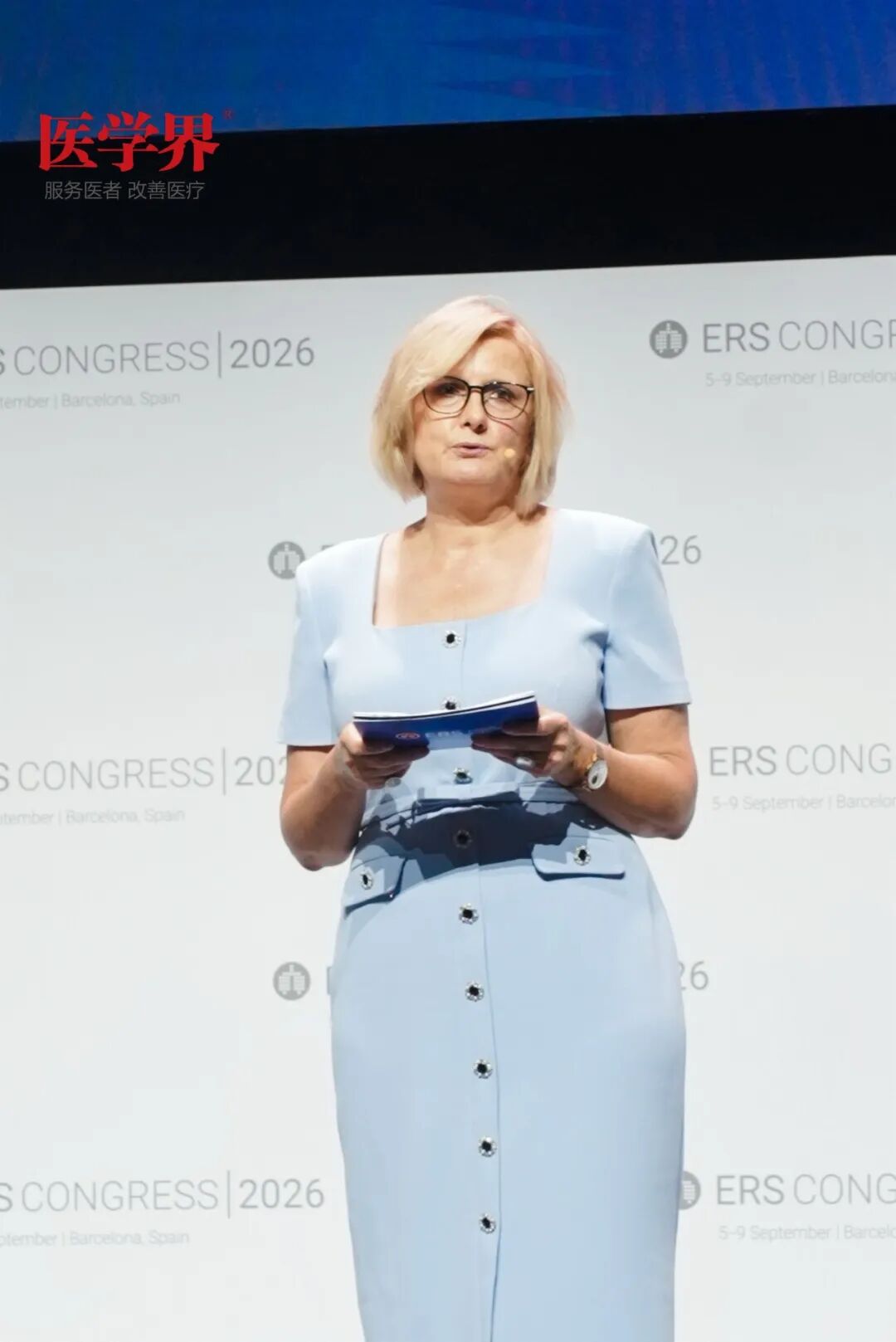 Fig. 1. ERS Congress Chair Delivering the Opening Address
Deepening ERS-ELF Collaboration: Patient Participation Reaches New Heights
A major highlight of this year’s congress is the deepening collaboration between ERS and the European Lung Foundation (ELF). According to the opening release, this partnership is reflected throughout the meeting, from the congress theme to agenda design and content programming.
The data illustrate the scale of this commitment: the congress features 12 patient testimony sessions, four times the number in previous years; 46 patients serve as speakers or discussion panelists, a six-fold increase from 2024; and 32 sessions are directly chaired by patients, placing them at the center of the academic dialogue. The congress also established a dedicated “Patient Day” online event to bridge patients and researchers, and featured focused discussions on “what truly matters to patients,”shifting the perspective from treating disease to caring for people.
In a joint statement, the chairs of the ERS Scientific Committee and Education Committee noted that these numbers reflect the society’s commitment to patient-centeredness, with the goal of ensuring that patients’ lived experiences are heard and incorporated into respiratory research priorities, educational content, clinical practice, and policy development.
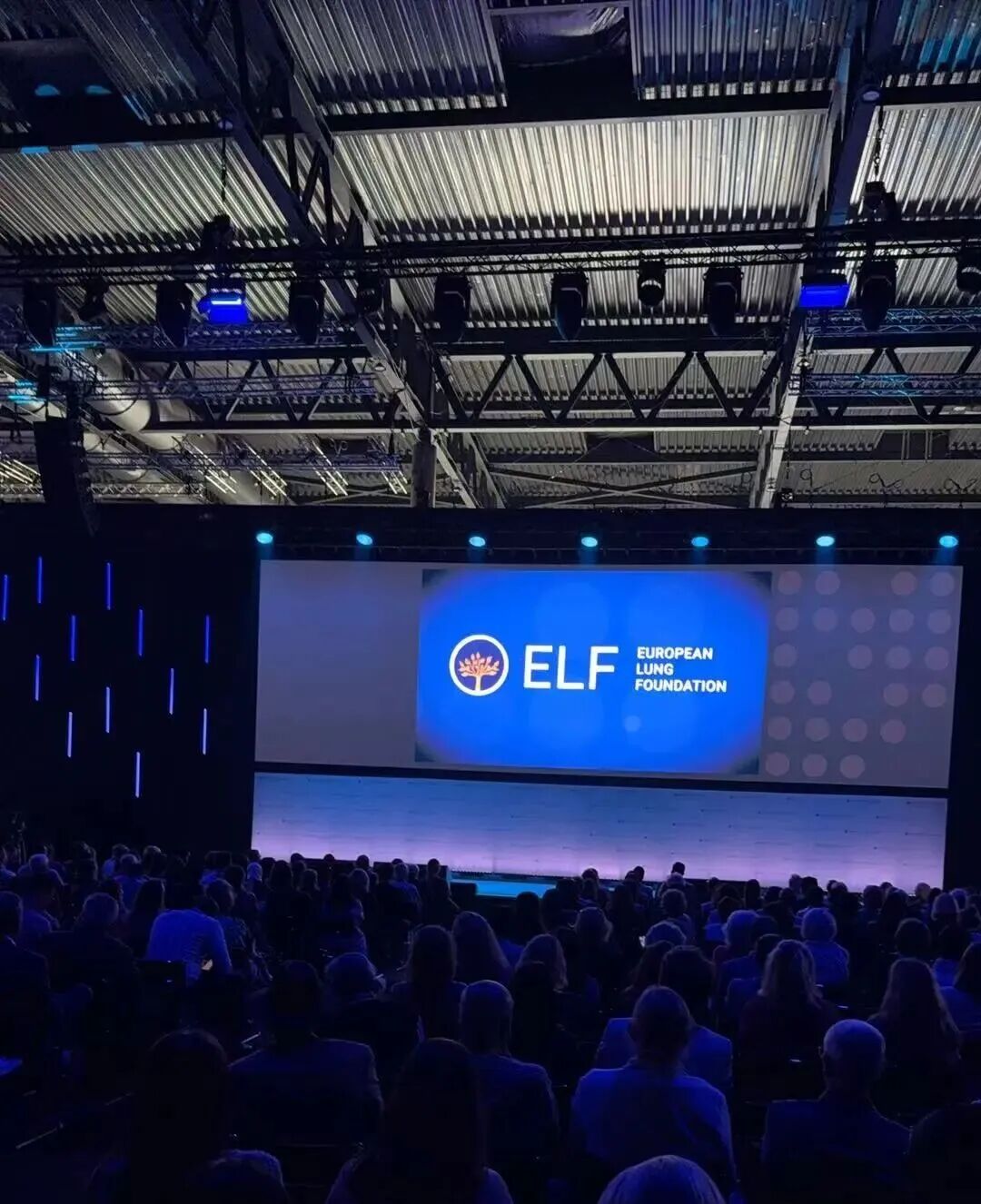 Fig. 2. ERS 2026 Opening Ceremony
New Guidelines, Platforms, and Initiatives
In the opening ceremony, ERS committee chairs reviewed the past year’s achievements and outlined forthcoming initiatives across scientific research, education, academic exchange, and discipline development.
In scientific research, ERS is advancing international collaboration and frontier exploration. This year, ERS, together with multiple international societies, formally launched the development of the world’s first multidrug-resistant tuberculosis (MDR-TB) treatment guideline, addressing a long-standing gap in unified global guidance for the disease.
In discipline development, ERS is focusing on inter-professional collaboration and pipeline talent. A new pharmacist working group has been established this year, formally incorporating pharmacists into the society’s structure. The society has also established a dedicated fund for medical basic scientists and other healthcare professionals, intended to bring more cross-disciplinary talent into respiratory medicine and broaden the field’s boundaries.
In academic exchange, ERS is expanding its global reach. Following the strong reception of its inaugural event last year, the ERS India Summit will expand in the coming year to host two-day in-person programs across multiple Indian cities, bringing scientific content to local respiratory practitioners. ERS has also launched its first dedicated disease-focused conferences on COPD and Alpha-1 antitrypsin deficiency, expanding its meeting portfolio.
In education and training, the ERS Education Committee has delivered strong results. The newly introduced “Year in Review” course series has been well received by members, with plans to expand its depth and coverage. The committee is also building localized prevention education programs and developing training content and resource portals for frontline practitioners, with the aim of extending high-quality educational resources to more primary-care providers.
Committee chairs jointly noted that the progress of every initiative depends on the engagement of ERS members globally, and that the society will continue to build a more inclusive, forward-looking, and influential academic community guided by member needs.
Science Advocacy and Combating Misinformation
In public advocacy, ERS has reported notable achievements. Through years of ERS advocacy and supporting data, the European Union formally adopted stricter air quality standards several years ago, providing legal protections for the respiratory health of tens of millions of European residents. With sustained ERS advocacy, several countries have enacted legislation banning tobacco and e-cigarette purchases by specific youth age groups, blocking a new generation’s path to nicotine addiction and setting an example for global tobacco control.
Looking ahead, the ERS Advocacy Committee chair identified two strategic priorities: ensuring respiratory health remains on the policy agenda in the EU and globally, and addressing the major drivers of respiratory disease, including tobacco and e-cigarettes, air pollution, climate change, and respiratory infections.
In response to the growing spread of misinformation, ERS has launched a “Defending Science”global advocacy campaign, using short videos, social media, and public lectures to communicate the meaning of science and the value of scientific evidence to the public, patients, and younger generations, with the goal of mobilizing public opinion and encouraging evidence-based policy decisions.
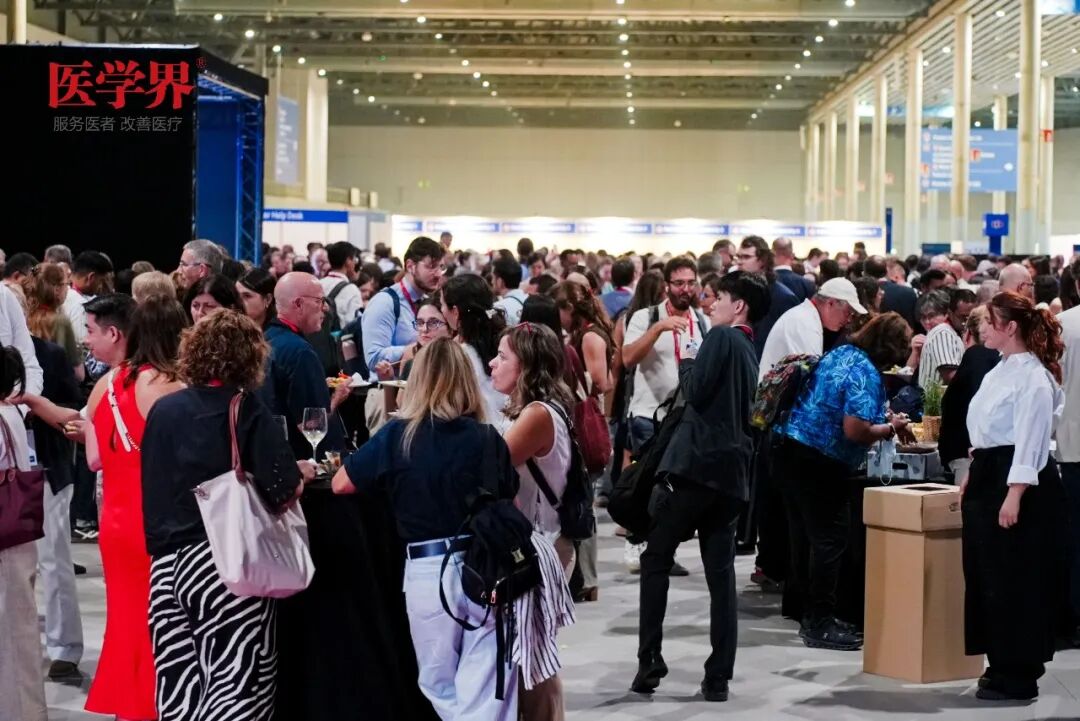 Fig. 3. ERS Congress on Site
Annual Awards
During the congress, several annual awards were announced, including the ERS Presidential Award, Mid-Career Gold Medal, Best Abstract Awards, and ERS Lifetime Achievement Awards, recognizing scholars and experts who have made contributions to respiratory research, clinical practice, and discipline development. As previously reported by MedJ, the 2026 Best Abstract Award recipients include six Chinese scholars.
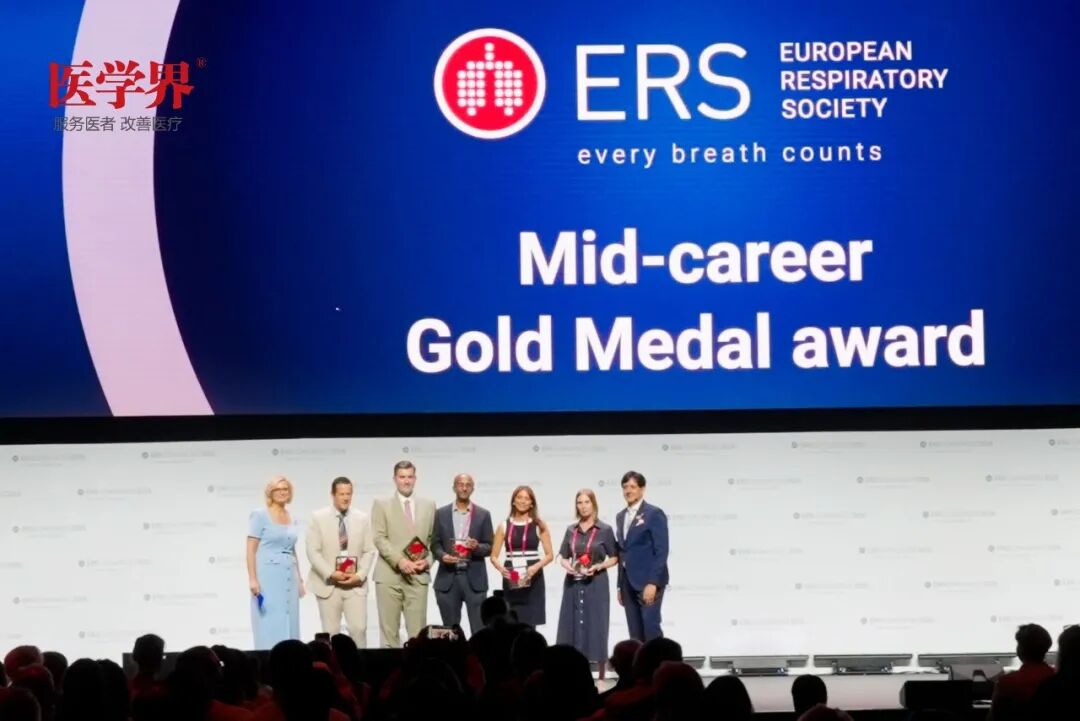 Fig. 4. ERS Mid-Career Gold Medal Recipients Group Photo
Closing
The ERS 2026 International Congress opened in Barcelona on September 5 under the theme “United for better breathing: partnership between patients, clinicians and researchers.” The opening ceremony highlighted patient involvement at unprecedented scale, alongside new initiatives including the first global MDR-TB treatment guideline and dedicated conferences on COPD and Alpha-1 antitrypsin deficiency. According to a release from MedJ’s Respiratory Channel, the meeting reflects ERS’s continued investment in patient-centered research, education, and advocacy.

