


The European Respiratory Society (ERS) 2026 Annual Congress opened on September 5 in Barcelona with the China Day session, a joint symposium held by the ERS and the Chinese Thoracic Society (CTS) on the meeting’s first day.
Prof. Bin Cao, Chair of the Chinese Medical Association Respiratory Branch and a professor at China-Japan Friendship Hospital, and Prof. Kian Fan Chung, an academician of the European Academy of Sciences and principal investigator at the National Heart and Lung Institute, Imperial College London, served as co-chairs.
In his opening remarks, Prof. Cao noted that Chinese scholars have submitted more than 600 abstracts to this year’s ERS Congress in Barcelona, a substantial year-on-year increase, with more than 300 Chinese physicians attending in person. He noted that the growth reflects the continued expansion of China’s academic engagement in respiratory medicine internationally, and expressed hope that the China Day session would serve as a bridge for in-depth dialogue and collaboration between Chinese and international researchers in clinical research, technical protocols, and research training, addressing shared global challenges in respiratory diseases.
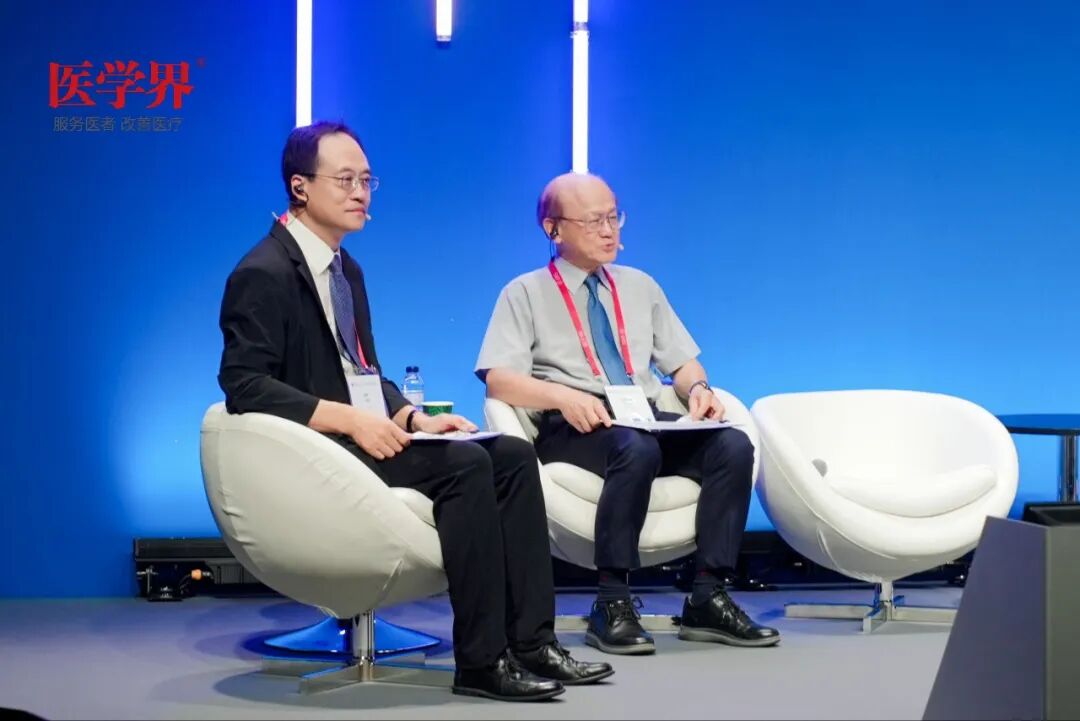 Fig. 1. Prof. Bin Cao and Prof. Kian Fan Chung at the China Day Chair
 Fig. 2. The Session was Fully Attended
Six Reports Across Three Fields
Six speakers from China and Europe presented reports spanning respiratory critical care, sleep medicine, and interventional pulmonology.
Report 1: Respiratory Physiological Subphenotypes in ARDS: Implications for Personalized Management
Prof. Jingen Xia (Beijing, China) discussed the respiratory physiological heterogeneity of patients with acute respiratory distress syndrome (ARDS), presenting approaches to identifying subphenotypes based on respiratory mechanics and physiological parameters, and their potential implications for personalized respiratory support strategies.
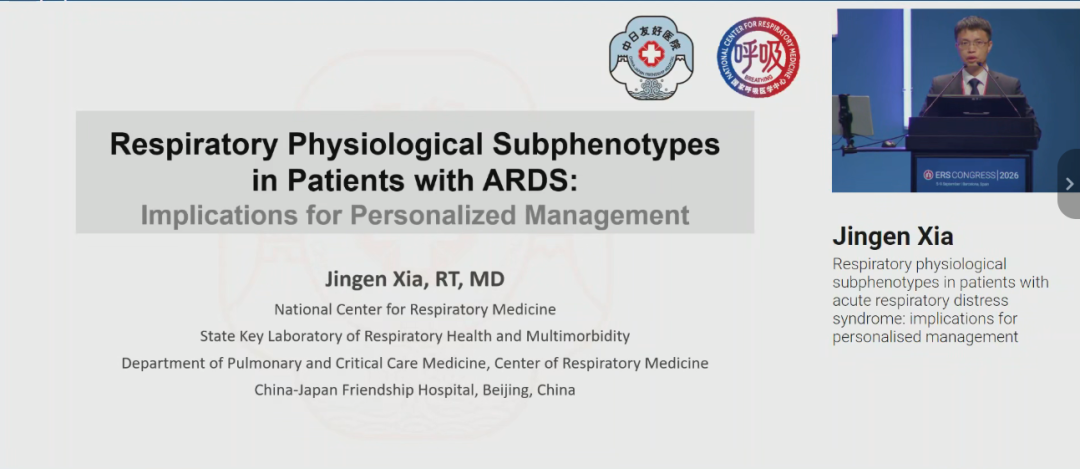
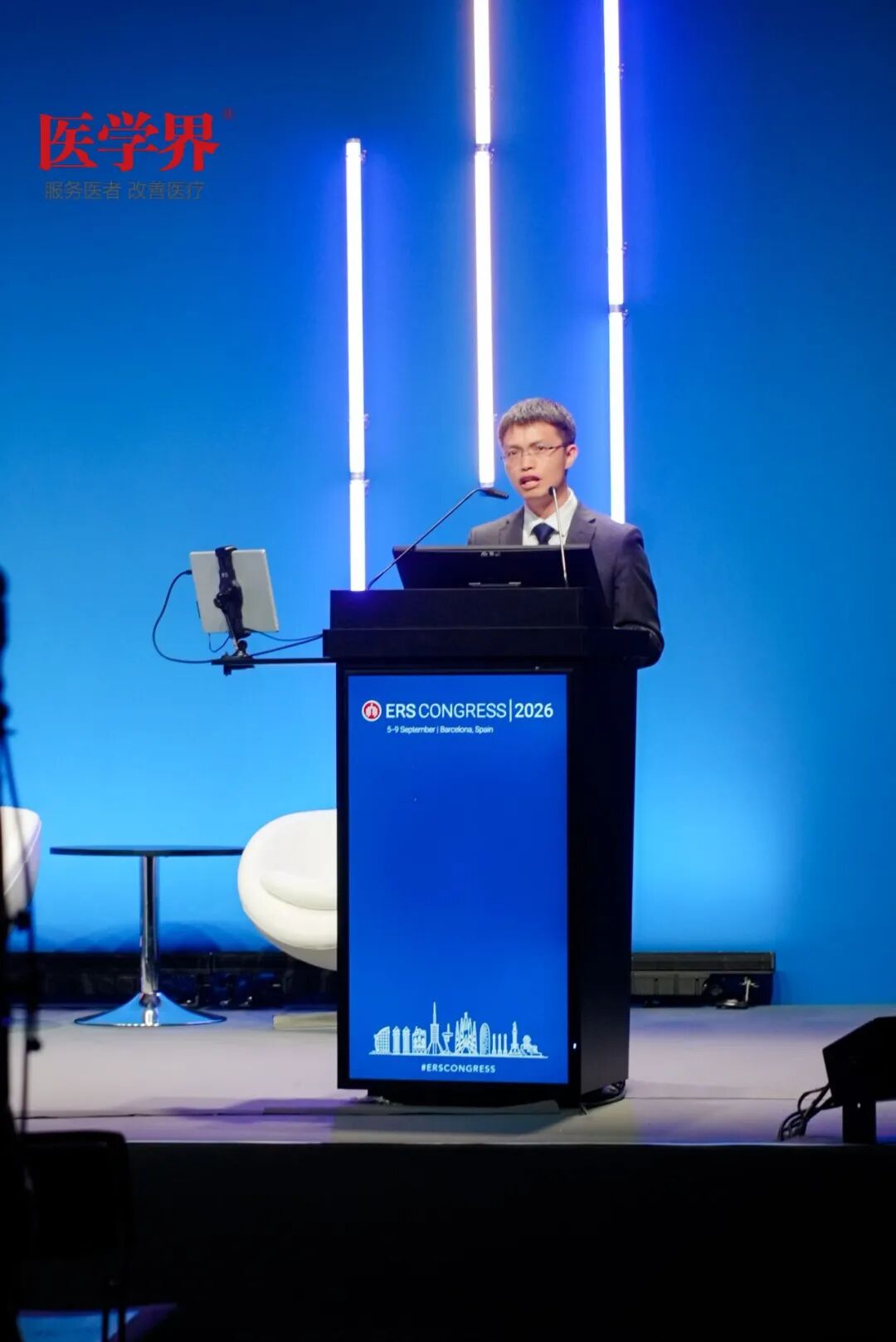 Fig. 3. Prof. Jingen Xia Presenting
Report 2: Imaging-Integrated, Biomarker-Driven ARDS Management: Advancing Bedside Precision Therapy
Prof. Joanna Luk-Ping Lam (Hong Kong, China) shared new ARDS management strategies that integrate quantitative imaging features and biomarker panels, demonstrating how such approaches may assist rapid bedside phenotyping and treatment decisions, potentially shortening the decision pathway from diagnosis to intervention.
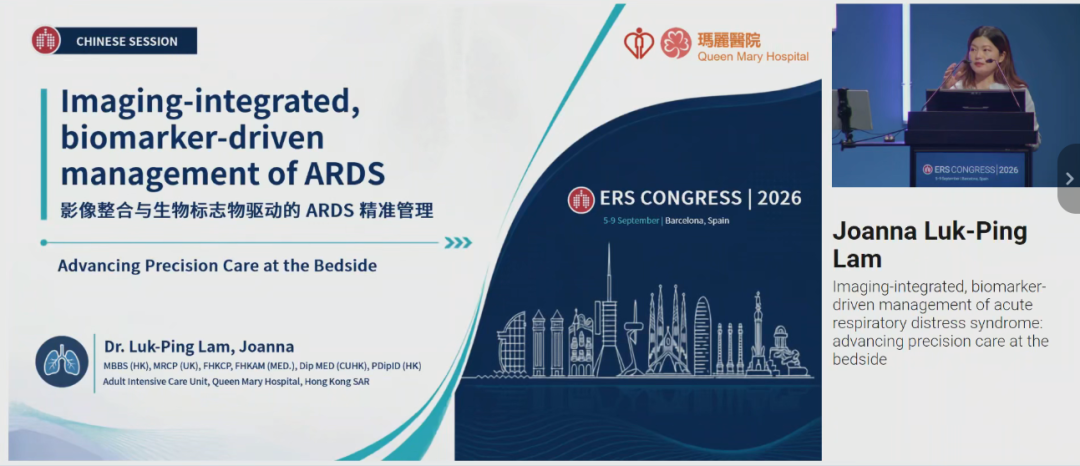
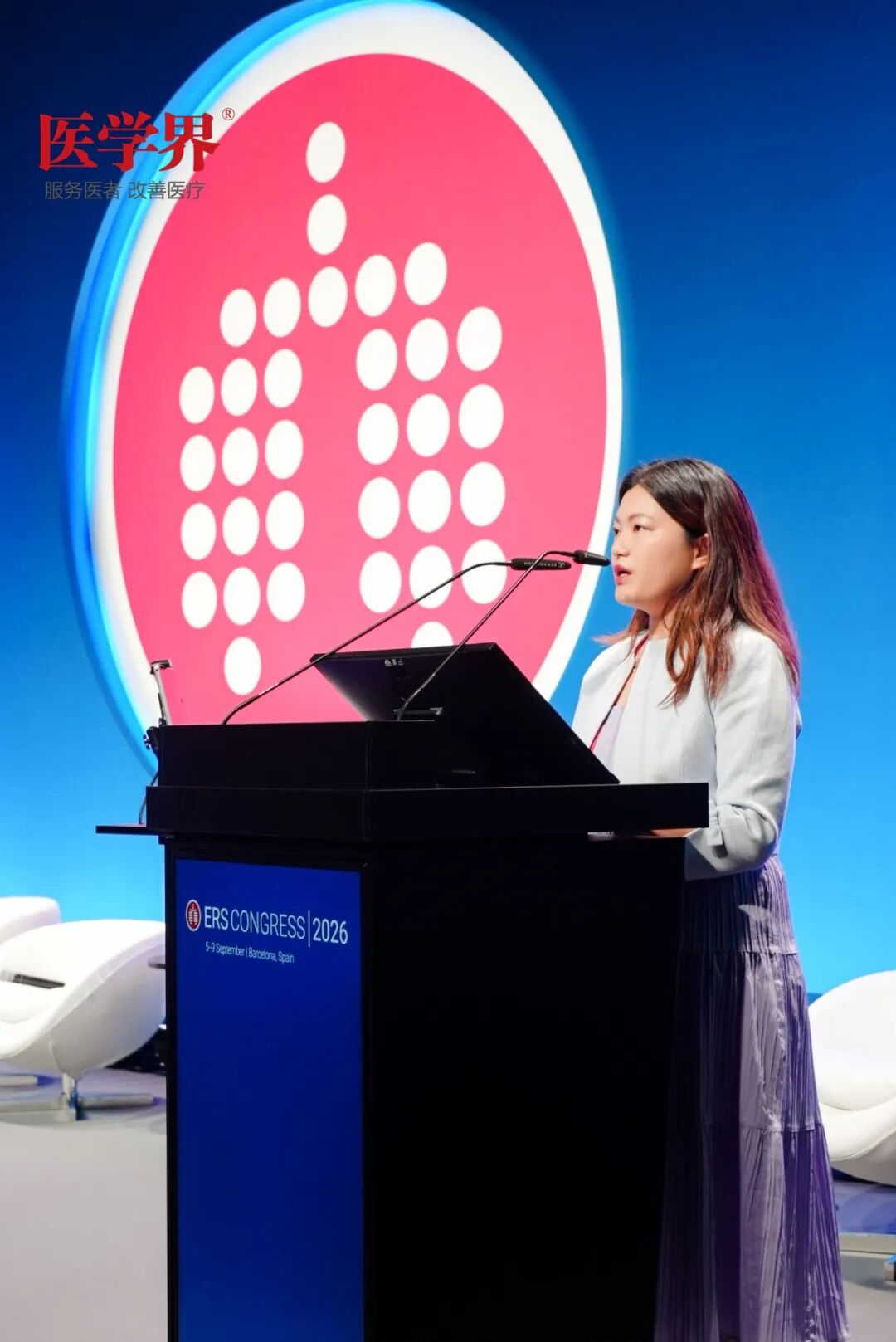 Fig. 4. Prof. Joanna Luk-Ping Lam Presenting
Report 3: Upper Respiratory Infections and Excessive Daytime Sleepiness: What Can We Learn from Narcolepsy?
Prof. Fang Han (Beijing, China) addressed the potential link between upper respiratory infections and excessive daytime sleepiness. Drawing on observations of a surge in narcolepsy incidence during the A/H1N1pdm2009 pandemic in China, and increased sleepiness following COVID-19 infection, she discussed the potential pathways through which infection may affect orexin neurons via immune mechanisms.
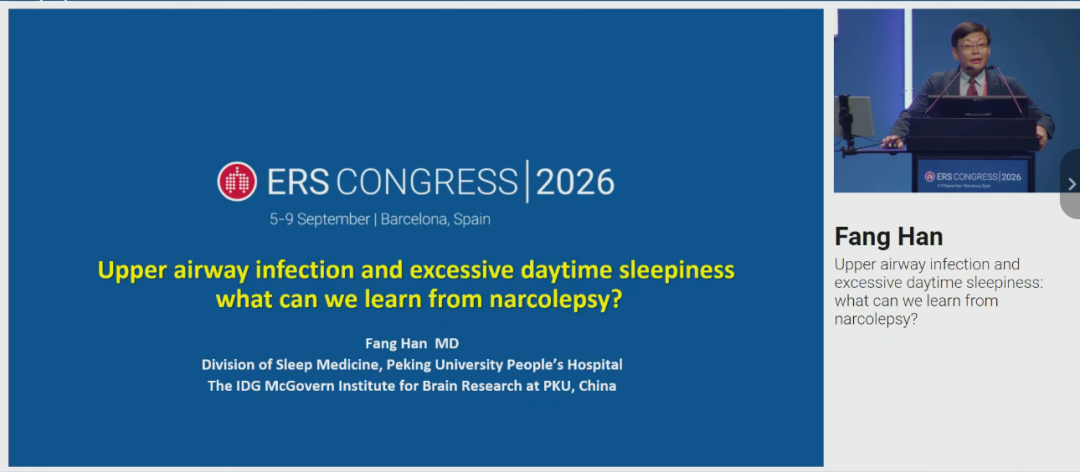
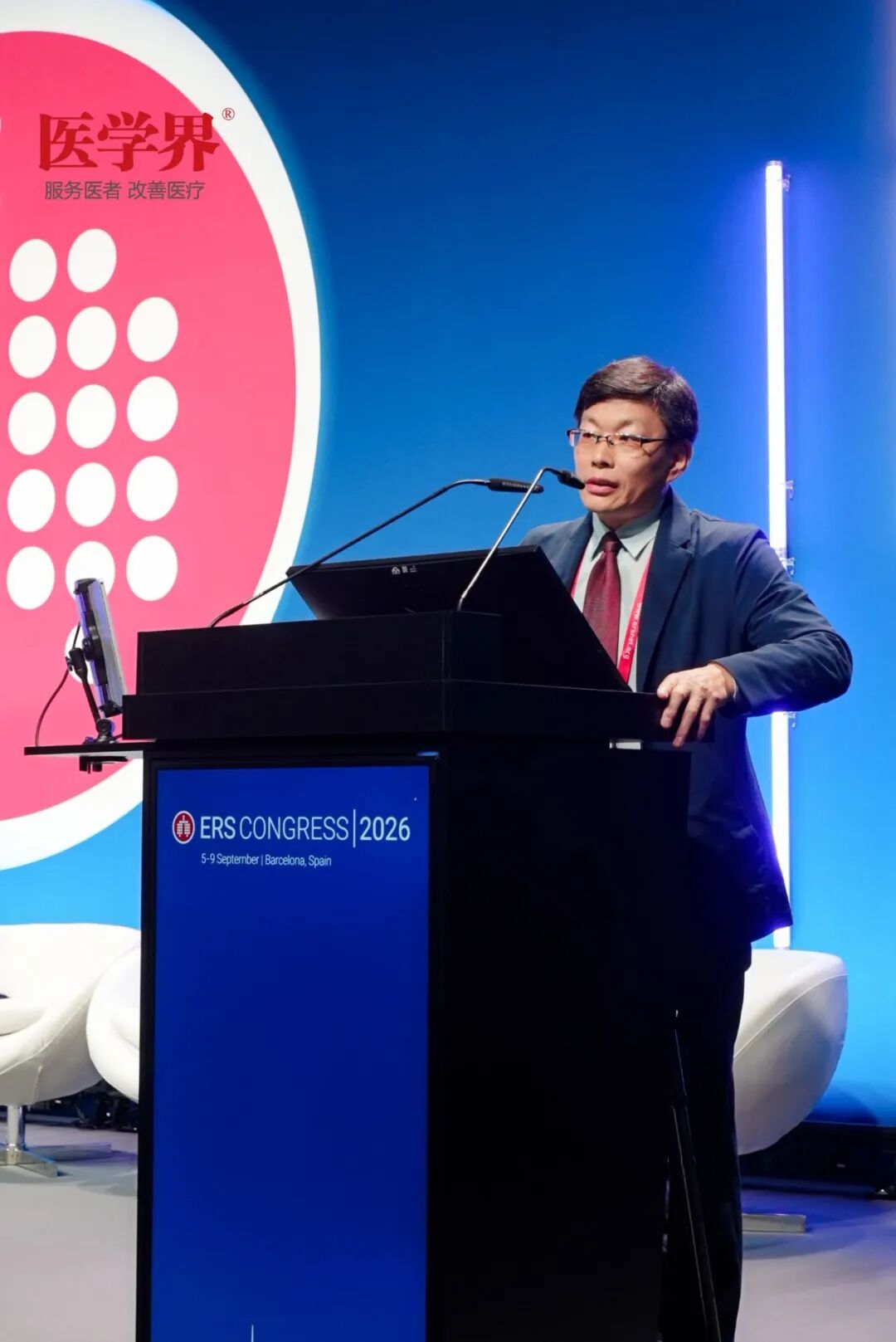 Fig. 5. Prof. Fang Han Presenting
Report 4: Addressing Endotypic Traits in Obstructive Sleep Apnea: Pharmacologic and Non-PAP Therapies
Prof. Johan Verbraecken (Belgium) reviewed how OSA pathophysiological endotypes—including anatomical collapsibility, loop gain, and muscle responsiveness—may inform the personalized selection of non-PAP therapies, and shared European experience in hypoglossal nerve stimulation, positional therapy, and pharmacologic interventions.
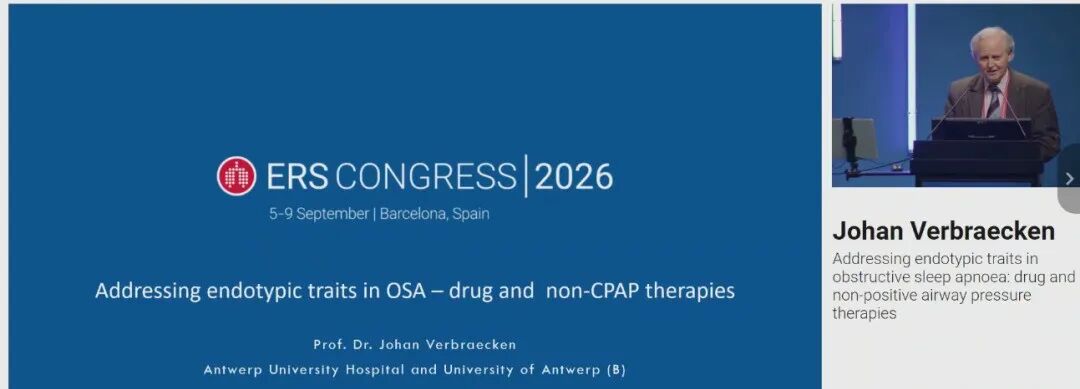
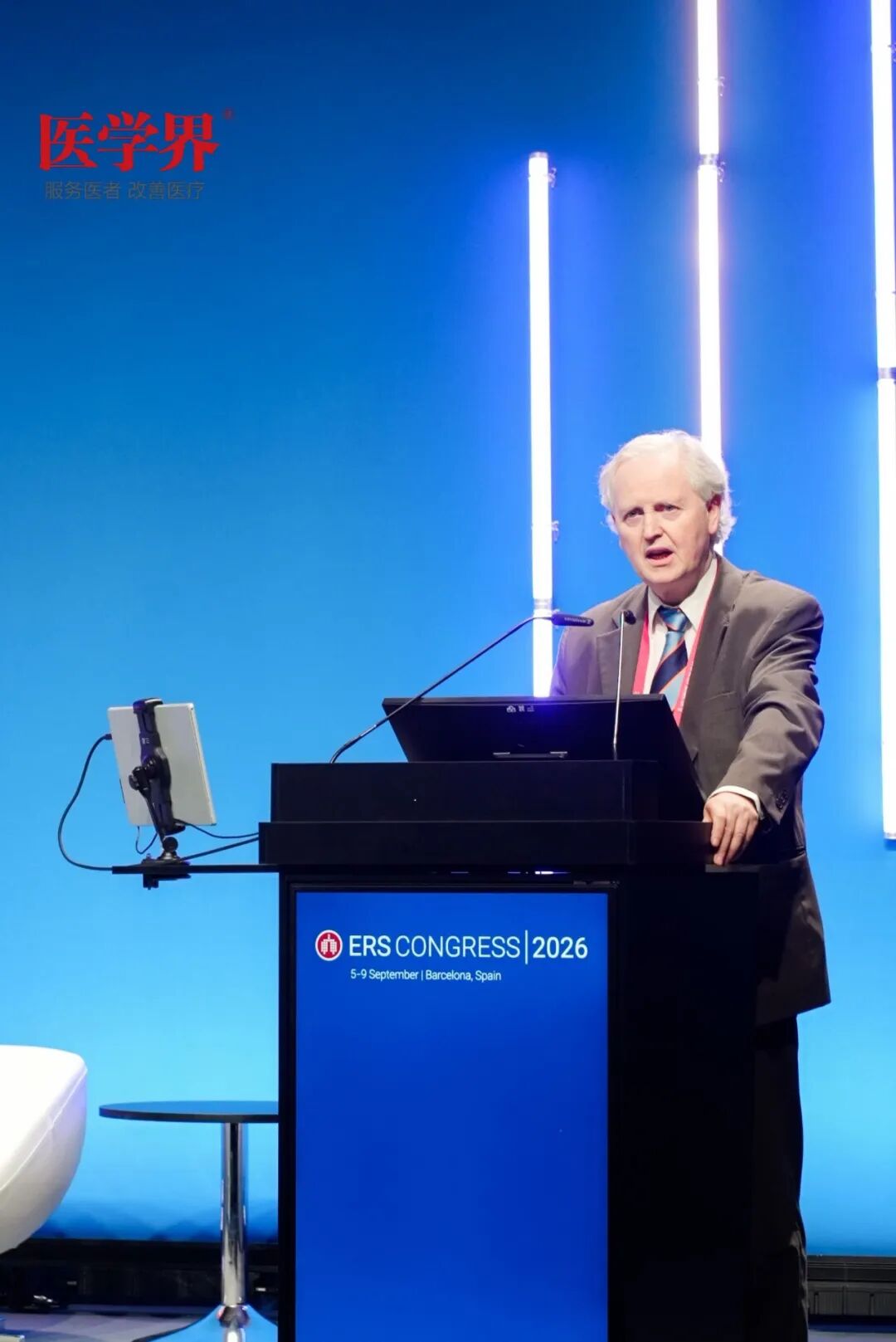 Fig. 6. Prof. Johan Verbraecken Presenting
Report 5: Bronchoscopic Ablation for Lung Cancer—China Data
Prof. Shiyue Li (Guangzhou, China) presented Chinese data on bronchoscopic radiofrequency and cryoablation for lung cancer, demonstrating that the technique may be feasible, safe, and show preliminary effectiveness. He noted that future work may need to expand ablation margins and define effective ablation boundaries more precisely, while integrating interventional approaches with immunotherapy in multidisciplinary strategies, and providing higher-level evidence through multicenter prospective clinical trials.
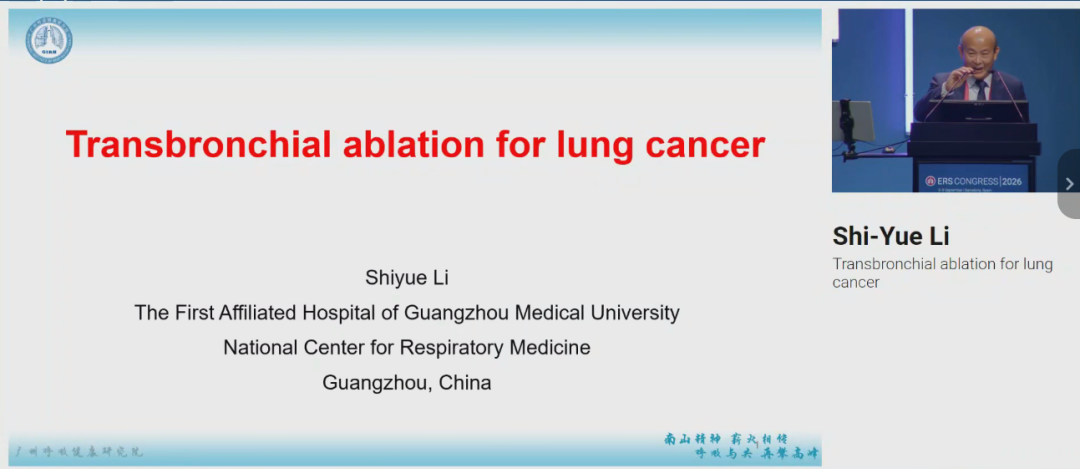
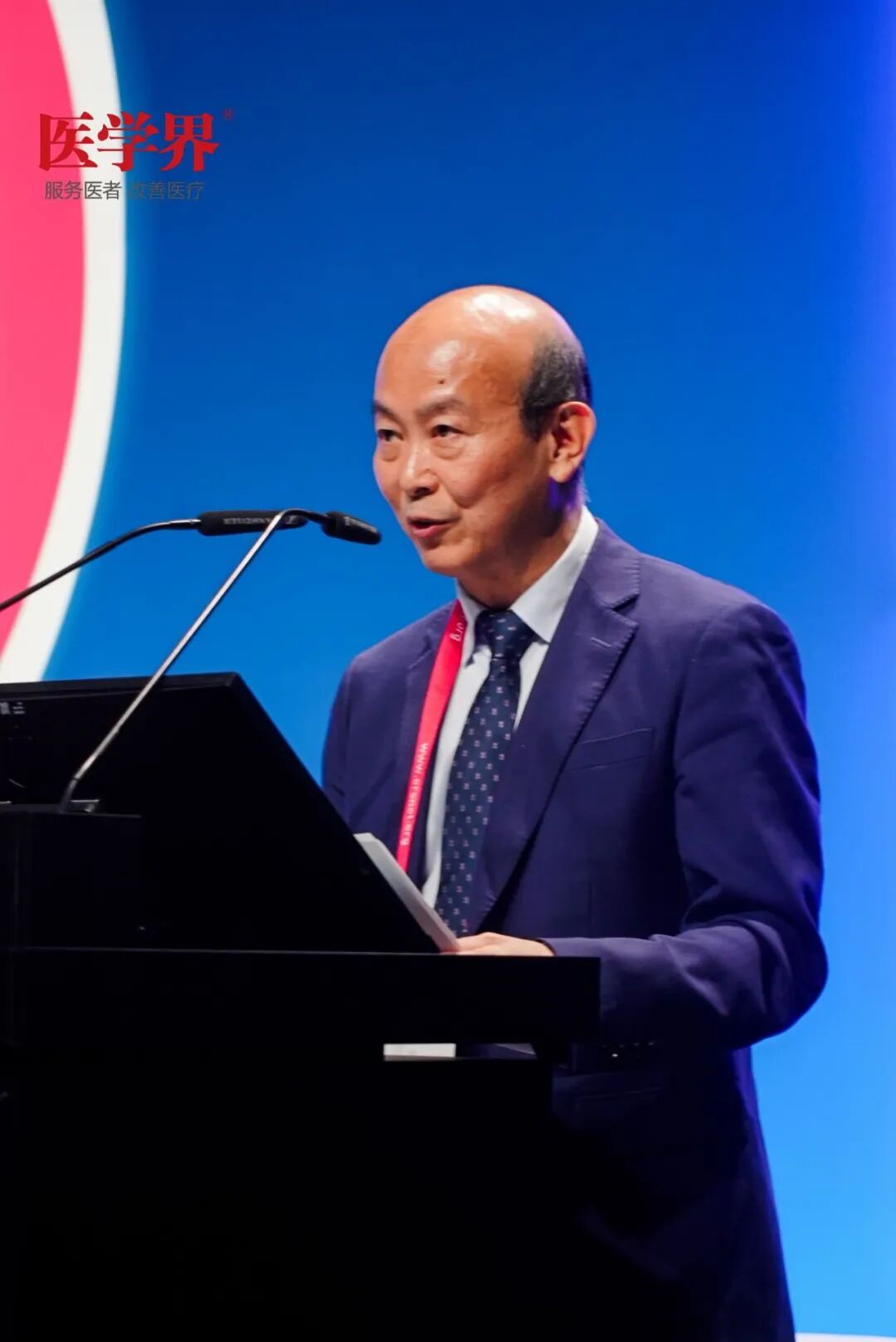 Fig. 7. Prof. Shiyue Li Presenting
Report 6: Bronchoscopic Ablation for Lung Cancer—A European Perspective
Prof. Erik H.F.M. van der Heijden (Netherlands), drawing on European clinical experience, emphasized that bronchoscopic ablation for lung cancer should be based on CBCT imaging guidance. He noted that future efforts should focus on technical standardization, device comparison, and prospective randomized controlled studies, while accumulating long-term oncologic outcome evidence and defining optimal patient populations.
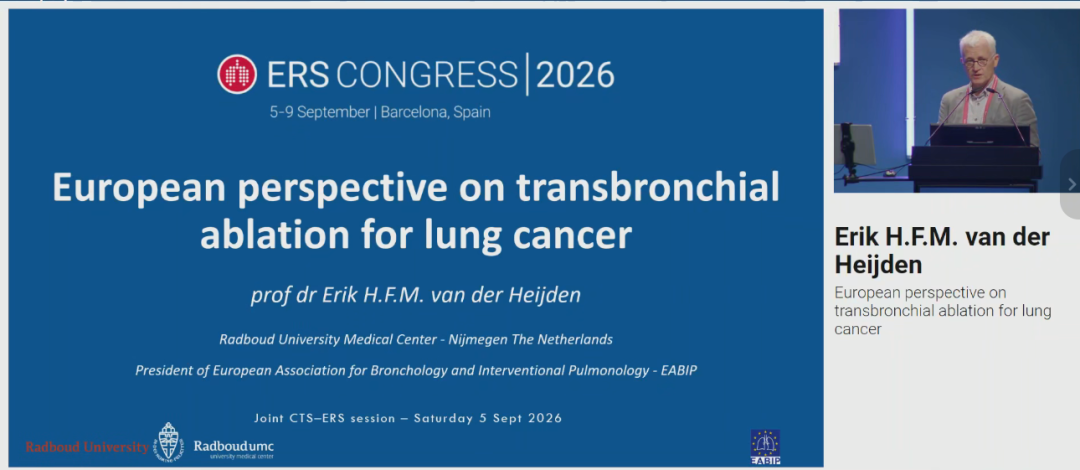
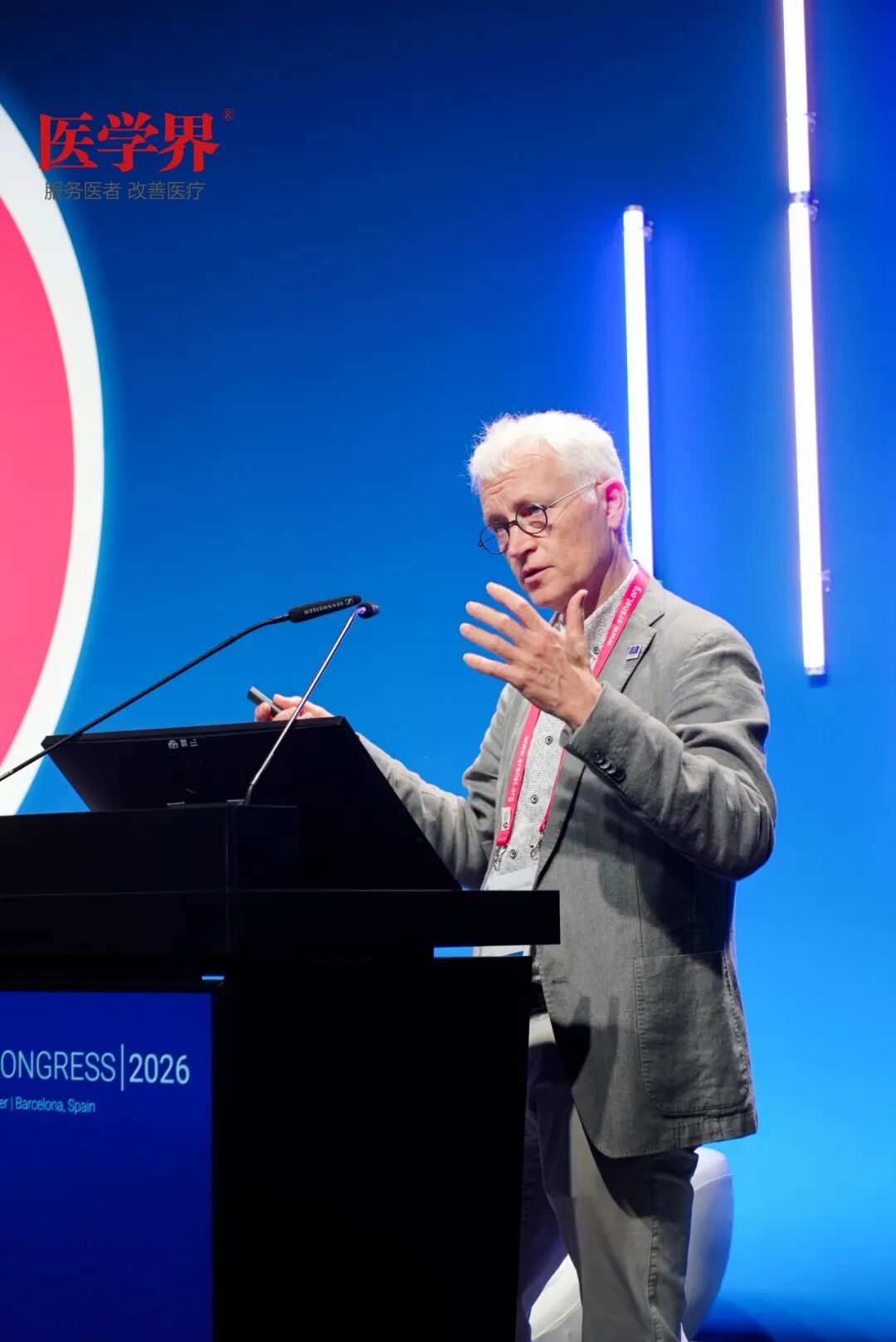 Fig. 8. Prof. Erik H.F.M. van der Heijden Presenting
Open Discussion
After the presentations, the session moved into an open discussion. Attendees engaged in in-depth Q\&A on topics including the generalizability of ARDS subphenotypes, the clinical accessibility of OSA endotype testing, and the indication boundaries for bronchoscopic ablation.
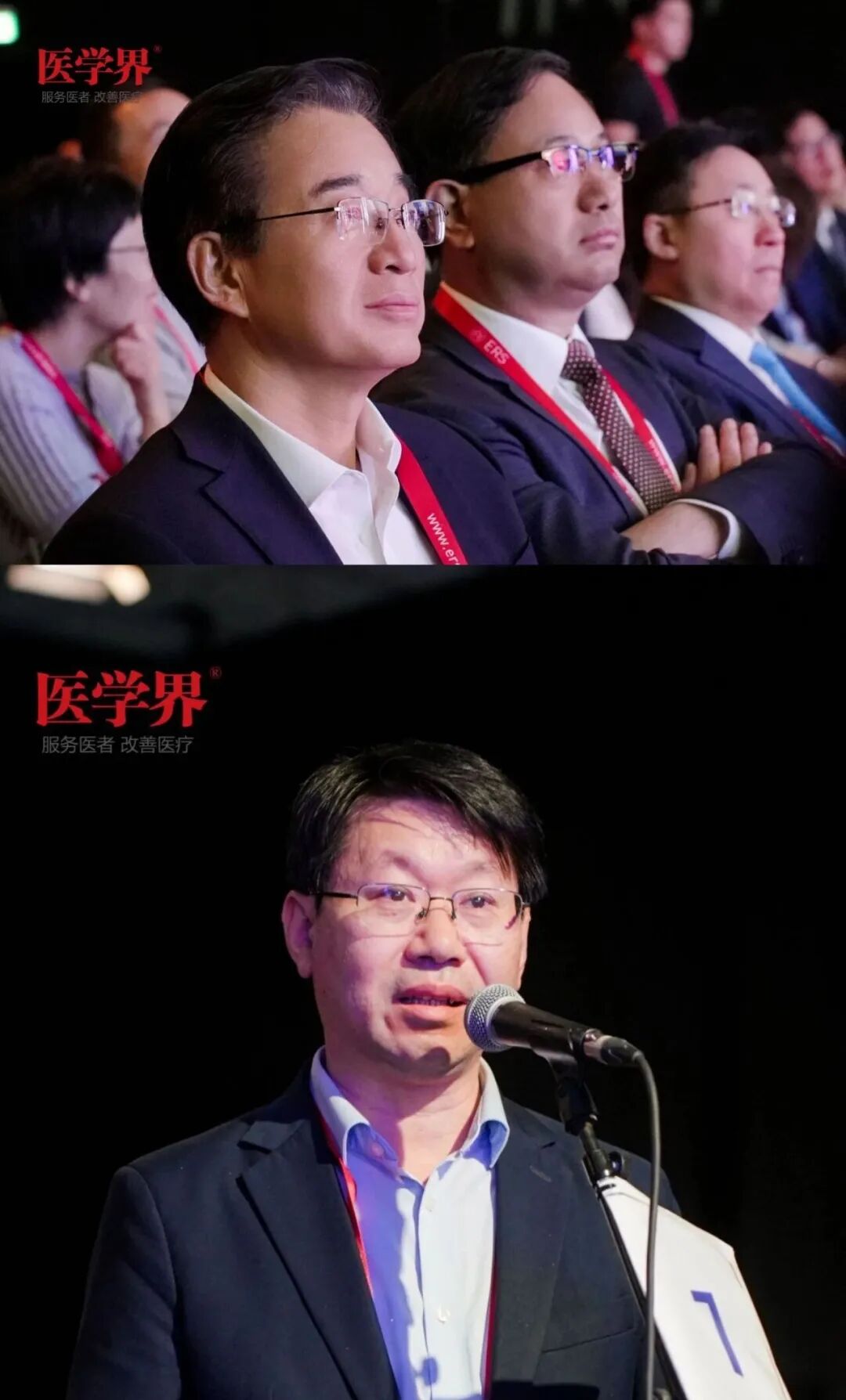 Fig. 9. Academician Chen Wang, Prof. Jieming Qu, Prof. Weimin Li, and Prof. Yuanlin Song at the China Day Session
Prof. Yuanlin Song of Zhongshan Hospital, Fudan University, and Prof. Jingen Xia discussed the field: although many ARDS clinical trials have been conducted, no effective drugs have yet been identified, and existing biomarkers remain difficult to apply clinically. Prof. Xia responded that future work may combine respiratory mechanics parameters with biomarkers for refined ARDS subtyping to provide new directions for drug development. Prof. Joanna Luk-Ping Lam addressed the challenge of early ARDS identification, noting that current research largely focuses on confirmed severe cases in the ICU; patients in very early stages who do not yet meet current diagnostic criteria remain a research gap, and early identification will be an important future direction.
Prof. Fang Han addressed the relationship between sleep apnea and daytime sleepiness, noting that hypoxia may induce immune-mediated brain injury; patients with residual sleepiness after CPAP treatment should undergo further evaluation with MSLT and other polysomnographic assessments.
Prof. Shiyue Li addressed questions on ablation margin assessment, noting that current assessment mainly relies on conventional CT imaging, and his team is developing AI systems to assist in precisely determining the ablation zone. Prof. Erik H.F.M. van der Heijden added from the European perspective that the clinical application of bronchoscopic ablation still faces challenges in technical standardization and indication definition.
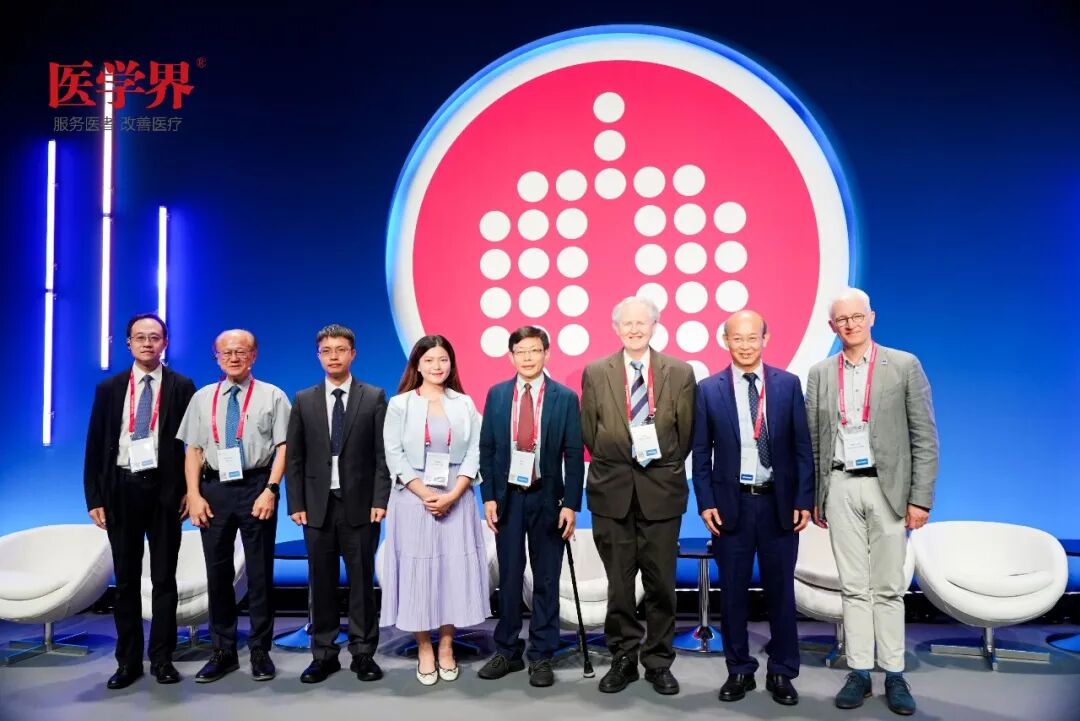 Fig. 10. Group Photo of the Experts
The China Day session continued the longstanding collaboration between CTS and ERS. The six presentations spanned a main line of “mechanism analysis, precise stratification, technological innovation,” combining original Chinese data with European clinical experience. According to a release from MedJ’s Respiratory Channel, the session highlighted ongoing Sino-European collaboration in respiratory research.

