


Cardiovascular disease (CVD), the world’s leading killer, affected 523 million people and caused 18.6 million deaths in 2019. Elevated low-density lipoprotein cholesterol (LDL-C)—the "bad cholesterol"—is a key driver. While statins and PCSK9 inhibitors help manage LDL-C, they require long-term use. Now, a Nature Medicine study introduces a groundbreaking approach: epigenetic editing to silence the PCSK9 gene permanently with a single injection.
Figure 1. Research screenshot
The PCSK9 Paradigm
PCSK9, a gene critical to cholesterol metabolism, promotes degradation of LDL receptors in the liver, reducing LDL-C clearance. Existing PCSK9 inhibitors lower LDL-C effectively but demand regular injections, posing compliance challenges.
The Breakthrough: Methylation Over Mutation
Unlike traditional gene-editing tools (e.g., VERVE-101) that cut DNA (risking off-target effects), this method uses an epigenetic editor—a DNA methyltransferase-DNMT3A-KRAB complex delivered via lipid nanoparticles—to add methyl groups to the PCSK9 gene promoter. This "switches off" gene expression without altering DNA sequence, offering:
· Longevity: In mouse models, PCSK9 protein dropped 90%, LDL-C fell 70%, and effects lasted over a year, even after liver regeneration.
· Reversibility: Methylation can be erased with an epigenetic activator, restoring gene function if needed.
· Safety: No DNA cutting means minimal mutation risk; liver-specific delivery avoids systemic side effects.
Clinical Promise and Hurdles
Advantages over current therapies:
· Eliminates lifelong injections, cutting medical costs.
· Targets patients unresponsive to traditional drugs or with genetic hyperlipidemia.
· Broad applicability: Epigenetic editing could extend to cancers, neurodegenerative diseases, etc.
Challenges ahead:
· Ensuring methylation stability in humans.
· Long-term safety of PCSK9 silencing (unknown effects on other pathways).
· Translating mouse-level editing efficiency to humans.
· Ethical and regulatory debates over germline implications and access.
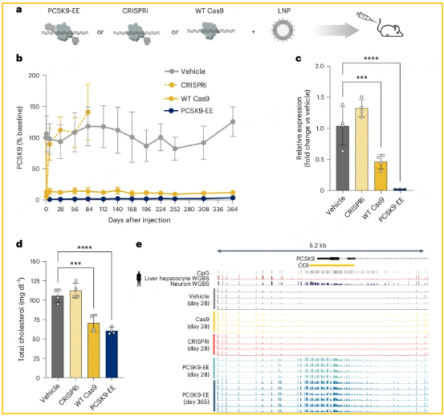
Figure 2. Persistency of PCSK9 Gene Silencing In Vivo and Its Impact on Hepatic DNA Methylation
The Future of Medicine?
This study hints at an "epigenetic therapy era," where a single injection could treat diverse genetic disorders by "programming" gene activity instead of altering DNA. While far from clinical use, the shift from "gene cutting" to "gene tuning" may one day replace lifelong medications with precision epigenetic control.
As science edges closer to "editing out" disease, the question remains: Will we embrace a future where a single shot could redefine healthcare—permanently?

