


In 1994, a small state-owned pharmaceutical factory on the verge of bankruptcy in Rongcheng, Shandong was acquired by Beijing DYNE Group, marking the establishment of DYNE Pharma.
By 2024, DYNE Pharma had risen to become one of “China's top 100 pharmaceutical enterprises”, leading in the field of pediatric medicines. Its core brand, “Yikexin,” has a brand value exceeding 3.7 billion yuan.
Over three decades, DYNE Pharma has paved a unique path, embodying the principle of “embracing the hard but right path.”
Focus:Embracing the Hard but Right Path
From a small county pharmacy to a leader in China’s pediatric health and treatment sector, the year of 2007 stands as a pivotal milestone in DYNE Pharma’s 30-year development.
In that year, Yang Jie was appointed as General Manager of DYNE Pharma, overseeing overall operations and steering the company through a strategic transformation: shifting company's business from diversified markets to specializing pediatric drugs. This move is widely regarded by the industry as a key turning point for the success of DYNE Pharma.
“I spent seven years as a pediatrician and deeply understand the pain of sick children and the anxiety of their parents,” Yang Jie recalled. However, for a long time, the pediatric medication field has faced challenges such as limited variety, mismatched dosage forms and strengths, lack of clinical data, and widespread off-label use, all of which seriously threaten children's medication safety. Addressing these issues requires the dedicated involvement of specialized pharmaceutical companies.
Time has proven the wisdom of this decision, but at that time, DYNE Pharma’s choice could be described as “knowing there was a tiger in the mountain, yet heading straight for it.”
During that period, China’s pediatric drug market was virtually barren, with almost no domestic experience to draw upon. Despite children aged 0-14 accounting for approximately 18% of China's total population, very few enterprises were engaged in the production of pediatric drugs. According to a survey by the All-China Federation of Industry and Commerce Medical and Pharmaceutical Chamber, out of over 6,000 domestic pharmaceutical companies, only 10 specialized in pediatric drug production, with just 30 companies having dedicated pediatric drug production departments.
Developing pediatric drugs is a global challenge, including ethical concerns of clinical trials, subject recruitment, and safety assessments. Additionally, pediatric formulations have more stringent requirements, and the costs of raw materials and packaging often increase significantly. This not only adds to the economic pressure of R&D but also increases the risk of R&D failure.
Another pressing challenge for Yang Jie was the lack of market education. “At the time, market education was completely non-existent. Many people mistakenly believed that children were merely 'smaller versions' of adults, and awareness of the need for customized pediatric drugs was weak,” Yang Jie noted, saddened. “Even today, the necessity to not simply reduce adult dosages for children still needs to be repeatedly emphasized.”
The most urgent issue at hand was the upgrading of plants and equipment.. Yang Jie noted that the original plant had not been designed with the specific requirements of producing pediatric drugs, leading to an unreasonable process layout and outdated equipment. Moreover, Its location in an urban area severely limited the space for any renovation. To achieve the company’s transformation towards specialization, relocation to a new site was necessary.
Rebuilding the factory and acquiring new equipment according to pediatric drug production standards would require DYNE Pharma to invest over 100 million yuan. As a listed company, Shanda Wit (the predecessor of Wit DYNE, the holding company of DYNE Pharma) had an annual revenue of less than 300 million yuan in 2007. Such a huge investment, if mishandled, could not only impact DYNE Pharma but also affect Shanda Wit’s capital chain.
“But the true value lies in doing the difficult yet right thing,” Yang Jie firmly stated. “Despite the challenges, my team and I knew that ‘Make medicines child size’ was the right path, so we were determined to rise to the challenge.”
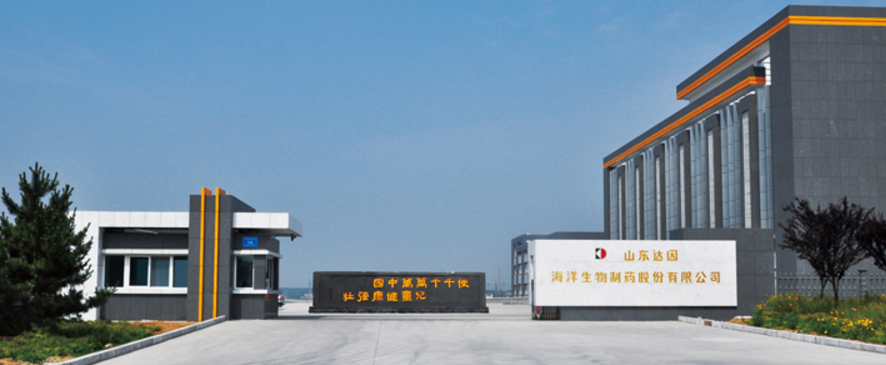
DYNE Pharma's production base in Rongcheng, Shandong Province
Building new plants, acquiring cutting-edge equipment, and attracting high-level talent... DYNE Pharma divested its original diversified but slow-growing product lines—cardiovascular, diabetes, digestive, and anti-infective drugs—and began to focus on pediatric medicines. The company set a clear strategic goal of “becoming a leading company in the field of children's health care and treatment.”
This focus strategy has yielded remarkable results. By 2023, DYNE Pharma reported revenue of 2.426 billion yuan, up 18.88% YoY, with a net profit of 1.182 billion yuan, up 21.58% YoY. Its flagship brand, “Yikexin”, now values more than3.7 billion yuan, and it holds over 60% of the market share in the children's vitamin AD category.
Innovation:The magic weapon of sustained leadership
In her spare time, Yang Jie is an avid long-distance runner. She said, “Developing pediatric drugs is like running a marathon—small, frequent steps with continuous innovation. It’s not about speed, but endurance and firm goals.”
In recent years, DYNE Pharma has launched an average of 1-2 specialized pediatric drugs annually. Yang Jie noted that the company has established a comprehensive R&D system for pediatric medicines, with a portfolio spanning in children's nutritional health, mental disorders, rare diseases, respiratory conditions, and digestive diseases.
“Adhering to the R&D philosophy of 'quality by design’ and 'Make medicines child size' and increasing investment in R&D are fundamental to the sustainable development of DYNE.” Yang Jie said that DYNE Pharma invests at least 5% of its annual revenue, equivalent to hundreds of millions of yuan, into research projects each year.
In 2013 and 2016, DYNE established China’s first pediatric drug R&D technology center and the country’s only pharmaceutical research institute dedicated to pediatric formulation R&D, located in Rongcheng, Shandong Province, and Beijing, respectively. By the end of 2023, the company was approved as a national enterprise technology center. Currently, DYNE is equipped with a highly professional team of over 100 R&D staff members,
At the same time, DYNE Pharma has established long-term and stable cooperative relationships with multiple domestic universities, research institutions, and children's specialized hospitals. Through those collaborations, it has formed an integrated R&D system that combines “industry-university-research-medical” collaboration, self-research, and external cooperation, building a key technology platform for pediatric drugs. DYNE has successively achieved innovations in formulation technologies such as transdermal patches, sustained and controlled release formulations, inhalation preparations, and taste correction and masking technologies, overcoming the technical barriers associated with pediatric drug formulations.
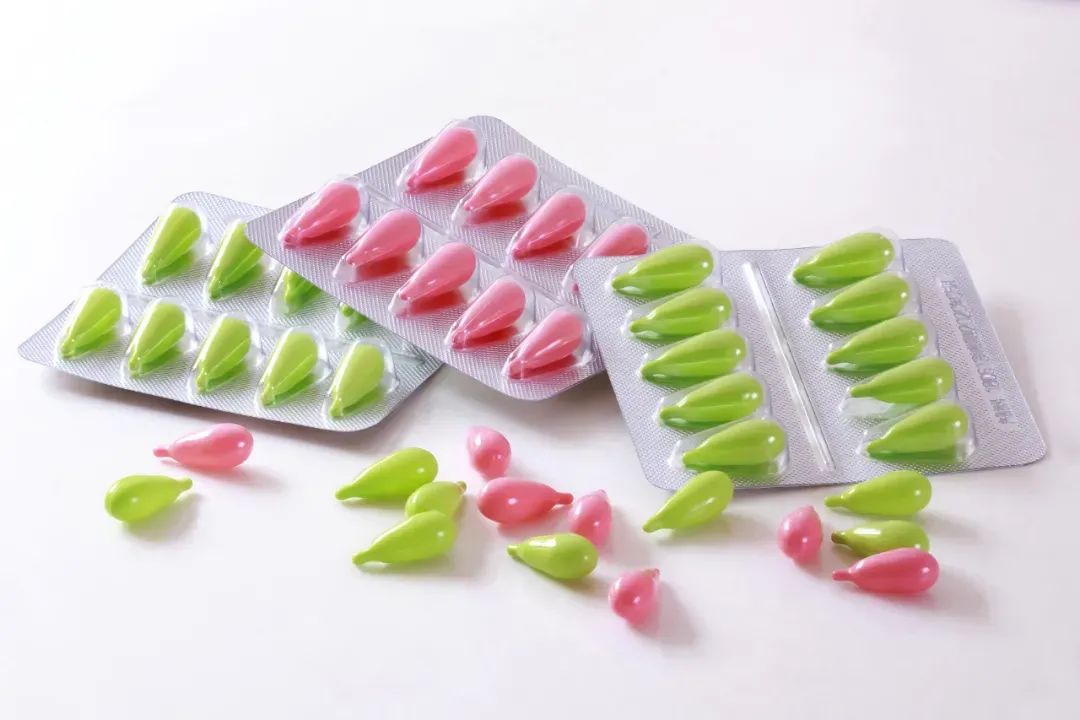
The unique gourd-shaped Yikexin vitamin AD preparation, though more costly, is designed for parental convenience and considers children's psychological needs
In the realm of scientific research, DYNE Pharma's relentless efforts and investments have yielded remarkable results. During the 13th Five-Year Plan period, the company successfully completed five sub-tasks in the national major science and technology project for new drug creation. During the 14th Five-Year Plan period, it undertook five projects supported by the national “14th Five-Year Plan” key research and development program and more than 20 national and provincial/ministerial projects. The project “Construction of Key Technology System for Special Children's Drugs and Scale Industrialization” won the Second Prize of the Shandong Science and Technology Progress Award.
Continuous innovation extends beyond R&D, permeating marketing strategies, market education, and other areas. As a pioneering pharmaceutical company embracing the Internet, DYNE Pharma's “Yikexin” brand exemplifies a classic new media communication strategy within the industry.
To alleviate parenting anxiety and equip parents with essential knowledge, DYNE Pharma also serves as a “parenting assistant.” Yang Jie provided an example: “To address common challenges in children's development, we have collaborated with professional organizations and experts to create a series of educational short videos, such as “Please Answer,Parenting Experts”, “Little Gourd Dialogues with Senior Expert”, “Toddler Family Parenting Academy”, and “The Dads Are Boiling Over”,translating complex and specialized knowledge into accessible and engaging content for parents.”
Yang Jie disclosed that DYNE Pharma is actively exploring the digitization of pediatric medications, aiming to create synergies in business growth, digital marketing, health management, and product innovation to achieve further growth and breakthroughs.
Responsibility:Guarding the Light of Life
Over the past three decades, DYNE Pharma has launched a range of children's-specific drugs across multiple therapeutic areas. Among this, one drug, while not profitable, has left a profound impression on Yang Jie, the Dimercaptosuccinic Acid Capsules.
“Copper Dolls, sounds cute, isn’t it? But when you understand the condition about the disease, it is truly heart-wrenching.” Yang Jie explained, “'Copper doll' is a term referring to children with Wilson’s disease, a hereditary copper metabolism disorder. If not properly treated, it can lead to disability or even death.” With a global prevalence of only 1 in 30,000, Wilson’s disease is classified as a rare disease.
Fortunately, it is treatable, and dimercaptosuccinic acid (DMSA) is one of the most effective medications available. However, due to challenges such as limited raw material supply, low demand, high costs, and minimal margins, very few manufacturers produce this drug.
“DYNE Pharma holds the ANDA approval for DMSA, but the production line has been inactive.” Yang Jie noted. “In 2022, when we learned about the scarcity and critical need for DMSA, we immediately arranged to resume production, regardless the challenges,” she added.
“The health of the children outweighs any financial consideration.” Yang Jie emphasized. Since 2022, DYNE Pharma has donated DMSA capsules worth 400,000 yuan annually to the Copper Dolls China Patients Association (also known as Chinese Hepatolenticular Degeneration Patients Association) for three consecutive years. To ensure affordability, DYNE Pharma also supplies the medication at cost price.
In October this year, DYNE Pharma, collaborating with various parties, launched the “Care Center for Children with Rare Diseases.” This initiative aims to promote the establishment of a comprehensive system for medication protection, system improvement, public welfare assistance, and patient education services for children with rare diseases, safeguarding their quality of life. Simultaneously, DYNE Pharma and Nobelpharma have entered into a strategic partnership to alleviate the shortage of therapeutic drugs for children with rare diseases and to accelerate the development and market release of orphan drugs.
Over the years, DYNE Pharma has never stopped its efforts in public welfare, as shown below:
Established the “DYNE Fund” to support educational donations and charitable activities; Funded the construction of the DYNE Hope Primary School and participated in the “I Want to Go to School” program, supporting 1,200 schools over multiple years;
For five consecutive years, partnered with the Chinese Preventive Medicine Association's Children's Health Care Branch in organizing the “Search for the Most Beautiful Primary Child Health Care Doctors” public welfare contest, honoring over 160 outstanding grassroots pediatric practitioner;
Provided medical assistance to children in need at Sun Village, children's welfare centers, and families affected by earthquakes.
Conducted hundreds of public welfare activities across the nation, such as the “Popularization of Children's Safe Medication Use in Communities” and “Height Management Clinics in Communities”, to name just a few.
Yang Jie remarked, “The key to DYNE Pharma’s industry leadership is remaining true to original aspirations and always keep in mind our responsibility and mission in children's health. The same is true for enterprises, and the path to invincibility lies in taking responsibility.”
Keeping Up the Good Work:Advancing the Health of Millions of Children
DYNE Pharma’s 30-year journey has mirrored the growth and evolution of the entire industry.
“With the support and encouragement of national policies, the “runway” for children's drugs is expanding, infrastructure is improving, and more peers are joining the field.” said Yang Jie, a 30-year veteran of the industry, who is deeply moved by these changes.
It is predicted that China's children's drug market is valued at approximately 185.6 billion yuan. Increasingly, more and more pharmaceutical companies are incorporating pediatric drugs into their R&D plans. Data from the National Medical Products Administration (NMPA) shows that from January to May 2024, China approved 21 new children's drugs, one-third of which were expedited through the priority reviewprocess.
While the children's drug market is showing promising development, challenges remain.
Yang Jie noted, “The biggest challenge we face is balancing innovation, pricing and sustainable industry growth.”
She elaborated that high R&D and production costs, coupled with uncertain profits and high costs and low pricing under volume-based procurement, result in less optimistic revenues for enterprises, leading to generally low returns on investment in pediatric drugs. This challenge is not unique to DYNE Pharma but for all companies in the pediatric drug sector.
Yang Jie noted that DYNE Pharma has proactively shouldered significant responsibilities for years, advocating on behalf of the industry and promoting policy coherence, systematic, and precise improvements tailored to the unique characteristics of children's medicines and in-depth analysis.
While the declining birth rate is often seen as a major challenge for children's drug companies. Yang Jie offers a different perspective: “While the number of children may decrease with the falling birth rate, the state, society, and families are placing even greater emphasis on children's health.”
In October 2024, the General Office of the State Council issued “Several Measures on Accelerating the Improvement of the Birth Support Policy System and Promoting the Construction of a Birth Friendly Society”, introducing favorable policies that greatly benefits to the field of children's health.
Data from the seventh population census shows that the population of children aged 0-14 in China exceeds 250 million, accounting for 17.95% of the total population. However, pediatric drugs account for only about 5% of the overall pharmaceutical market. Yang Jie believes that “the growing demand for children's health will drive substantial demand for specialized children's medications and health products tailored to their dosage forms, specifications, and tastes.”
“A strong youth makes a strong nation.” DYNE Pharma not only invests heavily in the research and development of children's medicines but also focuses on providing customized nutritional solutions for children. Yang Jie stated, “Our goal is not only to treat diseases and reduce disease-related mortality but, more importantly, to prevent illness. Through early childhood nutrition and health management, we aim to reduce the incidence of various chronic diseases in adulthood and improve the overall health quality of the population. We are committed to a health philosophy that optimizes children's health from a developmental perspective, promoting their future well-being.”
In September this year, DYNE Pharma supported the organization of the Medical League Heroes Junior Camp, where 30 children successfully completed a 39-kilometer Gobi Desert hike despite the challenges. Yang Jie participated alongside the children and witnessed their remarkable performance: “After completing the hike, I felt physically exhausted, yet my inner strength and confidence in facing future challenges were significantly bolstered.”
“Make millions of Chinese Children Strong and Healthy” is the company ‘s mission,engraved in the most prominent place at DYNE Pharma Yang Jie firmly stated, “The future of DYNE Pharma lies in continuing to fulfill this mission.”
She emphasized that DYNE Pharma will remain guided by scientific and technological innovation, harnessing cutting-edge research capabilities. With a more open mindset, the company will embrace globalization, steadfastly focusing on children's health. DYNE Pharma aims to expand into the international market, launching more innovative medicines and high-quality solutions to meet the health needs of children worldwide, thereby contributing to the global cause of children's health.

