


Article Key Points
- EASD 2026 opened in Milan (Sept 29, 2026), returning after 18 years; nearly 2,800 abstracts submitted (record high)
- Program covers mechanisms, innovation, implementation; obesity, MASLD, incretin, amylin/activin/myostatin, AI in focus
- China expert Linong Ji sits on EASD Global Council; Chinese scholars expanding presence in global governance
- Key trial readouts include TRIUMPH-2, SURPASS-CVOT update, ACHIEVE-4, SMARTEST, SYNCHRONIZE-1/-2, RESET, COURAGE
- Stem cell-derived islet transplantation clinical trial in T1D cited as a key curative-direction exploration
- EASD to launch Obesity School in 2027; Italy recognized obesity as chronic disease; France reimburses GLP-1
- Upcoming guidelines: T2D CGM, high-risk T2D, elderly obesity; ADA T2D consensus and KDIGO CKD consensus with EASD
The 62nd European Association for the Study of Diabetes (EASD) Annual Meeting opened in Milan on Sept 29, 2026, marking the conference’s return to Milan after 18 years. EASD President Prof. Francesco Giorgino said in his welcome address that he hoped attendees would take home not only scientific inspiration but also new thinking on diabetes research and patient care.
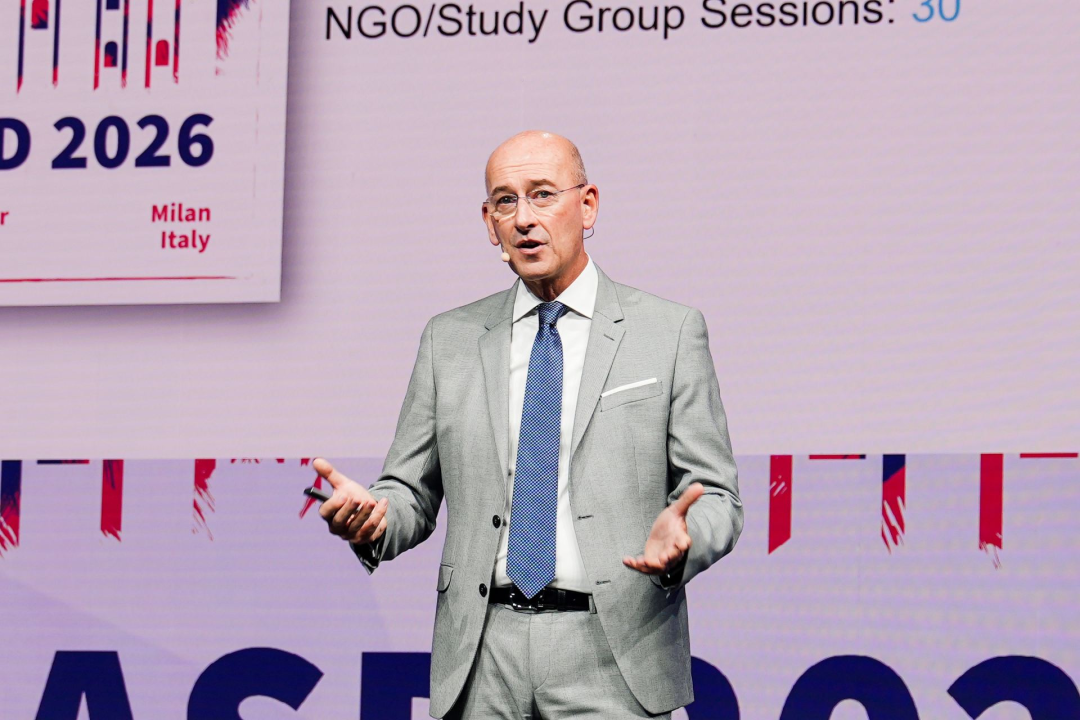 Fig.1. EASD President Prof. Francesco Giorgino Delivering the Welcome Address
According to figures released by the organizers, this year’s meeting received nearly 2,800 abstract submissions, a record high, with an increased number of abstracts accepted for oral and short oral presentations compared with last year. The meeting showed new features in academic structure and global participation.
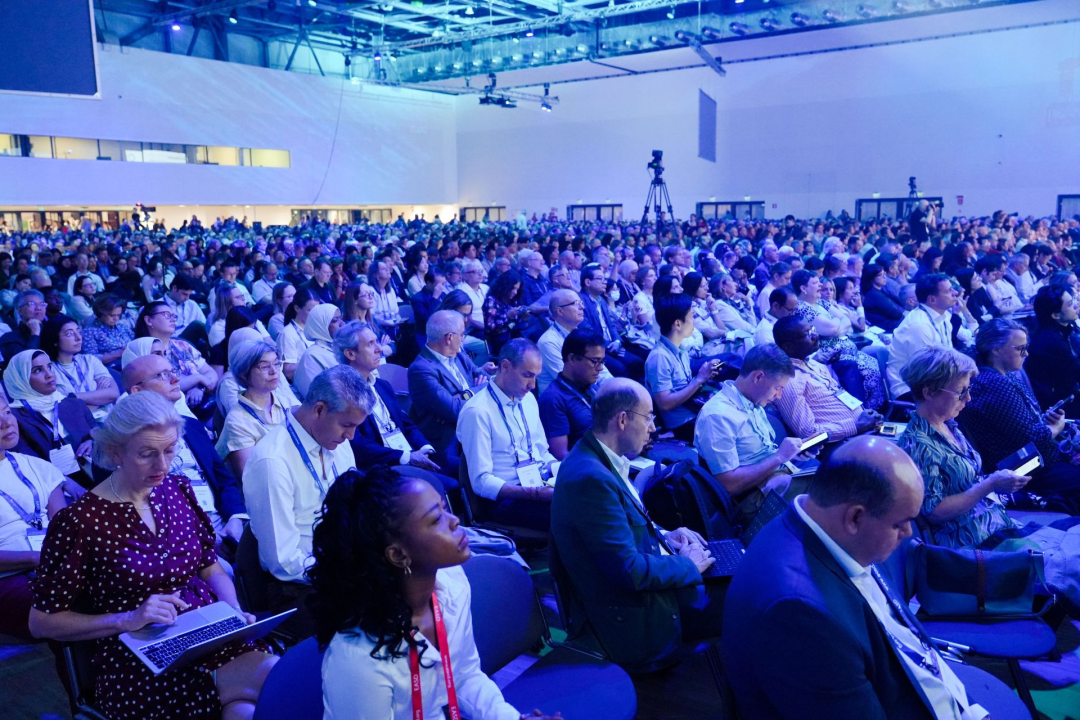 Fig.2. The Opening Ceremony Venue was Packed to Capacity
Academic Architecture: From Disease Mechanism to Clinical Implementation, With Chinese Experts in Global Academic Governance
The academic program covers the complete chain from disease mechanism and disease trajectory to innovation and implementation. In the presidential address, Prof. Giorgino introduced session formats including arena spotlight, stage sessions, symposia, prize lectures, and study group sessions. Topics include obesity management, islet plasticity and regeneration, AI and new technologies, type 1 diabetes screening, organ crosstalk, diabetes heterogeneity, and precision medicine. Metabolic dysfunction-associated steatotic liver disease (MASLD), as an emerging comorbidity of diabetes and obesity, has been listed as a focus topic, with a dedicated block on diagnostic challenges and therapeutic advances. In drug development, incretin-based therapies remain the focus, while new targets such as amylin, activin, and myostatin occupy substantial discussion space.
The meeting also reflects deep collaboration between EASD and multiple international academic organizations. Partner societies include the American Diabetes Association (ADA), Breakthrough T1D, the European Association for the Study of the Liver (EASL), the European Association for the Study of Obesity (EASO), the European Renal Association / International Society of Nephrology (ERA/ISN), the European Society of Cardiology (ESC), and the International Society for Pediatric and Adolescent Diabetes (ISPAD), with joint sessions throughout the meeting. In addition, 12 EASD study groups independently convened sessions covering topics that routine programming cannot accommodate, such as cognitive decline, novel therapies for diabetic kidney disease, pregnancy and diabetes, and implementation science.
Notably, Prof. Linong Ji of China is listed among members of the EASD Global Council. As one of the most influential academic organizations in global diabetes, the EASD Global Council brings together leading scholars from around the world and is responsible for advancing global diabetes research, education, and policy implementation. Prof. Ji’s participation not only highlights China’s academic strength in endocrinology and metabolism but also reflects the growing voice of Chinese scholars in international academic governance.
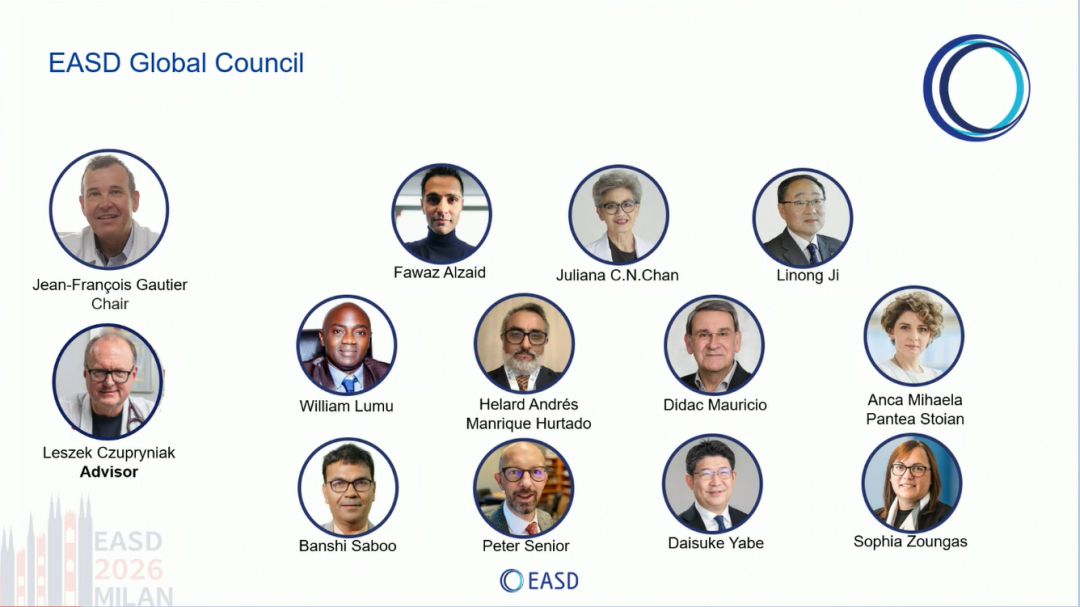 Fig.3. EASD Global Council Member List
Key Trial Disclosures and Honors: From Stem Cell Islet Transplantation to the New Era of Obesity Drugs
The meeting continues EASD’s position as a primary platform for major clinical trial first disclosures. Key trials disclosed during the meeting include TRIUMPH-2 (a phase 3 trial in type 2 diabetes), an update of SURPASS-CVOT, ACHIEVE-4, SMARTEST (intensive treatment in type 2 diabetes), SYNCHRONIZE-1 and -2, RESET for REMISSION, COURAGE, and the most-watched stem cell-derived islet transplantation clinical trial, which aims to evaluate the efficacy of stem cell-derived islet transplantation in type 1 diabetes, an important exploration toward a cure. Prof. Giorgino specifically reviewed the historical contribution of the Milan school of diabetes, mentioning the endocrine response after pancreas transplantation research published more than 40 years ago by the team of the late Prof. Guido Pozza, noting that his legacy continues to be carried forward by Milan colleagues.
At the opening ceremony, Prof. Giorgino introduced the recipients of multiple 2026 academic awards, covering the Claude Bernard Lecture, Camillo Golgi Lecture, Albert Renold Lecture, Minkowski Lecture, the second Diabetes Global Impact Prize, and the EASD-NNF Diabetes Prize for Excellence. Six awardees came from Germany, Denmark, the United States, and Sweden. Four young researchers were selected for the Rising Star Symposium and will present their work in a Thursday dedicated session.
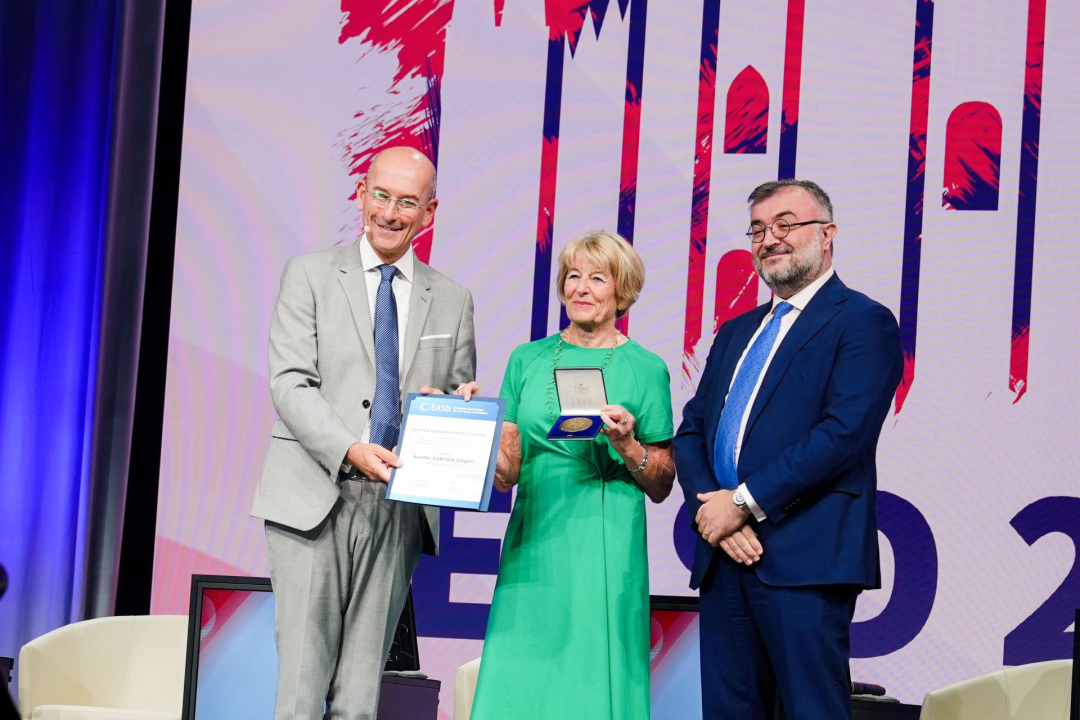 Fig.4. Award Presentation at the Conference
Diabetes heterogeneity was one of the central arguments in the presidential address. Prof. Giorgino noted that biological factors, social determinants of health, and clinical factors together shape significant differences across countries, regions, and populations in diabetes progression and complications. He specifically mentioned research establishing a wartime type 1 diabetes genomics network in Ukraine, emphasizing the need for genetic and genomic data from underrepresented populations to enhance the global applicability of knowledge. This call aligns closely with the principles of equitable access to diagnostic and treatment resources advocated by Global Council members including Prof. Ji.
Obesity was defined by Prof. Giorgino as “an old disease that is reshaping the diabetes landscape.” He noted that GLP-1 receptor agonists and emerging new targets such as amylin, activin, and myostatin are reshaping the obesity treatment landscape. On the policy side, the Italian Parliament has, for the first time, recognized obesity as a chronic disease, and France has begun reimbursing GLP-1 receptor agonists for individuals with high BMI or specific comorbidities. EASD announced it will launch an Obesity School in 2027 to systematically improve obesity management capacity among diabetes specialists.
On the clinical practice side, EASD guideline development released multiple updates at this meeting. EASD has published the diabetes distress guideline and will release the type 2 diabetes CGM management guideline on Wednesday, with guidelines on high-risk type 2 diabetes and on obesity management in older adults under development. In addition, the type 2 diabetes management consensus jointly developed with the ADA and the CKD prevention consensus jointly developed with KDIGO will also be released during the meeting.
Closing Note
The opening day’s agenda reflects EASD’s dual emphasis on scientific depth and policy implementation. The combination of major trial first disclosures, expanding guideline coverage, and explicit positioning of obesity and AI as cross-cutting themes signals continued evolution of the field. As the meeting proceeds, the MedJ endocrinology channel will continue to provide on-site coverage of hot topics, guideline releases, and expert perspectives from Milan.

