


China’s type 2 diabetes mellitus (T2DM) is characterized by a large patient population [1] and a high prevalence of comorbidities. For a long time, domestic clinical decision-making has heavily relied on international clinical trial data; however, efficacy discrepancies and safety/tolerability issues arising from ethnic differences have become major bottlenecks hindering individualized and standardized management of T2DM in China. High-quality, evidence-based medical research conducted specifically in Chinese T2DM populations—the DREAMS series studies (DREAMS-1, DREAMS-2, and DREAMS-3)—has confirmed that the dual glucagon (GCG)/glucagon-like peptide-1 (GLP-1) receptor agonist, mazdutide, offers potent glucose-lowering and weight-reducing effects, along with improvements across multiple metabolic parameters, thereby establishing a domestically grounded evidence base. Notably, the results of the DREAMS-1 and DREAMS-2 studies were simultaneously published back-to-back in the journal Nature—the first time in Nature’s history that two Phase III clinical trials have appeared back-to-back in the fields of metabolism and endocrinology.
The 23rd National Academic Conference of the Chinese Endocrine Society (CSE 2026) officially opened on August 19. In this conference,Prof. Xinhua Xiao from Peking Union Medical College Hospital was specially invited to discuss insights from the DREAMS series of studies for clinical practice, focusing on the metabolic characteristics of China’s T2DM population and real-world clinical scenarios, and to analyze an integrated, comprehensive diabetes management strategy tailored for the Chinese population.
Expert Profile: Prof. Xinhua Xiao

• M.D., Chief Physician, Professor, and Doctoral Supervisor, Department of Endocrinology, Peking Union Medical College Hospital
• Vice Chairman, Chinese Diabetes Society
• Chairman, Diabetes Branch, Beijing Medical Association
• Chairman, Diabetes Professional Committee, Chinese Research Hospital Association
• President, Diabetes Branch, China Aging Well Association
• Vice Chairman, China Metabolic Disease Prevention and Treatment Collaborative Innovation Platform
• Vice Chairman, Endocrine Professional Committee, Chinese Association of Integrative Medicine
• Recipient of the 2020 First “People’s Good Doctor – Science and Innovation Model Award”
• Recipient of the 2021 China Top 10 Medical Influence Experts award by Physician Weekly
• Deputy Editor‑in‑Chief, Chinese Journal of Diabetes; Deputy Editor, Medical Reference·Endocrinology; Deputy Editor, Chinese edition of ADA Highlights• Has published over 200 SCI articles in journals including PNAS, Diabetes Care, and Metabolism; has led multiple national‑level research grants; has received five provincial‑level scientific and technological achievement awards
• Expert reviewer for National Science and Technology Awards, National Natural Science Foundation of China, and Beijing Science and Technology Awards
• Primary research interests: pathogenesis and early prevention of diabetes, and molecular genetic studies of special disorders of glucose metabolism
Chinese Characteristics: Significant Differences in Disease Features Between China and the West—T2DM Management in China Requires Personalized Treatment
Current global diabetes management guidelines offer universally applicable reference value; however, fundamental metabolic differences exist between Eastern and Western populations. These differences mean international treatment protocols cannot be directly transplanted to the Chinese population—a recognition that forms the cornerstone of building a locally grounded evidence-based system.
From the perspective of comorbidity profiles, most Chinese patients with type 2 diabetes mellitus (T2DM) present with multiple concurrent conditions, resulting in a complex disease landscape characterized by overlapping metabolic disorders. Current epidemiological data indicate that nearly 40% of Chinese adults with T2DM have abdominal obesity [2]; the standardized prevalence of insulin resistance among Chinese adults aged ≥25 years is 29.22% [3]; approximately 65.04% have metabolic dysfunction–associated steatotic liver disease (MASLD); about 60% have hypertension; and 67% each have dyslipidemia and overweight/obesity [4–7]. The coexistence of multiple metabolic disturbances renders T2DM in the Chinese population more complex and more challenging to treat than in Western populations; thus, clinical management goals must extend beyond glycemic control alone.
Pathophysiological differences further widen ethnic disparities. Compared with Western populations, Chinese individuals with T2DM exhibit relatively poorer pancreatic β-cell function, more pronounced functional decline, and notably impaired early-phase insulin secretion [8–10]. At equivalent body mass index (BMI) levels, they tend to accumulate more visceral fat, display greater insulin resistance, and exhibit faster gastric emptying rates [11–14]. The cumulative effect of these physiological traits leads to interethnic differences in glycemic-lowering efficacy—even at identical drug doses. Directly applying international clinical trial data and dosing regimens in clinical practice may therefore cause two problems: subtherapeutic dosing, resulting in inadequate metabolic improvement; or excessive dose escalation, increasing gastrointestinal adverse events and reducing patient treatment adherence.
Therefore, the unique and complex metabolic characteristics of Chinese T2DM patients mean international clinical trial data cannot fully align with real-world clinical practice in China. There is an urgent need for an evidence-based framework tailored specifically to the Chinese population.
Indigenous Evidence-Based Breakthrough: The DREAMS Series of Studies Provides Individualized Pharmacotherapy Guidance for Chinese Patients with Type 2 Diabetes Mellitus (T2DM)
GLP-1 receptor agonists are currently core therapeutic agents for T2DM; however, the pivotal clinical trials supporting their clinical use predominantly enrolled participants of European and American descent. In these studies, the Chinese subgroup sample sizes were small, limited in scale, and lacked sufficient stratified data—making it difficult to adequately guide precision treatment for diabetic patients in China. In contrast, the DREAMS series of studies [15–17] exclusively enrolled Chinese patients with T2DM across different disease stages, generating high-quality, evidence-based medical data closely aligned with the disease characteristics and therapeutic needs of Chinese T2DM patients.
First, the ample sample size ensures the reliability of study findings. DREAMS-1, DREAMS-2, and DREAMS-3 were all conducted exclusively in Chinese patients with T2DM, collectively enrolling over 1,400 participants [15–17]—a recruitment scale exceeding that of most comparable drug trials and thereby ensuring robustness and reliability of the study data.
Second, the stratified study design covers distinct stages of T2DM progression, enabling comprehensive coverage across the entire disease course. DREAMS-1 enrolled newly diagnosed Chinese patients with T2DM whose glycemic control remained suboptimal despite diet and exercise alone. DREAMS-2 enrolled Chinese patients with relatively short disease duration (1–4 years) who had received oral antidiabetic agents but still exhibited inadequate glycemic control. DREAMS-3 enrolled Chinese patients with T2DM and comorbid obesity—a condition prevalent throughout the disease course but often becoming more pronounced in later stages and frequently coexisting with multiple metabolic abnormalities [15–17]. Collectively, these three studies implemented a cohort stratification design aligned with the natural history of T2DM: from early diagnosis through progressive stages requiring combination therapy to complex disease courses involving comorbidities—thus precisely mirroring distinct phases of T2DM development and addressing the core clinical needs of Chinese patients with multimorbidity. Consequently, they provide stratified, individualized treatment strategies better suited to real-world Chinese clinical practice.
Third, the DREAMS series transcends the traditional single-target glucose-lowering paradigm by establishing a multidimensional framework for evaluating metabolic benefits. While changes in glycated hemoglobin (HbA1c) serve as the primary endpoint, key secondary endpoints encompass multiple metabolic parameters—including body weight, liver function, lipid profiles, blood pressure, and insulin resistance indices. Clinical treatment goals have thus expanded beyond isolated glycemic control to broader domains such as weight management and improvement of hepatic health.
The DREAMS-1 study demonstrated [15] that after 24 weeks of treatment with masidutide at doses of 4 mg and 6 mg, HbA1c levels decreased from baseline by 1.57% and 2.15%, respectively (P<0.0001; Figure 1).
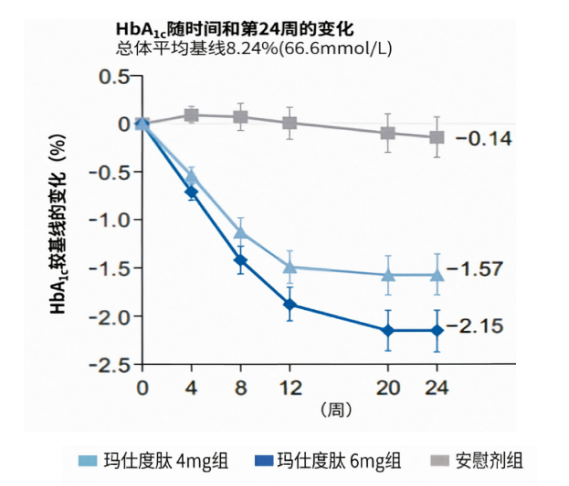 Fig. 1. Primary Endpoint of the DREAMS-1 Study
The DREAMS-2 study showed [16] that after 28 weeks of treatment with masidutide at doses of 4 mg and 6 mg, HbA1c levels decreased from baseline by 1.69% and 1.73%, respectively—both significantly greater than the reduction observed in the dulaglutide group (P<0.01; Figure 2).
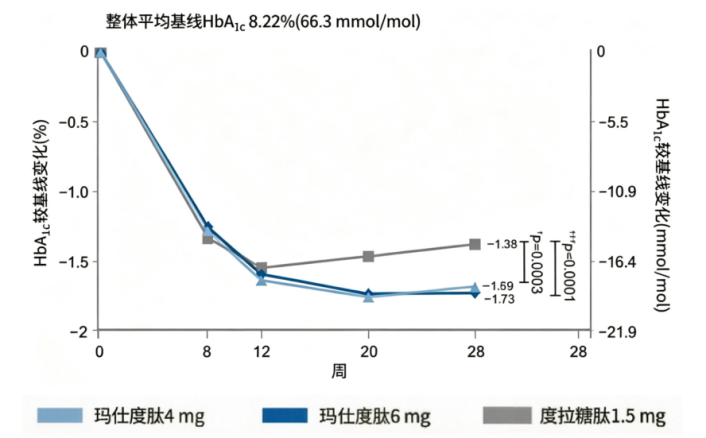 Fig.2. Primary Endpoint of the DREAMS-2 Study
The DREAMS-3 study revealed [17] that among patients receiving masidutide 6 mg, 48.0% achieved the composite endpoint of HbA1c <7.0% and ≥10% weight loss at Week 32—twice the rate observed in the semaglutide 1 mg group (P<0.0001).
Notably, in all three studies, mean baseline HbA1c levels (~8%) decreased to approximately 6.0%, falling below the diagnostic threshold of 6.5% for type 2 diabetes mellitus (T2DM), thereby achieving unexpectedly robust glycemic improvement. Moreover, masidutide conferred improvements across multiple metabolic parameters—including waist circumference, blood pressure, lipid profile, and hepatic enzymes—demonstrating broad metabolic benefits.
Finally, its favorable safety and tolerability profile makes masidutide a reassuring option for clinical use. In the DREAMS program, adverse events were predominantly mild-to-moderate gastrointestinal reactions—including diarrhea, nausea, and vomiting—which resolved spontaneously during treatment. The discontinuation rate due to adverse events was low, and no cases of severe hypoglycemia, pancreatitis, or thyroid tumors were reported—providing solid assurance for long-term management of chronic disease.
Local Evidence Empowers Clinical Practice: Reshaping the Care Pathway for Type 2 Diabetes Mellitus (T2DM)
High-quality, locally generated evidence from evidence-based medicine is an indispensable foundation for the clinical application of GLP-1 receptor agonists in China. Such evidence does more than merely support monotherapy—it fundamentally transforms the previous practice of uncritically adopting international research findings, thereby delivering profound public health value.
First, it significantly reduces diagnostic and therapeutic trial-and-error costs for patients with complex comorbidities and promotes standardized care quality across regions. Historically, clinicians could only formulate treatment strategies based on international study results—leading to prolonged adjustment cycles and high uncertainty regarding therapeutic efficacy. In contrast, China’s indigenous clinical research provides clear, stratified intervention reference standards tailored to patients with varying disease durations and complex comorbidities, narrowing the gap in care quality among hospitals at different administrative levels.
Second, it enables individualized, precision dosing and enhances long-term patient adherence to therapy. Previously, clinicians lacked dosage guidance specific to the Chinese population; direct adoption of Western or U.S. dosing regimens frequently triggered gastrointestinal adverse events, increasing the risk of premature discontinuation. Now, underpinned by high-quality local research evidence, clinicians can implement stratified dosing—optimally balancing therapeutic efficacy and safety, improving patients’overall medication experience, and facilitating standardized, long-term management of metabolic diseases.
Third, it drives a paradigm shift toward integrated management of chronic metabolic disorders. A rich, comprehensive, and robust body of evidence supports widespread application across diverse clinical settings and helps transition diabetes management from glucose-centric control to holistic, integrated care—aligning with China’s national strategy for comprehensive prevention and control of chronic metabolic diseases. Clinical practice no longer focuses solely on achieving target HbA1c levels; instead, it concurrently addresses key cardiovascular risk factors—including obesity, nonalcoholic fatty liver disease, hypertension, and dyslipidemia—to reduce the incidence of long-term complications at their source and alleviate the nationwide economic burden associated with diabetes and related chronic conditions.
As Professor Xiao Xinhua stated: “When selecting GLP-1 receptor agonists in clinical practice, we must respect data and conclusions from international studies—but even more importantly, we hope to choose agents that align with the metabolic characteristics of the Chinese population, backed by local evidence and offering greater clinical guidance value for Chinese patients.”
Conclusion
The unique disease characteristics of the Chinese T2DM population dictate that precision treatment cannot directly adopt international study data. Establishing an evidence‑based medicine system for Chinese patients is both a necessity and an imperative for precision management of metabolic chronic diseases. The DREAMS series of clinical trials—conducted exclusively in Chinese populations—cover T2DM patients across different disease stages and with comorbidities, achieve multi‑metabolic benefits, and build a complete local evidence chain that reinforces the clinical value of dual‑target agents. These studies not only provide a basis for clinical decision‑making in China but also contribute high‑quality Chinese evidence to the global academic community. As more local evidence emerges, clinical practice will continue to move away from reliance on international study data, truly achieving “treatment tailored to the individual and to the locality” and tangibly improving long‑term outcomes for millions of diabetes patients in China—while also offering a Chinese approach to global diabetes care.
References
[1] Wang L, Peng W, Zhao Z, et al. Prevalence and treatment of diabetes in China, 2013‑2018. JAMA. 2021;326(24):2498‑2506. DOI: 10.1001/jama.2021.22208.
[2] Yang Y, et al. Expert consensus on weight management in diabetic patients (2024 edition). Chinese Journal of Diabetes. 2024;16(9):959-971.
[3] Xing XY, et al. Role of insulin resistance index in diagnosing metabolic syndrome in different glucose tolerance populations. Chinese Journal of Diabetes. 2004;12(3):182-186. DOI: 10.3321/j.issn:1006-6187.2004.03.007.
[4] Chinese Society of Endocrinology, Chinese Diabetes Society. Chinese Journal of Endocrinology and Metabolism. 2021;37(7):589-598.
[5] Zhang YQ, Li Y, Dong YG, et al. A nationwide assessment of blood pressure control and the associated factors in Chinese type 2 diabetes mellitus patients. J Clin Hypertens (Greenwich). 2019;21(11):1654-1663. DOI: 10.1111/jch.13675.
[6] Yan L, Xu MT, Yuan L, et al. Prevalence of dyslipidemia and its control in type 2 diabetes: a multicenter study in endocrinology clinics of China. J Clin Lipidol. 2016;10(1):150-160. DOI: 10.1016/j.jacl.2015.10.009.
[7] Zhong VW, Yu D, Zhao L, et al. Achievement of guideline‑recommended targets in diabetes care in China: a nationwide cross‑sectional study. Ann Intern Med. 2023;176(8):1037-1046. DOI: 10.7326/M23-0442.
[8] Chen Y, et al. Rev Endocr Metab Disord. 2025;26(1):31-53.
[9] Zhang JQ, et al. Differences in insulin resistance and pancreatic β‑cell dysfunction in different glucose tolerance populations. Chinese Journal of Diabetes. 2008;16(2):68-71.
[10] Gao Y. Importance of early‑phase insulin secretion. Chinese Journal of Diabetes. 2011;19(5):384-386.
[11] He W, et al. PLoS One. 2013;8(3):e58688.
[12] Wu H, Liu LY, Wu GY, et al. Visceral fat, ectopic fat and type 2 diabetes: evidence and hypotheses. Chinese Journal of Diabetes. 2025;17(7):919-925. DOI: 10.3760/cma.j.cn115791-20241014-00615.
[13] Janssen JAMJL. International Journal of Molecular Sciences. 2025;26(18):9191.
[14] Wang X, et al. Diabetes Res Clin Pract. 2020 Jan;159:107951.
[15] Zhu D, Zhao J, Cai H, et al. Mazdutide versus placebo in Chinese adults with type 2 diabetes. Nature. 2025.
[16] Guo L, Zhang B, Xue X, et al. Mazdutide versus dulaglutide in Chinese adults with type 2 diabetes. Nature. 2025.
[17] Mazdutide vs. Semaglutide in Chinese Adults with Type 2 Diabetes and Obesity (DREAMS‑3): A Randomised, Open‑Label, Phase 3b Trial [ADA. Board No. 1226]. DOI: 10.2337/db26-1226-OR.

