


Gastric cancer peritoneal metastasis (PM) has long been a clinical “tough nut” due to its high incidence and extremely poor prognosis. Although hyperthermic intraperitoneal chemotherapy (HIPEC) has made progress in some tumor types, the survival benefit of intraperitoneal chemotherapy (IP) in gastric cancer PM has consistently lacked the clear support of high-level evidence-based medicine.
Recently, JAMA Oncology published the results of the DRAGON-01 study led by the team of Prof. Zhenggang Zhu of Ruijin Hospital, Shanghai Jiao Tong University School of Medicine, bringing breakthrough progress to this dilemma. The study is the first Phase 3 randomized controlled trial to confirm that IP chemotherapy combined with systemic treatment significantly improves overall survival (OS) in gastric cancer PM patients, with the potential to reshape the first-line treatment paradigm for this patient population [1].
 Fig. 1. Study Screenshot
Validating the Net Benefit of IP Therapy and Exploring a New Path for Peritoneal Metastasis Treatment
1. Study Design
DRAGON-01 is a multicenter, open-label, randomized controlled Phase 3 superiority clinical trial conducted at 9 centers in China. The study enrolled patients with gastric adenocarcinoma with PM confirmed laparoscopically, without extra-abdominal metastases or prior systemic treatment history, randomized 2:1 to the IP group or the systemic chemotherapy (PS) group.
A key design feature of the study is “dose matching”:
The IP group received intravenous paclitaxel 50 mg/m² combined with intraperitoneal paclitaxel 20 mg/m² on days 1 and 8 of each 21-day cycle, plus oral S-1 80 mg/m² (days 1-14).
The PS group received intravenous paclitaxel 70 mg/m² combined with S-1 80 mg/m².
The total paclitaxel dose was 70 mg/m² in both groups, with only the route of administration
differing, ensuring that any benefit observed in the IP group could be attributed to the intraperitoneal administration itself rather than to total dose differences.
2. Endpoints
The primary endpoint was OS. Secondary endpoints included progression-free survival (PFS), safety, and conversion surgery rate. The study ultimately enrolled a modified intention-to-treat (mITT) population of 222 patients (IP group 148, PS group 74). Baseline characteristics were balanced between the two groups: median age 59 years, median Peritoneal Cancer Index (PCI) score approximately 15, indicating a mid-to-high peritoneal disease burden population with strong clinical representativeness.
Dual OS and PFS Benefit, Significant Improvement in Conversion Surgery Rate
After a median long-term follow-up of 72.2 months, the study delivered an encouraging scorecard.
1. OS
Median OS in the IP group reached 19.4 months (95% CI: 17.1-22.9), versus only 13.9 months in the PS group (95% CI: 10.3-16.1), a difference of 5.5 months (HR=0.67, 95% CI: 0.50-0.90; P=0.01).
This means that adding IP paclitaxel to standard chemotherapy reduces the risk of death by 33%. The 1-, 2-, and 3-year OS rates in the IP group were 69.6%, 37.2%, and 25.0%, respectively, comprehensively exceeding those in the PS group (54.1%, 20.3%, and 12.2%), with the survival curve separation becoming more pronounced over time.
In pre-specified subgroup analyses, the OS benefit of the IP regimen was consistent: across sex, age, ECOG score, PCI score stratification, peritoneal metastasis subtypes (P1a/P1b/P1c), and ascites volume, no heterogeneity was observed (all interaction P values >0.05), fully demonstrating the universality of the regimen’s benefit.
2. PFS
PFS also showed significant benefit. Median PFS in the IP group was 11.2 months (95% CI: 9.3-14.0), versus 7.2 months in the PS group (95% CI: 5.7-11.6) (HR=0.72, 95% CI: 0.54-0.96; P=0.02). It is worth noting that the proportion of peritoneum as the first site of progression was lower in the IP group (64.2% vs 77.0%), suggesting that intraperitoneal administration plays a key role in controlling local peritoneal progression.
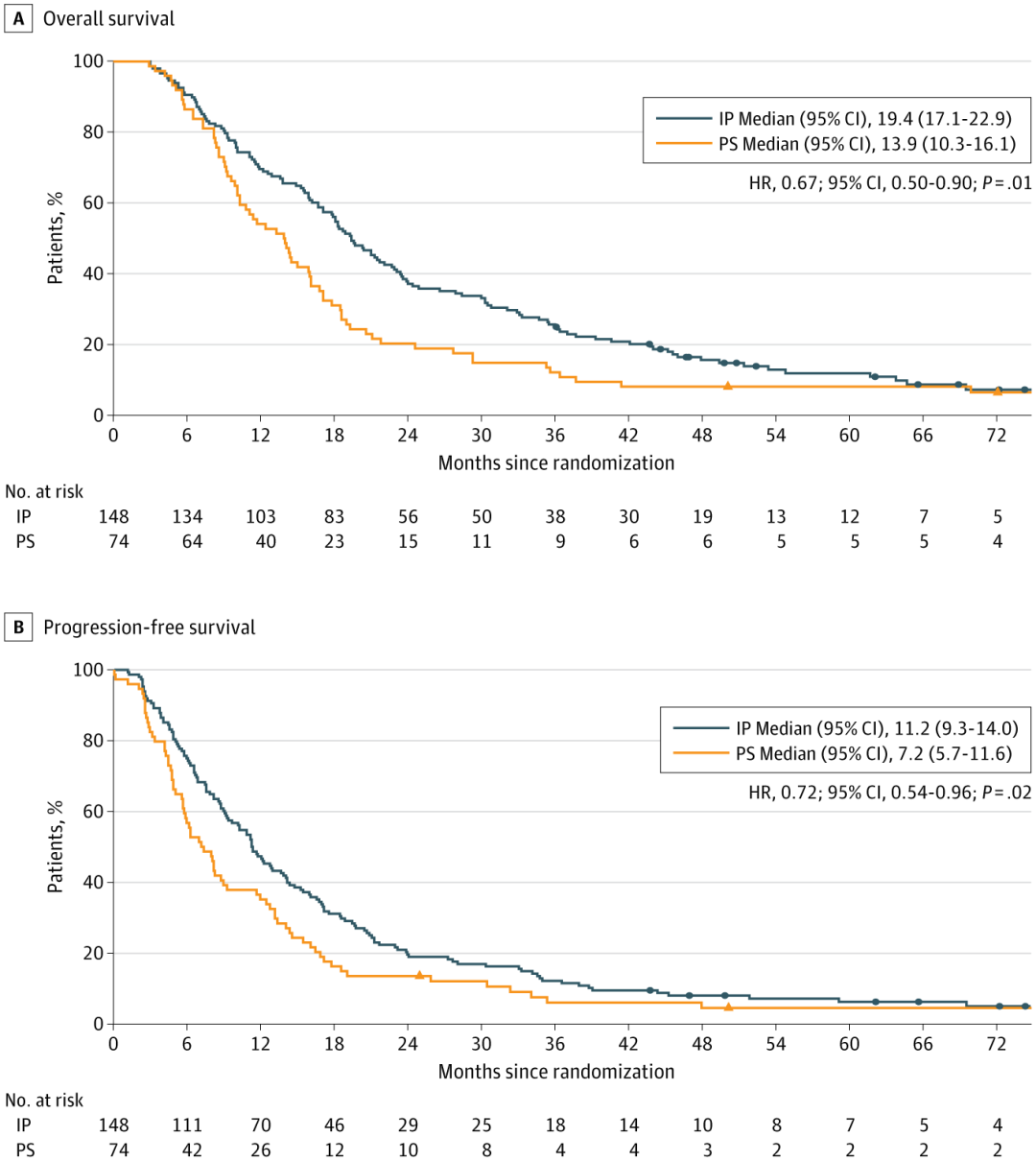 Fig. 2. Kaplan-Meier Curves for OS and PFS in Both Groups
3. Conversion Surgery Rate
The most clinically encouraging finding was the significant improvement in conversion surgery rate.
In the IP group, 75 patients (50.7%) successfully underwent conversion surgery, versus only 26 patients (35.1%) in the PS group (P=0.04). The R0 resection rate exceeded 80% in both groups, ensuring surgical quality. Among patients who underwent conversion surgery, median OS in the IP group reached 33.1 months (95% CI: 26.6-39.3), versus 18.8 months in the PS group (95% CI: 16.0-41.4) — a difference of more than 14 months, fully reflecting the decisive impact of “successful conversion + radical resection” on prognosis.
Additionally, the peritoneal cytology conversion rate was significantly higher in the IP group than in the PS group (83.6% vs 52.6%, P=0.001), providing pathological-level evidence for the outstanding effect of intraperitoneal administration on clearing free peritoneal cancer cells.
4. Safety Analysis
In terms of safety, the IP regimen demonstrated favorable tolerability. The incidence of grade ≥3 adverse events (AEs) was 38.5% in the IP group and 41.9% in the PS group; the IP group did not show compounded severe toxicity from the addition of intraperitoneal administration.
The most common grade ≥3 hematologic toxicities in both groups were leukopenia (21.6% vs 24.3%) and neutropenia (19.6% vs 23.0%); non-hematologic toxicities such as fatigue (7.4% vs 9.5%) and anorexia (5.4% vs 8.1%) occurred at similar rates, all within clinically manageable ranges. The incidence of intraperitoneal catheter-related complications specific to the IP group was 27.0%, of which 10.8% required surgical intervention.
The investigators noted that such events were concentrated in the early phase of the trial, with a marked decline in incidence later on, suggesting a “learning curve effect” that is fully manageable in centers with IP treatment experience. No treatment-related deaths occurred throughout the trial.
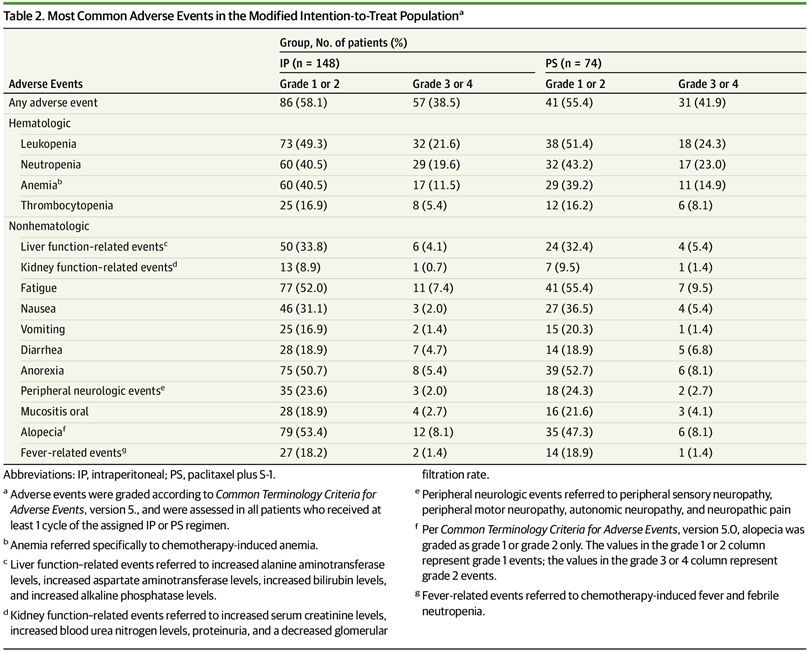 Fig. 3. Most Common AEs in the mITT Population
It is worth noting that although the IP chemotherapy regimen has achieved outstanding results in DRAGON-01, it is not intended to replace immunotherapy but rather to complement it — IP chemotherapy strengthens local disease control, while immunotherapy acts on systemic antitumor immune responses. How to organically integrate the two is a highly promising research direction.
Currently, the DRAGON-09 study combining IP paclitaxel and S-1 with a PD-1 inhibitor (e.g., sintilimab) is ongoing, with its results providing more imagination for the “local + systemic”enhanced treatment model.
Study Highlights
The value of DRAGON-01 is reflected in multiple dimensions:
First, it is the first Phase 3 randomized controlled trial to confirm that IP chemotherapy brings OS benefit, filling a long-standing evidence gap in this field;
Second, the dose-matching design allows clear attribution of the conclusion, ruling out interference from total dose differences;
Third, the ultra-long follow-up of over 72 months provides mature and reliable survival data; fourth, the median PCI score of 15 in enrolled patients represents a mid-to-high disease burden PM population, making the conclusion more universally applicable.
Summary
Overall, this study provides a new evidence-based option for first-line treatment of gastric cancer PM patients. The IP combined with IV paclitaxel + S-1 regimen elevated median OS from less than 14 months to nearly 20 months, while significantly improving the conversion surgery rate, allowing more patients to access radical treatment.
For centers equipped to perform intraperitoneal perfusion, this regimen should be an important first-line treatment option. Its mature survival data and manageable safety are sufficient to support this regimen as one of the clinical strategies for gastric cancer PM patients, and lay a solid foundation for subsequent exploration of combination immunotherapy and targeted therapy.
Reference
[1] Yan C, Yang Z, Shi Z, et al. Intraperitoneal and Intravenous Paclitaxel Plus S-1 for Gastric Cancer With Peritoneal Metastasis: A Phase 3 Randomized Clinical Trial. JAMA Oncol. Published online May 21, 2026.

