


For patients with HER2-overexpressing advanced gastric/gastroesophageal junction (G/GEJ) adenocarcinoma, trastuzumab plus chemotherapy remains the standard first-line regimen. New-generation HER2 antibody–drug conjugates (ADCs) and PD-1 inhibitors each have demonstrated synergistic mechanisms and antitumor activity in later lines, but first-line evidence for the triplet of an ADC plus an immune checkpoint inhibitor plus a fluoropyrimidine has remained limited.
A single-arm, multicenter Phase 2 study led by Prof. Lian Liu of Qilu Hospital, Shandong University, has now been published in the Journal of Clinical Oncology (JCO), providing the first complete efficacy, safety, and translational biomarker dataset for disitamab vedotin plus tislelizumab plus S-1 as first-line treatment of HER2-overexpressing advanced G/GEJ adenocarcinoma. The findings offer a new and highly effective treatment option for this patient population [1].
Fig. 1. Study Screenshot
A Phase 2, Two-Stage, Single-Arm Trial With Over 2 Years of Follow-Up
1. Study Design
This was a multicenter, single-arm, Simon two-stage Phase 2 clinical trial. Eligible patients had unresectable or metastatic G/GEJ adenocarcinoma with centrally confirmed HER2 overexpression (IHC 3+ or IHC 2+, irrespective of in situ hybridization [ISH] status) and had received no prior systemic therapy for advanced disease. Patients with autoimmune disease, active brain metastases, or significant risk of bleeding or perforation were excluded.
A total of 57 patients were enrolled in the intention-to-treat (ITT) population. Median age was 65 years; 80.7% were male; 93% had metastatic disease at baseline. HER2 stratification: IHC 3+ in 71.9%, IHC 2+/ISH+ in 17.5%, and IHC 2+/ISH− in 10.5%. PD-L1 CPS <1 was present in 54.4% of patients, closely reflecting the real-world distribution of PD-L1 in Chinese HER2-positive gastric cancer.
2. Treatment Regimen
Treatment cycles were 21 days:
l Disitamab vedotin: 2.5 mg/kg IV on day 1; up to two dose reductions permitted (2.0 mg/kg → 1.5 mg/kg).
l Tislelizumab: 200 mg IV on day 1; no dose reduction permitted.
l S-1: 40-60 mg orally twice daily on days 1-14; stepwise dose reductions permitted.
Treatment continued until disease progression, unacceptable toxicity, patient withdrawal of consent, or completion of 2 years.
3. Endpoints
Primary endpoint: objective response rate (ORR) confirmed by independent central review (ICR) per RECIST v1.1.
Secondary endpoints: progression-free survival (PFS), overall survival (OS), duration of response (DoR), disease control rate (DCR), and treatment-related adverse events (TRAEs).
Exploratory endpoints: peripheral T-cell receptor (TCR) clonality expansion score (CEscore), circulating tumor DNA (ctDNA), and tumor transcriptome biomarkers.
Key Efficacy Findings
1. Core Efficacy Data
At a median follow-up of 28.2 months, the ITT population showed efficacy that surpassed previous first-line benchmarks:
l ORR: 89.5% (95% CI 78.5-96.0), including complete response (CR) in 8.8% and partial response (PR) in 80.7%; DCR was 98.2%. In the per-protocol (PP) population, ORR rose further to 92.7%. Only one patient had best response of progressive disease (PD).
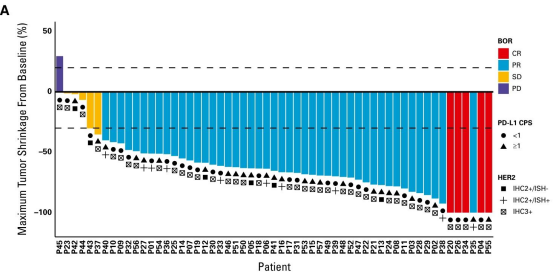 Fig. 2. Waterfall Plot of Tumor Reduction
l Survival endpoints: median PFS (mPFS) was 13.8 months (95% CI 10.3-24.0), median OS (mOS) was 31.9 months (95% CI 22.1-NR), and median DoR was 13.3 months. Compared with ToGA (mOS 13.8 months) and KEYNOTE-811 (mOS 20.0 months), the survival benefit represented a leap forward.
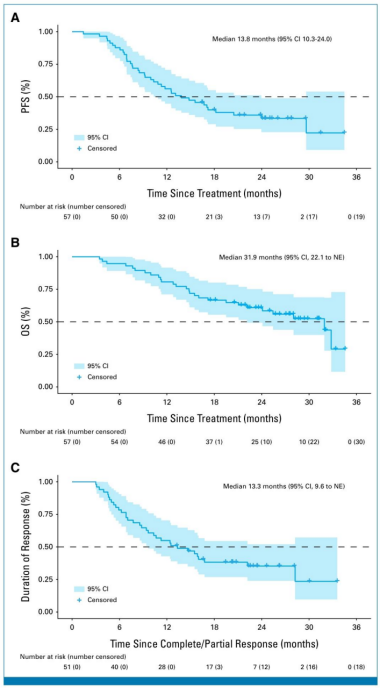
Fig. 3. PFS, OS, and DoR Survival Curves
2. Efficacy in Key Subgroups
PD-L1 stratification:
l CPS ≥1 (45.6%): ORR 92.3%, mPFS 16.7 months, mOS 31.9 months.
l CPS <1 (54.4%): ORR still reached 87.1%, mPFS 10.0 months, mOS 25.4 months.
Although the survival benefit was slightly weaker in the low-CPS subgroup, ORR remained close to 90%, surpassing the limitation observed in KEYNOTE-811, where PD-1-based combinations showed more restricted benefit in CPS <1 patients. This suggests disitamab vedotin can partially reverse primary immunotherapy resistance in PD-L1-negative populations.
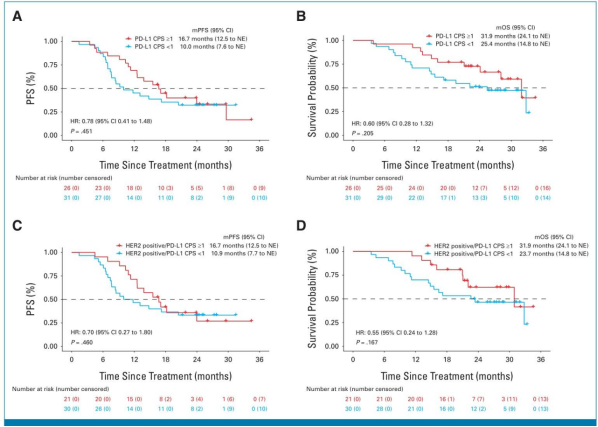 Fig. 4. PD-L1-Stratified Survival Curves
HER2 expression stratification:
l IHC 3+: ORR 90.2%, mPFS 15.6 months, mOS 31.9 months.
l IHC 2+/ISH+: ORR 100%, mPFS 18.3 months.
l IHC 2+/ISH−: ORR 66.7%.
The cleavable linker of disitamab vedotin produces a bystander killing effect, which appears to drive the 100% response rate observed in IHC 2+/ISH+ patients, extending the population that benefits from HER2-directed therapy.
3. Translational Biomarker Analyses
l TCR sequencing: patients with high post-treatment CEscore had markedly better outcomes, with mPFS 20.5 versus 8.0 months (HR=0.34, P=0.017). Even within the CPS <1 subgroup, patients with high CEscore achieved longer survival, suggesting CEscore may serve as an independent prognostic biomarker.
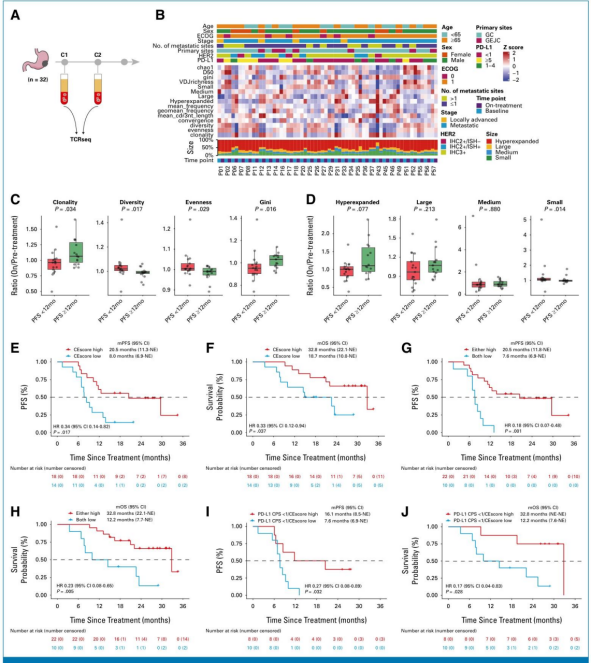 Fig. 5. CEscore-Stratified Survival Curves
l ctDNA dynamic monitoring: changes in tumor fraction (TF) could signal progression approximately 1.4 months earlier than imaging; HER2 copy number amplification was observed before progression in some patients.
l Tumor transcriptome: at disease progression, the EMT, hypoxia, and TGF-β pathways were significantly enriched, suggesting that intrinsic phenotypic switching of the tumor — rather than immune escape — was the dominant mechanism of resistance.
Safety Analysis
All 57 patients experienced at least one adverse event (AE); 98.2% experienced TRAEs. Overall toxicity was manageable, with no new unexpected safety signals:
1. Grade ≥3 TRAEs occurred in 64.9% of patients, lower than the analogous ADC triplet in the DG-03 trial (76.7%). TRAEs leading to permanent discontinuation occurred in 10.5% of patients. Two Grade 5 events occurred (1 myocardial infarction and 1 disease progression); both were judged unrelated to study treatment.
2. The most common Grade ≥3 TRAEs were hematologic: neutrophil count decrease 29.8%, leukopenia 12.3%, and anemia 10.5%. The characteristic ADC-class toxicity was Grade 3 peripheral motor neuropathy in 10.5%, attributable to the monomethyl auristatin E (MMAE) payload of disitamab vedotin.
3. Immune-related toxicity: overall pneumonitis occurred in 12.3% of patients, with only one Grade 3 event and no Grade 4/5 interstitial lung disease — a more favorable profile than trastuzumab deruxtecan (T-DXd)–containing triplets.
4. Dose adjustments: 45.6% of patients required disitamab vedotin dose reductions due to TRAEs, 17.5% required S-1 dose reductions, and no tislelizumab dose reductions were needed. This dose-optimization strategy substantially improved tolerability.
Study Highlights
1. Breakthrough efficacy: with 89.5% ORR and 31.9-month median OS, the regimen shows a meaningful survival improvement over historical benchmarks of ToGA (ORR 47%, OS 13.8 months) and KEYNOTE-811 (ORR 72.6%, OS 20.0 months), bringing new hope to this hard-to-treat population.
2. Broader population coverage: the study enrolled patients with PD-L1 CPS <1 (54.4%) and HER2 IHC 2+/ISH− (10.5%), subgroups that typically derive limited benefit from conventional anti-HER2 therapy or immunotherapy. The clear antitumor activity seen in these subgroups suggests that the bystander effect of the ADC, combined with immunotherapy synergy, may meaningfully broaden the population that benefits.
3. Mechanistic synergy evidence: exploratory analyses found that TCR CEscore was a more promising predictive biomarker than PD-L1 CPS, particularly in PD-L1-negative patients, where it effectively distinguished responders from non-responders. This provides clinical evidence that ADC-induced immunogenic cell death activates T-cell immune responses, generating synergy with PD-1 blockade.
4. Manageable safety: through careful dose optimization (reductions in disitamab vedotin), high efficacy was achieved while maintaining safety within a manageable range. In particular, the rates of interstitial pneumonitis (12.3%) and Grade ≥3 peripheral neuropathy (10.5%) sit at an acceptable level for an ADC + immunotherapy combination.
Summary
This study confirms that disitamab vedotin plus tislelizumab plus S-1 is a highly promising first-line regimen for HER2-overexpressing advanced G/GEJ adenocarcinoma, and especially addresses the unmet need in PD-L1-negative patients. The Phase 3 randomized trial RCTS2, currently underway, will compare this triplet head-to-head with the traditional standard first-line regimen; if superiority is confirmed, it has the potential to reshape the global first-line treatment landscape for HER2-positive gastric cancer. In clinical practice, this combination may be preferentially considered for patients with HER2 IHC 2+/3+ — particularly those with low PD-L1 expression — while dynamic monitoring of peripheral CEscore and ctDNA may help identify patients most likely to benefit and flag emerging resistance risk early.
Reference
[1] Li S, Liu ZM, Liu YG, et al. First-Line Disitamab Vedotin, Tislelizumab, and S-1 in HER2-Overexpressing Advanced Gastric or Gastroesophageal Junction Adenocarcinoma: A Single-Arm, Phase II Trial [J]. J Clin Oncol (2026).

