


Results from the Phase 3 DESTINY-Lung04 trial were presented at the 2026 World Conference on Lung Cancer, held in Seoul, Republic of Korea, from September 12 to 15, 2026. In previously untreated patients with unresectable locally advanced or metastatic HER2-mutated non-small cell lung cancer, trastuzumab deruxtecan improved progression-free survival and response outcomes compared with pembrolizumab plus chemotherapy.
The trial met its primary endpoint. However, no statistically significant difference in overall survival was observed at the reported analysis, and imbalances in subsequent treatment may complicate interpretation of that endpoint.
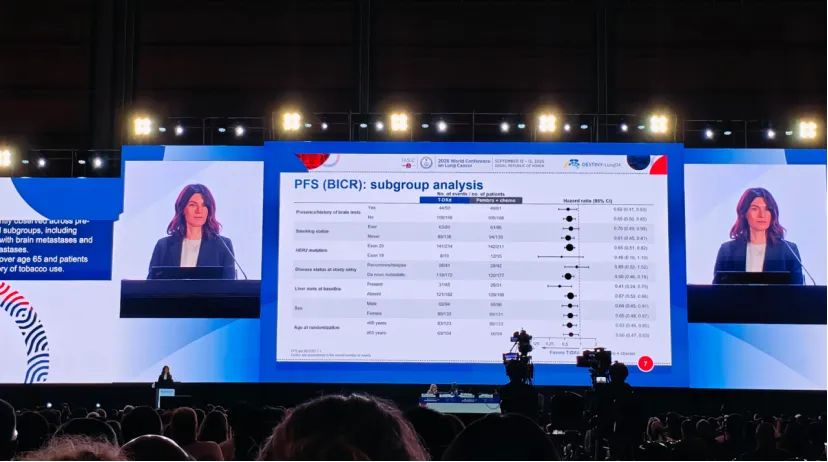
Fig. 1. Presentation of the DESTINY-Lung04 results at WCLC 2026.
Rationale and Study Design
HER2-mutated non-small cell lung cancer is generally associated with aggressive disease and poor prognosis, and some patients derive limited benefit from current first-line immunotherapy plus chemotherapy. DESTINY-Lung04 (NCT05048797) is a global, open-label, randomized, registrational Phase 3 trial evaluating first-line trastuzumab deruxtecan against pembrolizumab plus chemotherapy.
The trial enrolled treatment-naive patients with unresectable locally advanced or metastatic non-small cell lung cancer harboring a HER2 exon 19 or exon 20 mutation. Patients were randomly assigned 1:1 to trastuzumab deruxtecan 5.4 mg/kg intravenously every three weeks or pembrolizumab 200 mg intravenously every three weeks plus a platinum agent and pemetrexed. Platinum therapy comprised cisplatin 75 mg/m² or carboplatin at an area under the curve of 5, administered intravenously every three weeks; pemetrexed was given at 500 mg/m² intravenously every three weeks.
Randomization was stratified by smoking status and the presence or history of brain metastases. The primary endpoint was progression-free survival assessed by blinded independent central review according to RECIST version 1.1. Secondary endpoints included overall survival, objective response rate, duration of response, and safety.
Progression Free Survival Improved by Six Months
As of the June 9, 2026 data cutoff, 454 patients had been randomly assigned. Median follow-up was 21.6 months (range, 0.4-51.1) in the trastuzumab deruxtecan group and 20.4 months (range, 0.1-52.0) in the control group.
Median progression-free survival was 14.3 months (95% CI, 12.4-16.5) with trastuzumab deruxtecan and 8.3 months (95% CI, 7.0-9.9) with pembrolizumab plus chemotherapy. The hazard ratio was 0.63 (95% CI, 0.50-0.79; P<0.0001), corresponding to an approximately six-month improvement in median progression-free survival and a 37% reduction in the risk of disease progression or death.
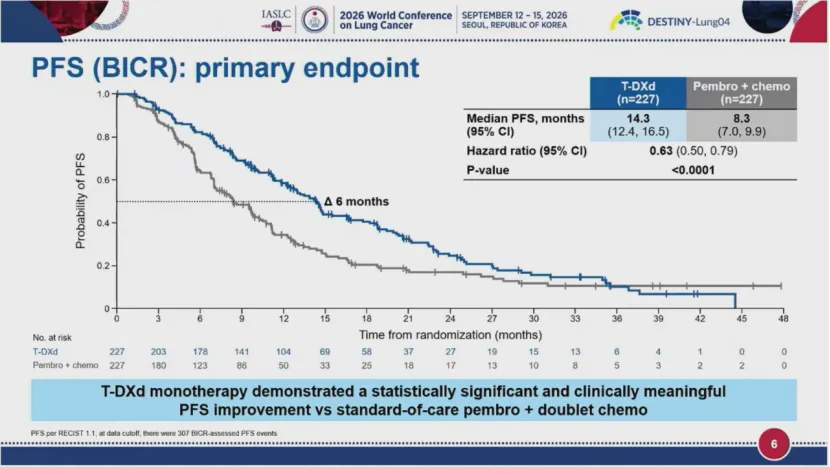
Fig. 2. Primary endpoint of blinded independent central review assessed progression-free survival in DESTINY-Lung04.
Response Rate and Duration of Response
The objective response rate was 70.0% (95% CI, 63.6%-75.9%) with trastuzumab deruxtecan and 44.5% (95% CI, 37.9%-51.2%) with pembrolizumab plus chemotherapy. The odds ratio was 2.93 (95% CI, 2.00-4.34).
Median duration of response was 13.4 months (95% CI, 10.4-17.2) in the trastuzumab deruxtecan group and 9.7 months (95% CI, 7.0-11.1) in the control group.
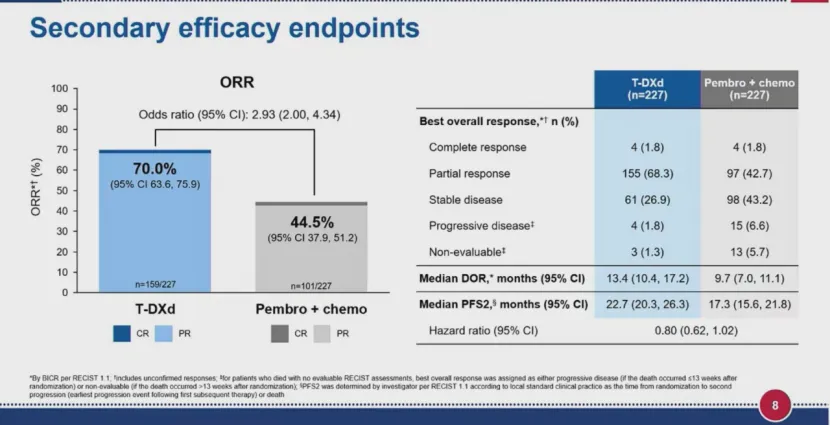
Fig. 3. Objective response rate and duration of response in DESTINY-Lung04.
Overall Survival
Median overall survival was 29.3 months (95% CI, 26.2-33.4) with trastuzumab deruxtecan and 33.1 months (95% CI, 27.7-40.7) with pembrolizumab plus chemotherapy. The hazard ratio was 1.15 (95% CI, 0.88-1.52), and the difference was not statistically significant.
Subsequent therapy mainly comprised HER2-targeted treatment and immunotherapy. Its unequal distribution between the treatment groups may have confounded interpretation of overall survival.
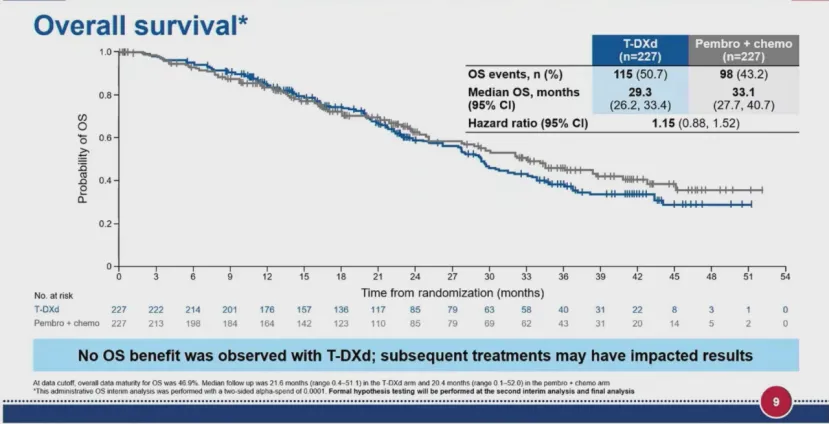
Fig. 4. Overall survival in DESTINY-Lung04.
Safety and Interstitial Lung Disease
Adjudicated drug-related interstitial lung disease or pneumonitis was reported in 47 patients (20.8%) in the trastuzumab deruxtecan group. Most of these events were grade 1 or 2 (78.7%). Five patients (2.3%) in the control group had adjudicated drug-related interstitial lung disease or pneumonitis, and all events were grade 1 or 2. The overall safety profile was consistent with the known safety profile of trastuzumab deruxtecan.
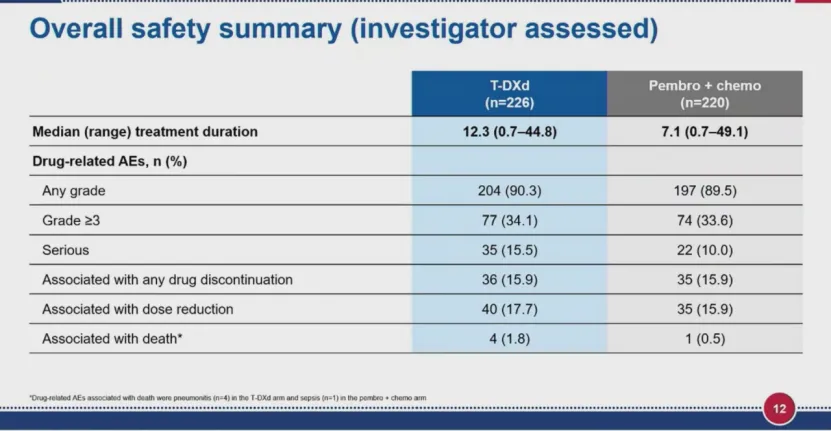
Fig. 5. Summary of safety findings in DESTINY-Lung04.
Clinical Interpretation
DESTINY-Lung04 is the first global Phase 3 trial to show a statistically significant and clinically meaningful progression-free survival improvement with first-line trastuzumab deruxtecan versus standard immunotherapy plus chemotherapy in this population. The progression-free survival, objective response rate, and duration-of-response results support trastuzumab deruxtecan as a potential first-line treatment option for advanced or metastatic HER2-mutated non-small cell lung cancer.
The absence of a statistically significant overall survival difference and the possible influence of subsequent therapies remain important considerations when interpreting the findings.

