


On the afternoon of October 18 (local time), Dr. Charles E. Geyer from the University of Pittsburgh, USA, presented the study titled “Trastuzumab deruxtecan (T-DXd) versus trastuzumab emtansine (T-DM1) in patients with high-risk HER2-positive primary breast cancer with residual invasive disease after neoadjuvant therapy: Interim analysis of DESTINY-Breast05” (Abstract #: LBA1) during the Presidential Symposium.
T-DXd Provides a More Effective Adjuvant Treatment Option for High-Risk HER2+ Breast Cancer with Non-pCR After Neoadjuvant Therapy
The DESTINY-Breast05 study is a global, multicenter, randomized, open-label, Phase III clinical trial designed to evaluate the efficacy and safety of adjuvant trastuzumab deruxtecan (T-DXd) compared to trastuzumab emtansine (T-DM1) in patients with high-risk HER2-positive (HER2+) primary breast cancer who have residual invasive disease after neoadjuvant therapy.
Efficacy Results
The study enrolled approximately 1,600 patients, randomly assigned to receive either T-DXd (5.4 mg/kg, Q3W) or T-DM1 (3.6 mg/kg, Q3W) for 14 cycles. Baseline characteristics were generally balanced between the two groups.
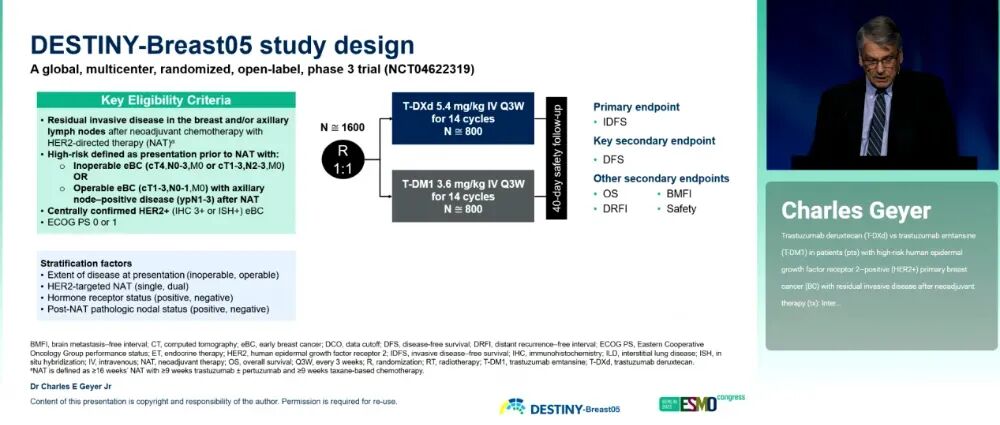
Figure 1. DESTINY-Breast05 Study Design
The results showed that the 3-year invasive disease-free survival (IDFS) rate was 92.4% in the T-DXd group, significantly higher than 83.7% in the T-DM1 group (HR = 0.47; 95% CI, 0.34–0.66; P < 0.0001).
Subgroup analyses indicated that T-DXd provided significant benefit even in patients at high risk of recurrence, including those who were initially inoperable, hormone receptor-negative (HR−), or had residual positive axillary lymph nodes after neoadjuvant therapy. Furthermore, compared to T-DM1, patients treated with T-DXd showed lower incidences of both distant recurrence (including central nervous system recurrence) and locoregional recurrence.
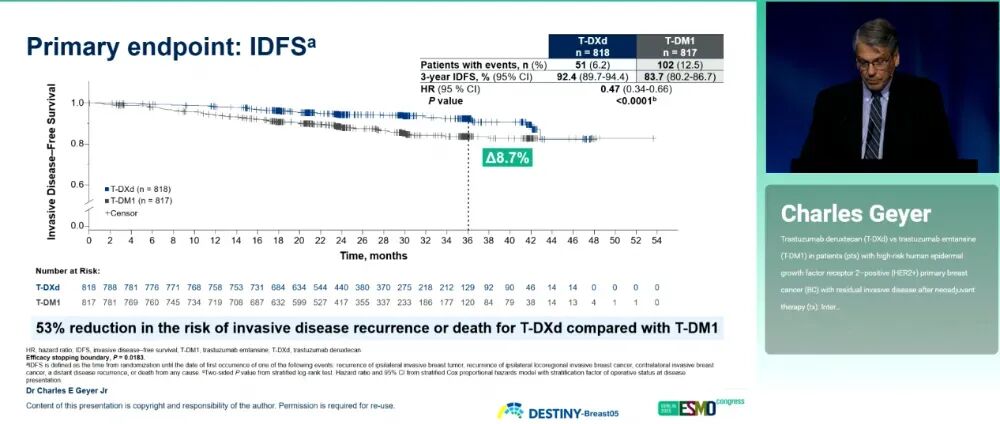 Figure 2. IDFS Data from DESTINY-Breast05
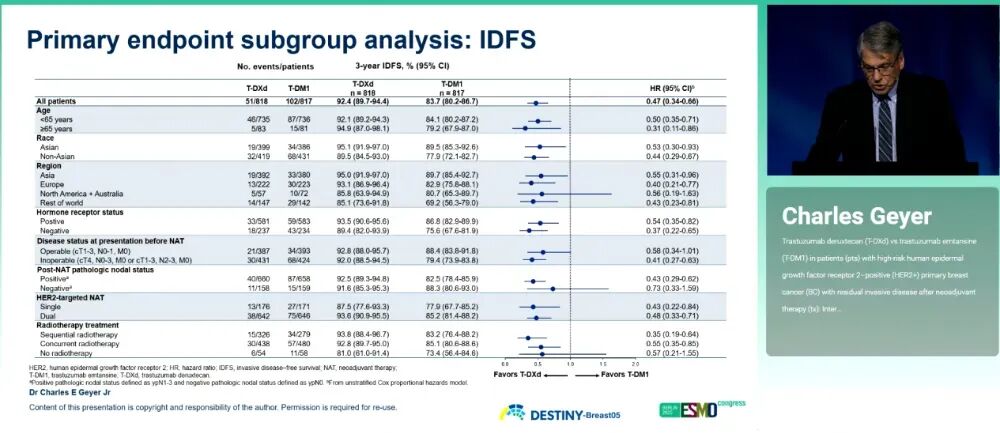
Figure 3. Subgroup Analysis of IDFS in DESTINY-Breast05
For key secondary endpoints, the 3-year disease-free survival (DFS) rate was also significantly higher in the T-DXd group (92.3%) compared to the T-DM1 group (83.5%) (HR = 0.47; 95% CI, 0.34–0.66).
In terms of distant recurrence-free interval (DRFI), the 3-year DRFI rates were 93.9% for T-DXd and 86.1% for T-DM1 (HR = 0.49; 95% CI, 0.34–0.71). Additionally, the 3-year brain metastasis-free interval (BMFI) rates were 97.6% for T-DXd and 95.8% for T-DM1 (HR = 0.64; 95% CI, 0.35–1.17). The overall survival (OS) data are not yet mature.
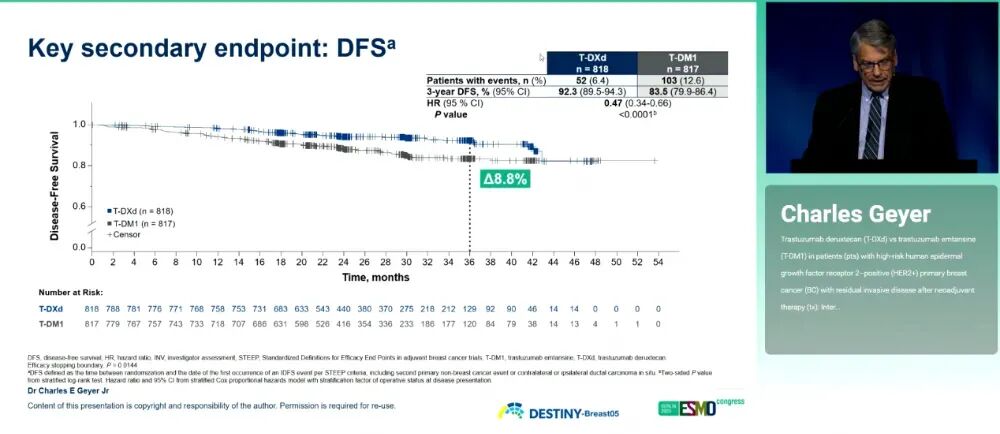
Figure 4. DFS Data from DESTINY-Breast05
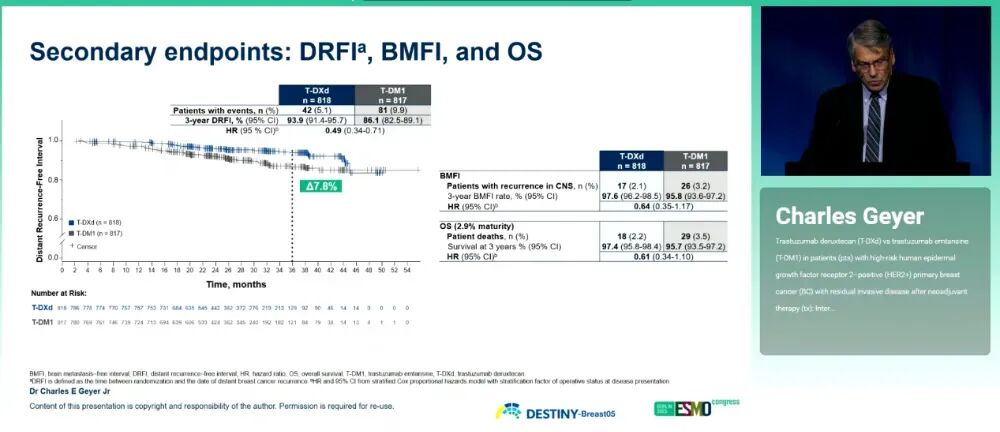 Figure 5. DRFI, BMFI, and OS Data from DESTINY-Breast05
Safety Profile
Regarding safety, over 72% of patients in both groups completed the planned treatment. The incidence of Grade ≥3 adverse events was 50.6% in the T-DXd group and 51.9% in the T-DM1 group.
No new safety signals were identified for T-DXd. Adjudicated drug-related interstitial lung disease (ILD)/pneumonitis was mostly Grade 1–2, with Grade ≥3 events occurring in only 1.1% of patients. This risk was considered manageable with appropriate monitoring and timely intervention. Overall, T-DXd demonstrated a manageable and tolerable safety profile.
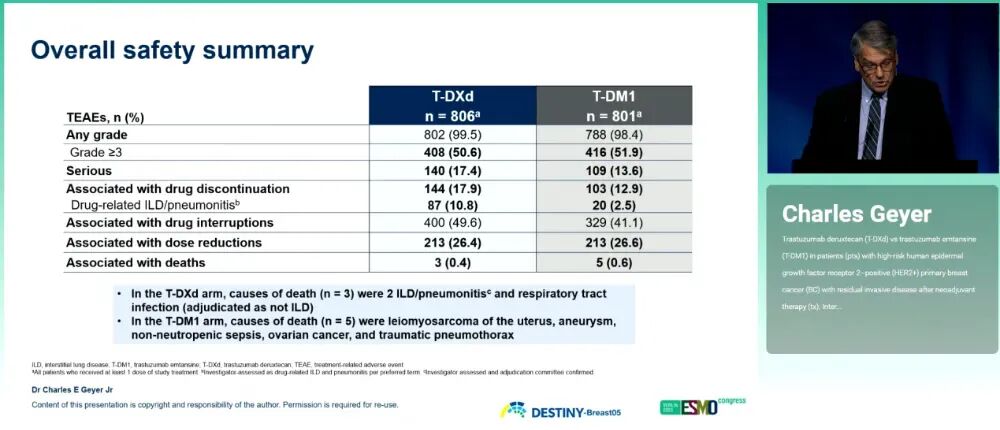 Figure 6. Overall Safety Summary for DESTINY-Breast05
Dr. Charles E. Geyer concluded: “For patients with high-risk HER2-positive early breast cancer who have residual invasive disease after neoadjuvant therapy, adjuvant T-DXd demonstrated superior IDFS and DFS benefits compared with T-DM1. These results are both statistically significant and clinically meaningful, and T-DXd has the potential to become a new standard of care for this population.”
Reference
-
Charles E. Geyer, et al. Trastuzumab deruxtecan (T-DXd) vs trastuzumab emtansine (T-DM1) in patients (pts) with high-risk human epidermal growth factor receptor 2–positive (HER2+) primary breast cancer (BC) with residual invasive disease after neoadjuvant therapy (tx): Interim analysis of DESTINY-Breast05. 2025 ESMO LBA1.

