


Circulating tumour DNA (ctDNA) makes molecular relapse risk visible earlier, but whether acting on it changes treatment and improves outcomes still has to be answered by clinical trials. From October 22 to 24, 2026, the 64th annual meeting of the Japan Society of Clinical Oncology (JSCO 2026) was held in Kobe, Japan. At the opening ESMO-JSCO joint symposium, Prof. Eiji Oki of the Department of Advanced Medicine and Innovative Technology, Kyushu University Hospital, Japan, delivered a lecture on molecular residual disease (MRD) and multimodal treatment in colorectal cancer, covering the definition of MRD and the timing of testing, ctDNA-guided postoperative management, and research directions for next-generation detection.
Expert Profile: Prof. Eiji Oki

- Director and professor, Department of Advanced Medicine and Innovative Technology, Kyushu University Hospital, Japan
- Graduated from the Faculty of Medicine, Kyushu University in 1993 and received his Doctor of Medicine degree in 1999
- Conducted research at the Dana-Farber Cancer Institute, Harvard Medical School, United States, from 1999 to 2001
- Previously lecturer and associate professor in digestive and general surgery at Kyushu University; promoted to professor in 2025
- Specialises in gastrointestinal surgery, endoscopic surgery, oncological surgery, and cancer drug therapy
- Research interests include minimally invasive, robot-assisted, and telesurgery for gastric and colorectal cancer
- Currently a council member of the Japan Society of Endoscopic Surgery and the Japan Society of Medical Oncology
Looking at One Positive or Negative Result Is Not Enough; What Matters Is How ctDNA Changes
Prof. Oki opened by distinguishing between molecular residual disease that persists after surgery, molecular regrowth in which a previously negative signal reappears, and the further progression to molecular recurrence. He argued that determining which state a patient is in requires combining the timing of blood sampling with serial test results. The 100 ppm tumour fraction threshold shown on the slides is a conceptual framework used to explain this process that remains to be validated, and should not be treated as a general clinical threshold for intervention.
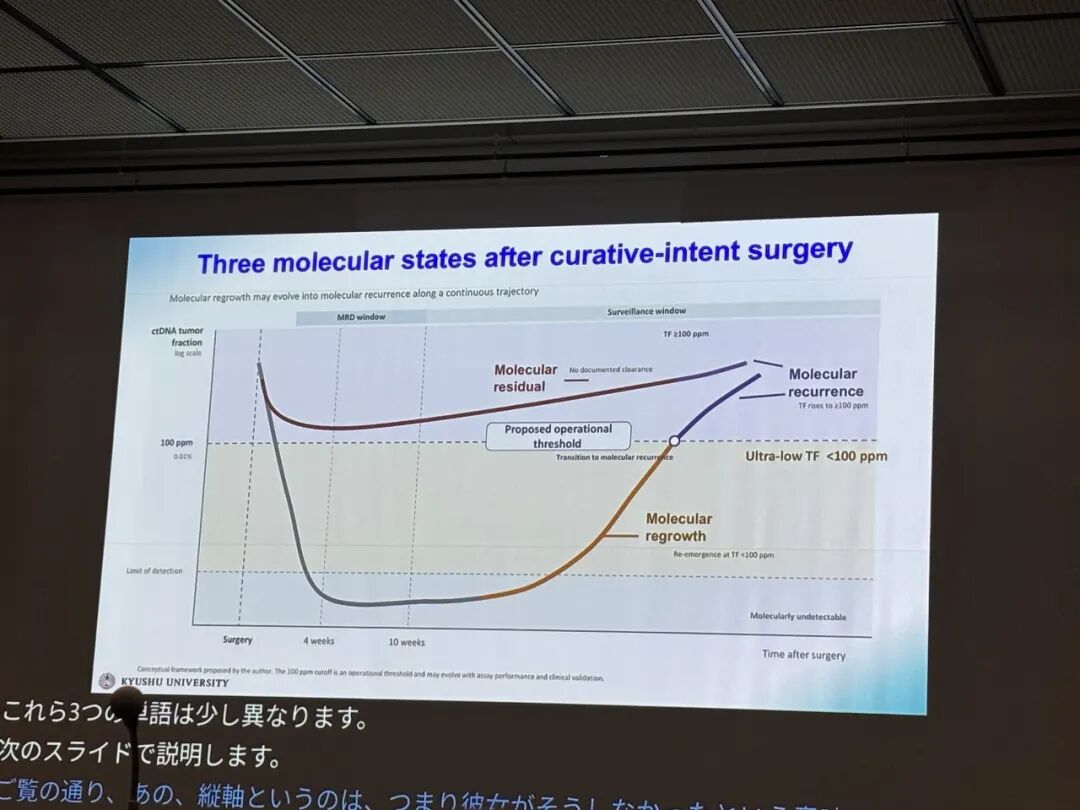 Fig. 1. Conceptual Framework for Molecular Residual Disease, Molecular Regrowth, and Molecular Recurrence Following Surgery
This perspective also runs through his presentation of the CIRCULATE-Japan GALAXY analysis. The study enrolled 1,028 patients with stage I to IV colorectal cancer who had received adjuvant chemotherapy after curative resection and had not previously received neoadjuvant chemotherapy, with a median follow-up of 30.7 months. It compared ctDNA before adjuvant chemotherapy with ctDNA at approximately 3 months on treatment, and identified five trajectories: persistently negative, conversion from positive to negative, falling but still detectable, persistently rising, and new conversion to positive during treatment.
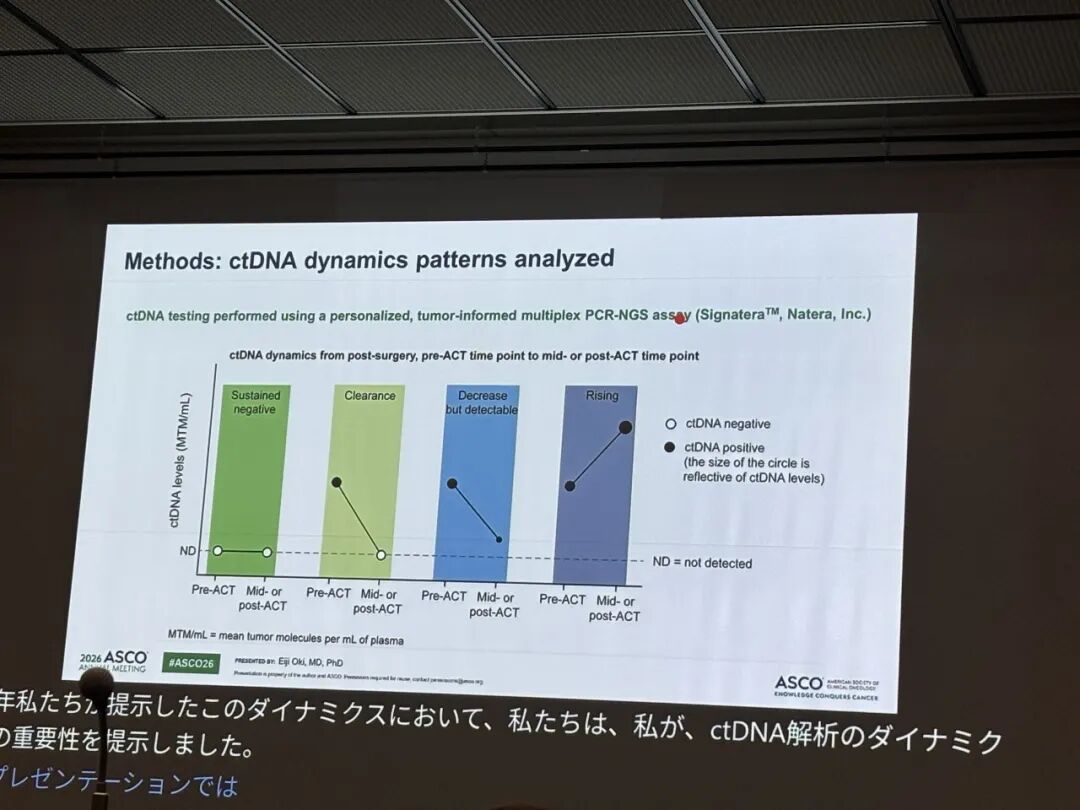 Fig. 2. Schematic of Circulating Tumour DNA Trajectories Pre and Post Adjuvant Chemotherapy
Different trajectories correspond to different recurrence risks. Further analysis by duration of adjuvant chemotherapy showed that among the 28 patients whose ctDNA fell but remained detectable, a longer course of more than 3 months was associated with longer disease-free survival (DFS): median DFS was 5.9 months versus 1.7 months (P=0.012). In patients who remained negative, converted to negative, or had rising ctDNA, no clear DFS benefit from extended chemotherapy was observed. Prof. Oki also noted in his report that patients with persistently rising ctDNA require new treatment strategies to be explored.
The chemotherapy-duration comparison in GALAXY is an observational analysis, and the subgroup in which benefit is suggested contains only 28 patients. These results can be used to generate hypotheses; they cannot determine that patients should stop treatment early or extend it.
What Randomised Trials Warn: Identifying High Risk Is Not the Same as Treatment Intensification Working
Prof. Oki then turned to randomised trials testing ctDNA-guided treatment strategies. The DYNAMIC-III trial tested ctDNA in stage III colon cancer 5 to 6 weeks after surgery and randomly assigned patients to ctDNA-guided management or standard management. Of 968 evaluable patients, 702 were ctDNA-negative.
In the ctDNA-negative population, guidance to de-escalate reduced oxaliplatin use from 88.6% in the standard management arm to 34.8%, and treatment-related hospitalisation from 13.2% to 8.5%; however, 3-year recurrence-free survival (RFS) was 85.3% versus 88.1%, and the prespecified non-inferiority criterion was not met. In the ctDNA-positive population, intensified treatment did not improve 2-year RFS. In other words, the trial confirmed the risk-stratification value of ctDNA, but did not show that the tested dose-escalation and dose-reduction strategies were superior to standard management.
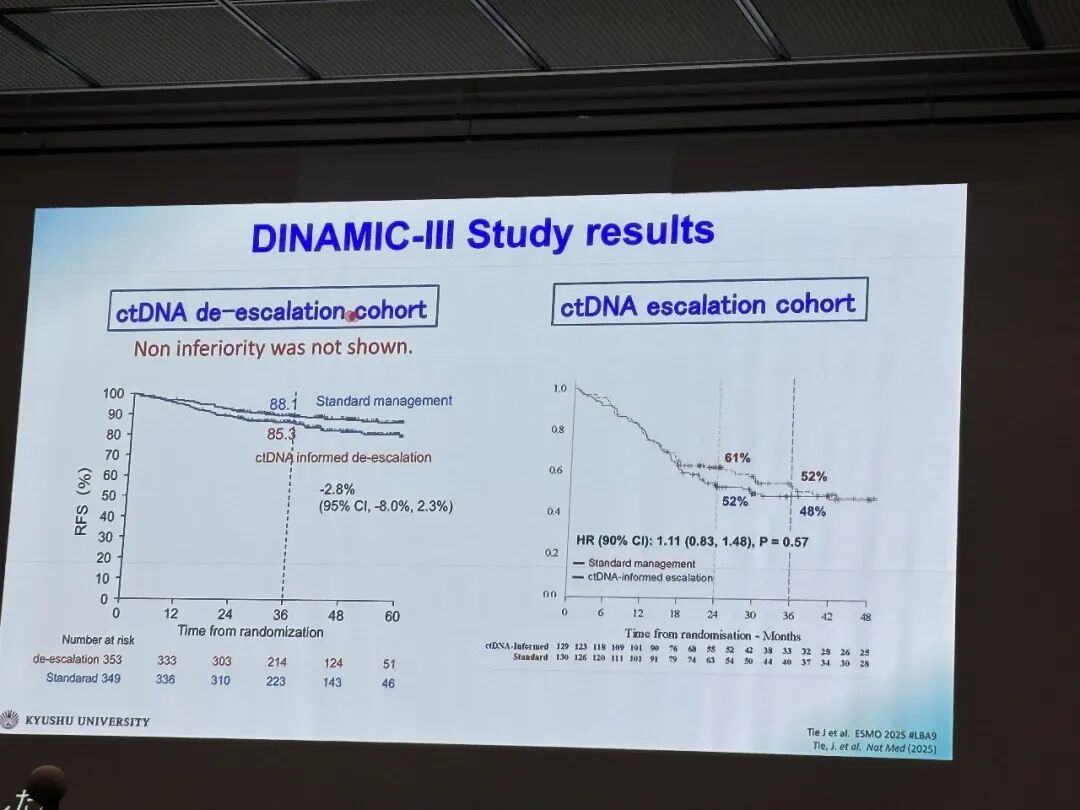 Fig. 3. Results of Circulating Tumour DNA-Guided Dose Reduction and Dose Intensification in the DYNAMIC-III Trial
The ALTAIR study moved the point of intervention forward to the stage where recurrence is not yet visible on imaging but ctDNA is detected after standard treatment. This double-blind phase 3 trial randomly assigned 243 patients to trifluridine/tipiracil (FTD/TPI) or placebo for 6 months. At the July 18, 2024 data cutoff, median DFS was 9.30 months and 5.55 months in the two groups, but the difference did not reach statistical significance (HR=0.79, 95% CI 0.60-1.05; P=0.107), and the primary endpoint was not met. Grade 3 or higher haematological adverse events occurred in 73.0% and 3.3% respectively. The benefit signal in the stage IV subgroup remains an exploratory result that requires further validation.
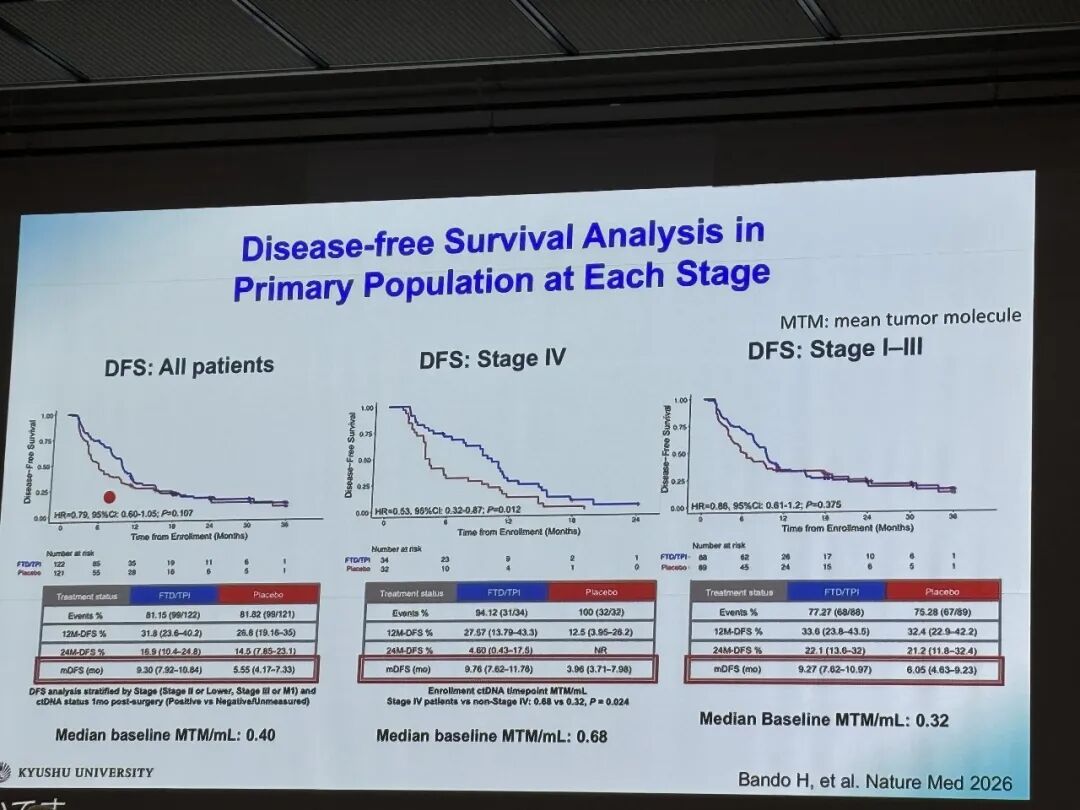 Fig. 4. DFS Analysis in the Overall Population and Stage Subgroups in the ALTAIR Trial
The two randomised trials together indicate that ctDNA positivity can signal risk but cannot guarantee that earlier use or greater intensity of existing chemotherapy regimens will change outcomes; ctDNA negativity alone also cannot serve as the basis for omitting standard treatment.
After Resection of Liver Metastases, MRD May Help Identify Patients Who Benefit from Adjuvant Therapy
In the surgical management section, Prof. Oki presented the colorectal liver metastasis resection analysis from the GALAXY study. The study enrolled 298 patients with a median follow-up of 43.2 months, of whom 191 went directly to surgery and 107 received neoadjuvant chemotherapy first. MRD positivity 2 to 10 weeks after surgery was associated with worse survival outcomes.
In the direct surgery cohort, adjuvant chemotherapy in MRD-positive patients was associated with better overall survival (OS) compared with observation (HR=0.27, 95% CI 0.08-0.88; P=0.03); in MRD-negative patients no clear OS difference was observed (HR=0.54, 95% CI 0.10-2.88; P=0.47). This is not a randomised treatment comparison, and the number of MRD-positive patients who received adjuvant chemotherapy was small. The former result does not prove that adjuvant chemotherapy necessarily confers a survival benefit, and the latter does not prove that MRD-negative patients can safely forgo chemotherapy.
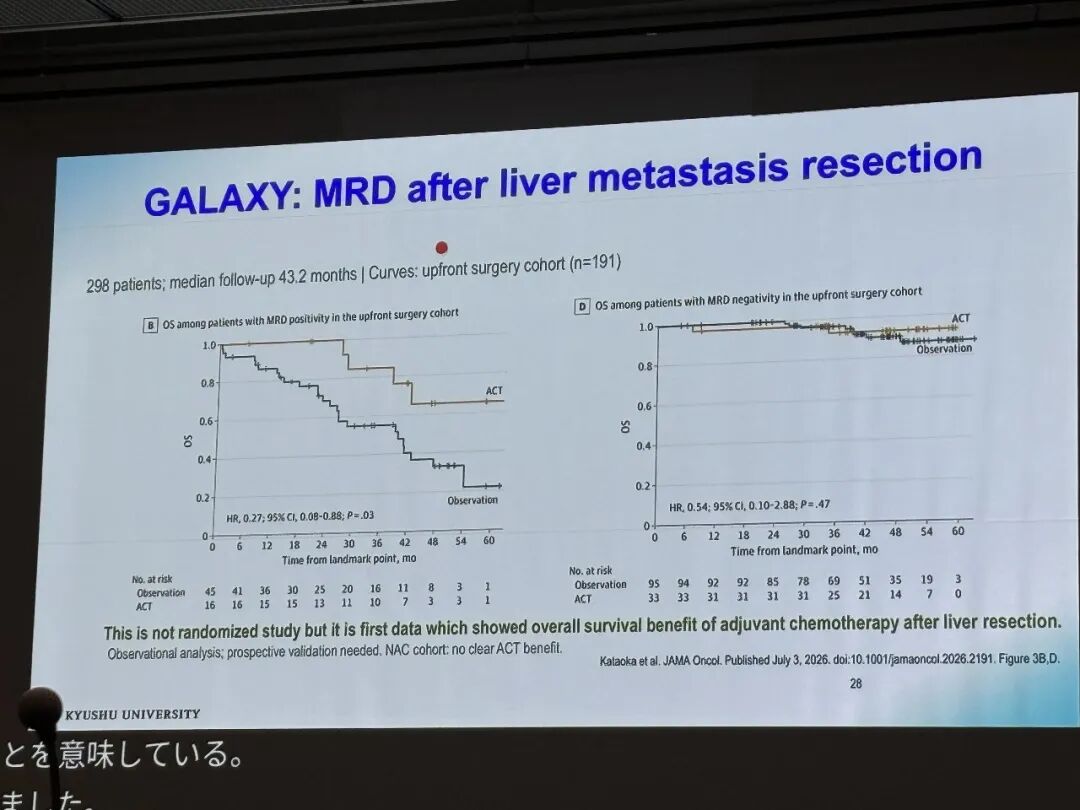 Fig. 5. Overall Survival Curves Stratified by Postoperative MRD Status in the GALAXY Direct Surgery Cohort
From Detecting Earlier to Treating Better, Two Hurdles Remain
On treatment decisions, the report introduced the ongoing VEGA study. The study plans to enrol 1,000 high-risk stage II or low-risk stage III colon cancer patients who were ctDNA-positive before surgery and turned negative afterwards, comparing 3 months of CAPOX adjuvant chemotherapy with no adjuvant chemotherapy. Its purpose is precisely to test whether a dose-reduction strategy can hold in this specific population, and a study design cannot be taken as a treatment conclusion. For management after resection of metastatic disease, Prof. Oki also showed the design of the COSMOS series of studies.
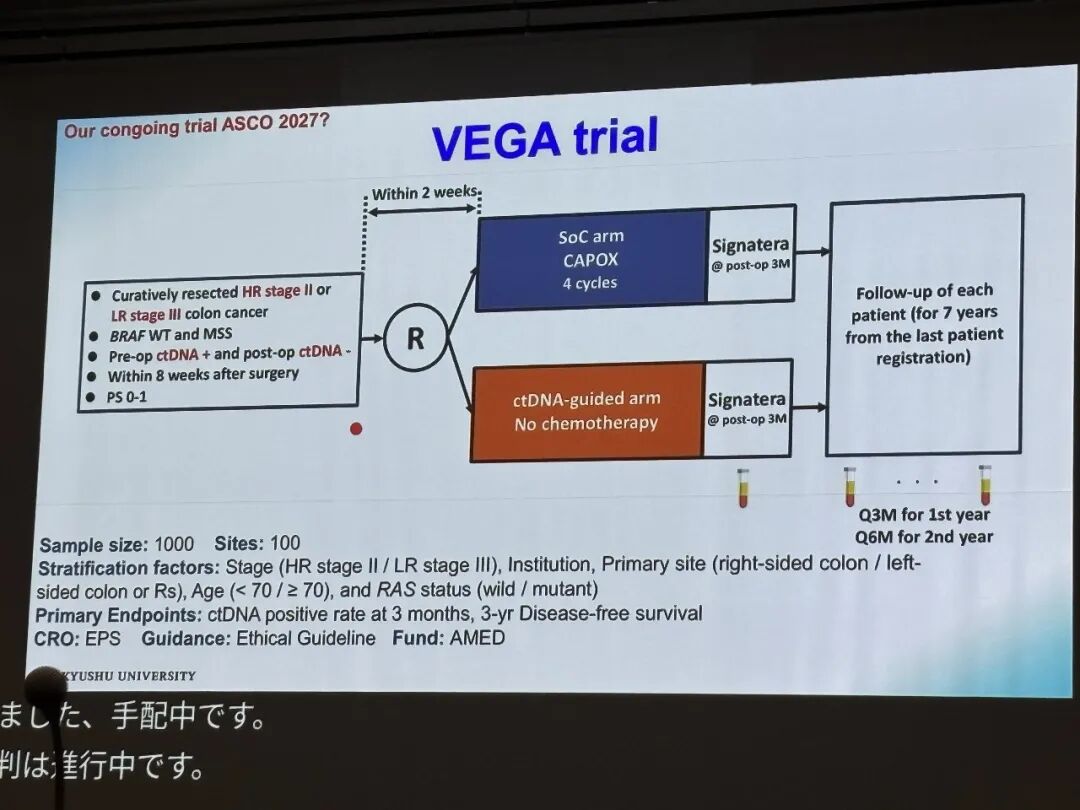 Fig. 6. Design of the VEGA Trial Comparing CAPOX Adjuvant Chemotherapy with No Adjuvant Chemotherapy
The second hurdle lies in the detection itself. Prof. Oki introduced MONSTAR-SCREEN-3, a programme that builds individualised assay panels based on whole-genome sequencing and performs longitudinal MRD monitoring. Presentation slides showed that ctDNA was detected in 384 of 389 cases (98.7%) in pretreatment baseline samples across multiple cancer types; this figure cannot be interpreted as the sensitivity of postoperative MRD detection. A separate early analysis in colorectal cancer at 1 month after surgery showed a median DFS of 6.0 months in the 29 ctDNA-positive patients, while the 101 ctDNA-negative patients had not reached the median (P<0.001). Follow-up in that analysis is short and requires longer-term validation.
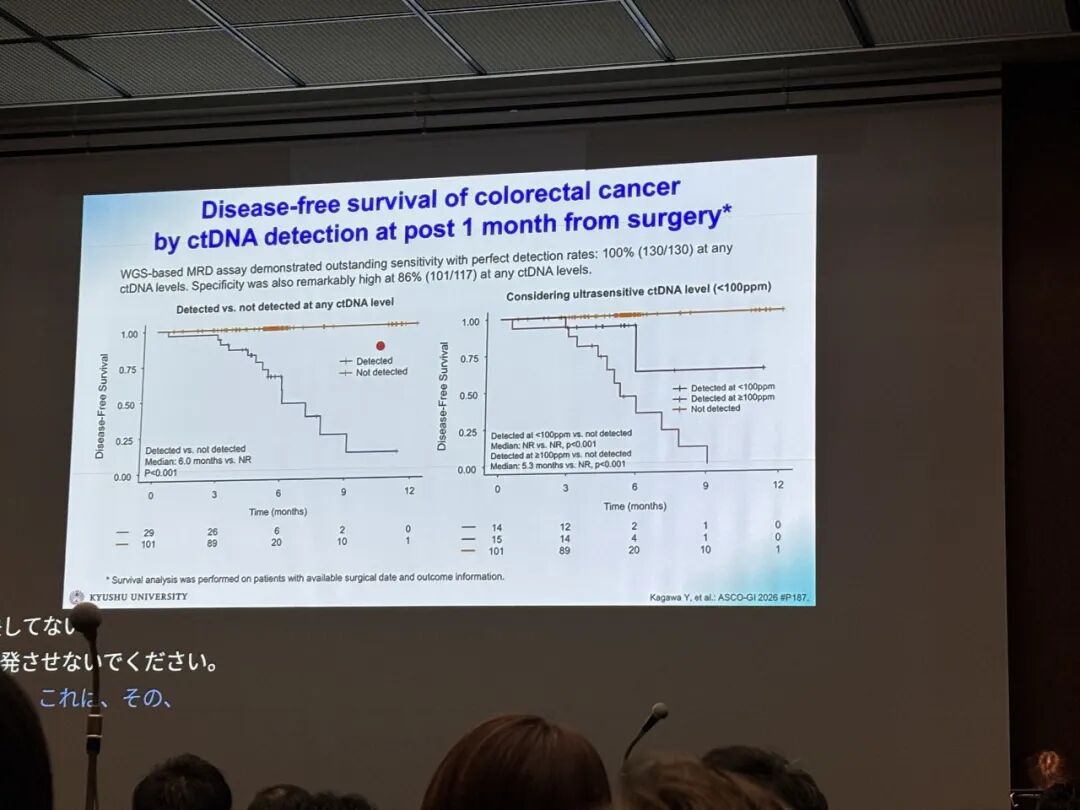 Fig. 7. Early Analysis of Circulating Tumour DNA Detection Status 1 Month after Surgery and DFS in Colorectal Cancer
Prof. Oki’s report placed the clinical question on a single point: detecting molecular risk is only the start of precision treatment. Detection methods need validation in real postoperative settings, and intervention strategies need to demonstrate net benefit in clearly defined stages and populations. Until then, associations with treatment duration in observational studies, subgroup signals, and earlier molecular detection should serve as the basis for designing the next trial, not as a substitute for treatment decisions that have already been validated.
Article Key Points
- The 100 ppm tumour fraction threshold is a conceptual framework awaiting validation, not a clinical action threshold
- In GALAXY, 1,028 patients were followed for a median of 30.7 months and five ctDNA trajectories were identified
- Among 28 patients whose ctDNA fell but stayed detectable, median DFS was 5.9 versus 1.7 months
- DYNAMIC-III missed its non-inferiority margin in 702 ctDNA-negative patients, with 3-year RFS of 85.3% versus 88.1%
- ALTAIR met no primary endpoint, with median DFS of 9.30 versus 5.55 months and HR 0.79 (95% CI 0.60-1.05; P=0.107)
- In the GALAXY liver metastasis analysis, MRD-positive patients on adjuvant chemotherapy had HR 0.27
- That liver metastasis analysis was non-randomised, and the MRD-negative subgroup showed no clear OS difference
- MONSTAR-SCREEN-3 detected ctDNA in 98.7% of pretreatment baseline samples, which is not a postoperative MRD sensitivity
Reference
[1] Yamamoto H, et al. Informing optimal duration of adjuvant chemotherapy in resected stage I-IV colorectal cancer based on early ctDNA dynamics[J]. J Clin Oncol, 2026, 44(Suppl): 3501.
[2] Tie J, et al. Circulating tumor DNA-guided adjuvant therapy in locally advanced colon cancer: the randomized phase 2/3 DYNAMIC-III trial[J]. Nat Med, 2025.
[3] Bando H, et al. Post-adjuvant chemotherapy in ctDNA-positive patients with resected colorectal cancer: a randomized phase 3 trial[J]. Nat Med, 2026.
[4] Kataoka K, et al. Circulating tumor DNA status and adjuvant chemotherapy in resected colorectal liver metastases[J]. JAMA Oncol, 2026, 12: 950-959.
[5] VEGA trial(jRCT1031200006)[EB/OL]. Japan Registry of Clinical Trials, 2020 [2026-11-06].https://jrct.mhlw.go.jp/latest-detail/jRCT1031200006.

