


Introduction
As one of the most influential academic conferences on obesity in China, the 5th China Obesity Conference (COC2026) will be held in Beijing from 7 to 9 August 2026. The meeting will bring together experts in bariatric and metabolic surgery, endocrinology and metabolism, clinical nutrition, cardiovascular disease, public health, and basic research to discuss the latest advances and future trends in obesity prevention and treatment.
Ahead of the meeting, MedJ Endocrine Channel invited presidium experts from the China Obesity Federation (COF) to share the latest research priorities, innovative treatment concepts, and future directions in obesity, building momentum for COC2026. In this installment, Prof. Linong Ji of Peking University People’s Hospital reviews the innovative drug development in metabolic disease presented at the American Diabetes Association Scientific Sessions (ADA 2026), and the latest trends toward long-term, precision, and individualized management of metabolic disease.
Q&A
This year’s ADA meeting featured several innovative metabolic disease drug studies from your team. Could you share those findings with us, and how do these advances reflect the current trends in obesity treatment?
Prof. Linong Ji:
At this year’s ADA meeting, our team presented multiple research outputs from the metabolic disease field. Among them, the GLORY-2 study was presented at the meeting and simultaneously published in JAMA. The results show that, building on the previous mazdutide 6 mg regimen, increasing the dose to 9 mg further improves weight and metabolic measures, providing new clinical evidence and a treatment option for more effective weight control in Chinese patients with obesity with a body mass index (BMI) of 30 kg/m² or above.
This year’s ADA meeting engaged in broad discussion around obesity prevention and treatment, addressing not only the optimization of obesity management strategies and the construction of a global obesity prevention and treatment system, but also showcasing several new advances in obesity therapy. The meeting released research results for multiple novel weight-loss drugs, including early-stage clinical research on multi-target agents, and exploration of combining existing pharmacotherapy with individualized behavioral management to further enhance weight-loss outcomes.
In addition, the meeting reported Phase 2 clinical results for a novel long-acting glucagon-like peptide-1 (GLP-1) receptor agonist in a monthly formulation, as well as a novel oral GLP-1 receptor agonist. These new therapeutic options not only further expand the treatment choices for obesity, but are also expected to improve adherence in long-term weight management, providing new tools for the long-term standardized management of obesity.
About the Expert — Prof. Linong Ji
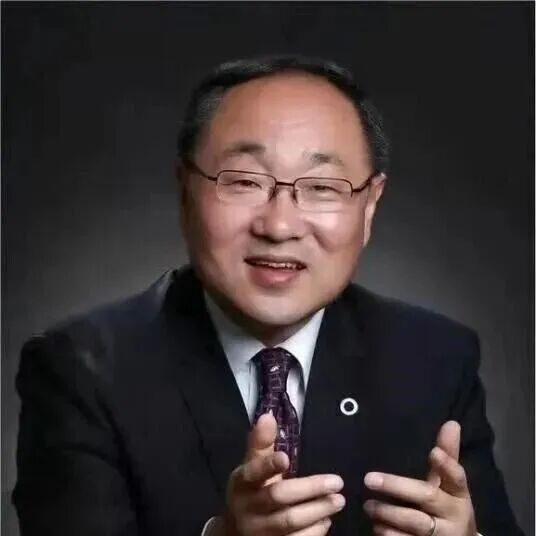
- Director, Department of Endocrinology, Peking University People’s Hospital; Director, Peking University Diabetes Center; doctoral supervisor; recipient of the State Council Special Allowance.
- Graduated from Beijing Medical University in 1986. Studied and worked at the Joslin Diabetes Center, Harvard University, from 1993 to 1998.
- Chair, Diabetes and Metabolic Disease Drug Clinical Research Committee, China Pharmaceutical Innovation Association (PhIRDA); Co-Chair, China Cardio-Metabolic Alliance; Vice President, Chinese Stroke Association; Vice Chair, China Obesity Federation (COF); Council Member, Chinese Medical Association; Standing Council Member, Chinese Preventive Medicine Association; Standing Council Member, Chinese Geriatric Health Medicine Research Association; Council Member, Beijing Medical Association; Chair, Endocrinology Committee of Beijing Medical Association; World Health Organization Consultant; Member, Diabetes Policy Group, International Diabetes Federation — Western Pacific Region (IDF-WPR).
- Former positions include: 1st President, Chinese Endocrine and Metabolic Physicians Branch, Chinese Medical Doctor Association; 2nd Chair, Endocrinology and Metabolism Branch, Chinese Geriatric Health Research Association; 4th Chair, Beijing Diabetes Professional Committee; 6th Chair, Chinese Medical Association Diabetes Branch; 1st President, Beijing Perioperative Medical Association; Vice President, International Diabetes Federation (IDF); President, IDF Western Pacific Region (IDF-WPR).
- Editorial roles: Editor-in-Chief, Chinese Journal of Diabetes; Advisor, Chinese Journal of Diabetes Mellitus; Executive Editor, Journal of Diabetes Investigation; Editorial Board member of Diabetes Care, Diabetes Research and Clinical Practice, Journal of Diabetes, Metabolism, and Diabetes Technology and Therapeutics; Elsevier “Highly Cited Chinese Researcher” (2020-2023); included in the World’s Top 2% Scientists list (2023-2024).

