


On October 26, 2026, Beijing time, the phase 3 CLARITY-Gastric 01 (CG01) study of the CLDN18.2-targeted antibody-drug conjugate (ADC) sonesitatug vedotin (Sone-Ve) was reported orally as a late-breaking abstract (LBA7) at the ESMO Presidential Symposium, with the primary analysis results. This randomized phase 3 trial, led by Prof. Rui-Hua Xu, an academician of the Chinese Academy of Engineering at Sun Yat-sen University Cancer Center, and spanning 175 centers in 19 countries, addressed whether CLDN18.2-targeted therapy can translate into an overall survival (OS) benefit in second- or later-line (2L+) gastric cancer [1]. The OS endpoint was positive: median OS in the 2L+ population reached 10.6 months on Sone-Ve, with the risk of death reduced by 42% (HR 0.58). This provides phase 3 survival evidence for Sone-Ve in later-line CLDN18.2-positive advanced gastric cancer, marking the drug’s transition from early clinical exploration to high-level comparative evidence.
Beyond the OS primary endpoint, which confirmed a survival advantage over standard treatment, enrolment at ≥25% of tumor cells at any staining intensity and the subgroup analyses support a highly consistent survival benefit across CLDN18.2 expression levels. For clinical decision-making in CLDN18.2-positive advanced gastric cancer, the question is no longer whether the target is present, but which drug class should be matched to a specific expression threshold.
Article Key Points
- Phase 3 CLARITY-Gastric 01 (LBA7): Sone-Ve vs investigator’s choice in 2L+ CLDN18.2-positive GEC
- Global trial in 19 countries and 175 centers; 532 randomized (Sone-Ve 267 vs control 265), 1:1
- Enrolment required CLDN18.2 staining in ≥25% of tumor cells at any staining intensity
- Primary endpoint met: OS in 3L+, 10.0 vs 5.0 months (HR 0.47, 95% CI 0.36-0.62, P<0.000001)
- OS in 2L+ ITT: 10.6 vs 6.4 months (HR 0.58, 95% CI 0.47-0.73, P=0.000004)
- OS consistent by expression: ≥75% HR 0.59; 25% to <75% HR 0.63
- Co-primary BICR PFS in 2L+ ITT not significant: 4.2 vs 3.8 months (HR 0.77, P=0.053); INV HR 0.59
- ORR 23.3% vs 13.8%; DOR 8.5 vs 6.8 months; DCR 70.4% vs 55.6%
- Grade ≥3 TRAEs 36.4% vs 44.8%; grade ≥3 neutropenia 10.3% vs 25.1%; grade ≥3 neuropathy 0.8%
- Discontinuation due to AEs 3.1%; 60% had peritoneal metastasis; 2L subgroup OS HR 0.88
- Evidence status: LBA7 congress abstract; not yet peer-reviewed
Background: The Unmet Need in Later-Line Gastric Cancer
Gastric cancer is one of the most common malignancies worldwide and carries a high mortality rate. The latest GLOBOCAN 2024 estimates put new cases at approximately 980,000 and deaths at approximately 642,000 globally each year, with China accounting for roughly one third of new cases [2]. Prognosis in advanced gastric cancer remains poor and treatment options are limited. As precision treatment guided by molecular subtypes continues to deepen, drug development and clinical exploration for targets such as HER2 and CLDN18.2 have expanded, giving patients more individualized treatment options [3,4].
CLDN18.2 is a tight junction protein expressed specifically in normal gastric mucosal epithelium. When malignant transformation causes loss of cell polarity, its epitopes become exposed on the cell surface. Depending on the threshold used to define positivity, CLDN18.2 is expressed in 40% to 80% of gastroesophageal cancers [5], and this high prevalence makes it a target of considerable clinical value.
The clinical question is difficult. Once the clinical value of CLDN18.2 was defined, could survival actually be improved in patients with CLDN18.2-positive advanced gastric cancer? Standard regimens based on chemotherapy or antiangiogenic agents currently yield a median OS below 10 months in the second line, and single-agent chemotherapy in the third line or beyond delivers a median OS of less than 6 months [6,7]. Faced with this long-standing efficacy ceiling in later-line disease, new strategies that can break the deadlock are needed.
Against this backdrop, the emergence of ADC drugs has opened new possibilities for later-line treatment of CLDN18.2-positive gastric cancer. These agents combine the precise identification of a targeted antibody with the potent killing capacity of a cytotoxic payload, and the bystander effect allows them to cover additionally lesions with low or heterogeneous target expression. In early exploration, several CLDN18.2 ADCs have shown clear antitumor activity and potential for prolonged survival, but their small single-arm designs have left phase 3 confirmation outstanding. The CG01 study presented at this ESMO Congress, with a phase 3 OS-positive result, has completed the transition from preliminary benefit to confirmatory clinical evidence.
Sone-Ve: Differentiated Design and Clinical Development
Sone-Ve is a CLDN18.2-targeted ADC with a differentiated molecular design. It consists of a humanized antibody targeting CLDN18.2 (CM311) covalently conjugated, through a protease-cleavable valine-citrulline dipeptide linker, to the microtubule-disrupting payload monomethyl auristatin E (MMAE), with a drug-to-antibody ratio of approximately 4. After internalization, the released MMAE has high membrane permeability: it kills target-bound positive cells and also diffuses to adjacent low-expressing or non-expressing cells through the bystander effect. This mechanism addresses the spatial heterogeneity of CLDN18.2 expression and allows antitumor activity across a broader range of expression thresholds.
Early clinical exploration established the mechanistic advantages of Sone-Ve. In the phase 1 KYM901 study, Sone-Ve showed clear potential for survival benefit in heavily pretreated patients with advanced gastric cancer [8]. A subsequent phase 2 expansion study evaluated efficacy and safety in larger single-arm cohorts and found stable, consistent antitumor activity across primary sites including gastric and gastroesophageal junction cancer [9], laying the foundation for confirmatory studies.
Study Design: Global Randomized Phase 3 across 175 Centers
The confirmatory phase 3 CG01 study was designed to validate the clinical benefit in a broader population. It is a global, multicenter, randomized phase 3 study spanning 19 countries and 175 centers. Eligibility required tumor expression of CLDN18.2 in at least 25% of tumor cells at any staining intensity, and the study enrolled patients in the second-line or later setting. Patients were randomized 1:1 to Sone-Ve (2.2 mg/kg every 3 weeks) or investigator’s choice of standard treatment (Fig. 1).
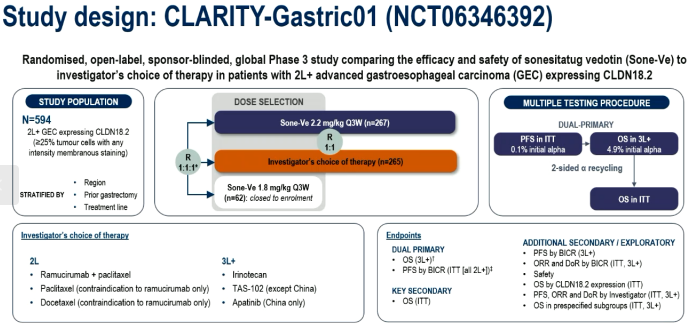
Fig. 1. CLARITY-Gastric 01 (CG01) Study Design
As of the data cutoff, 532 patients with CLDN18.2-positive advanced gastric cancer, gastroesophageal junction cancer, or esophageal adenocarcinoma had been enrolled and randomized, 267 to Sone-Ve and 265 to investigator’s choice treatment (Fig. 2).
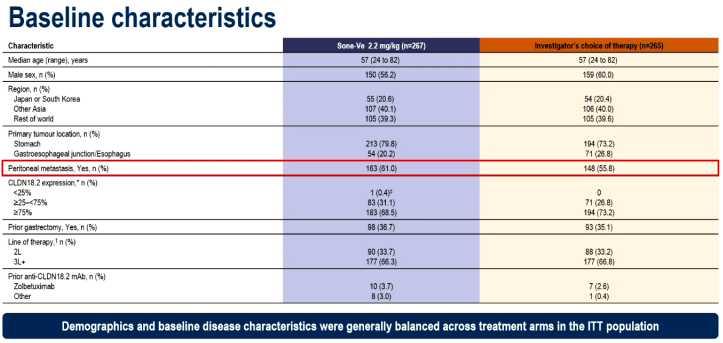
Fig. 2. Baseline Characteristics of the Two Arms
Overall Survival: Benefit Consistent across Expression Levels
OS was positive in both populations. For the OS primary endpoint in the third-line or beyond population, median OS reached 10.0 months with Sone-Ve versus 5.0 months with the control arm, a 53% reduction in the risk of death (HR 0.47, 95% CI 0.36-0.62, P<0.000001); the 12-month OS rates were 38.1% and 18.1%, respectively (Fig. 3).
In the second-line or beyond intention-to-treat (ITT) population, median OS reached 10.6 months versus 6.4 months for the control arm, a 42% reduction in the risk of death (HR 0.58, 95% CI 0.47-0.73, P=0.000004), with 12-month OS rates of 42.6% and 27.8% (Fig. 4). This result confirmed that the survival benefit of Sone-Ve also extends to the earlier-line 2L+ ITT population.
Whether the overall benefit was distributed consistently across expression ranges was addressed by the prespecified expression subgroup analyses. The trend was highly consistent in the high-expression group of at least 75% (HR 0.59) and in the low-to-intermediate group of 25% to less than 75% (HR 0.63), indicating that Sone-Ve delivers a consistent survival benefit across CLDN18.2 expression levels and offers an effective option to a broader patient population.
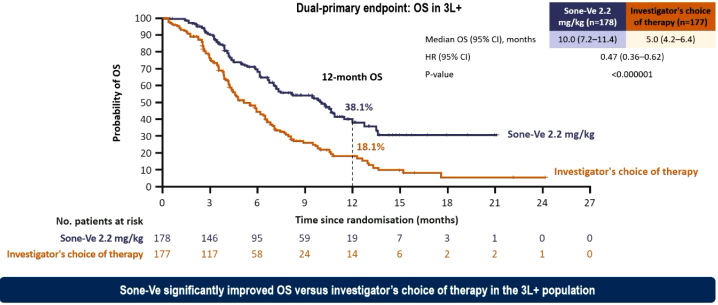
Fig. 3. OS Kaplan-Meier Curves in the Third-Line or beyond Population
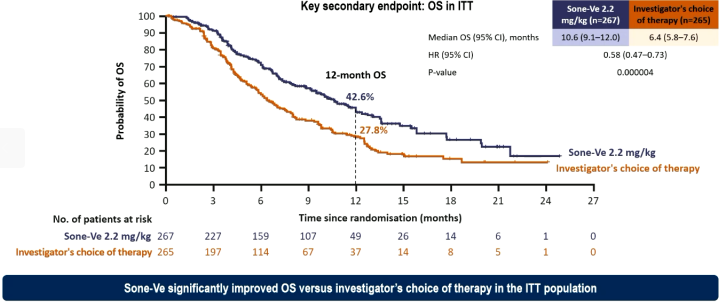
Fig. 4. OS Kaplan-Meier Curves in the Second-Line or beyond ITT Population
Progression-Free Survival: Primary Endpoint Not Met, with a 3L+ Trend Consistent with OS
While OS showed a significant benefit, PFS in the 2L+ ITT population, one of the dual primary endpoints, did not reach the prespecified threshold for statistical significance. Assessed by BICR per RECIST v1.1, median PFS was 4.2 months with Sone-Ve versus 3.8 months with the control arm (HR 0.77, 95% CI 0.62-0.96, P=0.053) (Fig. 5). The progression-free survival trend in the 3L+ population was described as consistent with the overall survival result, although separate 3L+ PFS values were not reported in the accompanying Chinese report.
Disagreement between PFS and OS is not unusual in advanced gastrointestinal cancer, largely because the short baseline PFS in the later-line control arm limits statistical power. CG01 also enrolled a high proportion of patients with peritoneal metastasis, 60%, in whom imaging assessment of progression may be confounded by gastric wall thickening and malignant ascites. In the ITT population, the investigator-assessed PFS HR of 0.59 was markedly lower than the BICR-assessed HR of 0.77 (Fig. 5), which also points to the influence of the assessment method.
Interpretation therefore requires a synthesis of patient characteristics, subsequent therapy, and assessment of disease progression. In this study, the clear OS benefit demonstrated by Sone-Ve provides the most compelling evidence of its clinical value in the later-line setting.
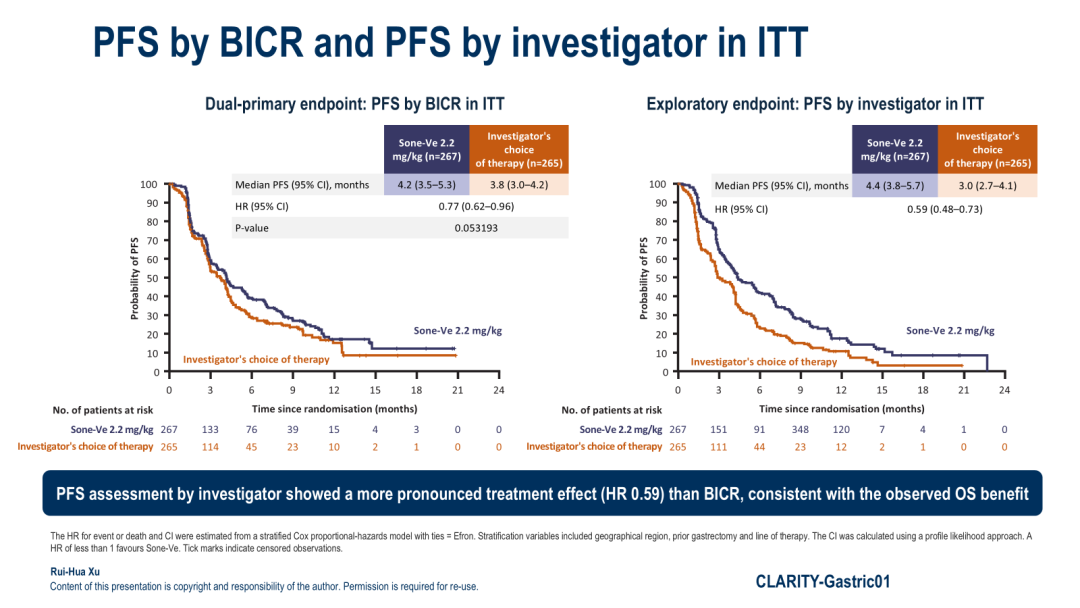 Fig. 5. ITT Population PFS Assessed by BICR and Investigators
Tumor Response and Overall Tolerability
Tumor response data were measurable: ORR was 23.3% versus 13.8%, DOR was 8.5 versus 6.8 months, and DCR was 70.4% versus 55.6%, indicating measurable tumor response and disease control with Sone-Ve in the 2L+ ITT population.
Safety was generally manageable. The incidence of grade ≥3 treatment-related adverse events (TRAEs) was 36.4%, lower than the 44.8% in the control arm, and only 3.1% of patients discontinued treatment because of adverse events. Common adverse events were predominantly gastrointestinal, such as nausea and vomiting, while MMAE-payload-related serious peripheral neuropathy (grade ≥3 in only 0.8%) and grade ≥3 neutropenia (10.3% vs 25.1%) were both infrequent. This favorable safety profile supports maintaining adequate treatment exposure in later-line patients.
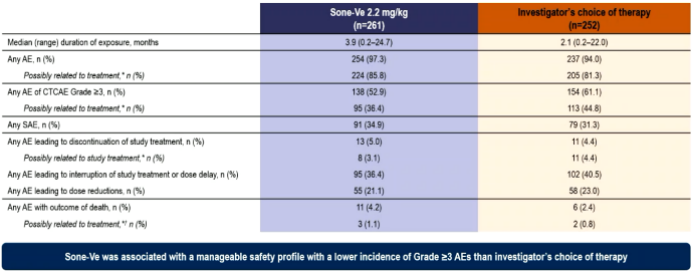
Fig. 6. Incidence of Adverse Events in Both Arms
Extending the Combination to Earlier Lines
With significant OS benefit confirmed in both the 3L+ and 2L+ populations, a key clinical question follows: can this survival advantage extend to earlier lines of therapy? The subgroup analysis presented showed an OS HR of 0.88 in the 2L subgroup alone, with no significant benefit, indicating that Sone-Ve monotherapy in earlier lines still requires validation. CLARITY-Gastric 02 (CG02), a first-line phase 3 study, has started, evaluating Sone-Ve combined with capecitabine, with or without rilvegostomig (AZD2936). Within the same field, available data suggest the conceptual feasibility of a chemotherapy-free first-line regimen combining a CLDN18.2-targeted ADC with PD-1 blockade. Whether the benefit population defined at the 25% threshold also holds in the first line, and whether the combination can maintain an acceptable safety profile over longer exposure, requires randomized data from CG02.
Detection Standardization: The Next Clinical Step
As CLDN18.2-targeted treatment expands to new modalities such as ADCs and CAR-T, the positivity thresholds adopted by different mechanisms differ. Monoclonal antibodies generally use at least 75% moderate-to-strong staining; CAR-T and bispecific antibodies are mostly defined as IHC 2+ or higher in at least 40% of cells; and ADC thresholds vary the most, from at least 20% to at least 75%, with no unified standard. To address this clinical problem, the 2026 CSCO guidelines for gastric cancer encourage detailed reporting of staining intensity (1+, 2+, 3+) and the percentage of positive cells, to guide differential selection [10].
CG01 enrolled patients with at least 25% of tumor cells positive at any intensity and demonstrated consistent survival benefit across expression levels, suggesting that the potential benefit population for this drug is broader. Applying the enrolment threshold of the study directly to routine clinical screening, however, still faces two problems. First, the clinical generalizability of the 25% threshold: this standard is currently defined by research and cannot yet be equated with the gold standard for routine clinical screening, and more real-world data are needed to clarify the actual differences in efficacy between expression levels. Second, the consistency and standardization of testing: differences in assay platforms, antibody clones, and subjective pathologist interpretation mean that interobserver agreement in the low and intermediate expression ranges (1+ and 2+) is markedly lower than in the 3+ range. Without unified quality control, patients may be reported as positive at different levels yet show heterogeneous clinical benefit. Incorporating cross-platform consistency for weak staining into external quality assessment, and advancing interpretation standardization, are therefore needed. Establishing a unified and precise testing standard is a prerequisite for precise, stratified treatment.
As targeted drugs continue to expand, standardized and reproducible testing systems have become a precondition for precision medicine to reach the clinic. Only when expression data are translated into reliable pathology reports can clinicians match each patient to the most appropriate drug mechanism and treatment strategy on the basis of their expression threshold.
Reference
[1]Rui-Hua Xu, et al. CLARITY-Gastric 01 (CG-01): a Phase 3 study of sonesitatug vedotin (Sone-Ve) in second or later-line (2L+) advanced or metastatic Claudin 18.2 (CLDN18.2) positive gastroesophageal carcinoma (GEC). ESMO 2026, LBA7.
[2]Sung H, Filho AM, Laversanne M, et al. Global cancer statistics 2024: GLOBOCAN estimates of incidence and mortality worldwide for 34 cancers in 186 countries. CA Cancer J Clin. 2026;76(4):e70090.
[3]Hong Y , Wang X T , Yu H ,et al.Precision oncology in gastric cancer: navigating molecular subtypes, therapeutic targets, and future horizons[J].Cellular Oncology, 2026;49(4):90.
[4]Choo R E , Sargsyan A , Khachatryan V ,et al.Advances in the management of metastatic gastric cancer: current strategies and emerging therapeutics[J].Nature Reviews Clinical Oncology, 2026, 23(6):441-458.
[5]Terán E, Pazo R, Caritá L, et al. Claudin 18.2 expression in gastroesophageal adenocarcinoma: biomarker overlap and association with clinical outcomes in a European cohort. ESMO Open. 2026;11(2):106053.
[6]Xu RH, Zhang Y, Pan H, et al. Efficacy and safety of weekly paclitaxel with or without ramucirumab as second-line therapy for the treatment of advanced gastric or gastroesophageal junction adenocarcinoma (RAINBOW-Asia): a randomised, multicentre, double-blind, phase 3 trial. Lancet Gastroenterol Hepatol. 2021;6(12):1015-1024.
[7]Ma J, Cao D, Zhao Q, et al. Safety and preliminary efficacy of ATG-022 in patients with advanced/metastatic gastric cancer (CLINCH). J Clin Oncol. 2025;43(4_suppl):456.
[8]Ruan DY, Liu FR, Wei XL, et al. Claudin 18.2-targeting antibody-drug conjugate CMG901 in patients with advanced gastric or gastro-oesophageal junction cancer (KYM901): a multicentre, open-label, single-arm, phase 1 trial. Lancet Oncol. 2025;26(2):227-238.
[9]Raufi AG, Goyal L, Smyth E, et al. CLARITY-PanTumor01: A phase 2 trial of the claudin 18.2-specific antibody-drug conjugate AZD0901 (CMG901) in patients with CLDN18.2-expressing advanced solid tumors. J Clin Oncol. 2024;42(16_suppl):TPS3163.
[10]Chinese Society of Clinical Oncology (CSCO) Guidelines Committee. Chinese Society of Clinical Oncology (CSCO) Guidelines for the Diagnosis and Treatment of Gastric Cancer 2026. Beijing: People’s Medical Publishing House; 2026.

