


The ESMO 2026 Annual Meeting was held Oct 23 to 27, 2026, in Madrid, Spain. On Oct 25, Prof. Rui-Hua Xu of Sun Yat-sen University Cancer Center, presented the randomized phase 3 CLARITY-Gastric 01 (CG-01) study (LBA7), evaluating the CLDN18.2-targeted ADC sonesitatug vedotin (Sone-Ve) against investigator’s choice treatment (INV) in previously treated CLDN18.2-positive advanced gastroesophageal carcinoma (GEC).
Article Key Points
- Phase 3, n=532: sonesitatug vedotin versus investigator’s choice treatment in CLDN18.2-positive advanced GEC
- Third-line or beyond: median OS 10.0 versus 5.0 months (HR 0.47, 95% CI 0.36-0.62, P<0.001)
- ITT population (second-line or beyond): median OS 10.6 versus 6.4 months (HR 0.58, 95% CI 0.47-0.73)
- BICR PFS in the ITT population did not meet significance: 4.2 versus 3.8 months (HR 0.77, P=0.053)
- OS benefit was consistent in both high (>=75%, HR 0.59) and low/intermediate (25%-<75%, HR 0.63) CLDN18.2 expression
- Grade 3 or higher TRAEs lower with the ADC: 36.4% versus 44.8%; grade 3 or higher neutropenia 10.3% versus 25.4%
- Gastrointestinal adverse events were more common with the ADC; TRAE-related deaths 1.1% versus 0.8%
- Evidence status: presented as LBA7 at ESMO 2026; positive topline reported July 2026; not yet peer-reviewed
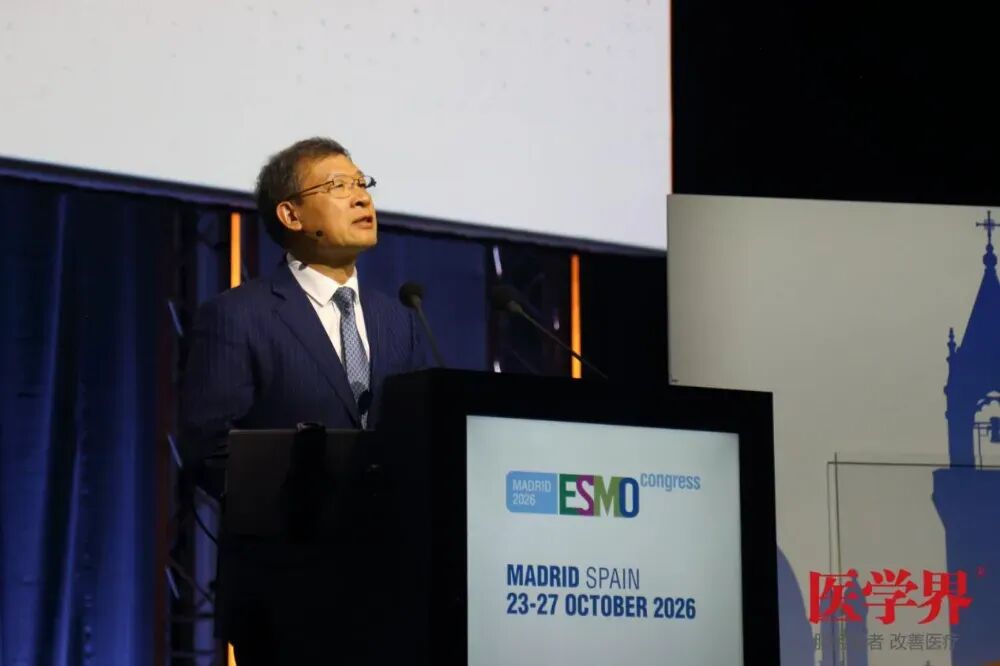 Fig.1. Prof. Ruihua Xu Presenting the CLARITY-Gastric 01 Results at the ESMO 2026 Meeting
Background: CLDN18.2 as a Gastric Cancer Target
Claudin 18.2 (CLDN18.2), a tight junction protein, is a validated therapeutic target in advanced gastroesophageal carcinoma. After progression on first-line chemotherapy, options in the later-line setting are limited with poor prognosis. Sone-Ve is an antibody-drug conjugate targeting CLDN18.2 with a monomethyl auristatin E (MMAE) payload and had shown clinical activity in phase 1/2 studies.
Study Design: Dual Primary Endpoints
This was a randomized, open-label global phase 3 trial in patients with unresectable, locally advanced or metastatic CLDN18.2-positive GEC who had received at least one prior line of therapy, with CLDN18.2 staining of at least 25% of tumor cells at any intensity. Patients were initially randomized 1:1:1 to Sone-Ve 1.8 mg/kg, Sone-Ve 2.2 mg/kg or INV, and after dose selection were randomized 1:1 to Sone-Ve 2.2 mg/kg or INV. Investigator’s choice options were ramucirumab plus paclitaxel, paclitaxel or docetaxel in second line, and irinotecan, trifluridine-tipiracil or apatinib (China only) in third line or beyond. Randomization was stratified by region, prior gastrectomy and line of therapy.
The dual primary endpoints were OS in the third-line or beyond population and BICR-assessed PFS in the intention-to-treat (ITT) population, with OS in the ITT population as a key secondary endpoint.
Results: OS Benefit, PFS Primary Endpoint Not Met
As of the May 31, 2026 data cutoff, 532 patients had been randomized, with 267 in the Sone-Ve group and 265 in the INV group, and median follow-up was 8.6 months.
In the third-line or beyond population, median OS was 10.0 months with Sone-Ve versus 5.0 months with INV, a 53% reduction in the risk of death (HR 0.47, 95% CI 0.36-0.62; P<0.001). In the overall ITT population of second-line or beyond, median OS was 10.6 months versus 6.4 months (HR 0.58, 95% CI 0.47-0.73; P<0.001).
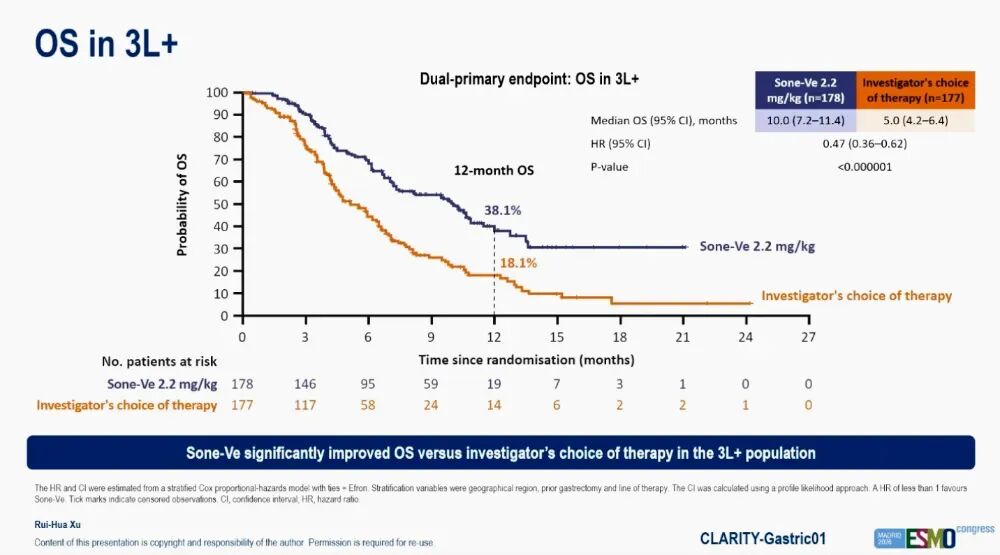 Fig. 2. Overall Survival in the Third-line or beyond Population
For BICR-assessed PFS in the ITT population, median PFS was 4.2 months with Sone-Ve and 3.8 months with INV (HR 0.77, 95% CI 0.62-0.96; P=0.053), which did not reach the threshold for statistical significance. Notably, the OS benefit was consistent in both the high (at least 75%, HR 0.59) and low or intermediate (at least 25% to less than 75%, HR 0.63) CLDN18.2 expression subgroups, suggesting the benefit is not confined to patients with high expression.
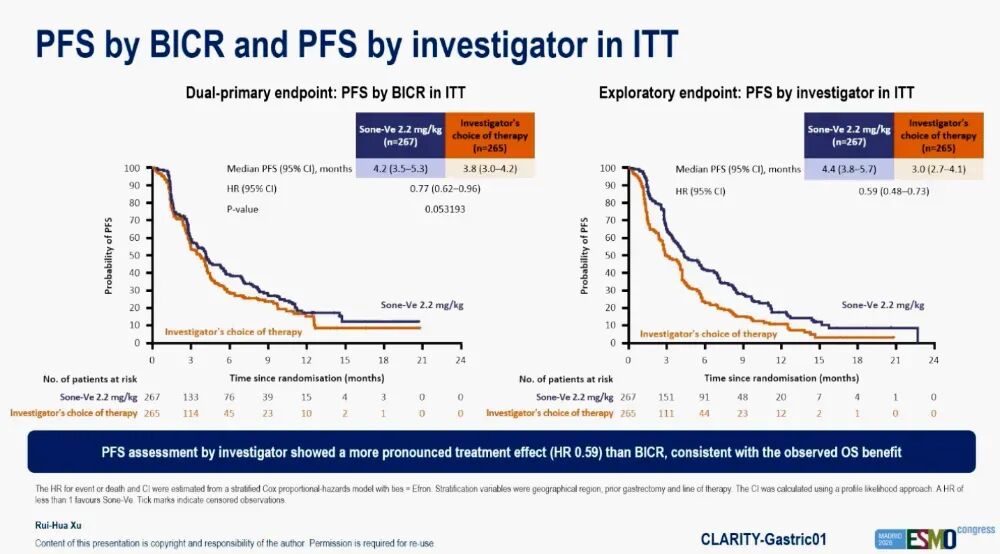 Fig.3. Progression-free Survival by Blinded Independent Central Review in the ITT Population
Safety
The safety population included 261 patients in the Sone-Ve group and 252 in the INV group. Any-grade treatment-related adverse events (TRAEs) occurred in 85.8% and 81.3% of patients, and grade 3 or higher TRAEs in 36.4% and 44.8%, lower with the ADC. Gastrointestinal adverse events such as nausea, vomiting and decreased appetite were more common in the Sone-Ve group. Grade 3 or higher neutropenia occurred in 10.3% versus 25.4%, indicating less hematologic toxicity with the ADC. TRAEs leading to death occurred in 1.1% and 0.8%, and TRAEs leading to discontinuation in 3.1% and 4.4%. No new safety signals were observed.
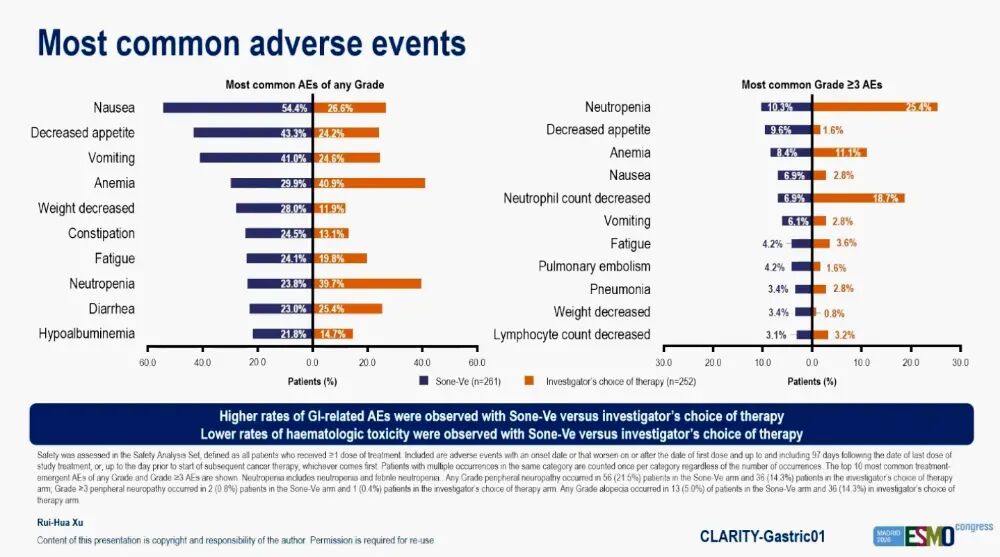 Fig.4. Treatment-related Adverse Events in both Arms
Conclusions
The investigators concluded that Sone-Ve versus investigator’s choice treatment significantly improved OS in second-line or beyond CLDN18.2-positive advanced GEC, with median OS nearly doubled in the third-line or beyond population and the risk of death reduced by 53%. Overall safety was manageable with less hematologic toxicity than the comparator, and the benefit extended across a broad range of CLDN18.2 expression levels.
Reference
[1] Xu RH, et al. CLARITY-Gastric 01 (CG-01): A phase 3 study of sonesitatug vedotin (Sone-Ve) in second or later-line advanced or metastatic Claudin 18.2 (CLDN18.2)-positive gastroesophageal carcinoma (GEC). 2026 ESMO Congress.

