


In a landmark achievement for neuroscience, a team led by Prof. Zhao Guoguang at Xuanwu Hospital of Capital Medical University has successfully implanted a wireless brain-computer interface (BCI) in a 67-year-old amyotrophic lateral sclerosis (ALS) patient, allowing her to communicate basic needs through real-time decoding of neural signals. This global first, using the domestically developed "Beinao-1" system, marks a pivotal step in restoring language function for patients with severe speech impairment.
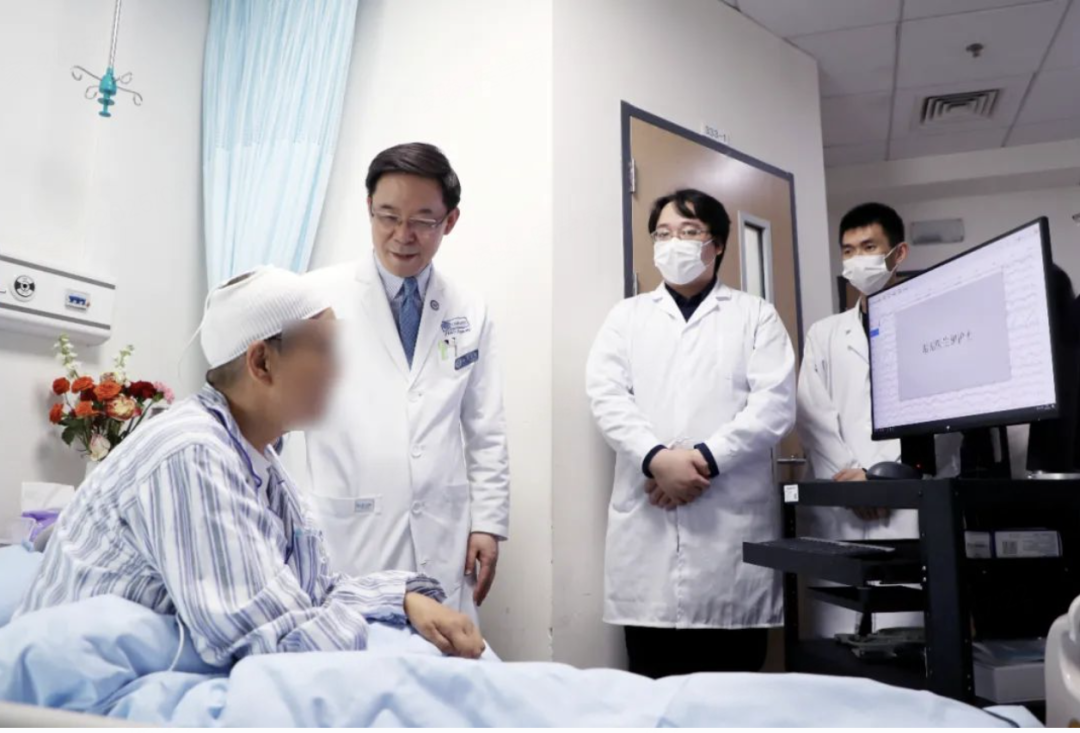
Figure 1. The patient is undergoing language decoding training
The Breakthrough: Wireless BCI for Language Decoding
The patient, diagnosed with ALS in 2023, suffered from severe dysarthria, losing the ability to speak. On March 5, surgeons implanted a 128-channel electrode array in her epidural space—a semi-invasive approach that avoids direct brain tissue contact—paired with a coin-sized wireless transmitter embedded in the skull. Post-surgery, after just three hours of training, the system achieved 34% real-time decoding accuracy for 62 common phrases. Two weeks later, accuracy improved to 52%, enabling her to express phrases like "I want water," "I need food," and "I feel good today."
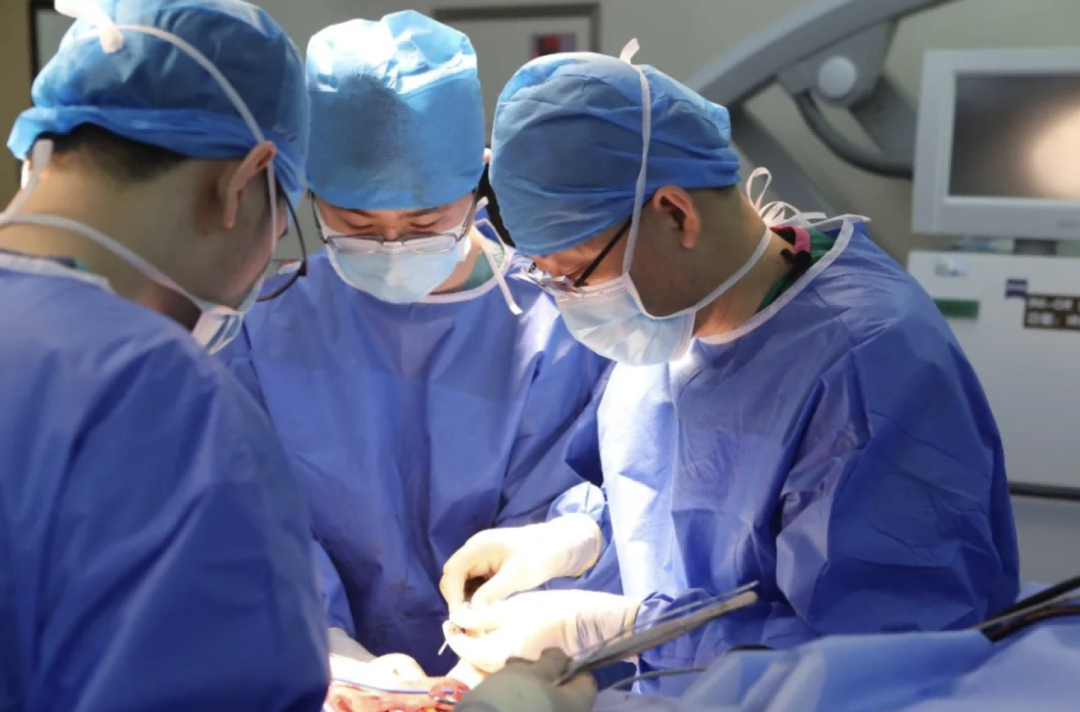
Figure 2. Zhao Guoguang's team performed the world's first wireless implantable Chinese-language brain-computer interface (BCI) surgery
Technical Innovations and Global Comparisons
Wireless Freedom: Unlike previous BCI systems (e.g., Edward Chang’s wired setup at UCSF), Beinao-1 operates fully wirelessly, eliminating the need for external cables and enhancing clinical usability.
Safety Profile: Epidural implantation reduces risks of hemorrhage or infection compared to subdural or intracortical methods, while maintaining signal quality for basic language decoding.
Speed and Scalability: With a decoding latency of <100 ms—the fastest in the field—the system processes neural signals in real time, far exceeding the 1–2 second delays of earlier models.
Expanding Applications and Future Goals
Motor Control: In February, a quadriplegic patient at Peking University First Hospital used the same system to control a robotic arm for drinking water, showcasing its potential for motor function restoration.
Language Expansion: The team aims to expand decoding from 62 pre-programmed phrases to an open vocabulary of 10,000+ Chinese characters by 2027, enabling natural conversation. The next-generation Beinao-2 will undergo animal testing this year, with plans for wireless control of 3D movements in primates.
Clinical and Policy Support
Policy Backing: Beijing and Shanghai have launched BCI action plans targeting major breakthroughs by 2027, with Shanghai aiming for full clinical application by 2030.
Reimbursement Pathways: The National Health Insurance Administration recently approved pricing codes for invasive BCI procedures, paving the way for commercialization.
Expert Insights and Global Impact
Comparing to Western counterparts, while U.S. teams focus on high-complexity systems (e.g., neural dust), China’s strategy emphasizes clinical pragmatism. "We’re not chasing sci-fi ideals but solving immediate needs—like helping ALS patients order food or express pain," said Prof. Li Xiaojian, a BCI engineer at Shenzhen Institute of Advanced Technology.
Challenges Ahead
Signal Complexity: Decoding abstract concepts (e.g., emotions) remains elusive, requiring advancements in AI neural networks.
Long-Term Durability: Epidural electrodes must maintain stability over years, a challenge being addressed through biocompatible material upgrades.
Conclusion

