


A landmark study led by Prof. Yu Jintai’s team at Fudan University’s Huashan Hospital has announced a revolutionary blood test for early Alzheimer’s disease (AD) detection, achieving 95.6% accuracy in identifying preclinical stages of the disease. Published in Nature Medicine, the breakthrough integrates plasma biomarkers, AI-driven analytics, and longitudinal clinical data, offering hope for timely intervention in the world’s fastest-growing neurodegenerative disorder.
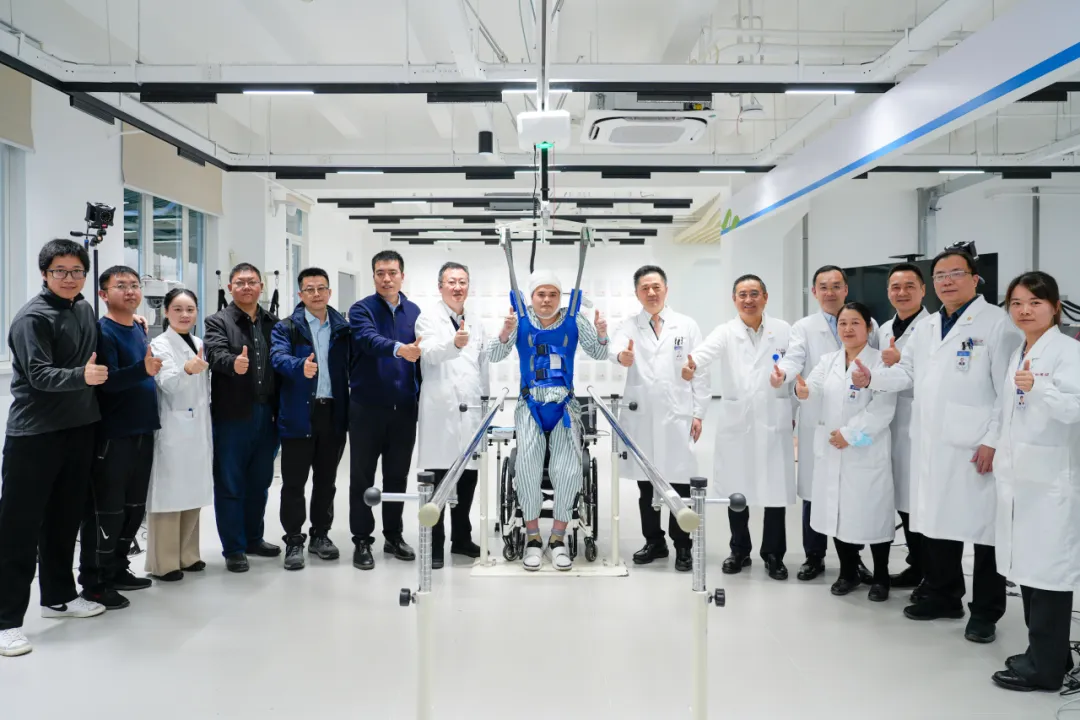
Figure 1. Group Photo of Jiafumin Team, United Team of Zhongshan Hospital and Mr. Lin
The Technology: Multi-Biomarker Panel and AI Modeling
The test combines levels of three key plasma biomarkers—p-tau181, p-tau217, and GFAP—with a machine learning model trained on data from 10,000+ participants across three continents (China, U.S., Europe). Prospective validation in the ADNI-4 cohort showed:
“For the first time, we can detect AD-related brain changes 15–20 years before symptoms appear,” said Prof. Yu, director of the National Clinical Research Center for Neurological Diseases. “This shifts the focus from treatment to prevention.”
Clinical Implications and Global Impact
Challenges and Future Directions
Expert Commentary
“This is a game-changer for global AD research,” said Dr. Maria Carrillo, Chief Science Officer at the Alzheimer’s Association. “By democratizing access to early diagnosis, we can finally address the ‘missing middle’—individuals at risk but not yet symptomatic.”
Dr. Reisa Sperling of Harvard Medical School added, “The combination of Chinese clinical data and AI innovation highlights how global collaboration accelerates breakthroughs. This test could halve AD’s economic burden by enabling timely lifestyle and pharmacological interventions.”
China’s Role in Redefining Neurodegenerative Care
With 15 million AD patients (projected to hit 40 million by 2050), China’s investment in AI-driven diagnostics—including a $1.2 billion national brain science initiative—positions it as a leader in neurodegenerative disease solutions. The Huashan team’s previous work on plasma p-tau217 was cited in the 2023 FDA approval of Cerenivus’ tau PET tracer, underscoring its influence on global standards.
As the world grapples with an aging population, this breakthrough offers a roadmap for transforming Alzheimer’s from an untreatable scourge into a manageable condition—provided therapeutic advancements keep pace with diagnostic innovation.

