


In a historic milestone for precision medicine, an international team led by Children’s Hospital of Philadelphia (CHOP) has successfully treated a 9-month-old infant with a fatal genetic disorder using patient-specific gene editing therapy, published in The New England Journal of Medicine. This breakthrough marks the first time customized gene therapy has been used in humans, offering hope for millions with rare inherited diseases.
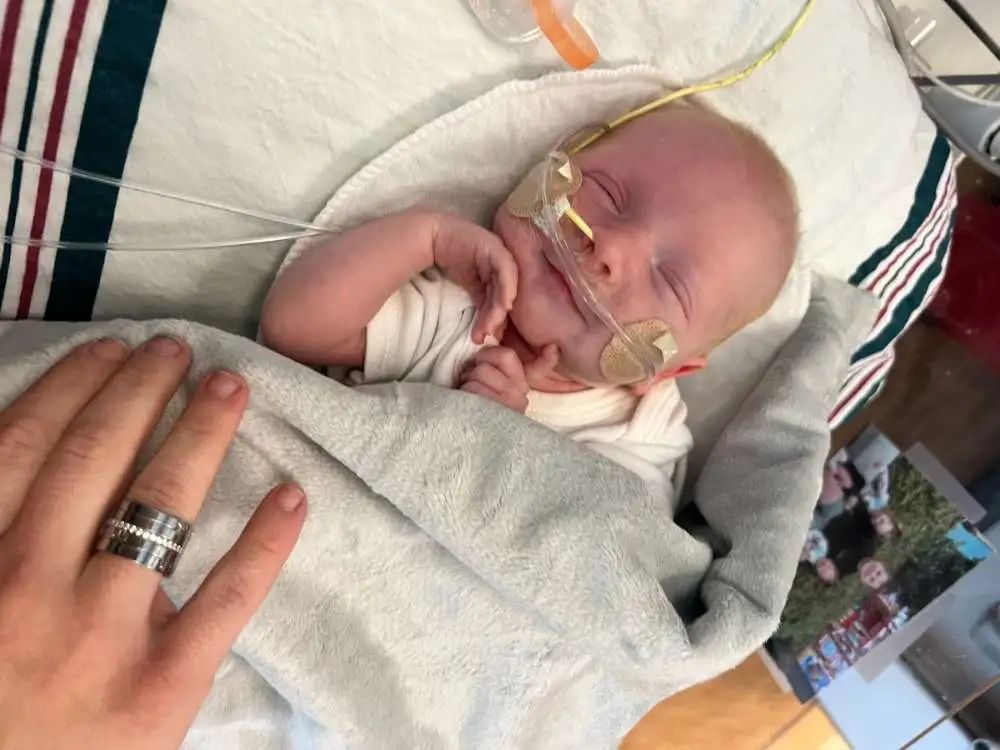
Figure 1. On May 15 local time, The New England Journal of Medicine reported the world’s first customized gene-editing therapy administered during infancy. The photo shows KJ Muldoon, the pediatric patient, in a recent image. / Credit: Children’s Hospital of Philadelphia
The Case: A Race Against Time for KJ Muldoon
With traditional treatment options—liver transplantation or lifelong dialysis—offering limited hope, the CHOP team turned to base editing, a next-generation gene editing technology. This approach precisely corrects single DNA base mutations without cutting the genome, minimizing risks compared to earlier CRISPR methods.
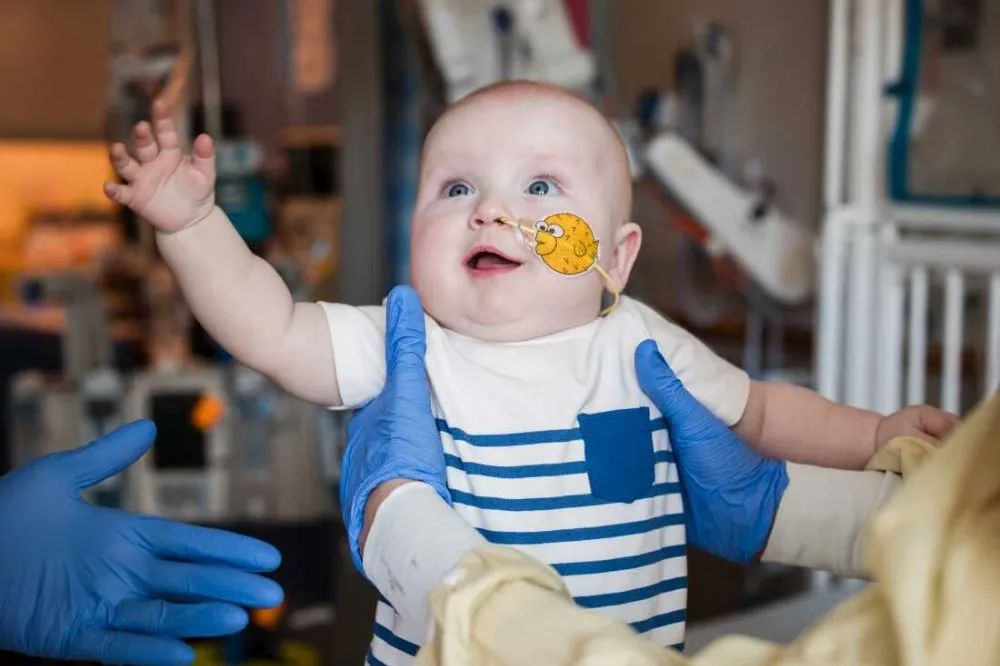
Figure 2. Credit: Children’s Hospital of Philadelphia
The Therapy: From Genome to Clinic in Six Months
Upon diagnosis, KJ’s unique genetic mutations were analyzed, and a tailored base editor was designed to target the faulty CPS1 gene in liver cells.
Using mice engineered with the same mutations, the team validated the therapy’s safety and efficacy in just 6 weeks—a process that typically takes years.
In February 2025, KJ received three intravenous infusions of the therapy, delivered via lipid nanoparticles (LNPs) to his liver.
Within weeks, his blood ammonia levels normalized, liver function improved, and he began tolerating a regular diet. By April, he could sit up and showed no signs of neurological damage.
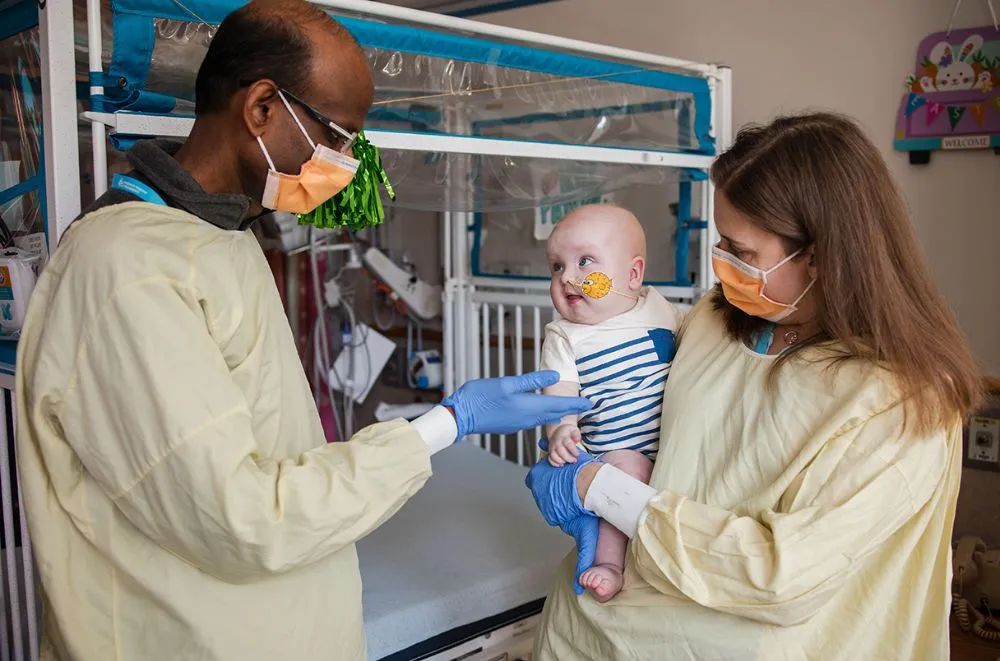
Figure 3. Medical team poses with the pediatric patient. / Credit: Children's Hospital of Philadelphia
Scientific and Ethical Implications
Technical Innovation: The therapy, named k-abe (after KJ), showcases the power of base editing to address previously untreatable genetic errors. Unlike earlier CRISPR techniques, it avoids double-strand DNA breaks, reducing risks of off-target effects.
Global Impact: "This is a blueprint for treating thousands of rare diseases," said Nobel laureate Jennifer A. Doudna. "For the first time, we can tailor therapies to an individual’s unique genetic code."
Ethical Considerations: While praised for its lifesaving potential, the therapy raises questions about cost (funded by donations and federal grants) and accessibility. "We must ensure such innovations reach all who need them," noted bioethicist Henry Greely.
Future Directions
The CHOP team plans to:
Expand trials to other rare diseases like cystic fibrosis and sickle cell anemia.
Optimize delivery systems for broader organ targeting.
Address long-term safety through decade-long follow-ups of KJ and future patients.

