


A Lancet Respiratory Medicine Commission on the present and future of chronic obstructive pulmonary disease (COPD) prevention, diagnosis, and management in China was published online on October 30, 2026. The corresponding author is Academician Chen Wang, and the joint first authors are Prof. Dan Xiao of the China-Japan Friendship Hospital and Prof. Rong-Chang Chen of the First Affiliated Hospital of Guangzhou Medical University. The report brings together multiple domestic institutions and scholars from the United Kingdom, the United States, Canada, Spain, and other countries, and systematically reviews the epidemiology, risk factors, diagnostic and treatment status, and unmet needs in China, proposing a multi-dimensional framework for future prevention and control.
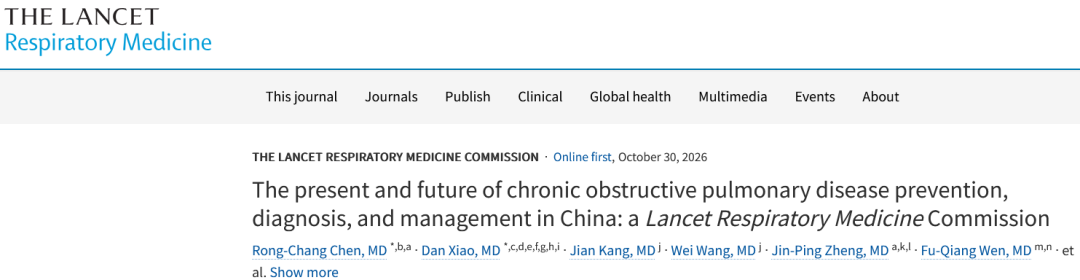 Fig. 1. Screenshot of the Published Commission
Article Key Points
- A Lancet Respiratory Medicine Commission on COPD in China was published online on October 30, 2026
- Academician Chen Wang is corresponding author; Profs. Dan Xiao and Rong-Chang Chen are joint first authors
- 2018 national survey: prevalence 8.6% at age 20 and above, 13.7% at 40 and above, 27% at 60 and above
- Close to 100 million patients, about 25% of the global COPD population, with more than 910,000 deaths a year
- 2024 tobacco survey: smoking prevalence 23.2%, 43.9% among men, and 46.5% of non-smokers exposed to second-hand smoke
- Only 5.9% to 12.0% of people with COPD undergo spirometry; about 60% have no obvious symptoms
- Inhaled therapy access is near 100% in tertiary hospitals but 35.5% in primary care
- Only 3.9% received long-term home oxygen therapy and 1.8% used home non-invasive ventilation
- The report proposes a six-in-one system covering promotion, prevention, diagnosis, control, treatment, rehabilitation
A Heavy Burden with Multiple Risk Factors
A national survey in 2018 found a COPD prevalence of 8.6% among people aged 20 years and above in China, 13.7% among those aged 40 years and above, and 27% among those aged 60 years and above. The total number of patients approaches 100 million, accounting for roughly 25% of the global COPD population. More than 910,000 deaths a year in China are attributable to COPD, more than 30% of COPD-related deaths worldwide. On economic burden, the global projections cited in the report put the economic cost of COPD in China at 1.363 trillion US dollars, the highest of any country.
Smoking remains the leading modifiable risk factor. The 2024 China Adult Tobacco Survey reported a smoking prevalence of 23.2% among people aged 15 years and above, and 43.9% among men; 46.5% of non-smokers were exposed to second-hand smoke. Outdoor and indoor air pollution, occupational exposure, repeated respiratory infection, pulmonary tuberculosis, and host factors all contribute. The report notes that since the 2013 Action Plan for Air Pollution Prevention and Control, environmental PM2.5 and PM10 concentrations in China have fallen significantly, but the average environmental PM2.5 concentration in 2021 was still 54 μg/m3, roughly four times that of most high-income countries; indoor biomass fuel pollution remains prominent in parts of rural China.
Diagnosis and Treatment: Progress Alongside Shortfalls
Spirometry is the gold standard for diagnosing COPD. The report shows that the rate of spirometry testing in the Chinese population with chronic respiratory disease rose from 13.4% in 2014-2015 to 21.2% in 2019-2020, and the proportion of COPD confirmed by spirometry rose from 12% to 17.6%. Overall, however, only 5.9% to 12.0% of people with COPD in China undergo spirometry, and its application in primary care remains insufficient; about 60% of patients have no obvious symptoms, and public awareness is low.
For treatment, access to inhaled therapy is close to 100% in tertiary hospitals but only 35.5% in primary care. Real-world studies show that about 13.7% of moderate-to-severe patients receive no long-acting bronchodilator at all, while 50% of patients in groups A and B use regimens containing inhaled corticosteroids (ICS), suggesting possible overuse of ICS. Adherence is also a concern: only 33.6% of patients continued maintenance treatment at the 24-week follow-up. The report nonetheless acknowledges China’s evidence base for non-invasive ventilation in COPD exacerbations, and in particular the multicentre evidence on the “lung infection control window”strategy for sequential withdrawal from invasive to non-invasive ventilation, which has been incorporated into Chinese guidelines.
Non-Pharmacological Interventions and Continuity of Care
Use of home oxygen therapy, home non-invasive ventilation, lung volume reduction surgery, and lung transplantation remains low in China. Citing data from 4,796 patients across 12 hospitals in Hunan province, only 3.9% received long-term home oxygen therapy; home non-invasive ventilation was used by only 1.8% of patients in Hunan and Guangxi. In the Chinese lung transplant registry for 2015-2018, COPD accounted for 23% of 1,053 registered transplants, below international levels. Pulmonary rehabilitation started late: a 2014-2015 survey found that only 0.8% of patients received pulmonary rehabilitation. After 2017, the Chinese Society of Pulmonary Rehabilitation was founded, with training centres and related guidelines established in turn, and pulmonary rehabilitation has received more attention.
Policy Direction and Future Priorities
The report proposes building a six-in-one COPD prevention and control system covering health promotion, prevention, diagnosis, control, treatment, and rehabilitation. Key actions include strengthening tobacco control and air quality management, popularising spirometry, detecting and treating mild COPD early, and improving drug accessibility and the quality of standardised care in primary care. In 2024 COPD was included in the national basic public health service programme, and centralised procurement and national health insurance negotiation have improved drug affordability. The report emphasises that the national respiratory medicine centre should lead multicentre research, promoting cost-effective case finding, early intervention including pre-COPD, and the optimisation of individualised intervention.
Conclusion
China’s prevention and control of chronic obstructive pulmonary disease (COPD) has moved from policy advocacy to systematic implementation: increased rates of pulmonary function testing, integration into basic public health services, and improved drug accessibility are all important advances. However, with nearly 100 million patients, the challenges of high prevalence, low awareness, and insufficient primary-level capacity remain severe. Sustained efforts are needed to expand pulmonary function testing at the primary care level, standardize inhaled therapy, strengthen non-pharmacological interventions, and promote early diagnosis and early treatment in order to truly reduce the disease burden among this large patient population.
Reference
[1]Chen R, Xiao D, Kang J et al.The present and future of chronic obstructive pulmonary disease prevention, diagnosis, and management in China: a Lancet Respiratory Medicine Commission.The Lancet Respiratory Medicine, 2026; 0

