


In a landmark advancement for neurorehabilitation, a team from the Second Affiliated Hospital of Zhejiang University School of Medicine has successfully implanted a closed-loop spinal cord interface in a paraplegic patient, enabling him to walk independently— a first for China. The breakthrough, published in Nature Medicine, highlights the country’s leadership in neuroengineering and offers new hope for the 20 million people worldwide living with spinal cord injuries.
The Landmark Case: From Paralysis to Autonomous Walking
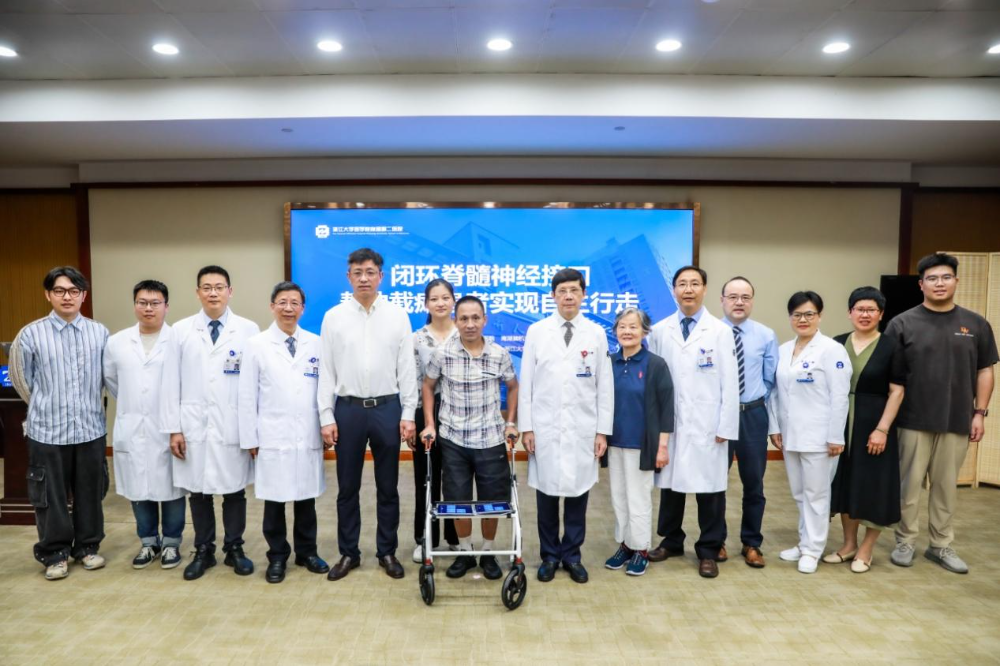
Figure 1. Mr. Jin and the Team from the Second Affiliated Hospital of Zhejiang University School of Medicine
“Traditional therapies could only help him slide his legs on a bed,” said Prof. Zhu Junming, lead surgeon. “Now he can navigate slopes, turn corners, and manage daily activities. His urinary incontinence also improved significantly.”
Technical Innovation: Closed-Loop Neurostimulation System
Adaptive Stimulation: An AI model adjusts electrical stimulation parameters based on real-time muscle activity feedback, optimizing balance and gait.
Minimally Invasive Implantation: A 16-channel epidural electrode array is placed without penetrating the spinal cord, reducing risks of infection or damage.
Wireless Energy Transfer: A matchbox-sized abdominal device enables wireless charging and remote programming.
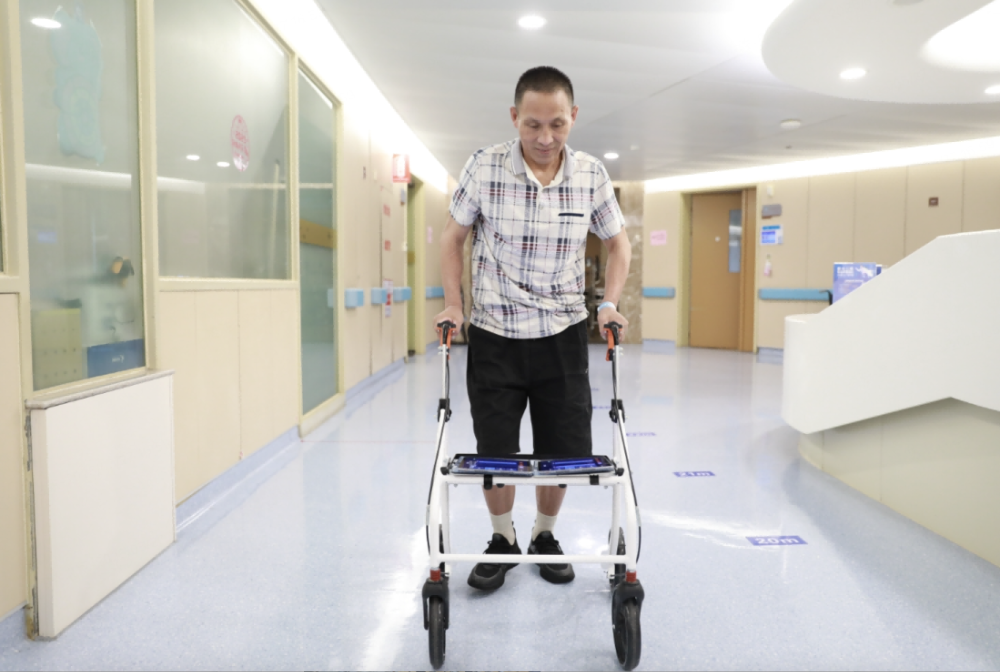
Figure 2. A Photo of Mr. Lin
Global Context and Comparative Advantages
Closed-Loop Feedback: The system’s AI-driven adaptation allows natural gait transitions (e.g., walking vs. climbing stairs), a challenge in open-loop systems.
Neuroregenerative Potential: The observed “off-device walking” suggests electrical stimulation may promote neural rewiring, a mechanism being investigated in preclinical models.
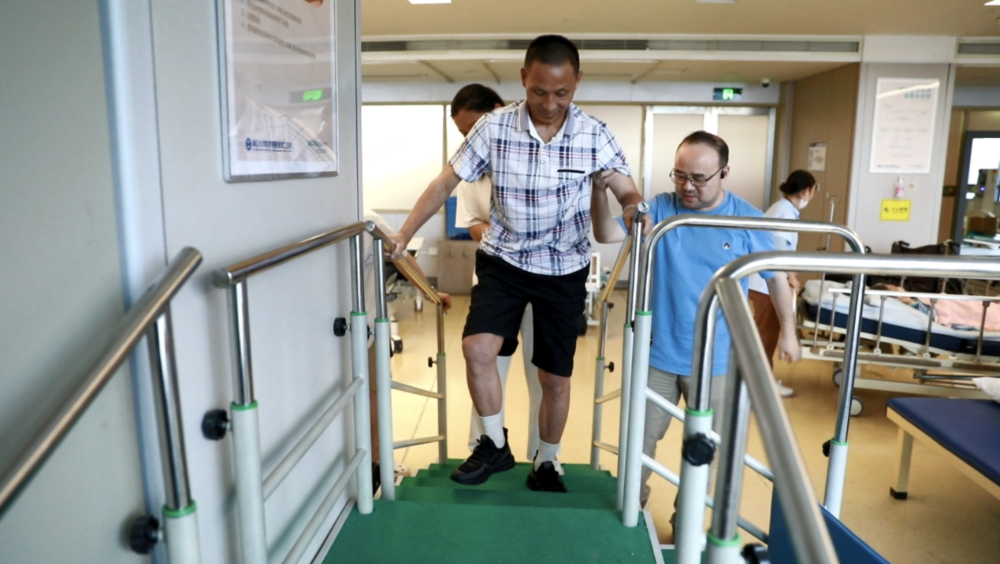
Figure 3. Mr. Lin and the Team from Second Affiliated Hospital of Zhejiang University School of Medicine
“By combining neuroengineering with AI, China has moved beyond device-mediated movement to actual neural repair,” commented Dr. John Zhang, a neurosurgeon at Stanford University.
Clinical Trials and Future Directions
Expand indications to severe spinal cord injuries (currently targeting mid-to-moderate cases).
Develop smaller implants with longer battery life.
Integrate brain-computer interface (BCI) technology for cognitive-motor coordination.
“Our ultimate goal is to help patients regain natural movement without relying on devices,” said Prof. Zhu. “This breakthrough is just the beginning of a new era in spinal cord rehabilitation.”

