


Background
Idiopathic multicentric Castleman disease (iMCD) is a rare, life‑threatening lymphoproliferative disorder marked by substantial heterogeneity and intricate immune dysregulation. Long‑term shortages of safe, effective therapies capable of sustaining remission render it a highly challenging rare immune‑mediated ailment in clinical practice. In recent years, CAR‑T‑cell therapy has kept expanding its scope of application across B‑cell malignancies and immune‑associated illnesses, yet its clinical investigation into rare lymphoproliferative disorders such as iMCD remains in its infancy.
Recently, research findings jointly accomplished by lead author Director Zhang Yajing (Beijing Gaobo‑Boren Hospital), corresponding‑author Professor Duan Minghui (Peking Union Medical College Hospital), co‑corresponding‑author Professor Zhang Lu (Peking Union Medical College Hospital) and co‑corresponding‑author Dr. Zhang Hongsheng (Fudan University / Shanghai Yake Biotechnology) have been published in the international journal *Hematological Oncology*. Globally for the first time, this study systematically reports a case of refractory HHV‑8‑negative iMCD that achieved treatment‑free complete remission lasting over 12‑month following CD19 CAR‑T‑cell therapy. It delivers pivotal clinical evidence supporting the B‑cell‑centric disease model from a mechanistic perspective and sheds fresh light on the development of innovative therapeutic approaches for Castleman disease.
Case Presentation
The 31-year-old patient had HHV-8-negative iMCD of the plasma cell / IPL subtype, characterized by persistent systemic inflammation, marked elevation of C-reactive protein (CRP), erythrocyte sedimentation rate (ESR), and interleukin-6 (IL-6), peak IgG of 68.0 g/L, generalized lymphadenopathy, and splenomegaly. Over more than a decade, she had received multiple treatment regimens, including COP, CHOP, thalidomide, bortezomib, and sirolimus, none of which produced sustained disease control.
Lymph node pathology showed preserved architecture with classic onion-skin mantle zone thickening and interfollicular plasmacytosis on CD138 staining, consistent with iMCD-IPL.
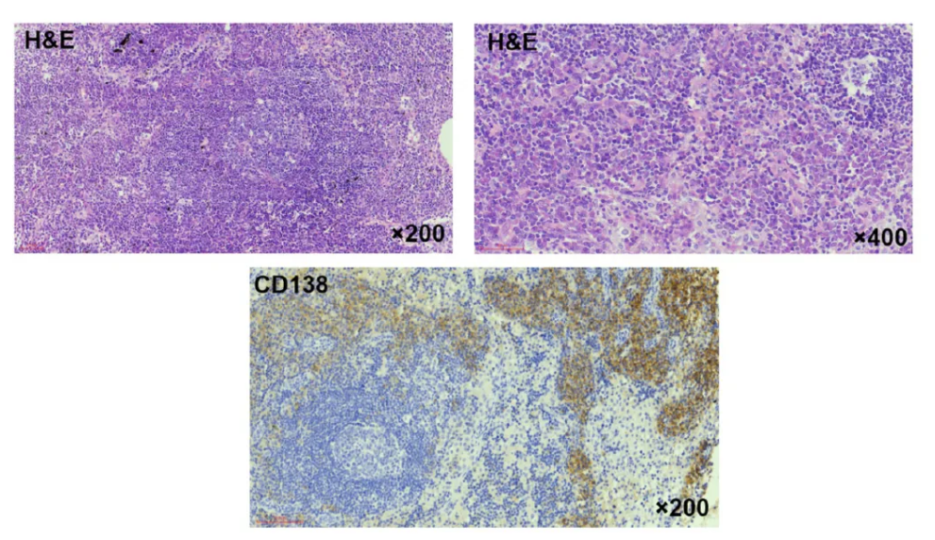 Figure 1: Pathological and Immunohistochemical Findings of Lymph Node
Hematoxylin-eosin (HE) staining reveals largely preserved lymph node architecture with characteristic "onion-skin" changes, manifesting as concentric thickening of the mantle zone. Immunohistochemical staining for CD138 demonstrates extensive diffuse proliferation of plasma cells in the interfollicular area, indicating prominent expansion of plasma cell components, consistent with the features of iMCD-IPL.
Treatment Course
After multidisciplinary review, the patient opted for CD19 CAR-T cell therapy with the goal of achieving long-term, treatment-free remission. She was enrolled under Chinese Clinical Trial Registry number ChiCTR1900025419. Following lymphodepletion with fludarabine and cyclophosphamide (FC regimen), she received 1×10⁶ autologous CD19 CAR-T cells per kilogram.
Safety and Efficacy
CAR-T cells expanded in peripheral blood, peaking on day 11 after infusion. B-cell aplasia was documented from day 7 through day 198. Inflammatory markers, including CRP, ESR, and IL-6, declined rapidly and remained within normal ranges during follow-up. Hemoglobin improved gradually, and immunoglobulin levels fell in line with the expected on-target effect of CD19 B-cell depletion.
The patient experienced only grade 1 cytokine release syndrome (low-grade fever, peak 38.2°C) with no immune effector cell-associated neurotoxicity syndrome (ICANS) and no grade 3 or higher adverse events.
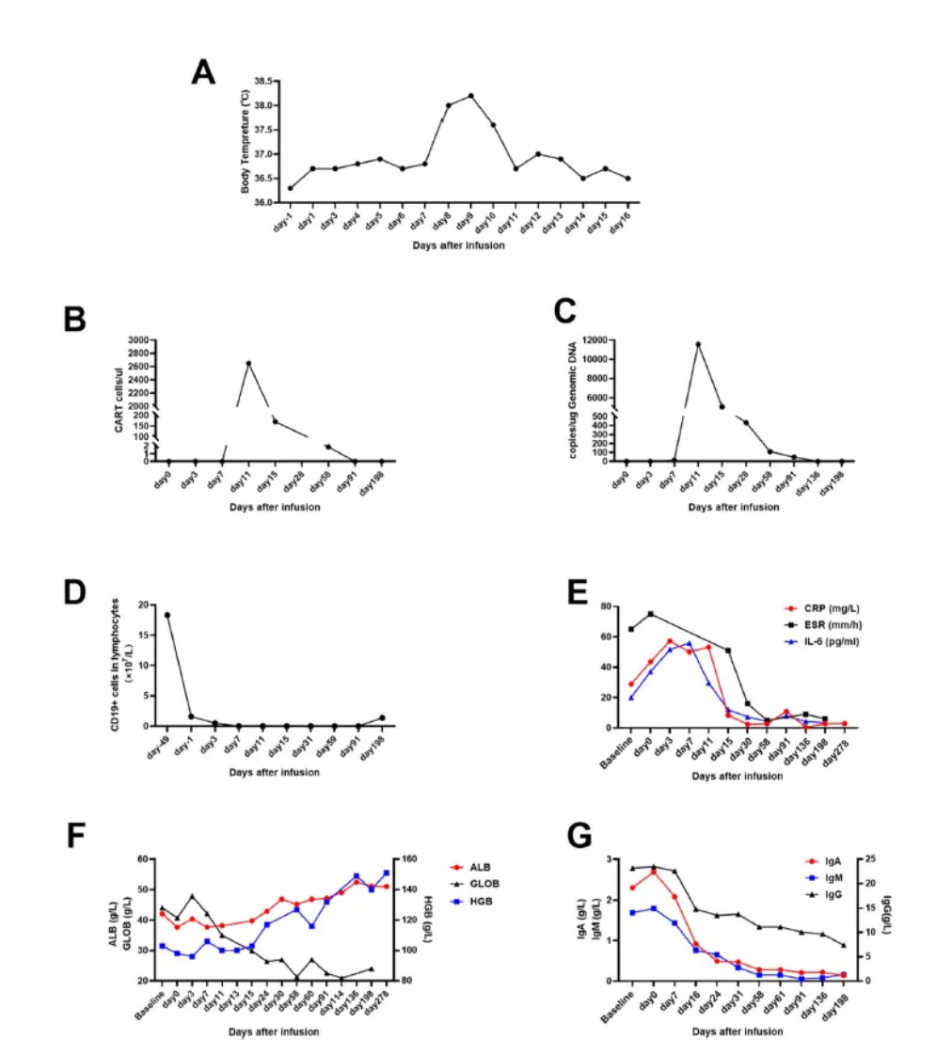 Figure 2: Comprehensive Efficacy Evaluation of CD19 CAR-T Therapy in Patients with IMCD
(A) Monitoring of body temperature, showing transient low-grade fever (maximum temperature, 38.2°C);
(B–C) In vivo expansion and persistence of CD19 CAR-T cells in peripheral blood; detection was performed from day 11 to day 58 after infusion;
(D) Changes in peripheral blood CD19+ lymphocyte counts before and after treatment;
(E) Dynamic changes in inflammatory markers (CRP, ESR and IL-6): serial monitoring of baseline and post-treatment levels;
(F) Time-course changes in hemoglobin levels, indicating gradual recovery after treatment.
Long-Term Follow-Up
At more than 12 months of follow-up, the patient remained in complete remission without further anticancer therapy. She has returned to work and normal daily life and is currently planning a pregnancy, according to the authors.
Mechanistic Observations
Continuous immunological monitoring suggested that sustained B-cell depletion after CD19 CAR-T therapy coincided with systemic normalization of the inflammatory cytokine network, including IL-6. The authors interpret this as early clinical evidence supporting a B-cell-centric disease model in iMCD-IPL, in which B cells may not merely be downstream participants in inflammation but may also drive upstream IL-6-related immune dysregulation.
Limitations
The investigators emphasize several important caveats. Findings are based on a single patient and cannot be generalized to the broader iMCD population, which is clinically heterogeneous. Safety and efficacy of CD19 CAR-T in this setting remain to be established in larger, controlled studies, and longer follow-up is needed to confirm durability of response. As a single case report, the observation should be regarded as hypothesis-generating rather than practice-changing.
Expert Perspectives
“For some patients with refractory Castleman disease, the key may lie in identifying deeper immune system abnormalities rather than simply suppressing surface inflammation,” said corresponding author Minghui Duan of Peking Union Medical College Hospital. “CAR-T therapy shows potential in this setting, but its clinical use still requires rigorous evaluation, standardized management, and long-term follow-up in experienced centers.”
First author Yajing Zhang of Beijing Gaobo Boren Hospital noted that the case suggests future treatment strategies for Castleman disease may move beyond controlling inflammation toward identifying disease drivers and rebuilding immune balance. She added that, for young patients, the ability to return to work, family life, and future planning is itself a meaningful measure of therapeutic value.
Context
Siltuximab, an anti-IL-6 monoclonal antibody, remains the current standard of care for iMCD but typically requires long-term, sustained administration. Rituximab has also been used to deplete B cells, although the depth and durability of response have been variable. The current case was conducted as a clinical exploration within an existing CAR-T program and does not yet support off-trial use in iMCD.
Publication and Authorship
The study was published in Hematological Oncology. The first author is Yajing Zhang of Beijing Gaobo Boren Hospital. The corresponding author is Minghui Duan, and co-corresponding authors are Lu Zhang of Peking Union Medical College Hospital and Hongsheng Zhang of Fudan University and Shanghai YaKe Biotech.

