


In 2024, the Cardiomyopathy Specialist Alliance of the National Center for Cardiovascular Diseases published a national survey of cardiomyopathy burden and management competency in China in The Lancet Regional Health - Western Pacific, providing the first systematic picture of the national cardiomyopathy disease burden and gaps in diagnosis-and-management capability. However, treatment patterns, healthcare resource utilization and costs for Chinese cardiomyopathy patients remained unclear. On this basis, the alliance further joined 11 tertiary hospitals across nine provinces, using more than 15,000 inpatient records to build a complete evidence chain, producing the first panoramic picture of clinical characteristics, treatment patterns and healthcare costs for cardiomyopathy inpatients in China. The results were recently published in The Lancet Regional Health - Western Pacific (CAS Tier 1; IF 9.4).
 Fig. 1. Article Title and Author Information
I. Study Design: Multicenter, Large Sample, Covering Multiple Cardiomyopathy Subtypes
This multicenter study included 15,764 records of adult cardiomyopathy inpatients from 11 tertiary hospitals across nine provinces between 2017 and 2022, covering both common and special subtypes including hypertrophic cardiomyopathy (HCM), dilated cardiomyopathy (DCM), arrhythmogenic cardiomyopathy (ACM), restrictive cardiomyopathy (RCM) and amyloid cardiomyopathy.
II. Interpretation of Core Findings
(i) Treatment Patterns: Drug-Only Therapy Still Dominant
The study found that drug-only therapy was the predominant treatment pattern, accounting for 81.5%; drug combined with interventional therapy, drug combined with surgery, and all three combined accounted for 10.9%, 7.5% and 0.1%, respectively.
(ii) Hospitalization Costs: Cardiomyopathy Costs Exceed Those for AMI and CHF, with Subtype-Level Differences
The mean direct medical cost per hospitalization was USD 6,294 (SD USD 11,564), with a median of USD 2,152 (IQR USD 1,248–4,931). Costs differed across cardiomyopathy subtypes: ACM had the highest mean at USD 11,444; amyloid cardiomyopathy had the highest median at USD 6,583. In addition, the mean direct medical costs of all cardiomyopathy subtypes exceeded those reported for acute myocardial infarction and congestive heart failure in tertiary hospitals in the 2023 China Health Statistical Yearbook, suggesting that cardiomyopathy consumes substantial medical resources and carries a heavy economic burden — no longer a vague concern, but a focus area that warrants close attention.
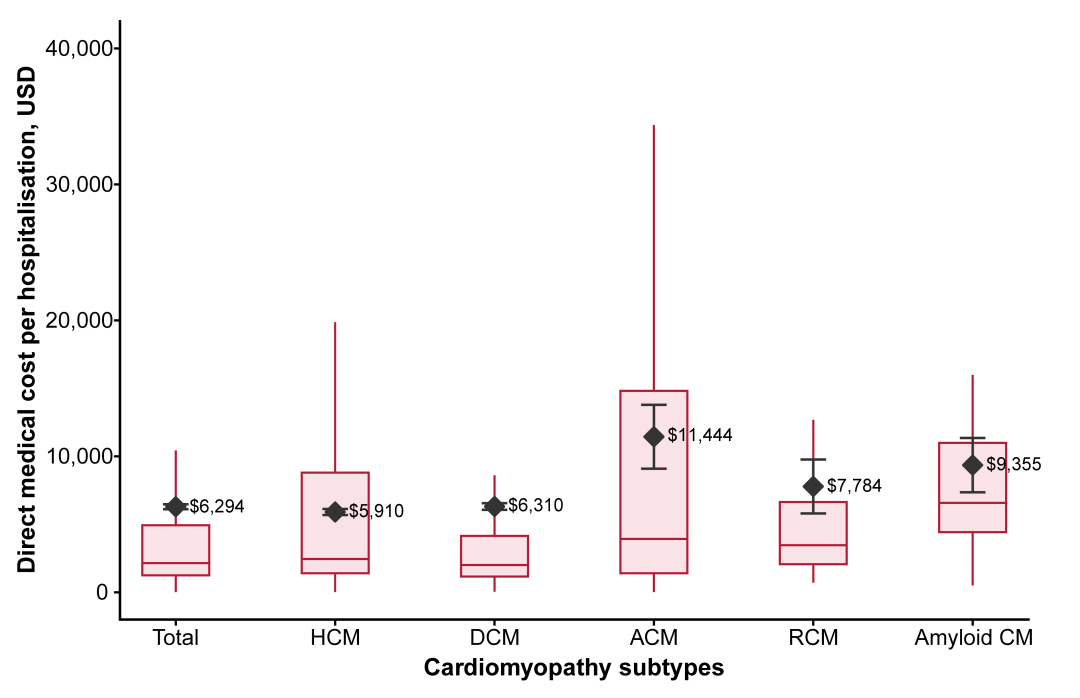 Fig. 2. Mean Direct Medical Costs per Hospitalization by Cardiomyopathy Subtype (Not Adjusted for Inflation)
(iii) Cost Composition: Consumables Lead the Spend, with Subtype-Specific Patterns
In terms of cost composition, medical consumables were the largest single category, accounting for 37.0% of total cost, followed by diagnostic-related costs (19.7%) and therapeutic costs (17.5%). Cost composition differed across subtypes: ACM, DCM and HCM had the highest consumables share; RCM had the highest therapeutic-cost share; amyloid cardiomyopathy had the highest diagnostic-cost share.
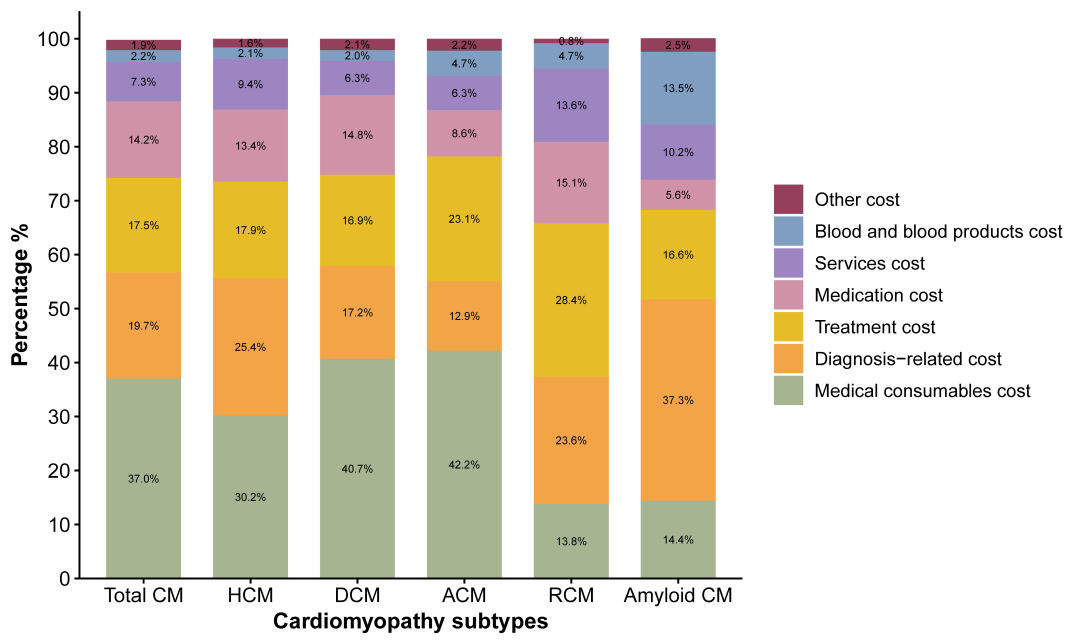 Fig. 3. Composition of Direct Medical Costs per Hospitalization by Cardiomyopathy Subtype (Not Adjusted for Inflation)
(iv) Self-Pay Ratio: Significant Decline Among Insured Patients
Among cardiomyopathy inpatients with health-insurance coverage, the self-pay ratio showed a significant declining trend over 2017–2022 (p for trend < 0.0001), indicating that recent reforms of China’s medical insurance system have delivered tangible results in raising reimbursement levels and strengthening financial protection for cardiomyopathy inpatients.
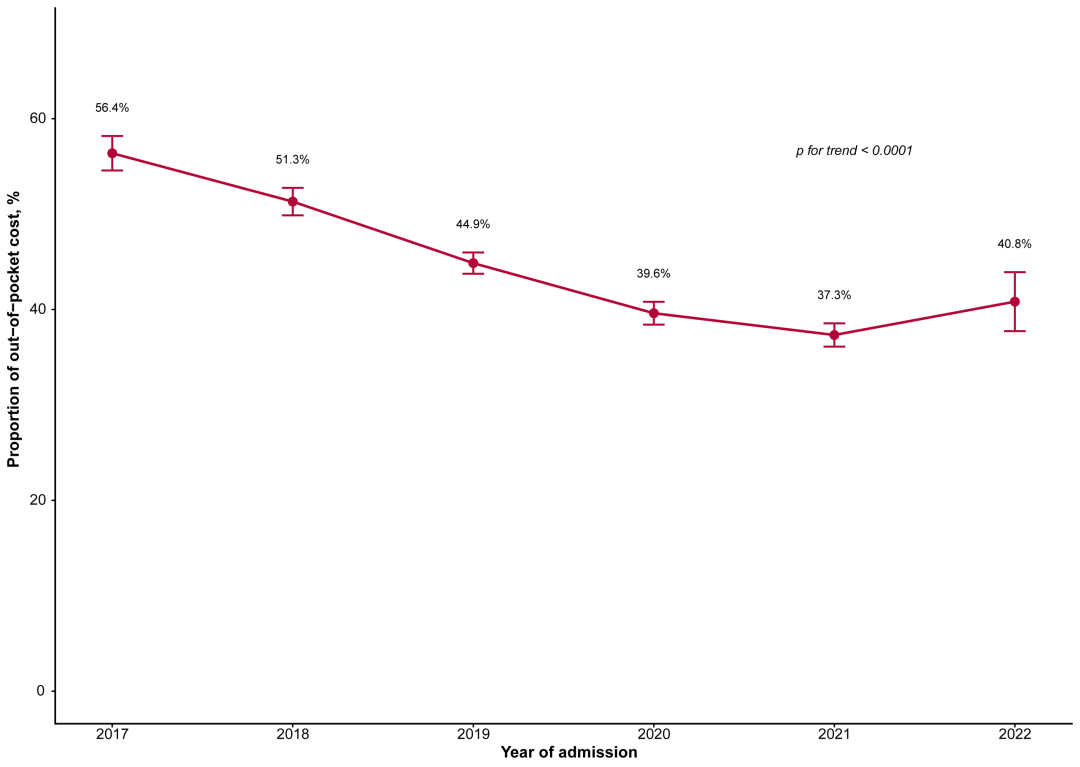 Fig. 4. Trends in Self-Pay Ratios Among Insured Cardiomyopathy Inpatients, 2017–2022
(v) Tiered Care: Hospitals at Different Levels Play Distinct Roles
The study showed a clear “division of labor” between national centers and provincial hospitals in cardiomyopathy care. National centers, serving as the terminal referral platform for cardiomyopathy care, treated more rare subtypes and patients requiring complex surgery; accordingly, mean costs at national centers were significantly higher than at provincial hospitals. The findings suggest that reducing cardiomyopathy hospitalization costs requires a systematic, comprehensive strategy — including establishing efficient and structured referral networks, strengthening public and patient disease awareness to promote early screening and diagnosis, expanding insurance coverage, and continuously promoting the implementation of guidelines and standardized clinical pathways.
III. Significance: Mapping the Real-World Cardiomyopathy Hospitalization Cost Atlas to Inform Cost Management
As the first Chinese multicenter study to systematically compare clinical characteristics, treatment patterns and direct medical costs across multiple cardiomyopathy subtypes, the work links with the alliance’s previously published survey on cardiomyopathy burden and management capability. From mapping overall prevalence burden and gaps in diagnosis-and-treatment capacity to grounding real-world hospitalization spending and resource-use data, the study forms a continuous, complete, locally derived evidence chain. It can serve as a reference for understanding real-world cardiomyopathy costs in tertiary medical institutions and as informational support for cost management.
The co-corresponding authors of the paper are Prof. Lei Song (cardiomyopathy ward, Fuwai Hospital, National Center for Cardiovascular Diseases; chair of the Cardiomyopathy Specialist Alliance Working Group), Prof. Sheng Han (Peking University International Research Center for Pharmaceutical Administration), Prof. Carolyn S.P. Lam (National Heart Centre Singapore) and Prof. Lianjun Xu (cardiomyopathy ward, Fuwai Hospital). The co-first authors are Dr. Leqi Wang (Fuwai Hospital), Prof. Chunping Wang (Peking University International Research Center for Pharmaceutical Administration) and Prof. Yingying Zheng (First Affiliated Hospital of Xinjiang Medical University).
Participating institutions (ordered by cases enrolled): Fuwai Hospital, Chinese Academy of Medical Sciences (Prof. Lei Song); First Affiliated Hospital of Xinjiang Medical University (Prof. Yingying Zheng); First Affiliated Hospital of Zhengzhou University (Prof. Junnan Tang); Wuhan Asia Heart Hospital (Prof. Yanli Long); First Affiliated Hospital of Guangxi Medical University (Prof. Kai Huang); Renmin Hospital of Wuhan University (Prof. Xuejun Jiang); First Affiliated Hospital of Nanchang University (Prof. Zeqi Zheng); Affiliated Hospital of Guizhou Medical University (Prof. Wei Li); Second Affiliated Hospital of Chongqing Medical University (Prof. Fang Qin); Nanjing Drum Tower Hospital (Prof. Lian Wang); Peking University People’s Hospital (Prof. Zhongyou Li).
References
[1] Wang L, Wang C, Zheng Y et al. Clinical characteristics, treatment patterns, and costs among hospitalised patients with cardiomyopathy: a multicentre retrospective tertiary-hospital study across China. Lancet Reg Health West Pac, 2026; 73.
[2] Zhang Y, Liu M, Li P, et al. The burden and management competency of cardiomyopathies in China: a nationwide survey study. Lancet Reg Health West Pac. 2024;46:101062.

