


This issue features 10 clinical studies, 1 review article, and 6 basic research papers, covering hematologic malignancies, solid tumors, and autoimmune diseases. The report is organized into four sections: Highlight Articles, Clinical and Translational Research, Review Articles, and Basic and Translational Research.
Section 1: Highlight Articles
CD19 CAR‑T cell therapy for treatment‑refractory seropositive rheumatoid arthritis: a phase 1 trial
Journal & IF: Nat Med (52.5)
Corresponding author & institution: David Simon / Gerhard Krönke (Charité – Universitätsmedizin Berlin, Germany)
DOI: 10.1038/s41591‑026‑04603‑3
Link: https://doi.org/10.1038/s41591-026-04603-3
Summary: Chimeric antigen receptor (CAR) T‑cell‑mediated B‑cell depletion has demonstrated efficacy in multiple autoimmune diseases. This report presents clinical and molecular data from the non‑randomized phase 1 portion of the phase 1/2 COMPARE trial, evaluating the safety and efficacy of mivocabtagene autoleucel (miv‑cel), an autologous fully human CD19 CAR‑T cell therapy, in rheumatoid arthritis (RA). Six patients with severe, multiply treatment‑refractory, anti‑citrullinated protein antibody (ACPA)‑positive RA discontinued all disease‑modifying antirheumatic drugs, received standard lymphodepleting chemotherapy, and were infused with a single dose of miv‑cel. Patients were followed for 36–52 weeks to assess safety and efficacy. The primary endpoints were the incidence and severity of cytokine release syndrome (CRS) and immune effector cell‑associated neurotoxicity syndrome (ICANS) within the first 4 weeks post‑treatment, as well as adverse events (AEs). Secondary and exploratory endpoints evaluated clinical efficacy, cellular immunity, and humoral immune responses. All patients experienced CRS, all grade 1‑2. No ICANS or serious AEs occurred; one dose‑limiting toxicity (grade 3 transaminase elevation, resolved without sequelae) was recorded. The primary endpoint was met, with acceptable safety allowing progression to phase 2. CAR‑T cell therapy achieved depletion of CD19⁺ B cells in blood and tissues, accompanied by sustained declines in autoantibodies; 4 of 6 patients achieved seroconversion of ACPA against mutated citrullinated vimentin, and 5 of 6 achieved seroconversion of rheumatoid factor IgM. Despite discontinuation of immunosuppressive agents, all patients showed improved disease activity, with a median DAS28‑CRP reduction of 34% at last follow‑up; 3 of 6 patients achieved DAS28‑CRP remission while also meeting American College of Rheumatology 70% response criteria. CD19 CAR‑T cells demonstrated acceptable short‑term tolerability in refractory RA patients, warranting further study.
T‑cell immunosenescence limits CD19 CAR T‑cell function in chronic lymphocytic leukemia
Journal & IF: Blood (23.9)
Corresponding author & institution: Joseph A. Fraietta (University of Pennsylvania)
DOI: 10.1182/blood.2025032274
Link: https://doi.org/10.1182/blood.2025032274
Summary: CD19‑targeted CAR T cells (CTL019) can induce durable remissions in chronic lymphocytic leukemia (CLL), but therapeutic success depends on whether autologous T cells can expand, persist, and retain cytotoxic function after manufacturing. CAR T‑cell failure in CLL is often attributed to exhaustion, although many dysfunctional CLL T cells retain the ability to produce inflammatory cytokines. The authors tested whether this paradox reflects immunosenescence—an aging‑like program characterized by loss of costimulatory molecules, DNA damage, inflammatory secretion, restricted repertoire, and proliferative arrest. In pre‑infusion CTL019 products associated with response, non‑responders and short‑term partial responders exhibited higher senescence and senescence‑associated secretory phenotype (SASP) programs than functional responders, which included complete responders and partial responders with transformed disease. These programs were detectable pre‑infusion and became more pronounced during manufacturing of susceptible products. They were associated with weaker in vivo CAR T‑cell expansion and poorer survival. Serum proteomics revealed a circulating, CLL‑associated SASP‑like inflammatory microenvironment in non‑responders. Flow cytometry and T‑cell receptor (TCR) repertoire analysis showed that poorer responders carried CD27⁻CD28⁻ and KLRG1⁺ CD8 T cells at apheresis, had lower product CD27 levels, and reduced product TCR diversity. CAR T cells manufactured from treatment‑naïve CLL samples showed a similar state, most prominently in CD4 CAR T cells, with SA‑β‑gal, p16, p53, DNA damage, low‑differentiation exhaustion, and senescence‑enriched transcriptomes. Under repeated CD19 stimulation, CLL‑derived products reached a proliferative limit, and products with high p53 expression lost cytotoxic capacity. Ibrutinib improved proliferative fitness in paired patient samples and direct exposure experiments, reducing senescence‑associated features and SASP output, and enhanced CAR T‑cell expansion in an ibrutinib‑resistant CLL model. Collectively, these data identify immunosenescence as a measurable and functionally consequential barrier to CAR T‑cell efficacy in CLL and a candidate target for therapeutic modulation.
Section 2: Clinical Research
CD19 CAR T‑cell therapy (GLPG5101) for relapsed or refractory B‑cell non‑Hodgkin lymphoma (ATALANTA‑1): phase 1 results from a single‑arm, multicentre, phase 1/2 study
Journal & IF: Lancet Haematol (20.4)
Corresponding author & institution: Marie José Kersten (Amsterdam University Medical Center, the Netherlands)
DOI: 10.1016/S2352‑3026(26)00192‑4
Link: https://doi.org/10.1016/S2352-3026(26)00192-4
Summary: Background: Chimeric antigen receptor (CAR) T‑cell therapy has revolutionized the treatment of B‑cell non‑Hodgkin lymphoma, but centralized manufacturing models involve complex logistics and long vein‑to‑vein intervals, driving up costs and limiting accessibility. This study aimed to assess the safety of GLPG5101, a fresh CD19 CAR‑T cell product manufactured via a decentralized process, and to determine the recommended phase 2 dose. Methods: ATALANTA‑1 is a phase 1/2 single‑arm study; this report covers the phase 1 dose‑escalation portion conducted at 5 hospitals in the Netherlands and Belgium. Eligible patients were aged ≥18 years with histologically confirmed diffuse large B‑cell lymphoma (DLBCL), follicular lymphoma, marginal zone lymphoma (MZL), or mantle cell lymphoma (MCL), who had received at least 2 prior lines of therapy, had measurable disease per Lugano classification, ECOG performance status 0‑2, and adequate organ function. Patients received a single intravenous infusion of GLPG5101 at 3 dose levels: dose level 1 (35‑50×10⁶ viable CAR⁺ T cells), dose level 2 (85‑110×10⁶), and dose level 3 (200‑250×10⁶). The phase 1 portion used a Bayesian optimal interval design. The primary endpoints were safety (incidence of AEs and SAEs up to week 14, and dose‑limiting toxicities [DLTs] within 28 days) in all patients who received any qualified GLPG5101 product, and determination of the recommended phase 2 dose; patients receiving unqualified products (failing to meet release specifications other than dose) were excluded from safety analysis. The trial is registered with ClinicalTrials.gov (NCT06561425) and has completed enrollment. Results: From March 15, 2022, to September 10, 2024, 27 patients were screened, 24 were enrolled, underwent leukapheresis, received lymphodepleting chemotherapy, and were infused with GLPG5101. Data cutoff was June 1, 2025. In the intention‑to‑treat population (n=24), median age was 66.5 years (IQR 59.0‑71.5), 15 (63%) were male, 9 (38%) female, and 21 (88%) were White. One of 24 patients received an unqualified product and was excluded from the safety analysis set. Median follow‑up was 24.0 months (IQR 20.7‑24.9). Five DLTs were reported: grade 3 thrombocytopenia (dose level 1); death from abdominal hemorrhage (dose level 2); and persistent grade 4 neutropenia not recovering to ≤grade 2 within 28 days, occurring in 1 patient at dose level 1 and 2 patients at dose level 2. All 23 patients in the safety analysis set experienced grade ≥3 treatment‑related AEs; the most common were neutropenia (22 patients, 96%), leukopenia (9, 39%), lymphopenia (7, 30%), anemia (6, 26%), and thrombocytopenia (5, 22%). Four treatment‑related deaths occurred: 1 from abdominal hemorrhage within the 14‑week treatment period; 3 occurred after the treatment period, from Escherichia coli sepsis, immune effector cell‑associated hemophagocytic lymphohistiocytosis‑like syndrome, and COVID‑19 infection. The safety review committee selected 110×10⁶ (range 50‑110×10⁶) viable CAR‑T cells as the recommended phase 2 dose. Interpretation: These results confirm the feasibility of multicenter decentralized manufacturing and rapid delivery of fresh CAR‑T cell therapy for heavily pretreated B‑cell non‑Hodgkin lymphoma. The phase 2 portion of ATALANTA‑1 will provide further efficacy and safety data.
BiRD Regimen Followed by Anti‑BCMA CAR‑T Cell Immunotherapy as First‑Line Therapy for Newly Diagnosed Multiple Myeloma: A Prospective, Single‑Arm, Phase 2 Trial
Journal & IF: Am J Hematol (9.4)
Corresponding author & institution: Tang Xiaowen / Wu Depei (The First Affiliated Hospital of Soochow University)
DOI: 10.1002/ajh.70485
Link: https://doi.org/10.1002/ajh.70485
Summary: This prospective, single‑arm, phase 2 trial evaluated the efficacy, safety, and quality of life of the BiRD regimen (clarithromycin, lenalidomide, dexamethasone) followed by anti‑BCMA CAR‑T cell therapy as first‑line treatment for newly diagnosed multiple myeloma. The study enrolled 18 patients with a median age of 58 years, of whom 8 had high‑risk cytogenetics. After a median of 2 cycles of BiRD induction, the overall response rate was 100%. Following sequential CAR‑T cell infusion, 77.8% of patients achieved stringent complete response with minimal residual disease negativity, and all patients achieved at least a very good partial response. At a median follow‑up of 22.5 months, estimated 3‑year overall survival and progression‑free survival were both 100%, and 5‑year OS and PFS were 80.00% and 75.00%, respectively, with no significant differences between high‑risk and standard‑risk subgroups. In terms of safety, 94% of patients experienced grade 1‑2 CRS, with no grade ≥3 CRS or ICANS; hematologic toxicities were transient and manageable. Patients spent most of their time receiving treatment at home, with improvements across all domains of quality of life. This regimen offers a first‑line treatment option for newly diagnosed multiple myeloma that achieves rapid and deep responses with a favorable safety profile.
Efficacy, Safety, and Kinetics of Naturally Selected Anti‑CD7 CAR‑T Cell Therapy in T‑ALL/LBL With CNS Leukemia
Journal & IF: Am J Hematol (9.4)
Corresponding author & institution: Lu Peihua (Lu Daopei Hospital)
DOI: 10.1002/ajh.70482
Link: https://doi.org/10.1002/ajh.70482
Summary: This study reported the efficacy, safety, and kinetics of naturally selected CD7‑targeted CAR‑T (NS7CAR‑T) cell therapy in relapsed/refractory T‑cell acute lymphoblastic leukemia/lymphoma (T‑ALL/LBL) with central nervous system leukemia (CNSL). The study included 30 patients, all of whom achieved CNS remission; 91.7% of patients with bone marrow blasts achieved minimal residual disease‑negative complete remission, and the overall response rate for patients with non‑CNS extramedullary disease was 90%. NS7CAR‑T cells expanded robustly in cerebrospinal fluid, with a median peak proportion of 40.5%, which was significantly correlated with peripheral blood expansion. Safety was manageable, with grade ≥3 CRS occurring in 10% and grade 4 ICANS in 6.7%; no treatment‑related deaths occurred within 30 days. At a median follow‑up of 272 days, 3‑year OS and PFS were 67.9% and 45.3%, respectively. STIL::TAL1 fusion positivity was associated with higher relapse rates and CD7 antigen loss, and consolidative allogeneic hematopoietic stem cell transplantation improved PFS. The study suggests that NS7CAR‑T therapy is a promising regimen for R/R T‑ALL/LBL with CNSL.
TP53‑mutant CHIP defines a pro‑inflammatory phenotype and predicts adverse outcomes after CAR T‑cell therapy
Journal & IF: Leukemia (8.8)
Corresponding author & institution: Marion Subklewe (LMU Munich)
DOI: 10.1038/s41375‑026‑03083‑1
Link: https://doi.org/10.1038/s41375-026-03083-1
Summary: Clonal hematopoiesis of indeterminate potential (CHIP) has been well studied in patients receiving chemotherapy and hematopoietic cell transplantation, but the immunological implications of this condition and its effects on CAR T‑cell therapy‑related toxicity, inflammatory responses, and clinical outcomes remain unclear. This exploratory study included 104 CAR T‑cell recipients, using serial serum samples to investigate the prognostic value of pre‑treatment CHIP clones on toxicity and survival, and to analyze CHIP‑associated inflammatory proteomic signatures. Overall CHIP status was not associated with inflammatory toxicity, clinical outcomes, or systemic inflammatory profiles. Clonal dynamics analysis showed that TP53 and ASXL1 mutant clones were the predominant expanding CHIP clones post‑infusion, while DNMT3A and PPM1D mutant clones declined in clonal abundance over time. Notably, TP53‑mutant CHIP was associated with lower platelet and hemoglobin levels, higher baseline CAR‑HEMATOTOX scores, poorer clinical outcomes, and a distinct inflammatory signature. These results suggest that TP53‑mutant CHIP represents a high‑risk CHIP genotype in CAR‑T recipients compared with other CHIP mutations. Additionally, patients who developed therapy‑related myeloid neoplasms after CAR‑T therapy exhibited distinct clonal expansion patterns and inflammatory signatures. Overall, the findings support a risk‑stratified management approach with longitudinal monitoring of TP53‑mutant CHIP, particularly in patients with high CAR‑HEMATOTOX scores and cytopenias.
Adaptive bridging and holding therapy frequently reduces tumor burden and is associated with reduced toxicity after CAR‑T cell therapy in multiple myeloma: A single‑center real‑world experience
Journal & IF: Transplant Cell Ther (4.7)
Corresponding author & institution: Jule Cecilia Artzenroth (University Medical Center Hamburg‑Eppendorf)
DOI: 10.1016/j.jtct.2026.08.044
Link: https://doi.org/10.1016/j.jtct.2026.08.044
Summary: Background: BCMA‑targeted CAR‑T cell therapy has transformed the treatment landscape for relapsed/refractory multiple myeloma (RRMM), but is associated with notable toxicities. The relationship between pre‑infusion disease control and post‑infusion toxicity remains understudied, and there is no standardized approach to bridging therapy in RRMM. Objective: To analyze holding and bridging regimens used in real‑world clinical practice, assess their effectiveness in achieving pre‑infusion disease response, and evaluate the association between depth of pre‑infusion response and risk of post‑infusion toxicity. Study design: This single‑center retrospective study included 88 consecutive RRMM patients receiving ide‑cel (n=22) or cilta‑cel (n=66). Pre‑infusion response was assessed per International Myeloma Working Group criteria. The primary endpoint was a composite of 6 grade ≥2 toxicities, including CRS, ICANS, immune effector cell‑associated hemophagocytic lymphohistiocytosis‑like syndrome, early/late immune effector cell‑associated hematotoxicity, and infection, analyzed using log‑link regression to calculate risk ratios (RR). Results: The 88 patients had a median of 4 prior lines of therapy; 80 (90.9%) received holding therapy and 87 (98.9%) received bridging therapy, with a total of 24 different regimens used. Among 79 patients receiving both holding and bridging, 32 (40.5%) had regimen changes due to poor response after collection. Sixty patients (68.2%) achieved at least partial response pre‑infusion. The incidence of grade ≥2 composite toxicity in patients achieving ≥VGPR was 22.9% (8/35), compared with 47.2% (25/53) in those below VGPR (RR=0.48, 95% CI 0.25‑0.95, p=0.035); this association persisted after multivariable adjustment (adjusted RR=0.50, 95% CI 0.26‑0.98, p=0.042). One case of CAR‑T‑related Guillain‑Barré syndrome and 7 cases of cranial nerve palsy were observed; no Parkinsonian‑like adverse events occurred, and non‑relapse mortality was 2.3%. Alkylator‑based holding therapy did not increase the risk of product disqualification. Conclusions: Deeper disease response prior to BCMA‑targeted CAR‑T therapy is associated with lower post‑treatment toxicity, suggesting that pre‑infusion disease control is a modifiable factor influencing toxicity. Intensified holding and bridging regimens can effectively reduce tumor burden in heavily pretreated patients; prospective studies are needed to validate response‑adapted bridging strategies to improve CAR‑T safety in RRMM.
Real‑world outcomes of ide‑cel and cilta‑cel in relapsed/refractory multiple myeloma: A nationwide, retrospective analysis in Austria
Journal & IF: Br J Haematol (3.6)
Corresponding author & institution: Irene Strassl (Elisabethinen Hospital Linz, Austria)
DOI: 10.1111/bjh.70773
Link: https://doi.org/10.1111/bjh.70773
Summary: BCMA‑targeted CAR‑T cells have revolutionized the treatment of relapsed/refractory multiple myeloma, but no randomized head‑to‑head comparison of ide‑cel and cilta‑cel is available, and real‑world data suggest differences in efficacy and toxicity between the two products. This nationwide retrospective real‑world analysis in Austria included 90 patients treated with ide‑cel or cilta‑cel from January 2024 to July 2025. Baseline characteristics were largely balanced between the two groups, with a high proportion of high‑risk features. 94.4% of patients received bridging therapy, achieving high response rates prior to lymphodepletion. At a median follow‑up of 17.6 months, the progression‑free survival curves of the two CAR‑T products did not show early separation. Multivariable analysis suggested a PFS benefit trend for cilta‑cel; true extramedullary disease and prior bispecific antibody therapy before T‑cell collection were associated with worse PFS. Previous real‑world studies observed early separation of PFS between the two products, which was not replicated in this cohort; the high‑use of effective bridging therapy may explain this finding. These results support further exploration of optimal bridging regimens and treatment sequencing, while also highlighting the significant unmet clinical need in patients with true extramedullary disease.
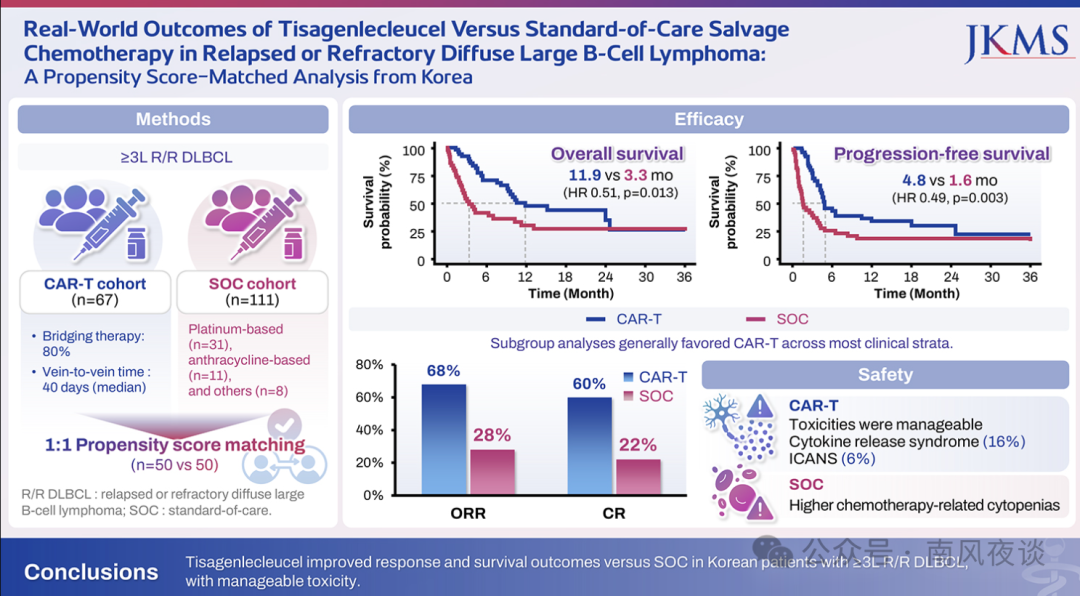
Real‑World Outcomes of Tisagenlecleucel Versus Standard‑of‑Care Salvage Chemotherapy in Relapsed or Refractory Diffuse Large B‑Cell Lymphoma: A Propensity Score‑Matched Analysis From Korea
Journal & IF: J Korean Med Sci (3.2)
Corresponding author & institution: Young‑Woo Jeon / Ki‑Seong Eom (Catholic University of Korea College of Medicine)
DOI: 10.3346/jkms.2026.41.e214
Link: https://doi.org/10.3346/jkms.2026.41.e214
Summary: Background: The CD19‑targeted CAR‑T product tisagenlecleucel produces durable responses in relapsed/refractory diffuse large B‑cell lymphoma (R/R‑DLBCL), but real‑world data comparing this agent with standard of care in Asian populations are scarce. Methods: A retrospective propensity score‑matched cohort study was conducted at two Korean tertiary hospitals, enrolling adult R/R‑DLBCL patients receiving third‑line or later tisagenlecleucel or standard salvage chemoimmunotherapy. 1:1 propensity score matching was performed based on age, sex, number of prior lines, International Prognostic Index, ECOG performance status, and year of diagnosis. Primary outcomes were response rate, progression‑free survival (PFS), overall survival (OS), and safety. Results: Of 178 eligible patients (67 CAR‑T, 111 standard‑of‑care), 100 patients were matched (50 per group). The CAR‑T group had an overall response rate of 68% and complete response rate of 60%, significantly higher than the standard‑of‑care group’s 28% and 22%. Median PFS was 4.8 months in the CAR‑T group vs. 1.6 months in the standard‑of‑care group (HR=0.49, P=0.003); median OS was 11.9 months vs. 3.3 months (HR=0.51, P=0.013). Most subgroup analyses favored CAR‑T. CAR‑T‑related toxicities were manageable, with CRS in 16% and neurotoxicity in 6%; chemotherapy‑related cytopenias were more common in the standard‑of‑care group. Conclusions: This Asian propensity score‑matched real‑world study shows that third‑line or later tisagenlecleucel provides superior response and survival outcomes compared with salvage chemotherapy in Korean R/R‑DLBCL patients, supporting its use as a standard‑of‑care option in this setting.
Extracting adverse event nature, severity, timelines and resulting interventions from clinical notes of patients receiving CAR‑T cell therapy using large language models
Journal & IF: PLOS Digit Health (7.7)
Corresponding author & institution: Jordan Guillot (Stanford University)
DOI: 10.1371/journal.pdig.0001426
Link: https://doi.org/10.1371/journal.pdig.0001426
Summary: CAR‑T cell therapy has revolutionized the treatment of hematologic malignancies by genetically modifying patient T cells to target tumor antigens, but related adverse events are largely recorded only in unstructured electronic health record text, requiring meticulous tracking and management. This study evaluated a large language model‑based approach in a secure environment at the University of California, San Francisco, for 6 commercially available CAR‑T products (2012‑2023), extracting adverse events, dates, grades, and interventions within 30 days post‑infusion, and comparing with annotations from two human reviewers. Using GPT‑4‑0314 in zero‑shot mode with 4 prompt sets (pre‑specified AEs, non‑pre‑specified AEs, CRS, ICANS), 50 randomly selected clinical notes were evaluated against dual‑human annotations using accuracy, precision, recall, F1, and Cohen’s κ. The study included 4,762 progress notes from 293 patients, median age 65.6 years; CRS incidence was 80.2%, median onset 4 days; neutropenia 70.0%, median onset 16 days; febrile neutropenia 64.8%, median onset 4 days; ICANS 34.8%, with interventions primarily tocilizumab and corticosteroids. A large proportion of AEs lacked grade documentation: CRS ungraded in 62.3%, ICANS ungraded in 56.1%; among graded events, grade 1 CRS (59.4%) and grade 2 ICANS (28.0%) predominated. The model performed well on CRS and ICANS grading, with accuracy of 0.97 and 0.91, respectively; pre‑specified AE extraction accuracy 0.62‑0.76, non‑pre‑specified AE accuracy 0.76‑0.84. Inter‑rater agreement for CRS/ICANS occurrence and grading was high (κ 0.86‑0.96), moderate for timing and interventions, and low for broader AE attributes. Large language models can mine unstructured clinical details and characteristic CAR‑T timelines to support AE monitoring and real‑world evidence generation, but performance varies across AE attributes and requires cautious application. CRS and ICANS identification and grading performed best, with near‑ideal inter‑rater agreement. Given model performance variability, LLM use requires careful consideration; these results support supervised CRS/ICANS information extraction in EHR research or pilot settings with concurrent monitoring and prospective validation.
Section 3: Review Articles
Optimal CAR‑T cell therapy options for patients with multiple myeloma
Journal & IF: Chin Med J (Engl) (9.1)
Corresponding author & institution: An Gang / Qiu Lugui (Institute of Hematology, Chinese Academy of Medical Sciences)
DOI: 10.1097/CM9.0000000000004274
Link: https://doi.org/10.1097/CM9.0000000000004274
Summary: The treatment landscape for multiple myeloma has undergone dramatic changes over the past decade, and the era of cellular immunotherapy has arrived. However, selecting the appropriate CAR‑T product across different clinical scenarios remains a clinical challenge. This guideline, based on the GRADE framework, provides evidence‑based recommendations for CAR‑T selection in multiply relapsed/refractory multiple myeloma (RRMM), 1‑2 line RRMM, post‑BCMA‑targeted therapy relapse, and newly diagnosed multiple myeloma (NDMM). BCMA remains the core target in RRMM; ide‑cel, cilta‑cel, and eque‑cel have all demonstrated excellent efficacy, with some products moving to earlier lines, though cilta‑cel carries a specific neurotoxicity risk that has been significantly reduced through regimen optimization. GPRC5D, as an emerging target, achieves high response rates in patients who have failed BCMA CAR‑T therapy. Dual‑target CAR‑T approaches aim to counter antigen escape; early trials of BCMA plus GPRC5D and BCMA plus CD19 have shown promising response rates, though the general value of BCMA+CD19 requires further validation. Multiple clinical trials are exploring CAR‑T in high‑risk NDMM and primary plasma cell leukemia; overall efficacy in high‑risk populations is somewhat inferior, but benefit is still observed. Currently, CAR‑T, bispecific antibodies, and antibody‑drug conjugates have overlapping indications; the optimal sequencing of these modalities remains undefined, with switching antigen targets potentially representing a better strategy. Overall, CAR‑T is expanding from relapsed/refractory to earlier disease stages, with new targets and dual‑target strategies being developed to overcome resistance, requiring individualized treatment that integrates disease biology and patient characteristics.
Section 4: Basic and Translational Research
The CA19‑9 glycan is a viable target for CAR T cell therapy in pancreatic and other solid tumors
Journal & IF: Gastroenterology (29.7)
Corresponding author & institution: Ben Z Stanger (University of Pennsylvania)
DOI: 10.1053/j.gastro.2026.08.014
Link: https://doi.org/10.1053/j.gastro.2026.08.014
Summary: Background & Aims: CAR‑T cell therapy development for pancreatic ductal adenocarcinoma (PDAC) faces numerous challenges, partly due to the scarcity of tumor‑specific cell surface targets. This study investigated the feasibility and antitumor efficacy of CAR‑T cells targeting the CA19‑9 glycan antigen, a common tumor antigen in PDAC and other gastrointestinal tumors. Methods: The study designed and screened 14 CA19‑9 CAR constructs with different single‑chain variable fragments (scFvs) and intracellular signaling domains. After identifying the optimal CAR configuration, antitumor efficacy was further evaluated in multiple in vitro and in vivo models. Results: Among the 14 CAR constructs tested, AbLIFT15.28z was selected, which enabled robust T‑cell expansion and efficient tumor cell killing. Experiments using human PDAC cell lines and patient‑derived organoids (PDOs) demonstrated that AbLIFT15.28z CAR‑T cell‑mediated cytotoxicity was specific to CA19‑9‑expressing tumor cells, both in vitro and in vivo. Subsequent testing of AbLIFT15.28z CAR‑T cells in immunocompetent PDAC mouse models showed significant antitumor activity against both primary and metastatic tumors. The efficacy of this therapy was not limited to PDAC; potent and specific antitumor effects were also observed against CA19‑9‑expressing colorectal, gastric, esophageal, and biliary tract tumors. Conclusions: This study demonstrates the therapeutic efficacy of CA19‑9 CAR‑T cells against gastrointestinal tumors across multiple preclinical tumor models, providing a rationale for future clinical development.
Immunoglobulin constant domains as targets for T‑cell receptor‑based treatment of multiple myeloma
Journal & IF: Blood (23.9)
Corresponding author & institution: Miranda H Meeuwsen (Leiden University Medical Center)
DOI: 10.1182/blood.2025032234
Link: https://doi.org/10.1182/blood.2025032234
Summary: Despite major advances in chimeric antigen receptor (CAR) T‑cell therapy, multiple myeloma (MM) remains largely incurable, with most patients relapsing. To broaden treatment options and overcome antigen escape, this study explored T‑cell receptor (TCR)‑based targeting of intracellular antigens derived from immunoglobulin (Ig) heavy chain constant domains. Using HLA class I peptidomics, 9 peptides derived from IgG or IgA and presented by common HLA alleles were identified. High‑affinity T‑cell clones recognizing 4 of these epitopes were isolated from HLA‑mismatched healthy donors. Transfer of these immunoglobulin‑specific TCRs into donor T cells conferred potent and selective recognition of IgG‑ or IgA‑expressing MM cell lines, without damaging antigen‑negative cells. Safety analysis confirmed strict HLA‑restricted specificity, with no cross‑reactivity against other HLA alleles, non‑B‑lineage tumor cell lines, or healthy tissues, except for clearance of isotype‑matched B cells. Immunoglobulin‑TCR T cells efficiently lysed patient‑derived MM cells in vitro and eradicated established IgA‑ or IgG‑expressing MM tumors in mouse xenograft models. Mechanistic studies suggested that dendritic cells can cross‑present immunoglobulin peptides in the presence of high serum concentrations, potentially enhancing T‑cell activation in vivo. Subtype‑specific B‑cell depletion implies that immunoglobulin‑TCR T‑cell therapy may partially preserve humoral immunity, reducing the need for antibody replacement therapy compared with pan‑B‑cell depletion strategies.
An inducible signal 1 booster overcomes limited access to antigen for solid tumor cell therapy
Journal & IF: Mol Ther Oncol (8.5)
Corresponding author & institution: Alexander Kamb (A2 Biotherapeutics, USA)
DOI: 10.1016/j.omton.2026.201315
Link: https://doi.org/10.1016/j.omton.2026.201315
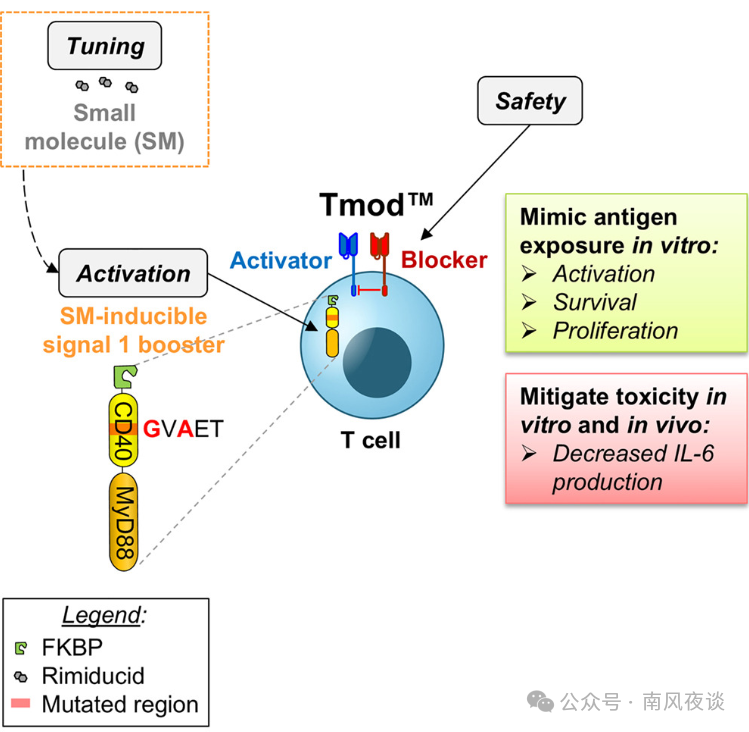
Summary: Antigen (signal 1) is the initiator and energy source of T‑cell responses. Chimeric antigen receptors (CARs) borrow T‑cell receptor (TCR) signaling domains (e.g., ITAM elements) to redirect T‑cell responses toward specific antigens. Most strategies to enhance cell therapy efficacy aim to improve sensitivity, persistence, and other functions while preserving antigen dependence. However, solid tumors present unique challenges compared with hematologic malignancies—access to target antigen‑positive tumor tissue is severely restricted by vascular walls; under conditions of insufficient antigen supply, it remains unclear how antigen‑dependent enhancement modules function. This study constructed a simple regulatory circuit that amplifies CAR downstream signaling using a small molecule to mimic antigen stimulation, addressing this challenge. This signal 1 booster is derived from a reported MyD88‑CD40 fusion protein variant, while avoiding the antigen hyper‑sensitization caused by the original molecule. The study identified a booster that, when co‑expressed with CAR or Tmod, enables small molecule‑inducible T‑cell expansion and activation; in mouse models simulating normal tissues, the system demonstrated favorable safety.
IL‑15 boosts mesothelin‑ and CD70‑CAR NK cell potency in PDAC without added benefit from dual targeting
Journal & IF: Mol Ther Oncol (8.5)
Corresponding author & institution: Jonas Van Audenaerde (University of Antwerp, Belgium)
DOI: 10.1016/j.omton.2026.201316
Link: https://doi.org/10.1016/j.omton.2026.201316
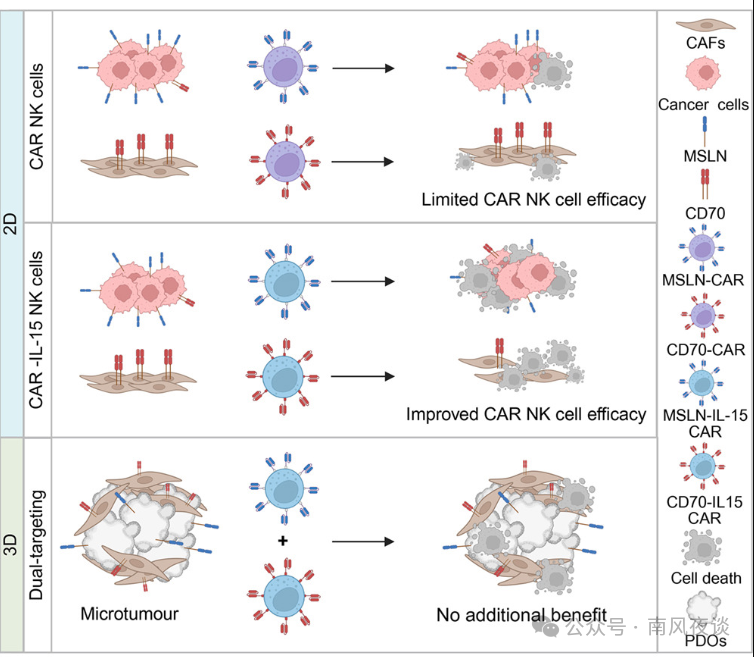
Summary: CAR therapy has achieved remarkable success in hematologic malignancies, but overall efficacy remains limited in solid tumors such as pancreatic ductal adenocarcinoma (PDAC). Among multiple limiting factors, the dense stromal barrier formed by cancer‑associated fibroblasts (CAFs) is a key obstacle, giving rise to therapeutic strategies that simultaneously target both stroma and tumor cells. Immunohistochemical analysis of PDAC primary tumors and liver metastases confirmed high expression of mesothelin (MSLN) on tumor cells, while CD70 was expressed on tumor cells and predominantly on CAFs. Given the better safety profile of CAR‑NK cells compared with CAR‑T cells, the study constructed MSLN‑ and CD70‑targeted CAR‑NK cells carrying IL‑15. Both CAR‑NK cells demonstrated cytotoxicity against pancreatic cancer cell lines and CAF lines with varying antigen expression levels in vitro; for more resistant cell lines, both the CAR molecule and IL‑15 were required to enhance cellular function. Notably, in advanced 3D in vitro models and in vivo experiments, combining MSLN‑CAR‑NK cells with CD70‑CAR‑NK cells did not significantly improve tumor lysis compared with monotherapy. These results suggest limitations of the dual‑targeting strategy, indicating that improving CAR‑NK cell function in the PDAC microenvironment requires more advanced engineering approaches beyond antigen targeting and cytokine support.
CAR design equips diverse immune cells with unique antigen‑specific activation identities
Journal & IF: Mol Ther Oncol (8.5)
Corresponding author & institution: Satoshi Yamazaki (University of Tokyo)
DOI: 10.1016/j.omton.2026.201312
Link: https://doi.org/10.1016/j.omton.2026.201312
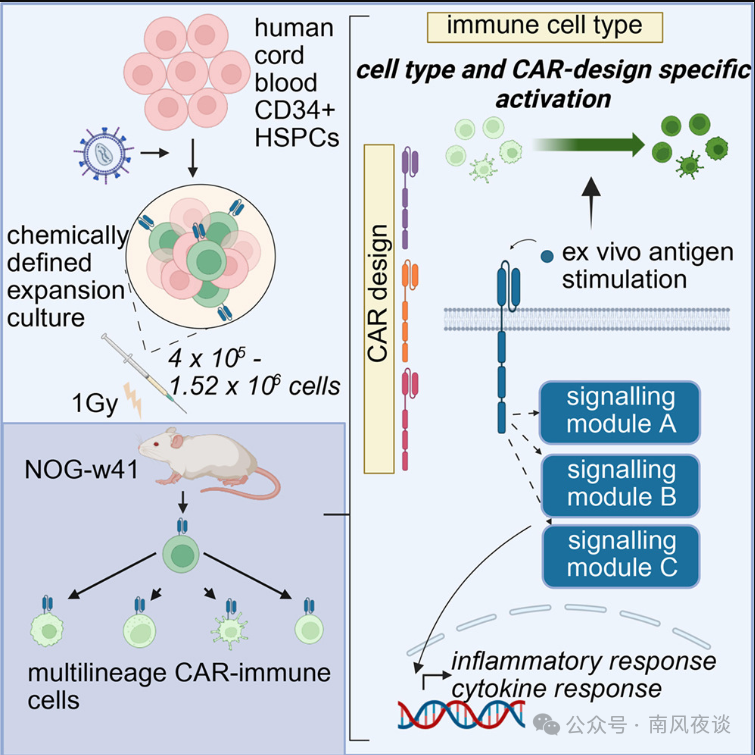
Summary: Hematopoietic stem and progenitor cells (HSPCs) are multipotent cells capable of differentiating into all hematopoietic lineages, making them a highly promising platform for regenerative immunotherapy. Meanwhile, CAR engineering has expanded beyond T cells—which have been successful in treating B‑cell malignancies—to include more immune cell types, with cell type‑specific CAR designs being developed. However, how CAR architecture regulates activation phenotypes across different immune lineages remains incompletely understood. This study used a human HSPC‑derived multi‑lineage CAR immune cell platform to systematically compare multiple validated CAR constructs optimized for different immune cells. HSPC‑derived T cells, natural killer (NK) cells, and myeloid cells all exhibited immune activation across different CAR configurations; B‑cell activation was highly dependent on CAR design. Pathway analysis showed that immune cell lineage was the primary determinant of post‑activation transcriptional state, with CAR design modulating signaling programs—including proliferation, inflammation, and cytokine responses—within lineage‑restricted signaling circuits. Single‑cell InTraSeq results revealed that within T, B, and myeloid cell populations, signaling pathway activation patterns were co‑regulated by CAR design and cell lineage, further influencing downstream transcriptional programs. Although this is an exploratory study with limited sample size, it confirms that CAR design and cell lineage jointly determine activation phenotypes and signaling pathways, providing a reference for developing next‑generation CAR immune cells with customized activation features.
Humanized CD70‑targeted CAR‑T cells with reduced fratricide demonstrate potent antitumor activity against AML and RCC
Journal & IF: Int Immunopharmacol (5.6)
Corresponding author & institution: Liu Kangdong / Guoming Li / Jimin Zhao (School of Basic Medical Sciences, Zhengzhou University)
DOI: 10.1016/j.intimp.2026.117325
Link: https://doi.org/10.1016/j.intimp.2026.117325
Summary: CAR‑T cell therapy has achieved outstanding efficacy in B‑cell malignancies, but its application in acute myeloid leukemia (AML) and renal cell carcinoma (RCC) remains challenging due to a scarcity of ideal target antigens. CD70 is highly expressed on AML and RCC tumor cells, while in normal tissues it is expressed primarily on activated lymphocytes, making it a highly promising immunotherapy target. However, CD70 expression on activated T cells causes fratricide of CD70‑targeted CAR‑T cells, severely limiting cell manufacturing and therapeutic efficacy. Using the clinically stage anti‑CD70 antibody ARGX‑110 as a reference, this study screened an immunized mouse phage display library to obtain high‑affinity anti‑CD70 antibodies, from which multiple second‑generation CARs were constructed. Functional characterization identified candidate A174‑CAR‑T, which had high CAR expression, strong in vitro antitumor activity, and weak fratricide. Its scFv was subsequently humanized to generate A174‑hu1‑CAR. Compared with the original construct, A174‑hu1‑CAR‑T cells showed enhanced expansion capacity and significantly reduced cell surface CD70 expression, suggesting enhanced cis‑masking. Molecular docking and surface electrostatic potential analysis indicated that humanization optimized the scFv‑CD70 binding interface, which, combined with increased CAR expression, enhanced masking and reduced fratricide. Functionally, A174‑hu1‑CAR‑T retained potent cytotoxicity, with increased proportions of proliferative and central memory T‑cell subsets. In xenograft models, A174‑hu1‑CAR‑T demonstrated good antitumor efficacy against both AML and RCC with manageable safety. In summary, this study developed a humanized CD70‑targeted CAR‑T cell, A174‑hu1‑CAR‑T, with reduced fratricide and excellent antitumor activity, providing preclinical evidence for future translational research.

