This issue features 15 clinical studies, 3 review articles, and 11 basic research papers, covering hematologic malignancies, solid tumors, and autoimmune diseases. The report is organized into four sections: Highlight Articles, Clinical and Translational Research, Review Articles, and Basic and Translational Research.
The weekly report is divided into four sections.The first section features “Highlight Articles,” which selects several of the most noteworthy articles in the CAR-T field published during the week. The second section covers clinical and translational research, including clinical trials of novel drugs, investigator-initiated clinical trials (prospective or retrospective), translational research (bedside-to-bench), case reports and case series, and development of clinical prediction models. The third section comprises review articles addressing various aspects of CAR-T cell therapy. The fourth section focuses on basic and translational research, including foundational studies, translational research (bench-to-bedside), technological advancements, and preclinical studies aimed at optimizing CAR-T cell therapy and developing novel T-cell therapies.
Section 1: Highlight Articles
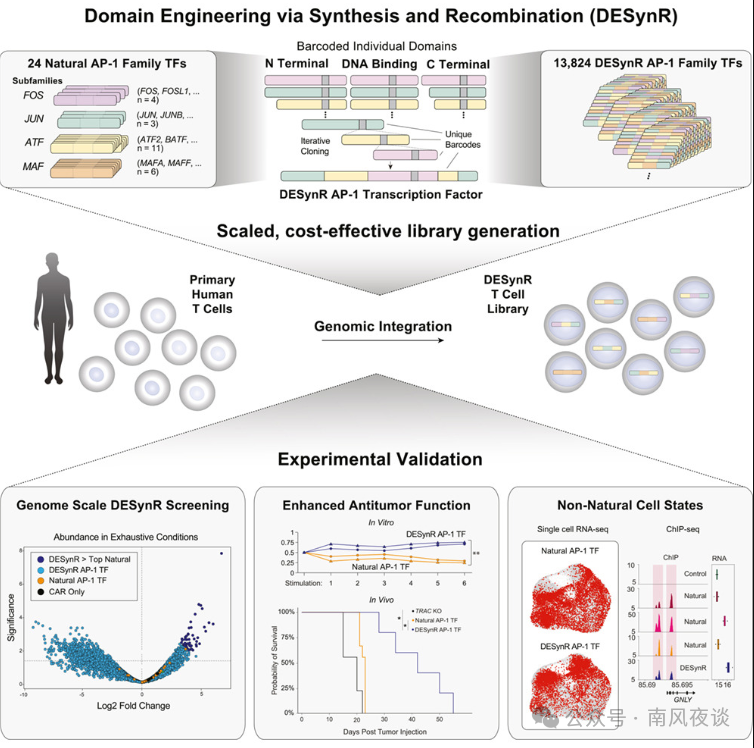
Synthetic transcription factors designed by domain recombination enhance CAR T cell antitumor function
Journal & IF:Cell (45.1)
Corresponding author & institution:Theodore L. Roth / Ansuman T. Satpathy (Stanford University)
DOI:10.1016/j.cell.2026.07.054
Summary:Human protein-coding genes have evolved through rearrangement of ancestral domains. The researchers developed a scalable, evolution-inspired method for assembling new genes from constituent domains within a protein family, termed Domain Engineering by Synthesis and Recombination (DESynR) genes. In primary human T cells, DESynR activator protein-1 (AP-1) transcription factors (TFs) significantly outperformed natural AP-1 TFs in both in vitro and in vivo antitumor assays. DESynR AP-1 TFs induced extensive transcriptional and epigenetic reprogramming, establishing non-native T cell states that optimized exhaustion, effector and cytotoxic functions, and persistence—sometimes borrowing gene modules from different cell types. Reprogramming was primarily driven by differential regulation of established AP-1 binding regulatory elements rather than unique binding. Finally, the authors screened DESynR ETS and FOX TFs to support generalizability across protein families. Overall, the study demonstrates that reconfiguring existing protein domains may uncover non-evolved genes capable of programming therapeutically relevant cell states.
A phase 1 feasibility trial of BE-CAR33, an “off-the-shelf” base-edited CAR33 T cell therapy for acute myeloid leukemia
Journal & IF:Sci Transl Med (15.6)
Corresponding author & institution:Waseem Qasim (University College London)
DOI:10.1126/scitranslmed.aei0875
Summary:Chimeric antigen receptor (CAR) T cell therapy for acute myeloid leukemia (AML) is limited by antigen heterogeneity, shared expression with healthy tissues, and challenges in obtaining autologous T cells from heavily pretreated patients. To address these challenges, the authors developed base-edited anti-CD33 CAR T cells (BE-CAR33) derived from universal donors, using precise multiplex cytidine deamination to simultaneously disrupt TRAC, CD52, and CD7 loci to prevent graft-versus-host disease (GVHD) and evade immunotherapeutic effects. An open-label, non-randomized, single-center phase 1 study (ISRCTN14430213) evaluated the safety, feasibility, and activity of BE-CAR33 in AML patients prior to allogeneic hematopoietic stem cell transplantation (allo-SCT). Eligible subjects were patients under 16 years of age with relapsed/refractory AML. Five patients were screened and three were enrolled; one adult received BE-CAR33 via compassionate use. Subjects received fludarabine, cyclophosphamide, and alemtuzumab conditioning followed by infusion of 1.2 to 1.8 × 10⁶ BE-CAR33 cells per kg of body weight. Treatment-emergent adverse events included cytokine release syndrome (CRS, ≤grade 2), neurotoxicity (grade 3), cytopenia (grade 4), and transient rash. Two patients showed reduced minimal residual disease (MRD) and proceeded to allo-SCT. BE-CAR33 T cells were tracked by serial flow cytometry, chimerism quantification, and vector copy number analysis until their clearance during transplantation. Differentially expressed genes included editing signature signals and shifted from manufacturing-associated signatures to effector and exhaustion signatures after expansion. Although the primary endpoint was not met, this first-in-human study demonstrated the feasibility of the “off-the-shelf” base-edited CAR T cell approach and informs future multi-antigen strategies for AML.
CAR T cell-derived TNF is an early determinant of cytokine release syndrome severity
Journal & IF:Sci Immunol (16.4)
Corresponding author & institution:Michel Sadelain (Columbia University Irving Medical Center)
DOI:10.1126/sciimmunol.aea6276
Summary:Cytokine release syndrome (CRS) is a common and potentially life-threatening toxicity of CAR T cell therapy, characterized by myeloid cell activation and systemic inflammation. Although downstream effector molecules such as IL-6 and IL-1β are well studied, the upstream signals that initiate CRS are not fully understood. In this study, selective blockade of tumor necrosis factor (TNF) signaling in a mouse model of CRS showed that CAR T cell-derived TNF promotes the accumulation of pro-inflammatory monocyte-derived macrophages at tumor sites and induces cytokines including IL-6 and IL-1β. The study further demonstrated in a humanized xenograft model that TNF determines CRS severity, governs the overall disease course, and is associated with lethal outcomes. Collectively, these findings identify TNF as an upstream regulator of CRS, acting at least in part through the macrophage system.
BAFF-R CAR T-cell therapy for relapsed or refractory B-cell lymphomas
Journal & IF:Lancet (109.0)
Corresponding author & institution:Larry W. Kwak (PeproMene Bio / PMB-CT01 study group)
DOI:10.1016/S0140-6736(26)01329-2
Summary:This phase 1 open-label dose-escalation trial evaluated the safety and efficacy of PMB-CT01, an autologous second-generation BAFF-R CAR-T product, in relapsed/refractory B-cell non-Hodgkin lymphoma (NCT05370430). A total of 9 patients received cell infusion, 6 of whom had failed prior CD19 CAR-T therapy. The trial used a 3+3 dose-escalation design with no dose-limiting toxicities observed. Grade 3 or higher adverse events were predominantly hematologic; 7 patients experienced grade 1 CRS, 2 had grade 1 immune effector cell-associated neurotoxicity syndrome (ICANS), and no treatment-related deaths occurred. The best overall response rate was 78%, all of which were complete responses; among the 6 patients who had failed CD19 CAR-T therapy, 4 achieved complete responses, and responses were also observed in CD19/CD20 double-negative patients. CAR-T cell expansion peaked around day 13 in responders, while no significant expansion was seen in non-responders. Based on the integrated safety, efficacy, and cellular kinetics profile, 200 million cells was selected as the phase 2 recommended dose. Limitations of this study include the small sample size and heterogeneity of lymphoma subtypes; expansion cohorts are ongoing. This study provides the first clinical evidence that BAFF-R CAR-T is effective in relapsed/refractory B-cell lymphomas, offering a new target to overcome antigen escape resistance and suggesting potential expansion to B cell-mediated non-malignant diseases.
Section 2: Clinical Research
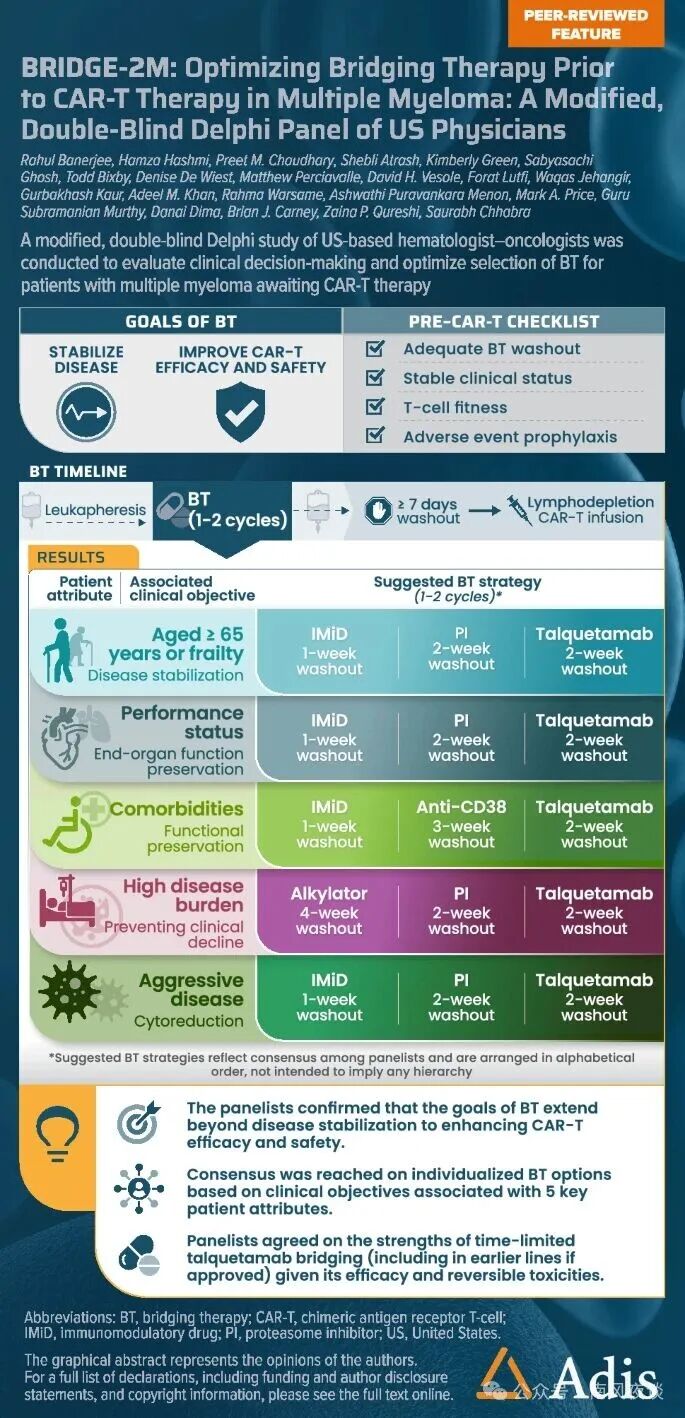
BRIDGE-2M: Optimizing Bridging Therapy Prior to CAR-T Therapy in Multiple Myeloma: A Modified Double-Blind Delphi Panel of US Physicians
Journal & IF:Adv Ther (4.7)
Corresponding author & institution:Rahul Banerjee (Sorbonne University)
DOI:10.1007/s12325-026-03737-7
Summary:This study aimed to establish expert consensus on optimal bridging therapy regimens for patients with relapsed/refractory multiple myeloma (RRMM) scheduled to receive CAR-T therapy. A three-round modified double-blind Delphi survey was conducted among U.S. hematologist-oncologists/hematologists involved in CAR-T clinical care for RRMM. A total of 15 experts participated (all had managed 60–100 RRMM patients in the past year; 86.7% had >5 years of experience). Consensus was reached on key factors influencing bridging therapy selection: tumor burden, disease aggressiveness, performance status, comorbidities, number of prior lines, age, and frailty. Different patient profiles corresponded to different clinical goals: disease stabilization for patients aged ≥65 years or frail (71% consensus); organ function preservation for those with poor performance status; maintenance of bodily function for those with comorbidities; avoidance of clinical deterioration for those with high tumor burden; and aggressive cytoreduction for aggressive disease (the latter four all at 100% consensus). Experts unanimously agreed that the core goals of bridging therapy are to reduce tumor burden and improve CAR-T efficacy and safety (100% consensus). Although talquetamab was more commonly used in later-line bridging (66.7% consensus), 73.3% of experts believed it could be used in earlier treatment phases if approved. The study establishes a consensus-based framework for optimizing bridging therapy, linking five key patient characteristics to clinical treatment goals; bridging therapy may do more than stabilize disease—it may also improve CAR-T efficacy and safety.
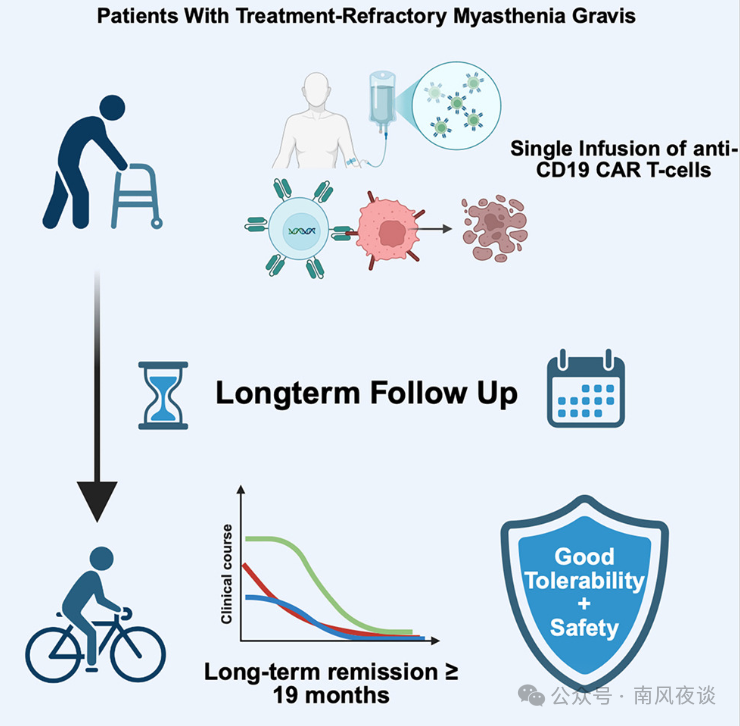
Long-term outcomes of anti-CD19 CAR T cell therapy in refractory myasthenia gravis: A case series
Journal & IF:Cell Rep Med (14.0)
Corresponding author & institution:Aiden Haghikia (Hannover Medical School, Germany)
DOI:10.1016/j.xcrm.2026.103000
Summary:Anti-CD19 CAR T cell therapy is an emerging treatment for generalized, refractory myasthenia gravis (MG), a predominantly B cell-mediated autoimmune disease for which durable treatment-free remission remains an unmet need. Despite recent advances, most existing targeted therapies require lifelong repeated administration and rarely induce sustained treatment-free remission. This report presents clinical data from 3 patients with severe refractory MG (one with concurrent rheumatoid arthritis) treated with autologous fully human anti-CD19 CAR T cells. All 3 patients achieved rapid and sustained clinical remission of MG with at least 19 months of follow-up, allowing discontinuation of MG-specific immunotherapy, with significant improvements in clinical and functional outcomes even though anti-acetylcholine receptor (anti-AChR) autoantibody titers remained detectable. B cells were deeply depleted; treatment-related adverse events were transient and manageable during long-term follow-up. These data support anti-CD19 CAR T cell therapy as a durable and effective intervention for refractory MG, warranting further prospective controlled trials.
Lesion-level PET/CT analysis to identify predictors of progression after BCMA CAR T-cell therapy in multiple myeloma
Journal & IF:Blood Cancer J (13.8)
Corresponding author & institution:Alexandra D. Dreyfuss (Memorial Sloan Kettering Cancer Center)
DOI:10.1038/s41408-026-01607-7
Summary:Anti-BCMA CAR-T can achieve high response rates in relapsed/refractory multiple myeloma (RRMM), but most patients eventually relapse. Serologic and bone marrow MRD assessments cannot capture lesion-level heterogeneity. This study leveraged ¹⁸F-FDG PET/CT to analyze longitudinal imaging data from 102 patients treated with cilta-cel at both patient and lesion levels. At a median follow-up of 19 months, 40 patients experienced disease progression, 90% of which showed imaging changes; recurrent lesions predominantly arose from pre-existing lesions, with the proportion of extramedullary disease (EMD) and paramedullary disease (PMD) increasing from 38% at baseline to 72% at relapse. Multivariable analysis identified pre-lymphodepleting chemotherapy (pre-LDC) PMD, EMD, multiple prior lines of therapy, and functional high-risk status as independent risk factors for poor progression-free survival (PFS). Lesion-level analysis showed that EMD and PMD lesions had higher baseline metabolic activity and significantly higher progression risk than bone lesions; lesions achieving PET complete remission at day 30 post-infusion had very low progression rates, while EMD/PMD lesions not achieving complete remission had the highest recurrence risk. The study suggests that pre-LDC lesion burden, EMD/PMD involvement, and day 30 PET metabolic status can identify high-risk patients and lesions, supporting post-CAR-T imaging surveillance and risk-stratified intervention, though these retrospective findings require prospective validation.
Dual B-Cell Maturation Antigen/CD19 Chimeric Antigen Receptor-T Therapy for AL Amyloidosis: Targeting the Clone, Saving the Kidney
Journal & IF:J Am Soc Nephrol (9.7)
Corresponding author & institution:Mark B. Leick (Massachusetts General Hospital, Krantz Family Center for Cancer Research)
DOI:10.1681/ASN.0000001223
Summary:AL amyloidosis is driven by pathogenic plasma cells, and treatment options for relapsed/refractory patients are limited. CD19 and BCMA target B cells/plasma cells at different differentiation stages, and dual-target CAR-T can cover both plasmablasts and long-lived plasma cells. This JASN commentary discusses a study of dual BCMA/CD19 CAR-T in 6 heavily pretreated AL amyloidosis patients. Patients had prior exposure to anti-CD38 monoclonal antibodies, proteasome inhibitors, or autologous stem cell transplantation. CAR-T was administered at relatively low doses; only grade 1 CRS was observed, with no ICANS, though lymphopenia, hypogammaglobulinemia, and infections occurred. Dual targeting eliminated long-lived memory plasma cells, which also eliminated vaccine-induced protective antibodies. At a median follow-up of 640 days, all patients achieved hematologic and renal complete responses; one relapsed after 6 months, possibly related to low BCMA expression on target cells and CAR-T exhaustion. B cells reconstituted at approximately 4.5 months. This small, non-randomized study demonstrates that dual-target CAR-T can achieve deep responses, though larger cohorts are needed to assess long-term efficacy and late toxicities, and clinical questions remain regarding dosing, treatment timing, and whether lymphodepleting chemotherapy can be omitted.
Improved progression free survival after axicabtagene ciloleucel compared to tisagenlecleucel, in patients aged >70 years with large B-cell lymphoma
Journal & IF:Haematologica (8.2)
Corresponding author & institution:Annalisa Ruggeri (IRCCS San Raffaele Scientific Institute, Milan, Italy; EBMT Cellular Therapy Working Party)
DOI:10.3324/haematol.2026.300508
Summary:CAR-T therapy is effective in relapsed/refractory large B-cell lymphoma, but evidence in elderly patients (≥70 years) is limited. This study compared outcomes between tisagenlecleucel (tisa-cel) and axicabtagene ciloleucel (axi-cel) and analyzed prognostic factors. The study included 1,191 patients ≥70 years from the EBMT registry (402 tisa-cel, 789 axi-cel), with a median follow-up of 22.7 months. Endpoints included CRS, ICANS, overall survival (OS), PFS, relapse incidence (RI), and non-relapse mortality (NRM). Multivariable analysis adjusted for age, sex, ECOG performance status, disease status, prior transplant history, and infusion year. Median age at infusion was 74 years; 65.6% were aged 70–75. Disease progression at infusion was seen in 59% of tisa-cel and 53% of axi-cel patients (p=0.04); tisa-cel patients were slightly older (74.0 vs. 73.7 years, p=0.019). At day 30 post-infusion, any-grade CRS occurred in 62% (tisa-cel) vs. 77% (axi-cel, p<0.001), and any-grade ICANS in 22% vs. 47% (p<0.001). Kaplan-Meier and cumulative incidence analyses showed 1-year OS, PFS, RI, and NRM of 57%, 37%, 59%, and 4% for tisa-cel, and 63%, 50%, 41%, and 9% for axi-cel. Outcomes were similar across age subgroups (70–74, 75–79, ≥80). Multivariable analysis suggested axi-cel was associated with improved PFS (HR=0.72, p<0.001), reduced relapse risk (HR=0.59, p<0.001), but higher NRM (HR=1.75, p=0.01) and higher risks of ICANS (HR=2.25, p<0.001) and CRS (HR=1.29, p=0.009). Axi-cel showed a trend toward improved OS in univariate analysis (p=0.076) but not in multivariable analysis (HR=0.86, p=0.12). For patients ≥70 years, axi-cel offers better disease control with potential survival benefit but greater toxicity. Poor prognostic factors included ECOG ≥2, advanced disease pre-infusion, and earlier treatment year; age itself did not affect prognosis.
Second Line CD19 CAR-T vs Platinum Salvage and Autologous Stem Cell Transplant for Primary Mediastinal B-Cell Lymphoma
Journal & IF:Blood Adv (7.7)
Corresponding author & institution:Yasmin H. Karimi (University of Michigan)
DOI:10.1182/bloodadvances.2026020965
Summary:Primary mediastinal B-cell lymphoma (PMBCL) is a rare subtype of large B-cell lymphoma; approximately 90% of patients are cured with first-line therapy, but the optimal treatment for relapsed/refractory patients remains unclear. Pivotal phase 3 trials have shown that CD19 CAR-T improves OS in patients with primary refractory or early relapsed large B-cell lymphoma, establishing it as a preferred second-line option, though these core studies included limited numbers of PMBCL patients. This retrospective study included 252 relapsed/refractory PMBCL patients receiving second-line therapy at 14 U.S. centers from 2001–2025: 157 received platinum-based salvage chemotherapy (with planned high-dose therapy and autologous stem cell transplantation) and 26 received CD19 CAR-T as second-line therapy. The CAR-T cohort had significantly higher overall response rate (91.3% vs. 44.2%, p<0.001), complete response rate (65.2% vs. 14.7%, p<0.001), and median PFS (not reached vs. 3.5 months, HR=0.28, 95% CI 0.15–0.54, p=0.001) compared with the platinum cohort; OS did not differ significantly between groups. The study suggests that for relapsed/refractory PMBCL, second-line CD19 CAR-T is associated with superior response rates and PFS compared with platinum-based salvage chemotherapy followed by high-dose therapy and autologous stem cell transplantation.
Anti-CD123 CAR-T therapy combined with autologous SCT and venetoclax maintenance in refractory BPDCN ineligible for allogeneic transplantation: a case report and review of the literature
Journal & IF:Front Immunol (7.0)
Corresponding author & institution:Hu Kai (Beijing Gaobo Ren Hospital)
DOI:10.3389/fimmu.2026.1922400
Summary:Blastic plasmacytoid dendritic cell neoplasm (BPDCN) is an aggressive hematologic malignancy with limited treatment options for patients ineligible for allogeneic hematopoietic stem cell transplantation (allo-HSCT). Although CD123-targeted therapy and CAR-T infusion have shown promise, achieving sustained remission without consolidative transplantation remains challenging. This report describes an innovative “riple combination” consolidation regimen in a 55-year-old male with relapsed/refractory BPDCN and central nervous system involvement, who lacked an HLA-matched donor. The patient achieved complete metabolic remission with Hyper-CVAD chemotherapy but remained bone marrow MRD-positive; he then received high-dose conditioning followed by autologous stem cell transplantation (ASCT), followed by infusion of autologous CD123 CAR-T cells (1.74×10⁶/kg). Grade 3 CRS and suspected immune effector cell-associated hemophagocytic syndrome-like pathology (IEC-HS) occurred during treatment but were controlled with corticosteroids and emapalumab. Notably, ASCT served as “hematopoietic rescue” for CAR-T-induced prolonged cytopenia. To prevent late clonal escape, the BCL-2 inhibitor venetoclax was initiated as maintenance therapy post-transplant. The patient achieved sustained MRD-negative complete remission with disease-free survival exceeding 13 months. This multi-modality strategy—intensive cytoreduction, targeted immunotherapy with hematopoietic rescue, and molecular targeted maintenance—may offer a feasible and potentially curative alternative for BPDCN patients without suitable donors.
TA-TMA occurring after sequential CD7 CAR-T cell therapy and allogeneic hematopoietic stem cell transplantation: a case report
Journal & IF:Front Immunol (7.0)
Corresponding author & institution:Zhao Mingfeng / Jile Liu / Rui Zhang (Department of Hematology, Tianjin First Central Hospital)
DOI:10.3389/fimmu.2026.1831641
Summary:CAR-T bridging to allogeneic hematopoietic stem cell transplantation has become a key treatment strategy for relapsed/refractory hematologic malignancies. Sequential CD7 CAR-T followed by allo-HSCT offers a novel treatment approach for T-lineage malignancies, CD7-positive acute myeloid leukemia, and mixed phenotype acute leukemia. This regimen may circumvent the toxicities of conventional myeloablative conditioning and immunosuppressants while achieving tumor clearance, hematopoietic reconstitution, and GVHD prevention. Transplant-associated thrombotic microangiopathy (TA-TMA) is a rare but fatal complication after allo-HSCT that increases non-relapse mortality. This report describes a patient with mixed phenotype acute leukemia who developed early-onset TA-TMA after CD7 CAR-T bridging to allo-HSCT, aiming to raise clinician awareness and provide reference for early recognition and timely intervention to improve patient outcomes.
Response kinetics following CAR T-cell therapy for large B-cell lymphoma: a LYSA study from the DESCAR-T registry
Journal & IF:Bone Marrow Transplant (5.1)
Corresponding author & institution:Remy Dulery (Sorbonne University)
DOI:10.1038/s41409-026-03001-0
Summary:Response kinetics following CAR-T therapy are not fully characterized. This nationwide real-world study from the French DESCAR-T registry (NCT04328298) included 1,542 adult patients with large B-cell lymphoma who received CAR-T after at least 2 prior lines of therapy. At 1 month post-treatment, 49.1% achieved complete response, 28.9% partial response, 6.1% stable disease, and 15.9% progressive disease. Median event-free survival was 22.3 months for patients with complete response at 1 month, 3.5 months for partial response, and 2.3 months for stable disease (p<0.001). Among 484 patients who did not achieve complete response at 1 month (partial response/stable disease), 35.5% subsequently converted to complete response, mostly within 6 months; these patients had similar response duration and OS to those with early sustained complete responses. Multivariable analysis identified age >65 years, ineffective bridging therapy, and use of tisagenlecleucel as independent risk factors for lower CR conversion rates and shorter event-free survival and OS. A prognostic score integrating these variables stratified partial response/stable disease patients into 4 risk subgroups with significantly different outcomes. The findings suggest that failure to achieve complete response at 1 month should not prompt a watch-and-wait approach; although over one-third of patients may convert to complete response with favorable outcomes, most will experience disease progression or death, requiring early intervention. These results support risk-stratified management post-infusion and may inform future prospective trials. Trial registration: DESCAR-T registry, ClinicalTrials.gov NCT04328298.
CAR-FIT: CAR-T fitness index for therapy – integrating comorbidity and geriatric assessments to guide safe and equitable delivery of CAR-T in patients with borderline physiological reserve
Journal & IF:Transplant Cell Ther (4.7)
Corresponding author & institution:Kye Ling Wong (Singapore General Hospital)
DOI:10.1016/j.jtct.2026.08.028
Summary:Background: Appropriate patient selection for CAR-T therapy is critical to reducing preventable adverse outcomes and optimizing healthcare resource allocation. Objective: This paper proposes the CAR-T Fitness Index (CAR-FIT), which integrates frailty and comorbidity assessment tools established in real-world cohorts for objective patient risk stratification. Study design: Retrospective analysis of 80 patients with relapsed diffuse large B-cell lymphoma treated with CAR-T from 2020–2025. Endpoints included OS, PFS, and severe treatment-related complications (defined as grade ≥3 CRS, ICANS, or immune effector cell-associated hematotoxicity). Performance status and comorbidities were assessed using ECOG performance status, Karnofsky score, Cumulative Illness Rating Scale, Severe4, and the Cell Therapy Comorbidity Index, classifying patients as “fit,” “borderline,” or “unfit.” Results: Based on individual comorbidity scores, 30% (24 patients) had Cumulative Illness Rating Scale scores ≥7, 8.8% (7 patients) were Severe4-positive, and 5% (4 patients) had Cell Therapy Comorbidity Index >3. By CAR-FIT assessment, 51.2% (41 patients) were fit, 28.8% (23) borderline, and 20% (16) unfit. One-year OS rates differed significantly across fit, borderline, and unfit groups: 96.7% (95% CI 90.5–100), 66.7% (95% CI 47.3–94.1), and 45.8% (95% CI 22.2–94.8), p=0.03. One-year PFS also differed: 78.1% (95% CI 65.7–92.9), 52.9% (95% CI 35.1–79.6), and 43.8% (95% CI 22.1–86.8), p<0.01. Conclusions: Combining the Cumulative Illness Rating Scale, Severe4, and Cell Therapy Comorbidity Index enables effective outcome stratification; when further integrated with frailty assessment, this tool may optimize patient selection and enable safer CAR-T delivery in potentially eligible patients.
Beyond the typical immune effector cell-associated neurotoxicity syndrome: Characterizing non-immune effector cell-associated neurotoxicity syndrome neurological complications in chimeric antigen receptor T-cell therapy—A retrospective analysis
Journal & IF:Neurooncol Adv (4.6)
Corresponding author & institution:Haroon Ahmad (University of Maryland School of Medicine)
DOI:10.1093/noajnl/vdag204
Summary:Background: CAR-T therapy has transformed the treatment of relapsed/refractory hematologic malignancies. ICANS is a well-recognized complication, but as clinical application expands, various neurological complications distinct from ICANS are increasingly identified, posing challenges to routine diagnosis and management. This study characterizes the clinical features and outcomes of these atypical neurological injuries. Methods: Single-center retrospective analysis of 357 patients with non-Hodgkin lymphoma or multiple myeloma who received commercial CAR-T therapy from 2015–2025. Non-ICANS neurological complications were defined as neurological deficits, movement disorders, or neurocognitive syndromes without diffuse encephalopathy (ICE score 9–10). The institutional protocol included baseline neurological assessment and brain MRI. Results: A total of 17 patients (4.76%) developed non-ICANS-related complications, including focal neuropathies or myelopathies (5 cases), progressive leukoencephalopathy (4), neuropsychiatric symptoms (3), parkinsonism (2), and cranial nerve palsies (4). Median time to onset was 7 days for typical ICANS, while non-ICANS complications had a longer course, with a median duration of 14 days (range 4 to >365 days). Of the 15 patients who underwent post-treatment brain MRI, 5 (33.3%) had imaging abnormalities, predominantly white matter T2/FLAIR hyperintensities. In some cases (2 patients), CSF immune monitoring suggested higher CAR-T cell levels in CSF than in peripheral blood. Conclusions: Non-ICANS neurological complications represent a distinct clinical subtype with atypical presentations, neuroimaging abnormalities, and prolonged recovery. Routine screening may fail to identify these focal neurotoxicities, necessitating heightened clinical vigilance and individualized diagnostic approaches to reduce long-term functional impairment.
Prognostic factor analysis of CD19 CAR-T therapy followed by hematopoietic stem cell transplantation in relapsed/refractory B-ALL
Journal & IF:Clin Exp Med (4.5)
Corresponding author & institution:Zhao Mingfeng (Department of Hematology, Tianjin First Central Hospital)
DOI:10.1007/s10238-026-02273-6
Summary:This study aimed to evaluate long-term outcomes in patients with relapsed/refractory B-cell acute lymphoblastic leukemia (R/R B-ALL) receiving CD19 CAR-T followed by allogeneic hematopoietic stem cell transplantation and to identify risk factors affecting OS and acute GVHD severity. The retrospective analysis included 63 R/R B-ALL patients who received CD19 CAR-T followed by allo-HSCT. Cox regression was used to analyze OS-related factors; patients were stratified by aGVHD severity into low-grade and high-grade groups, and logistic regression was used to identify predictors of severe aGVHD. A nomogram was constructed based on these predictors and internally validated using ROC curves, calibration curves, and decision curve analysis. Two-year OS and PFS were 67.7% and 55.6%, respectively. Time from CAR-T to transplantation and high-grade aGVHD were independent risk factors for OS, while low-grade aGVHD had a protective effect. Prolonged time from CAR-T to transplantation and pre-transplant MRD positivity were independent predictors of severe aGVHD. The nomogram for predicting aGVHD severity showed good discrimination (AUC=0.827) and calibration, with clinical utility. This study identified key prognostic factors in this treatment paradigm and established a validated nomogram for early individualized prediction of severe aGVHD, facilitating early risk stratification and precision intervention to improve patient outcomes.
Post-CAR T-cell thyroid dysfunction: destructive thyroiditis identified through thyroid function monitoring in a single-center cohort
Journal & IF:Front Oncol (3.4)
Corresponding author & institution:Satoshi Yoshihara (Hyogo Medical University, Nishinomiya, Japan)
DOI:10.3389/fonc.2026.1876913
Summary:Background: Endocrine complications after CAR-T therapy are understudied. Thyroid dysfunction is well recognized with immune checkpoint inhibitors, but thyroid function testing is not routinely included in CAR-T toxicity assessments. Methods: After identifying the first case of destructive thyroiditis post-CAR-T at their institution, the authors implemented routine thyroid function monitoring in 94 consecutive CAR-T recipients. This single-center study included the index patient and 94 subsequent patients receiving axicabtagene ciloleucel, lisocabtagene maraleucel, or idecabtagene vicleucel. Results: Two patients developed transient thyrotoxicosis consistent with destructive thyroiditis, representing 2.1% of the 95 total patients (exact 95% CI: 0.3–7.4%). Both occurred among the 12 patients who developed grade ≥2 CRS (2/12; exact 95% CI: 2.1–48.4%). One case was confirmed by thyroid scintigraphy showing markedly reduced uptake; the other was clinically suspected. Several mild or transient thyroid function abnormalities not meeting criteria for destructive thyroiditis were also observed. Conclusions: Destructive thyroiditis can occur after CAR-T therapy and may be underdiagnosed due to overlapping clinical presentation with other post-CAR-T inflammatory toxicities. Both cases occurred after grade ≥2 CRS, suggesting a possible association that requires further validation.
Section 3: Review Articles
Rewiring immunity with in vivo CAR T cell engineering
Journal & IF:Nat Cancer (28.0)
Corresponding author & institution:Clare Y. Slaney / Phillip K. Darcy (Peter MacCallum Cancer Centre, Parkville, Victoria, Australia)
DOI:10.1038/s43018-026-01216-0
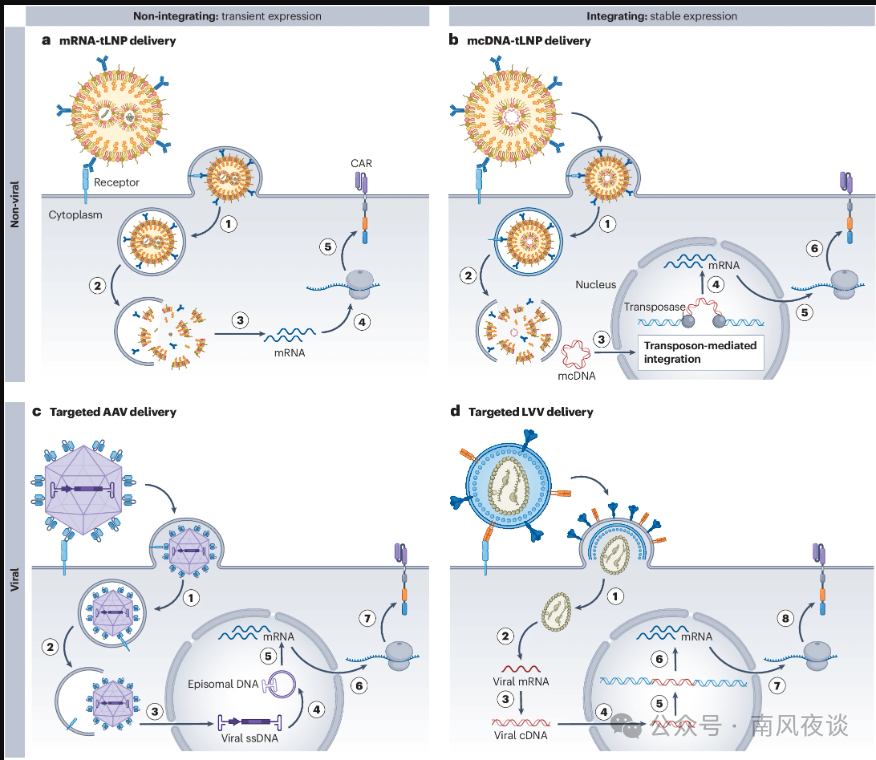
Summary:Ex vivo-generated chimeric antigen receptor (CAR) T cell therapy has transformed the treatment of certain hematologic malignancies, but complex manufacturing processes and limited patient access constrain its broader application. In vivo CAR T cell engineering aims to generate CAR-T cells directly in patients to overcome these limitations. This review focuses on the rapidly evolving field of in vivo CAR-T generation technologies in oncology, outlines the core principles of lymphocyte targeting, discusses pharmacology and biodistribution characteristics, and evaluates emerging safety risks. The review concludes with a translational medicine perspective, outlining opportunities and key unresolved questions for advancing this technology toward clinical application.
Universal CAR-T cell therapy: mechanisms and evasion strategies of bidirectional immune rejection
Journal & IF:Biochim Biophys Acta Rev Cancer (11.2)
Corresponding author & institution:Guo Zhigang (Nanjing Normal University)
DOI:10.1016/j.bbcan.2026.189690
Summary:Autologous CAR-T cell therapy has revolutionized the treatment of hematologic malignancies, but its broad clinical application is limited by lengthy manufacturing, high costs, and variable quality of patient-derived cells. Off-the-shelf allogeneic CAR-T cells have therefore emerged as a promising alternative. However, clinical translation of allogeneic CAR-T faces a critical immunological bottleneck—bidirectional immune rejection, encompassing GVHD and host-versus-graft rejection (HVGR). To overcome these barriers, multi-layered immune evasion and genetic engineering strategies are rapidly evolving. This review systematically describes the molecular mechanisms of bidirectional immune rejection and comprehensively outlines current mainstream prevention strategies: eliminating GVHD through gene editing (e.g., TCR knockout), expression blockade, and pharmacological intervention; and inhibiting HVGR through passive immune camouflage, active immune defense, and cooperative modification of the host immune microenvironment. The review also highlights the emerging direction of using inherently low-immunogenicity cell sources to fundamentally circumvent immune barriers, aiming to provide a complete theoretical framework and forward-looking reference for translating universal CAR-T from concept to large-scale clinical application.
Engineering CAR-Macrophages With Advanced Delivery Systems for Tissue Repair
Journal & IF:Adv Sci (Weinh) (14.1)
Corresponding author & institution:Cui Xiaolin (School of Medicine, The Chinese University of Hong Kong, Shenzhen)
DOI:10.1002/advs.77234
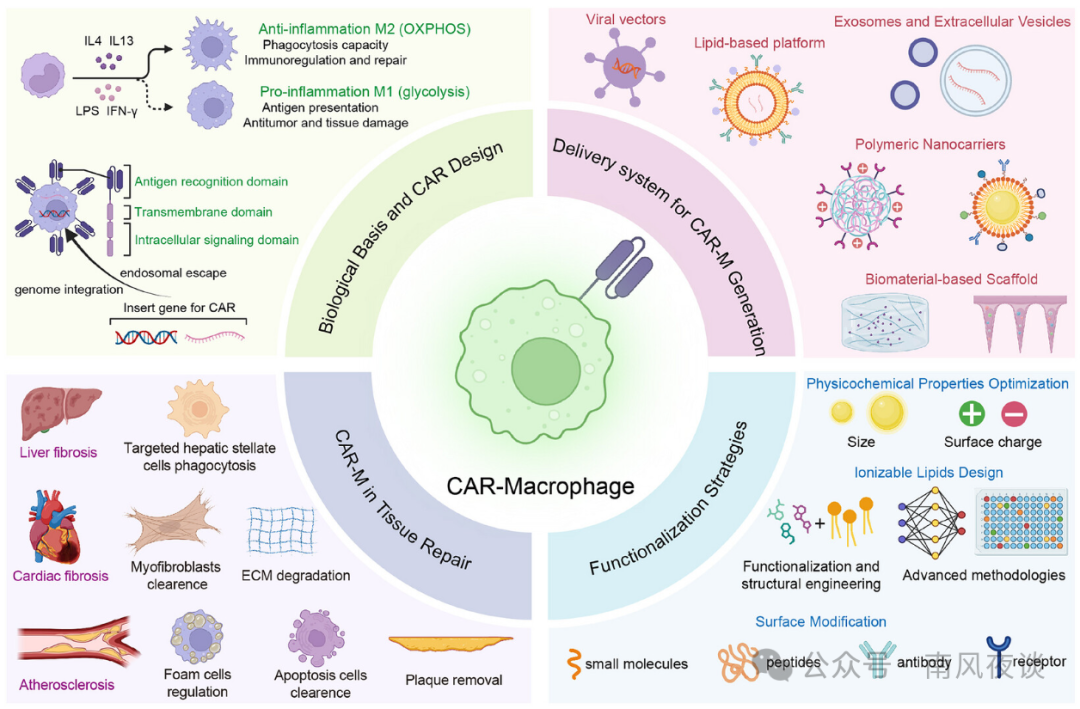
Summary:Tissue injury and organ dysfunction remain major clinical challenges, and conventional therapies often fail to achieve functional regeneration. Chimeric antigen receptor (CAR) technology endows macrophages with the ability to specifically recognize and eliminate pathological targets, making CAR-macrophages (CAR-M) a promising tool in tissue engineering and regenerative medicine. However, efficient, safe, and controllable CAR-M manufacturing still relies on advanced chemical delivery systems. This review systematically summarizes five major CAR-M engineering platforms: viral vectors, lipid nanoparticles (LNPs), exosomes/extracellular vesicles, polymeric nanocarriers, and biomaterial scaffolds. The review focuses on LNP optimization strategies, including ionizable lipid design, surface modification, and physicochemical property modulation, while also discussing the effects of delivery systems on macrophage uptake, intracellular trafficking, and polarization. The review further summarizes recent preclinical applications of CAR-M therapy in liver fibrosis, myocardial fibrosis, and atherosclerosis, and compares CAR-M, CAR-T, and CAR-NK therapies; it also discusses core challenges including phenotypic instability, off-target effects, and limited in vivo persistence. The review concludes with future directions including novel delivery strategies, multi-target CAR construction, and metabolic regulation, offering new perspectives for precision regenerative immunotherapy.
Section 4: Basic and Translational Research
Bispecific chimeric autoantibody receptor T cells eliminate acetylcholine receptor-specific B cells in myasthenia gravis models
Journal & IF:Nat Commun (18.1)
Corresponding author & institution:Niels von Wardenburg / Harald Prüss (Charité – Universitätsmedizin Berlin)
DOI:10.1038/s41467-026-76750-7
Summary:Myasthenia gravis (MG) is an autoimmune neuromuscular disease mediated by autoantibodies targeting the nicotinic acetylcholine receptor (nAChR), causing severe functional disability and life-threatening crises. Current treatments rely mainly on broad-spectrum immunosuppression, and most patients do not achieve sustained remission. In this study, the researchers generated acetylcholine receptor (AChR) chimeric autoantibody receptor (CAAR) T cells that selectively eliminate autoreactive B cells producing anti-AChR autoantibodies. T cells were co-transduced to express CAARs with the extracellular domains of the AChRα1 or β1 subunits, capable of recognizing multiple pathogenic antibodies. AChR CAAR-T cells, upon activation, selectively secreted effector cytokines and effectively lysed target cells. In a xenograft mouse model, these cells depleted pathogenic B cell lines and reduced autoantibody levels in circulation and at the neuromuscular junction. These findings demonstrate that AChR CAAR-T cells represent a precision immunotherapy with potential for achieving long-term remission in refractory MG.
Nicotinamide Metabolism Constrains Memory CD8+ T Cell Formation Through a Putative HS1BP3-SIRT1-FOXO3-BCL6 Axis
Journal & IF:Adv Sci (Weinh) (14.1)
Corresponding author & institution:Zhang Yi / Zhen Zhang / Wang Shengdian (The First Affiliated Hospital of Zhengzhou University / Institute of Biophysics, Chinese Academy of Sciences)
DOI:10.1002/advs.77284
Summary:Memory T cells possess long-term survival characteristics, a core feature underlying durable clinical efficacy of adoptive immunotherapy. The mechanisms coupling metabolic signals to transcriptional regulation of memory cell fate remain unclear. This study found that HS1-binding protein 3 (HS1BP3) is preferentially expressed in memory CD8⁺ T cells. In a Listeria monocytogenes-OVA infection model, HS1BP3 deficiency reduced memory-associated gene expression in CD8⁺ OT-1 T cells and impaired antitumor responses. HS1BP3 deficiency induced metabolic reprogramming characterized by decreased oxidative phosphorylation (OXPHOS), altered nicotinamide metabolism, and elevated NAD⁺ and the nicotinamide metabolite 1-methylnicotinamide (MNAM). HS1BP3 interacts with sirtuin 1 (SIRT1); its deficiency led to increased SIRT1 activity, enhanced forkhead box O3 (FOXO3) signaling, and downregulation of the memory-associated transcription factor B-cell lymphoma 6 (BCL6). Moreover, MNAM accumulation impaired CD8⁺ T cell antitumor function. Importantly, HS1BP3 upregulation promoted CAR-T cell differentiation toward a memory phenotype and improved tumor control. Collectively, this study identifies HS1BP3 as a regulator of CD8⁺ T cell memory differentiation, functioning through altered nicotinamide metabolism and the SIRT1-FOXO3-BCL6 signaling axis, suggesting that HS1BP3-engineered CAR-T cells may have potential in solid tumor therapy.
Membrane-Bound Multimodal Plasmonic Transducers for Noninvasive, In Situ Monitoring and Control of CAR T Cells Against Heterogeneous Solid Tumors
Journal & IF:Adv Mater (29.1)
Corresponding author & institution:Gabriel A. Kwong / Stanislav Y. Emelianov (Georgia Institute of Technology)
DOI:10.1002/adma.74686
Summary:Noninvasive monitoring and functional control of CAR-T cells against heterogeneous solid tumors remain major challenges for understanding and improving therapeutic responses. To address this, the researchers constructed membrane-bound plasmonic transducers using gold nanospheres with coupled plasmonic effects within an anisotropic framework, enabling photoacoustic multimodal imaging and localized thermal modulation of CAR-T cell activity. The transducers exhibited approximately 90% light absorption efficiency and photostability under laser fluences exceeding 20 mJ cm⁻², with stable photoacoustic signal and thermal response over multiple laser irradiation cycles. After anchoring these transducers to CAR-T cell membranes, laser excitation generated photoacoustic signals and thermal responses without disrupting core cellular functions. In a HER2-expressing heterogeneous breast cancer tumor model, longitudinal photoacoustic imaging enabled prospective tumor stratification based on early T cell infiltration, distinguishing responders from non-responders with high sensitivity and specificity. Furthermore, intratumoral CAR-T cells engineered with a thermal genetic circuit secreted T cell engagers upon transducer-mediated thermal modulation, redirecting cytotoxicity to kill antigen-negative tumor cells and overcome antigen escape, thereby improving overall therapeutic efficacy. This study presents a strategy for noninvasive monitoring and functional control of CAR-T cells targeting heterogeneous solid tumors using membrane-bound multimodal transducers.
Neutrophil-integrated syncytial CAR macrophage for cancer immunotherapy
Journal & IF:Nat Immunol (26.5)
Corresponding author & institution:Zhang Zhiping / Niu Boning (Tongji School of Pharmacy, Huazhong University of Science and Technology / Zhongshan Hospital, Fudan University, Xiamen Branch)
DOI:10.1038/s41590-026-02615-2
Summary:The efficacy of chimeric antigen receptor macrophage (CAR-M) therapy is limited by poor tumor infiltration, reduced effector function, and immune escape by tumors with low target antigen expression. In this study, the authors constructed syncytial CAR-M (S-CAR-M) by fusing CAR-M with neutrophils. Driven by chemokine-directed migration, S-CAR-M showed greater accumulation at tumor sites than conventional CAR-M. S-CAR-M inherited the biological properties of neutrophils, releasing neutrophil extracellular traps and reactive oxygen species that exposed phosphatidylserine (PtdSer) on tumor cell surfaces, enabling efficient phagocytosis of tumor cell fragments through both the single-chain variable fragment-antigen pathway and the PtdSer-MerTK pathway. In syngeneic and xenograft mouse models, a single infusion of S-CAR-M reduced tumor burden, inhibited metastasis, and prevented tumor recurrence. Furthermore, S-CAR-M therapy induced antigen spreading, reducing the risk of escape by tumors with low target antigen expression. S-CAR-M overcomes many of the limitations of conventional CAR-M in solid tumors.
ICAM1-targeted costimulation extends HER2 CAR T cytotoxicity to HER2-low and HER2-negative tumors through synergy with TCR signaling
Journal & IF:Mol Ther Oncol (8.5)
Corresponding author & institution:Moonsoo M. Jin (Houston Methodist Research Institute)
DOI:10.1016/j.omton.2026.201307
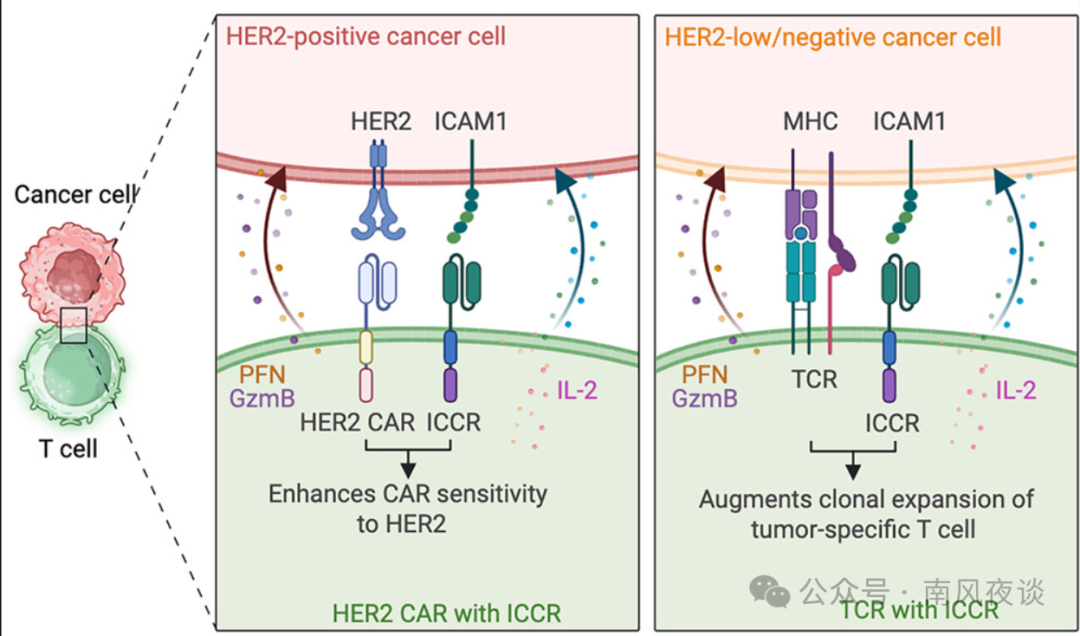
Summary:The clinical efficacy of T cells engineered to express HER2 chimeric antigen receptors has been limited. To broaden antitumor activity, the researchers co-expressed an ICAM1-targeted chimeric costimulatory receptor (CCR, designated ICCR) in HER2 CAR-T cells. ICAM1 is upregulated by inflammatory cytokines, strengthens immune synapse formation, and is elevated in aggressive or dedifferentiated tumors, including those with heterogeneous HER2 expression and HER2-low tumors. Compared with HER2 CAR-T cells alone, HER2 CAR/ICCR T cells maintained potent cytotoxicity against HER2-high targets and showed significantly enhanced killing of HER2-low cell lines. ICCR enhanced NF-κB pathway activation, particularly under HER2-low conditions. Upon repeated stimulation with HER2-negative tumor cells, HER2 CAR/ICCR T cells expanded nearly 10-fold with enhanced cytotoxicity, whereas HER2 CAR-T cells failed to expand. In vivo, both cell types rapidly cleared HER2-high tumors, but only HER2 CAR/ICCR T cells completely cleared HER2-low tumors, with kinetics consistent with clonal expansion of tumor-specific T cells. TCR sequencing confirmed more pronounced clonal expansion of HER2 CAR/ICCR T cells both in vitro and in vivo. This dual-receptor platform (HMJ01) has received an investigational new drug application clearance and will soon enter a first-in-human trial in HER2-positive and HER2-low gastric cancer.
Irradiated CD19 chimeric antigen receptor YTS cells retain antitumor activity and offer a scalable alternative to autologous CAR-T therapy
Journal & IF:Haematologica (8.2)
Corresponding author & institution:Shlomo Elias (Hebrew University School of Medicine)
DOI:10.3324/haematol.2025.300165
Summary:CAR T cell therapy has transformed the treatment of hematologic malignancies including lymphoma and multiple myeloma, but clinical application is constrained by high manufacturing costs, dependence on autologous T cells, inconsistent product quality, and life-threatening toxicities such as CRS. Natural killer (NK) cells offer advantages in safety and flexibility but face challenges in complex expansion protocols and high production costs, limiting clinical translation. This study used the human NK cell line YTS, which supports large-scale culture, gene editing, and cryopreservation. Introduction of a CD19-specific CAR into YTS cells generated potent effector cells capable of selectively eliminating CD19-positive targets. The study confirmed that CAR signaling in YTS cells requires intracellular activation and can be further enhanced by 2B4-CD48 pathway-mediated costimulation in certain tumor environments. A key finding was that irradiation of YTS-CAR cells inhibited proliferation but did not impair cytotoxic function, even after freeze-thaw cycles. In preclinical models, infusion of irradiated YTS-CAR cells significantly reduced CD19-positive tumor burden, demonstrating therapeutic potential. This study suggests that genetically engineered YTS cells represent a novel, scalable, and cost-effective off-the-shelf immunotherapy platform for refractory leukemia and lymphoma. Further studies are needed to assess safety and explore applications in autoimmune diseases and solid tumors.
Calibration of CAR signaling promotes asymmetric cell division to direct CAR-T cell fate and antitumor potency
Journal & IF:Cell Rep (7.7)
Corresponding author & institution:Sun Jie / Jiawei Zhang (Zhejiang University)
DOI:10.1016/j.celrep.2026.117848
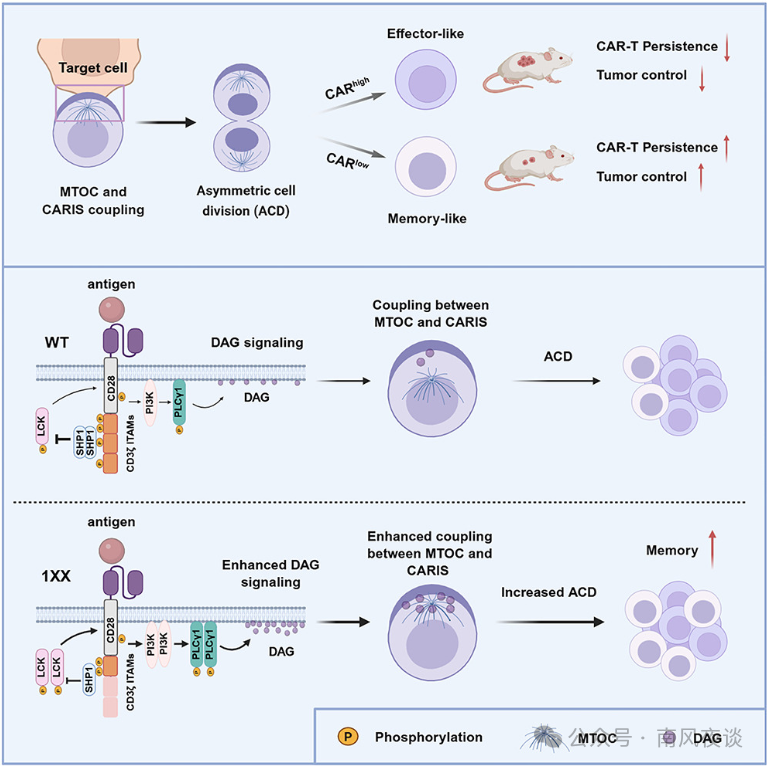
Summary:Asymmetric cell division is an evolutionarily conserved mechanism that generates fate heterogeneity in T cells, but how engineered receptor signaling regulates asymmetric cell division in CAR-T cells remains unclear. This study found that antigen binding induced asymmetric cell division in CAR-T cells through polarized distribution of the CAR immune synapse, generating daughter cells with divergent functional fates. CAR-high daughter cells exhibited short-lived effector characteristics, while CAR-low daughter cells displayed memory-like properties with enhanced persistence and superior antitumor efficacy. The study demonstrated that CAR signal strength regulates this cell fate decision: selective mutation of the CD3ζ immunoreceptor tyrosine-based activation motifs to generate 1XX CAR enhanced asymmetric cell division. Mechanistically, 1XX signaling promoted coupling of the pre-mitotic microtubule organizing center with the CAR immune synapse through the PLCγ1-diacylglycerol polarity axis, enabling asymmetric distribution of the CAR immune synapse. Adoptive transfer experiments further confirmed the association between signal-mediated cellular asymmetry, cell fate determination, and therapeutic efficacy. This study demonstrates that CAR signaling regulates cell fate diversity through synapse-coupled asymmetric cell division.
Metabolic activation using fructose-1,6-bisphosphate microparticles of non-virally LNP-generated CAR-macrophages induces anti-tumor immune responses
Journal & IF:J Mater Chem B (6.2)
Corresponding author & institution:Abhinav P. Acharya (Case Western Reserve University)
DOI:10.1039/d6tb01143h
Summary:Although CAR-T cell therapy has shown remarkable clinical efficacy in hematologic malignancies, its effectiveness in solid tumors remains limited, primarily due to insufficient T cell infiltration into the tumor microenvironment. In contrast, macrophages naturally home to the tumor microenvironment and represent a promising cellular immunotherapy vehicle. However, nutrient deprivation within the tumor microenvironment promotes macrophage polarization toward an immunosuppressive, pro-tumor phenotype, limiting their therapeutic potential. This study proposes a metabolic enhancement strategy to potentiate the antitumor activity of CAR-engineered macrophages (CAR-macs) by enhancing glycolytic capacity. The study demonstrated that pretreatment of CAR-macs with microparticles formulated with fructose-1,6-bisphosphate (F16BP) increased glycolytic flux and promoted pro-inflammatory polarization. In a murine lymphoma solid tumor model, this approach significantly enhanced antitumor immune responses and confirmed CAR-mac homing to tumor sites. This study establishes a novel paradigm for CAR-macrophage immunotherapy, demonstrating that metabolic reprogramming can overcome the immunosuppressive tumor microenvironment and substantially improve therapeutic efficacy in solid tumors.
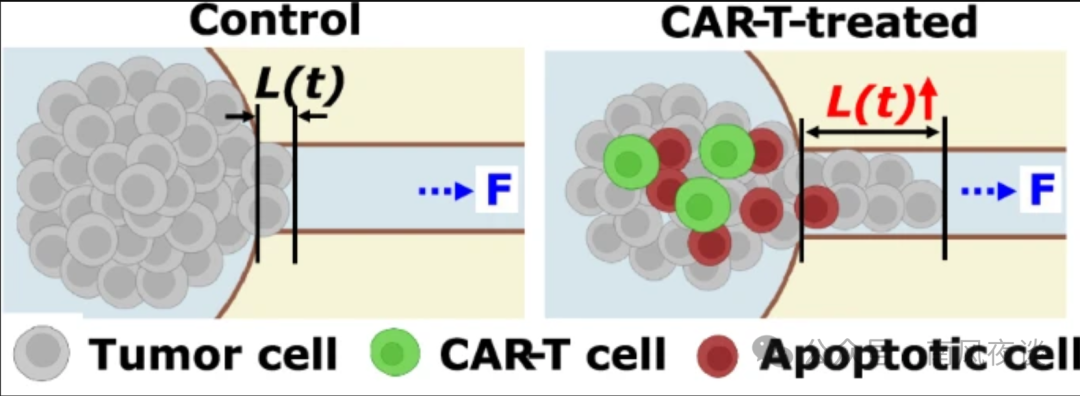
Microfluidic Cytotongue system enables early, label-free detection of CAR-T-induced mechanical softening in tumor spheroids
Journal & IF:Microsyst Nanoeng (11.1)
Corresponding author & institution:Sungsu Park (Sungkyunkwan University)
DOI:10.1038/s41378-026-01387-x
Summary:Quantitative assessment of CAR-T cell activity in solid tumors remains challenging: immune action can induce early mechanical softening of tumor spheroids before detectable cell death occurs. To address this technical limitation, the authors developed Cytotongue, a 3D-printed microfluidic aspiration system for real-time aspiration-response phenotypic analysis of live tumor spheroids with concurrent drug treatment. Using HER2-positive BT-474 breast cancer tumor spheroids co-cultured with CAR-T cells, the Cytotongue system quantified aspiration-induced elongation dynamics and a proprietary deformation index based on an empirical biphasic deformation model. At effector-to-target ratios as low as 1:1–2:1, the system detected CAR-T-mediated tumor spheroid mecha’nical softening within 24 hours, whereas conventional propidium iodide (PI) staining showed little to no response under the same conditions. Assay performance was robust, with Z factors of 0.74–0.93, high effect sizes, and low coefficients of variation. Even when PI staining results were similar, Cytotongue could distinguish CAR-T-associated mechanical softening with apoptosis from doxorubicin-induced tumor spheroid deformation. This study establishes a microfluidic aspiration platform with concurrent drug administration for real-time mechanical phenotyping of tumor spheroids, opening a new physical dimension for evaluating immunotherapy and drug efficacy.