


Qingqing, a 13-year-old diagnosed with Systemic Lupus Erythematosus (SLE) over a year ago, has been living with what is often referred to as an "incurable cancer" due to the lack of a definitive cure. Sufferers are condemned to a lifetime of medication to avoid severe complications.
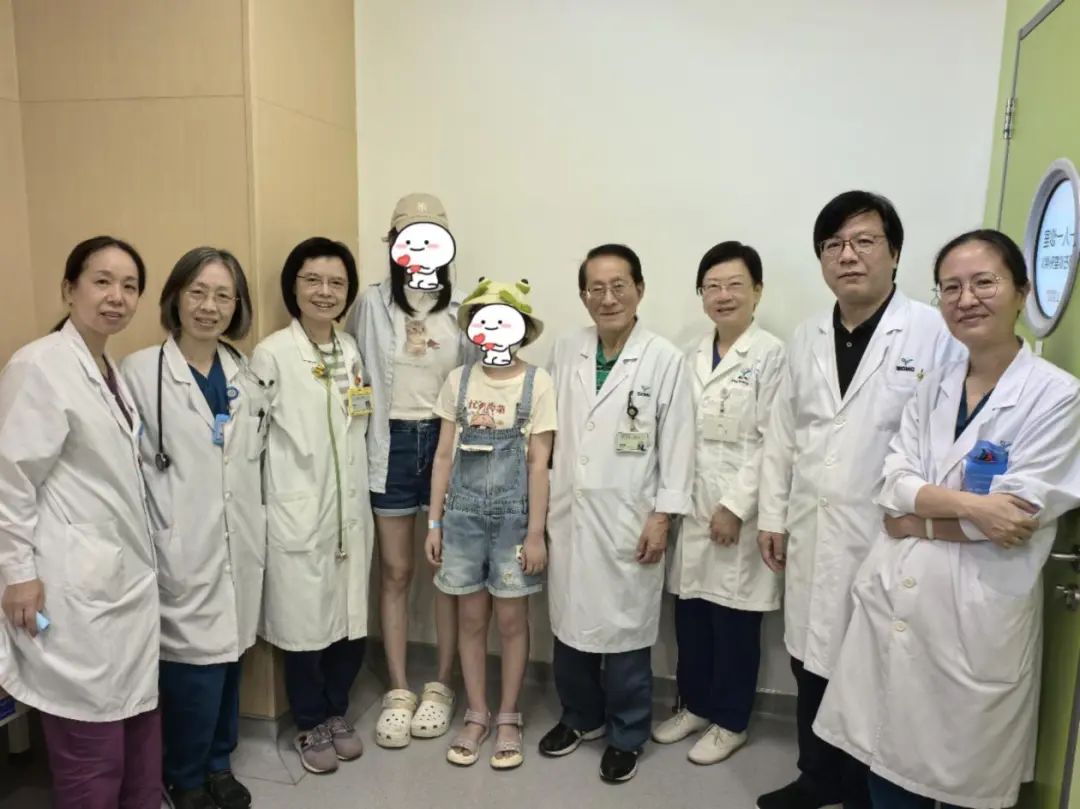
On June 3rd of this year, Qingqing's fate took a turn when doctors at the Shanghai Children's Medical Center administered a CAR-T injection. Two months later, she was "cured." This marks another milestone in the century-long global academic exploration to conquer SLE.
The CAR-T cells used by Qingqing were independently developed by a team led by Dr. Li Benshang, the chief physician of the Hematology and Oncology Department at the Shanghai Children's Medical Center. Three years ago, Dr. Li joined forces with Dr. Yin Lei from the same hospital's Nephrology Department. Together, they reviewed literature, formulated a plan, submitted ethical approval documents, and initiated this clinical study.
During the same period, a global surge in research on CAR-T therapy for autoimmune diseases like SLE has emerged. This disease, which has plagued humanity for centuries and has only been managed with lifelong medication, finally holds the promise of a complete cure.
"Incurable Cancer"
Systemic Lupus Erythematosus (SLE) is an autoimmune disease affecting millions worldwide. It can cause severe damage to the brain, lungs, kidneys, and blood systems, and even during non-acute phases, patients suffer from fatigue, rashes, fever, pain, and other symptoms.
Dr. Yin Lei told "MedJ" that the overall incidence rate of SLE in the population is about 3 to 7 per 10,000, with 10% to 20% of cases starting in childhood. Compared to adult-onset SLE patients, childhood SLE is more dangerous.
"More than 80% of childhood-onset SLE patients are in a severe state of disease activity, with multi-system and multi-organ involvement at the onset, with the skin and mucous membranes (80.00%), blood system (70.77%), and kidneys (66.15%) being the top three organs affected," said Dr. Yin Lei. "Over the long term, children with SLE will experience multi-organ damage, and those with a disease course exceeding five years have a 20% chance of developing severe kidney damage."
Regrettably, no medication has been able to cure SLE to date. Clinically, treatment relies mainly on hormones, immunosuppressants, or biologics to control symptoms and induce remission. Approximately 10% of patients can achieve remission with conventional treatment, gradually reducing or discontinuing hormone use, but they still need to take immunosuppressants and biologics regularly and long-term to maintain disease stability.
However, for the remaining 90% of patients, the impact of SLE is more than just the need for long-term medication. Childhood-onset SLE has a high recurrence rate, often severe, and mostly kidney-related. Dr. Yin Lei told "MedJ" that more than 80% of patients will see their disease reactivate after attempting to reduce or stop medication, forcing doctors to increase hormone dosages and combine them with immunosuppressants to induce remission again.
In this situation, patients' conditions will always be in a cycle of relapse/remittance or continuous activity, and long-term disease activity, along with medication-related adverse reactions, will inevitably lead to cumulative organ damage and multiple comorbidities, affecting patient survival and poor long-term prognosis. "There is also a very small group of patients who are not very sensitive to medication, making disease control difficult, and some gradually progress to organ failure," said Dr. Yin Lei.
Thirteen-year-old Qingqing is a typical case of a child with SLE who does not respond well to medication. In April 2023, she experienced involvement of the blood system and kidneys. "Initially, she was not much different from other children with SLE, but after more than a year of treatment, her proteinuria control was not ideal. Typically, the daily hormone dosage for children with SLE should be kept within 5mg, but even with 20mg of hormones, Qingqing continued to have more than 1g of urinary protein leakage per day."
Ms. S, who underwent CAR-T therapy at the same time as Qingqing, has been suffering from the disease for nine years. Over these years, she has frequently been hospitalized, reduced her medication, experienced disease relapses, and repeatedly suffered from facial rashes, pleurisy, arthritis, nephritis... Yet, when the dosage was increased, the adverse reactions to the medication became too much for her body to bear. "As a young woman, she told us she no longer wants to use hormones," said Dr. Yin Lei.
Long-term use of hormones can lead to a series of complications such as osteoporosis, cataracts, glaucoma, diabetes, and central obesity. For child patients, the impact of hormones on growth and development is even more pronounced. Even for patients who can discontinue hormone use, long-term use of immunosuppressants can also affect immune function, making patients more susceptible to infections or other adverse events.
"This is akin to entering a 'vicious cycle,' where the disease causes damage, but long-term medication also poses risks. As doctors, we can only choose the least harmful option after a comprehensive assessment," said Dr. Yin Lei.
The Weapon to Defeat Lupus
The CAR-T therapy, which holds the promise to break this "vicious cycle," is officially known as "Chimeric Antigen Receptor T-cell Immunotherapy." In August 2021, researchers from the University of Erlangen-Nuremberg in Germany were the first to publish a paper in the New England Journal of Medicine, reporting the successful treatment of a 20-year-old female patient with severe SLE using CAR-T therapy.
As a revolutionary and disruptive cancer treatment technology, CAR-T therapy has achieved tremendous success in the treatment of hematological malignancies. Since 2014, Director Li Benshang has led a team to independently develop CAR-T cell preparation technology and, based on this, has formed a comprehensive clinical diagnosis and treatment technology system. To date, they have completed treatment for more than 1,100 cases of relapsed and refractory childhood leukemia, lymphoma, and solid tumors, with a remission rate as high as 99% and a 3-year overall survival rate of over 85%.
CAR-T treatment for tumors involves extracting the patient's lymphocytes and modifying them ex vivo to target and kill tumor cells within the patient's body. After the CAR-T cells are reinfused into the body, the chimeric antibodies expressed on the surface of the CAR-T cells recognize tumor cells with the target antigen, and by releasing granzymes, perforins, and various cytokines, they aim to eliminate all tumor cells in the body. Similarly, in the treatment of SLE, T cells must first be extracted from the patient's blood and modified to recognize and destroy plasma cells that secrete autoantibodies, thereby achieving the goal of curing SLE.
"The essence of SLE pathogenesis is the abnormality of plasma cells in the human body, which produce autoantibodies that react to self-antigens. After CAR-T cells are reinfused into the patient's body, they can completely clear the abnormal plasma cells from the body and reset the patient's immune system," Director Li Benshang told "MedJ."
In theory, it makes sense, but the academic community has been cautious about trying to use CAR-T for the treatment of SLE for many years. "Although SLE can cause a severe disease burden, it is not an acutely lethal disease compared to leukemia and other malignant tumors, nor is it without treatment options," said Director Li Benshang. "When we applied for clinical trials, the hospital's ethics committee also required detailed materials to prove the necessity, feasibility, and safety of using CAR-T therapy."
In fact, as early as three years ago, Director Li Benshang successfully treated three patients with acute leukemia who relapsed after transplantation and also had concurrent autoimmune hemolytic anemia (AIHA). He found that during the CAR-T treatment of the primary disease, the patients' concurrent AIHA was also cured. However, what impressed Director Li Benshang the most was a 16-year-old girl with SLE who had a severe infection and organ damage two years ago, "She passed away. I often think that if we had the conditions to try CAR-T therapy at that time, maybe we could have cured her."
For Director Yin Lei, who has been engaged in the diagnosis and treatment of pediatric kidney diseases for nearly 30 years, such tragedies are all too familiar. Fortunately, after submitting a clinical trial application in November 2022, approval was obtained from the hospital's ethics committee in April 2023.
In June and July 2024, Qingqing and Ms. S received CAR-T therapy at the Hematology and Oncology Department of the Shanghai Children's Medical Center. The results were even better than the two doctors expected. Since the start of CAR-T therapy, both patients stopped all medication for the primary disease. One month after completing the treatment, both patients showed significant improvement in clinical symptoms and laboratory test results.
"The follow-up results two months after treatment show that proteinuria turned negative, and the SLE disease activity index score is 0, which means a complete remission state has been achieved. Currently, they have both returned to normal life," Director Yin Lei told "MedJ."
"After CAR-T treatment, the healthy B cells in the patient's body will also be eliminated, and it is necessary to use immunoglobulins for a period of time to maintain the body's immunity until the immune system is rebuilt," said Director Li Benshang. "Their recovery process of immune system reconstruction is also very smooth, and it is estimated that they will no longer need to infuse immunoglobulins about half a year after CAR-T therapy."
The Best Opportunity
Relevant data indicates that since the first successful attempt by German scholars in 2021, at least a dozen related clinical trials have been conducted globally over the past three years. In February 2024, the German research team published the latest follow-up results in the New England Journal of Medicine. In a 29-month observation, eight SLE patients who received CAR-T therapy achieved immune reconstitution, with no serious adverse drug events occurring, and the SLE disease activity index score remained at 0 points, showing no signs of disease recurrence.
In the field of SLE treatment, CAR-T pipelines that are currently entering or about to enter clinical trial stages globally are...
Domestically, hospitals such as the People's Hospital of Zhongshan City and Wuhan Union Hospital have previously made successful attempts at CAR-T treatment for SLE. At the beginning of this year, the Children's Hospital affiliated with Zhejiang University School of Medicine announced the launch of the first domestic clinical trial for "CAR-T treatment of pediatric systemic lupus erythematosus." Among them, a 12-year-old child did not experience a recurrence several months after the treatment ended and discontinuation of medication.
Despite the encouraging results, there is currently no unified consensus or standard in the academic community on defining "complete cure of SLE." Director Yin Lei told "MedJ," "In theory, the 'pathogenic pathways' in these patients have been completely eliminated, achieving 'clinical remission.' But are there other mechanisms that could cause disease recurrence, and what about long-term safety? We need more cases and longer-term studies to verify this."
At the same time, CAR-T treatment for SLE also faces a series of technical challenges. Director Li Benshang told "MedJ," "Since CAR-T is a highly personalized cell therapy, the source and quantity of the input cells, the choice of targets, how to perform lymphocyte depletion and other pre-treatments before treatment, and to what extent should they be processed? This all requires the team to have an in-depth understanding of the clinical characteristics of the disease, molecular biology, cellular immunology, as well as gene modification and editing, cell preparation processes, etc."
Director Li Benshang also pointed out that the preparation of CAR-T requires the extraction of the patient's own lymphocytes. However, since the patients included in the current clinical trials have previously undergone treatments such as immunosuppression, the function of T cells is poor, which also increases the difficulty of CAR-T preparation. "In the future, as the technology becomes more mature, if we can be approved to intervene with CAR-T treatment earlier, we predict that we can achieve better therapeutic effects."
But in any case, this may be the best opportunity for humanity to conquer autoimmune diseases, including SLE.
Currently, 20% of the global population is affected to varying degrees by more than 100 different types of autoimmune diseases. At the beginning of 2023, a major multinational pharmaceutical company claimed, "Now our top priority is to explore CAR-T treatment for autoimmune diseases, which has even surpassed the research in cancer." Director Li Benshang also told "MedJ" that after the initial success, they will continue to submit trial applications, cooperate with more clinical departments, and recruit more patients with different types of autoimmune diseases.
"When I was in school, my teacher warned us that for autoimmune diseases like SLE, juvenile idiopathic arthritis, dermatomyositis, systemic sclerosis, ankylosing spondylitis, type 1 diabetes, etc., we must be cautious in making a diagnosis after entering the clinic. Because they are incurable, once a diagnosis is made, it means that the patient will be labeled with an incurable disease." Director Yin Lei said, "But perhaps soon, the situation will no longer be the case."

