


In the early morning of July 4, Beijing time, the 2026 World Cup Round of 16 match saw Cape Verde—an Atlantic island nation with a population of just 540,000—make history: they pushed defending champions Argentina into extra time, equalized twice, and ultimately fell 2–3, exiting in the Round of 32.
In the street celebrations, Cape Verdean fans shouted into cameras, in imperfect Chinese, “Nihao, xiexie” (Hello, thank you). The scene moved many Chinese viewers.
Behind that “thank you” lies a half-century of friendship. China and Cape Verde established diplomatic ties in 1976. Since then, Chinese-aided dams, stadiums, parliament buildings, and new university campuses have risen across the island. Even Cape Verde’s crucial World Cup qualifiers were played at the China-aided Praia National Stadium.
Also on this island is a group of white-coated doctors from Sichuan. In 1984, China sent its first medical team to Cape Verde. For 42 years, one team after another has crossed the oceans—now the 22nd. To Cape Verdeans, Chinese doctors are their most familiar “white-coat friends”.
“The World Cup has brought Cape Verde into the spotlight. We hope more people will learn about the 42-year commitment of Sichuan’s medical aid to Cape Verde,” Dr. Chen Feng, leader of the 22nd Chinese (Sichuan) medical team to Cape Verde and deputy chief physician of EICU at Sichuan Provincial People’s Hospital, told MedJ.
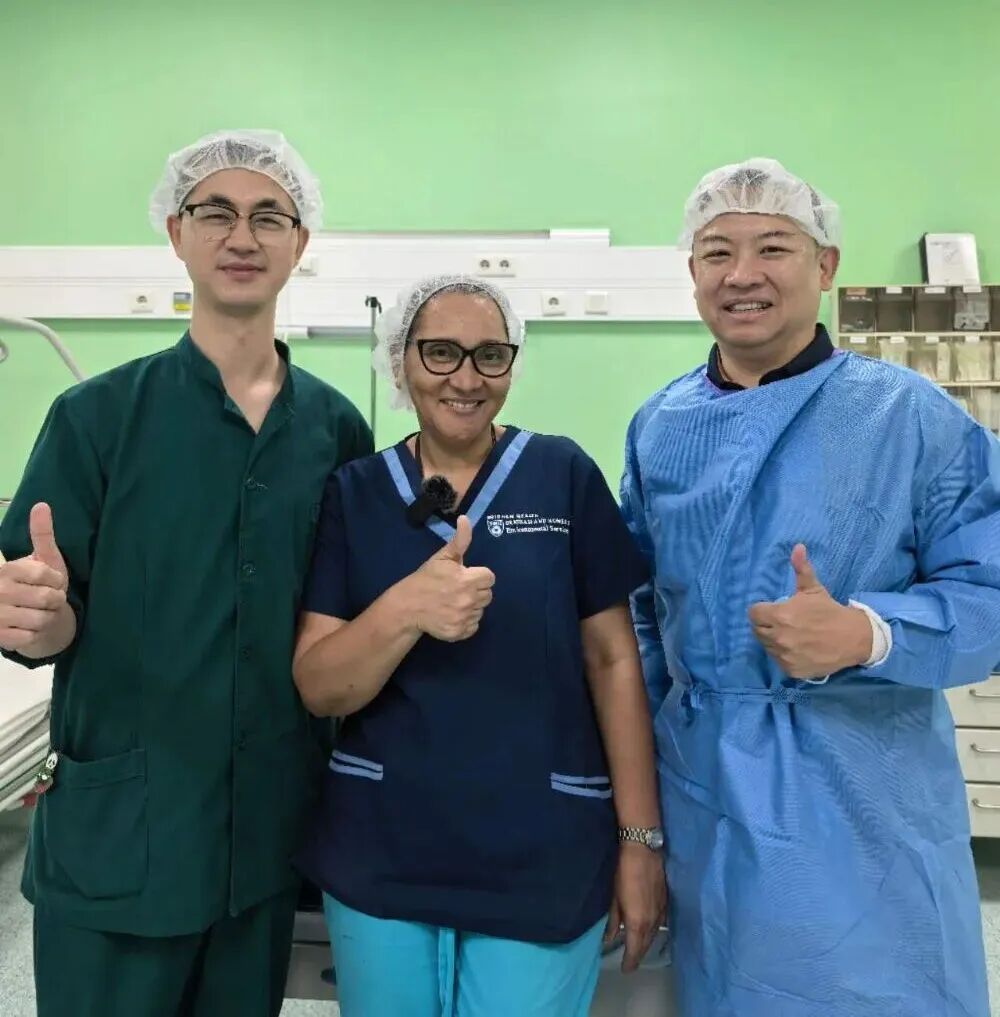
Dr. Chen Feng on Cape Verde’s Healthcare Level
To many, Cape Verde might be just a tiny dot on the map. But in Africa, it is actually considered a "top performer."
This Atlantic island nation, composed of 10 islands, gained independence in 1975 and has enjoyed long-standing political stability. In 2007, it graduated from the "Least Developed Country" status and joined the ranks of middle-income nations.
Local primary public health is relatively sound. The government provides free healthcare to civil servants and low-income residents, and life expectancy exceeds 70 years—among the highest in Africa.
“Before departure, I assumed the island environment would be livable and conditions wouldn’t be too bad. But when I actually arrived, the gap far exceeded my expectations,” Dr. Chen told MedJ.
The first gap came from “smallness”. Cape Verde has only 540,000 people scattered across 10 islands, thinning medical resources to the extreme—only 6 hospitals nationwide, of which only two are central hospitals (Praia and Mindelo), with the rest being regional small hospitals, and below them dozens of health centers and posts.
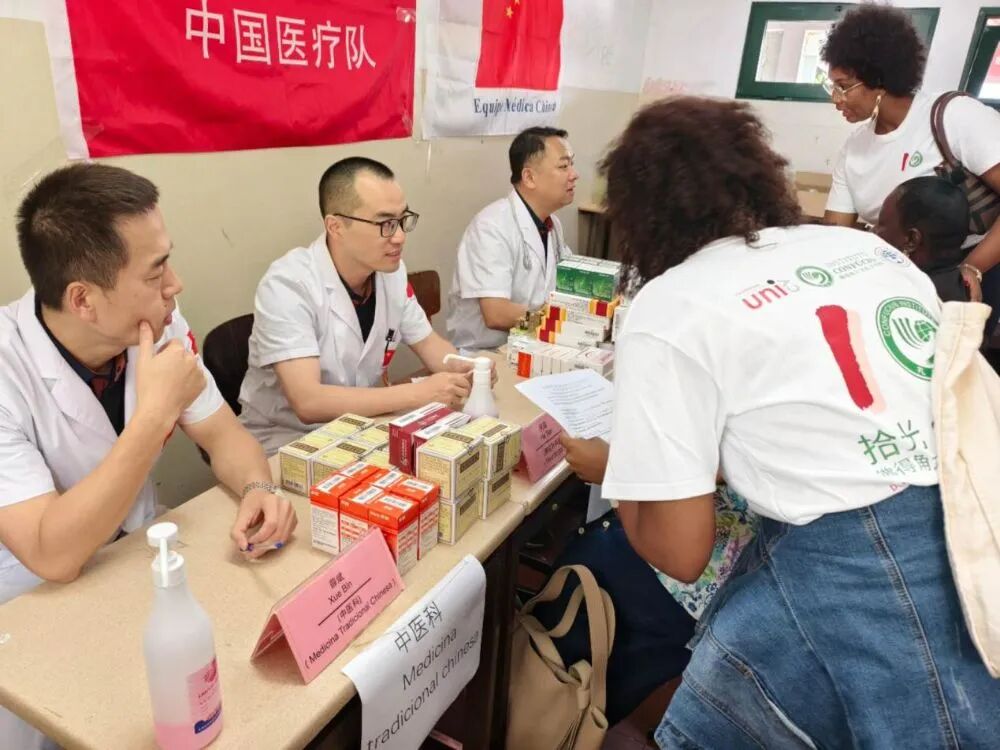
As a result, Cape Verde has long suffered from a shortage of specialists and advanced technologies. Many local doctors are trained in Portugal, Brazil, and other countries, with relatively weak awareness of keeping pace with international frontiers.
The second gap came from “shortage”. More than 80% of daily necessities and nearly all mechanical equipment in Cape Verde are imported—medical supplies included. “Supply cycles are long. Ventilators and monitoring consumables are frequently in short supply,” said Dr. Chen. Under such conditions, critical care delivery is far more difficult than in China.
What troubled him most was the lack of critical care capacity. Local facilities could handle routine respiratory and circulatory support, but when faced with true emergencies, they were often overwhelmed.
During ward rounds, he most frequently encountered severe malaria, postpartum hemorrhage, severe trauma, septic shock, and complications from hypertension and diabetes—a disease spectrum unique to tropical islands, compounded by elderly patients with heavy underlying conditions, testing the fragile system at every turn.
"There was a patient with infective endocarditis who needed surgery. But due to a lack of conditions, equipment, and drugs, we could only watch—unable to provide standard treatment." That scene was the most unforgettable and painful for Dr. Chen.
In the past, such critical patients either lost their chance for treatment locally or were forced to undertake risky transfers to Portugal, thousands of kilometers away. And that is precisely why successive leaders of the Chinese medical team resolved to “build a critical care system from scratch”.
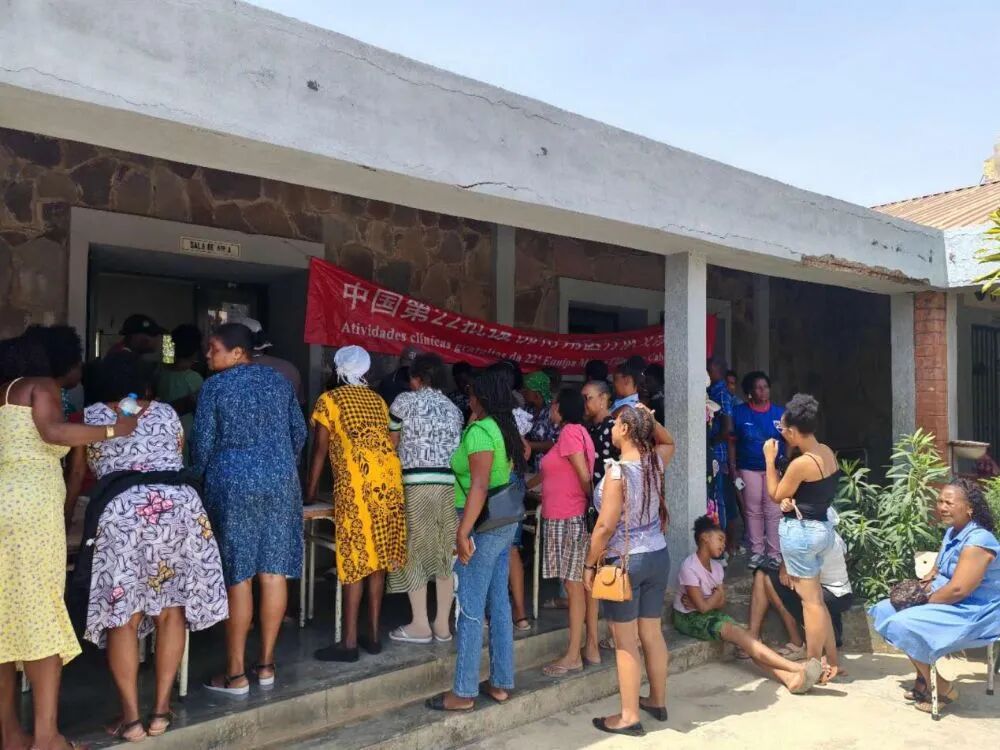
“We Built Cape Verde’s First ICU”
Dr. Chen is stationed at the Intensive Care Unit of Praia Central Hospital in Cape Verde—built with Chinese aid, opened in 2022, with only 6 beds—yet it is Cape Verde’s first and only standardized ICU.
Before that, Cape Verde had no standardized critical care system: ventilators were incomplete, protocols were absent, and local medical staff had received no systematic ICU training.
To fill this gap, three consecutive medical team leaders have been critical care specialists from Sichuan Provincial People’s Hospital—from Dr. Lan Yunping (20th team), to Dr. Li Suping (21st team), to Dr. Chen Feng (22nd team).
Dr. Chen told MedJ that the rescue he remembers most vividly was a patient with severe brain herniation complicated by major trauma.
Upon arrival, the patient had dilated pupils, respiratory failure, and loss of consciousness. The team quickly assembled a multidisciplinary group involving neurosurgery, anesthesiology, and critical care to perform emergency surgery. Then, in an ICU with incomplete equipment and limited lab tests, they stabilized the patient through invasive ventilation and circulatory support—step by step.
In the end, a patient who had been all but given a "death sentence" regained consciousness and was discharged recovered. The local medical staff who observed the entire rescue also learned a framework for managing traumatic critical cases.
More than saving one life, the team wanted to leave behind a “medical team that cannot be taken away”.
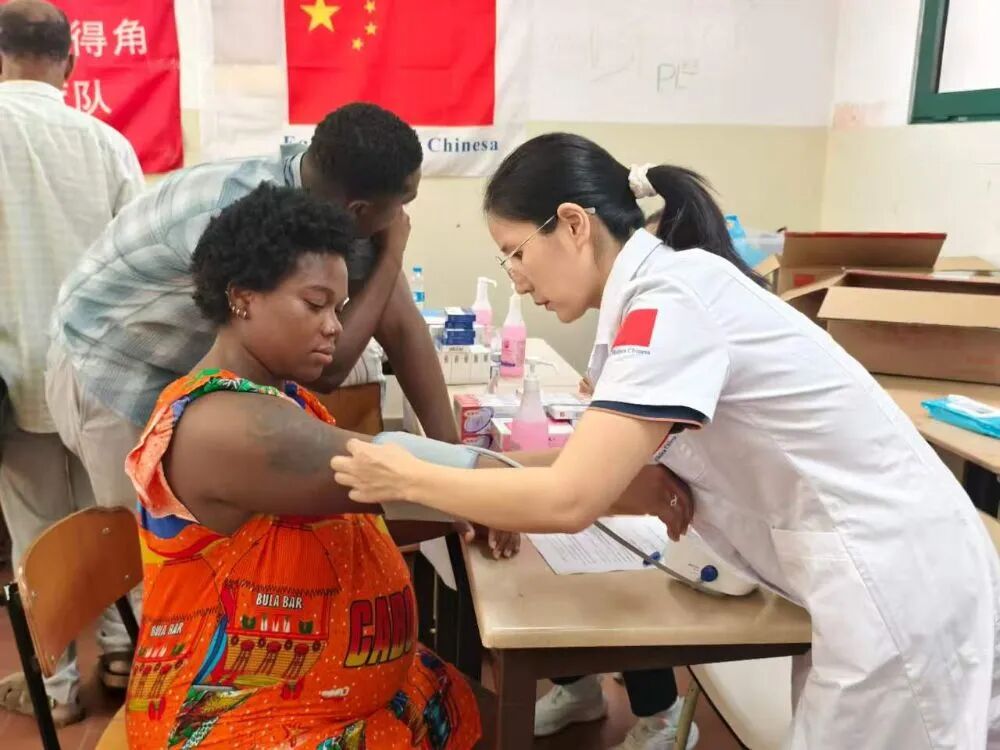
They structured their teaching into theoretical sessions and bedside one-on-one instruction, with tiered training for local doctors, nurses, and interns. Every intubation, every ventilator adjustment, and every critical rescue was performed with “hands-on but eyes-on” supervision.
Gradually, mild case monitoring, routine emergency care, and basic ventilator management came to be handled independently by Cape Verdean staff.
Dr. Mabel Leal, a local physician, is the best example. She studied Chinese language and clinical medicine in China, returned home in 2025 after completing her studies, and now works at Praia Central Hospital—seeing patients alongside Chinese doctors and often assisting with communication.
42 Years, a Substantial Record
In that new ICU, the Chinese medical team achieved one “Cape Verde first” after another:
the first invasive hemodynamic monitoring, the first prone position ventilation for ARDS, the first bedside blood purification, the first ultrasound-guided central venous catheterization…
In May this year, Dr. He Sen, deputy chief neurosurgeon at Ziyang Central Hospital, led a multidisciplinary effort with local staff to complete Cape Verde’s first neuroendoscopic evacuation of chronic subdural hematoma.
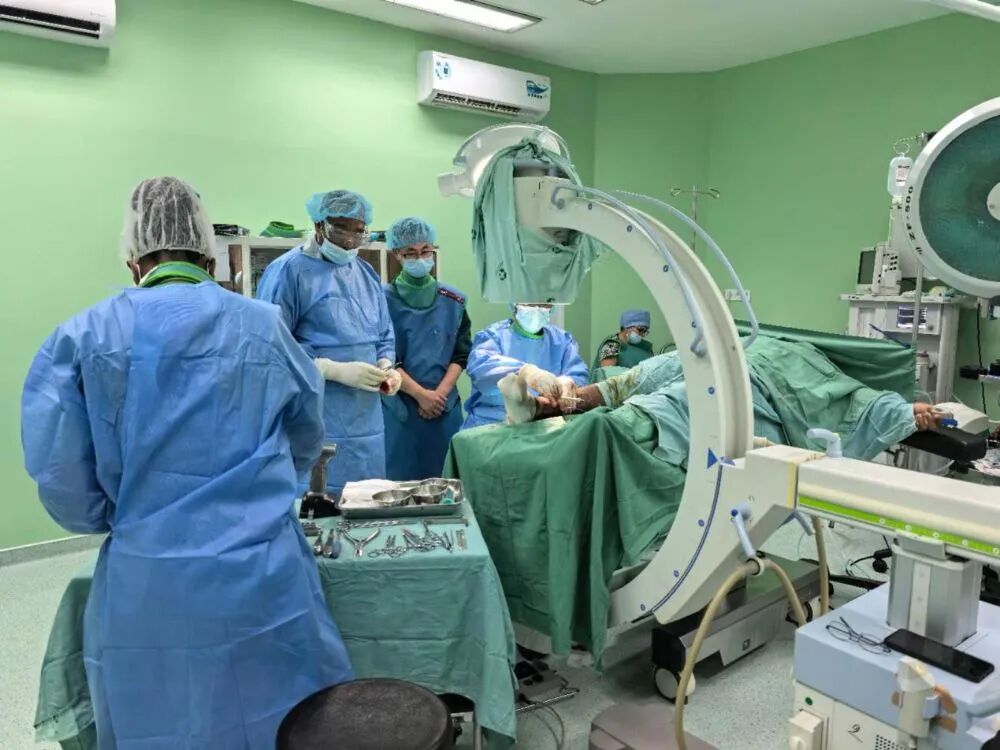
Even more challenging was transforming “a single rescue” into “a set of standards”. The team adapted treatment protocols to local conditions, simplified techniques to match available resources, and lowered the threshold for critical care—making them “replicable and implementable” for local providers.
They also assisted the local hospital in establishing six management systems, including ICU shift handover, hospital infection prevention and control, and critical care rescue, thereby helping it build its first national-level critical care medicine department that is standardized, normalized, and sustainably operational—marking a transition from “having an ICU” to “effectively utilizing and properly managing the ICU”.
Obstetrics and gynecology also stands out as a major achievement.
The OB-GYN building at Praia Central Hospital was built with Chinese aid. High-risk pregnant women from outlying islands are often referred here. Chinese doctors routinely deliver multiple babies in a single night shift, performing over 3,000 surgeries annually.
Countless Cape Verdean newborns have cried their first breath in the hands of Chinese doctors. In 2025, another Chinese-aided obstetrics building on São Vicente Island was completed and handed over, extending this care to even more distant islands.
“Role Model of the Era”
The year 2026 marks the 50th anniversary of Sichuan’s overseas medical aid.
Over these 50 years, Sichuan has sent a cumulative total of 90 teams and 1,052 medical personnel to 9 countries including Mozambique, Cape Verde, and Guinea-Bissau, treating over 7 million patients.
Sichuan is the only province in China responsible for dispatching medical teams to Portuguese-speaking countries, and has sent teams to the largest number of countries nationwide.
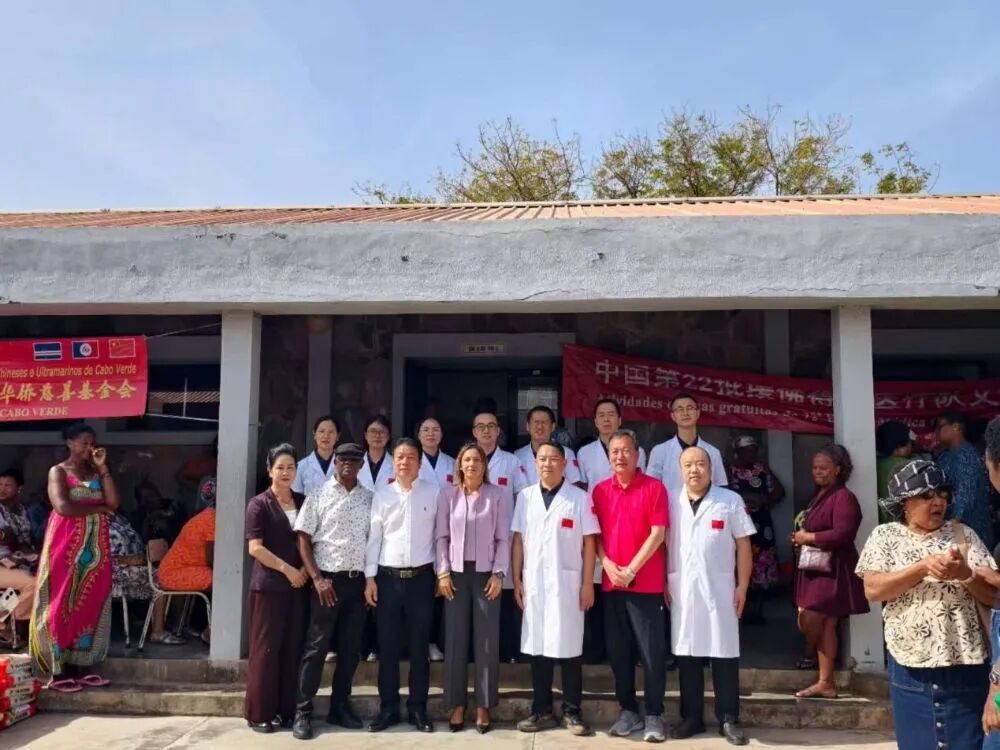
Nationwide, since China sent its first overseas medical team to Algeria in 1963, China has dispatched over 30,000 medical personnel to more than 70 countries and regions, treating nearly 300 million patients, and filling numerous medical technology gaps in recipient countries.
In 2023, on the 60th anniversary of China’s overseas medical team program, the Publicity Department of the Central Committee awarded this group the honorary title “Role Model of the Era”.
“Medicine knows no borders, and great love carries responsibility. On this Atlantic island, every critical rescue, every teaching session, and every implemented protocol stands as a testament to China-Cape Verde friendship,” said Dr. Chen.
Moreover, he looks forward to the day when critical care medicine here can truly become self-sufficient, enabling critically ill patients on the island to avoid the dilemma of having nowhere to seek medical treatment.

