


Chronic obstructive pulmonary disease (COPD) and bronchial asthma are highly prevalent chronic airway diseases that pose a persistent threat to public health and impose a substantial burden on healthcare systems. Current clinical practice continues to face challenges, including delayed diagnosis, suboptimal implementation of management strategies, and inadequate comorbidity management. A shift from reactive treatment toward proactive disease prevention in airway disease management has become imperative.
On July 25-26, 2026, the Breaking Boundaries Summit 2026 Asia was held in Beijing. The summit featured a presidency comprising leading respiratory and cardiovascular experts from China and abroad, alongside top scholars from around the world, to foster cross-border collaboration and intellectual exchange. The summit aimed to drive a transition in COPD and asthma management from reactive treatment toward proactive, guideline-driven care.
Convening Experts to Chart the Course for Change
The one-and-a-half-day summit invited Prof. David Price of Optimum Patient Care, Prof. Rongchang Chen of the Shenzhen Institute of Respiratory Diseases, and Prof. Yongchang Sun of Peking University Third Hospital to serve as co-chairs. The summit also brought together internationally recognized experts, including Prof. Claus Vogelmeier, Chair of the GOLD Scientific Committee; Prof. Helen Reddel, Chair of the GINA Scientific Committee; Prof. Chris Gale, a cardiology specialist from the University of Leeds; and Prof. Ashraf Al Zaabi of the Zayed Military Hospital, Sharjah. Chinese respiratory and cardiovascular authorities in attendance included Prof. Yuanlin Song of Zhongshan Hospital, Fudan University; Prof. Ting Yang of China-Japan Friendship Hospital; Prof. Min Zhang of Shanghai General Hospital; Prof. Kemu Huang of Beijing Chaoyang Hospital, Capital Medical University; and Prof. Min Zhou of Ruijin Hospital, Shanghai Jiao Tong University School of Medicine. Over 100 clinicians from China and across Asia attended the summit.
The summit centered on the theme “Better Care, Better Outcomes: Leading the Transformation of COPD and Asthma Management in Asia,” with three overarching objectives: improving early recognition capabilities; transitioning disease management from reactive response to proactive prevention and promoting the standardized implementation of guideline-directed medical therapy (GDMT); and strengthening full-course management through education, collaboration, and digital and artificial intelligence (AI) tools. Participants were called upon to break through regional and disciplinary boundaries and translate emerging consensus into sustained action in daily clinical practice.
Addressing Shared Challenges and Specialty Topics
The first day’s program comprised a main hall and two parallel breakout sessions on COPD and asthma, addressing shared challenges as well as disease-specific topics.
Main Hall: Shared Diagnostic and Management Challenges
The main hall focused on common challenges in the diagnosis and treatment of COPD and asthma, including early diagnosis and the implementation of guideline-recommended care.
The meeting opened with welcoming remarks from Nancy Cui, Vice President and Head of Biopharmaceutical Medical Affairs at AstraZeneca China, and Firanah Korim Le Brun from the Global Medical Affairs team. Both speakers noted that AstraZeneca is committed to slowing disease progression and improving survival outcomes, and that the Breaking Boundaries summit, launched in 2022, has contributed to ongoing transformations in global COPD management. The initiative is now extending its scope to asthma management, with the hope that the summit may generate new momentum for both COPD and asthma care, enabling more patients to benefit from guideline-driven proactive management.
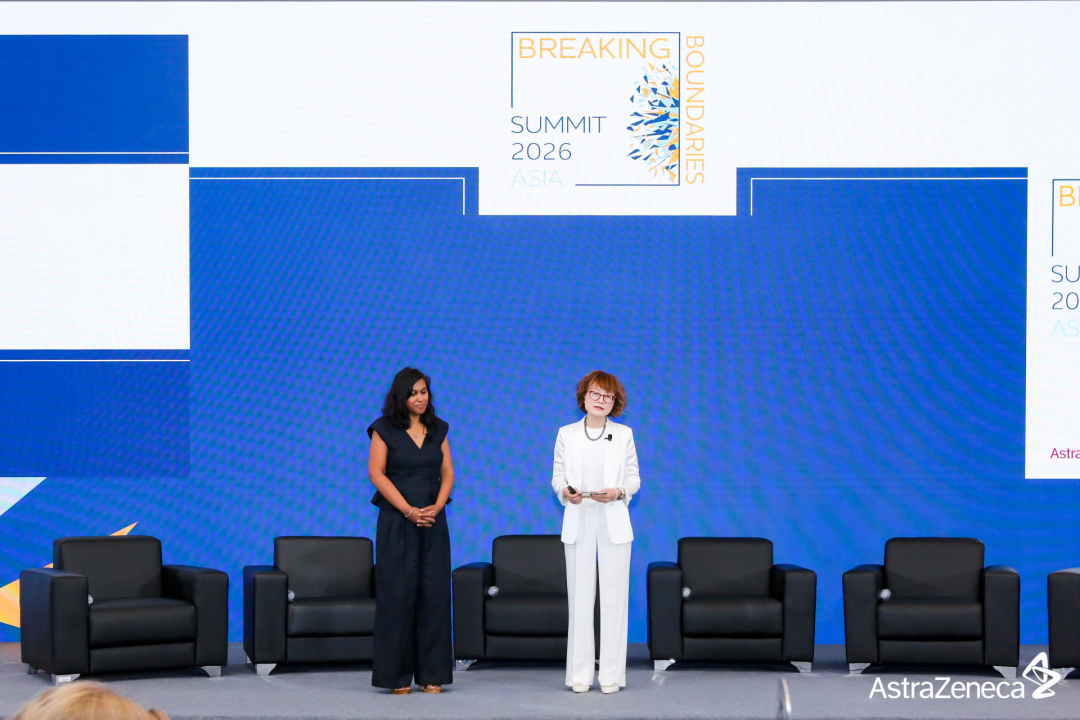 Fig. 1. Opening Remarks by Nancy Cui and Firanah Korim Le Brun
The co-chairs then delivered opening addresses. Prof. Rongchang Chen emphasized that respiratory diseases remain a major global public health and economic burden, and that advancing respiratory health in Asia and the Middle East is an urgent priority. In China, a substantial number of patients with COPD and asthma remain undiagnosed or do not receive guideline-recommended standard treatment. In response, China has implemented the Healthy China 2030 strategy and continues to strengthen its respiratory disease prevention system through initiatives such as the standardized construction of Pulmonary and Critical Care Medicine (PCCM) departments and the National Basic Public Health Service (NBPHS) program. Prof. Chen stressed that the key challenge lies in translating macro-level policies into actionable quality standards that are genuinely implemented in routine clinical practice.
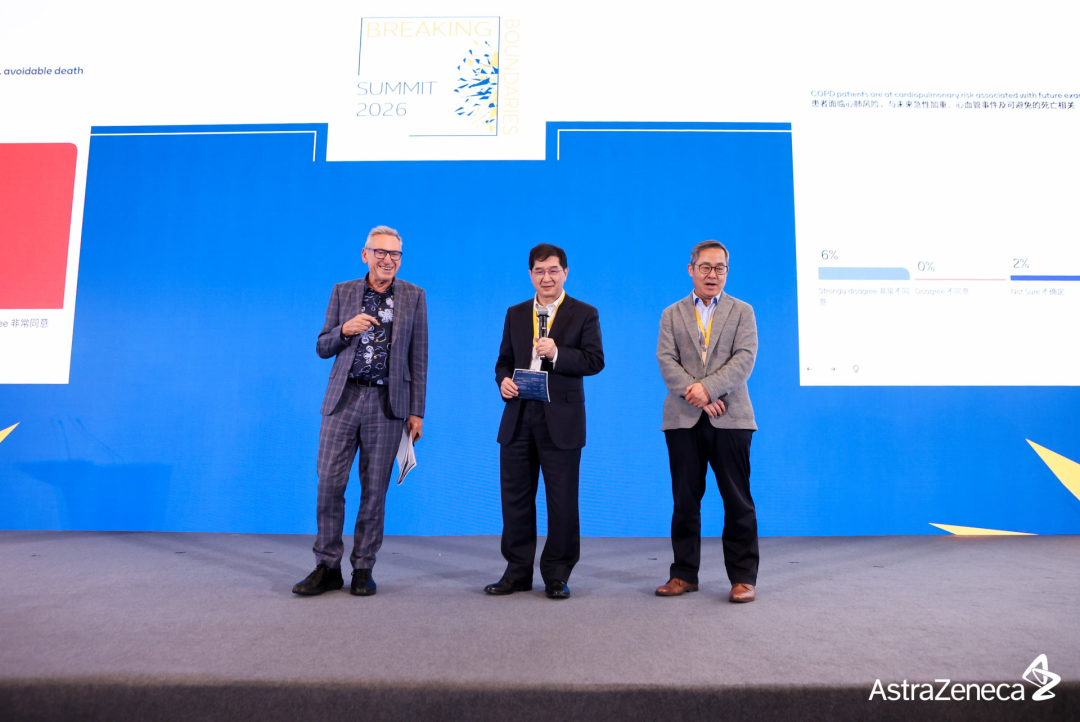 Fig. 2. Opening Remarks by the Summit Co-Chairs (Left to Right: Prof. David Price, Prof. Rongchang Chen, Prof. Yongchang Sun)
In the subsequent plenary session, Prof. Yuanlin Song and Prof. Ashraf Al Zaabi delivered presentations on “Closing the Diagnostic Gap.” Prof. Song highlighted two major diagnostic challenges in asthma and COPD: insufficient availability and quality of spirometry, and the difficulty of differentiating between the two diseases due to overlapping symptoms, which requires integrated management of comorbid populations. Prof. Al Zaabi further described the consequences of delayed diagnosis, including increased risks of acute exacerbation, hospitalization, and mortality, along with greater healthcare resource utilization. He advocated for early identification through standardized screening workflows, diverse diagnostic tools, and public health education, emphasizing the need for scalable and reproducible solutions to narrow diagnostic gaps and promote earlier diagnosis and higher standards of care.
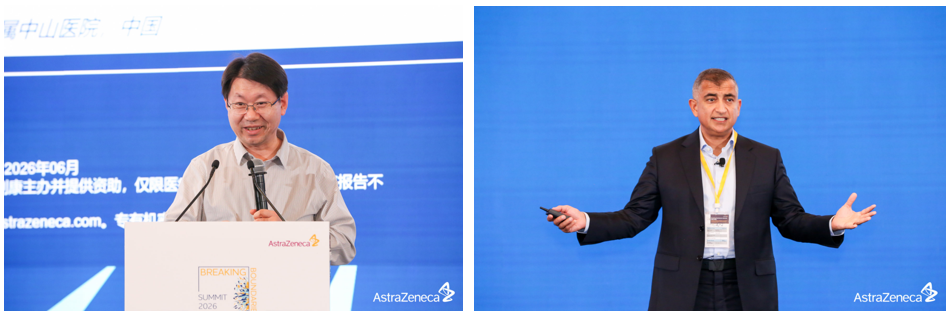 Fig. 3. Presentations by Prof. Yuanlin Song and Prof. Ashraf Al Zaabi on “Closing the Diagnostic Gap”
On the topic of GDMT, Prof. Mohit Bhutani noted that guideline-directed therapy may improve patient outcomes, but significant gaps persist between guideline recommendations and real-world clinical practice. Deviation from guideline-recommended care is associated with increased risks of acute exacerbation and mortality, as well as greater disease burden and healthcare resource utilization. He identified key barriers to guideline implementation, including clinical inertia among physicians, insufficient familiarity with guideline content, and limited access to diagnostic equipment and standard treatment modalities, noting that system-wide support, including involvement from regional healthcare and reimbursement decision-makers, is needed.
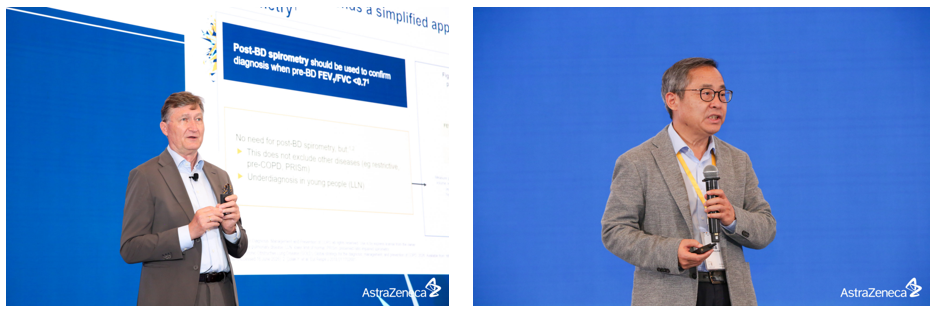 Fig. 4. Presentations by Prof. Mohit Bhutani and Prof. Yongchang Sun on GDMT
In the real-world case sharing session, Prof. Ashraf Al Zaabi presented a comprehensive disease management program using AI and machine learning (ML) for early identification and treatment optimization in patients at high risk of COPD exacerbations. Prof. Alan Kaplan focused on patient empowerment, sharing experience in improving treatment adherence through digital tools and structured education. Prof. Xunliang Tong presented the National Respiratory Medical Quality Control Center’s experience in promoting asthma outpatient quality management through standardized PCCM construction: by establishing standardized electronic medical records, advancing outpatient quality control, and conducting AI-assisted quality control training, guideline-recommended care requirements were translated into quantifiable, evaluable quality indicators to promote standardized practice. The three experts subsequently engaged in Q&A with attendees, distilling multiple replicable and scalable action points.
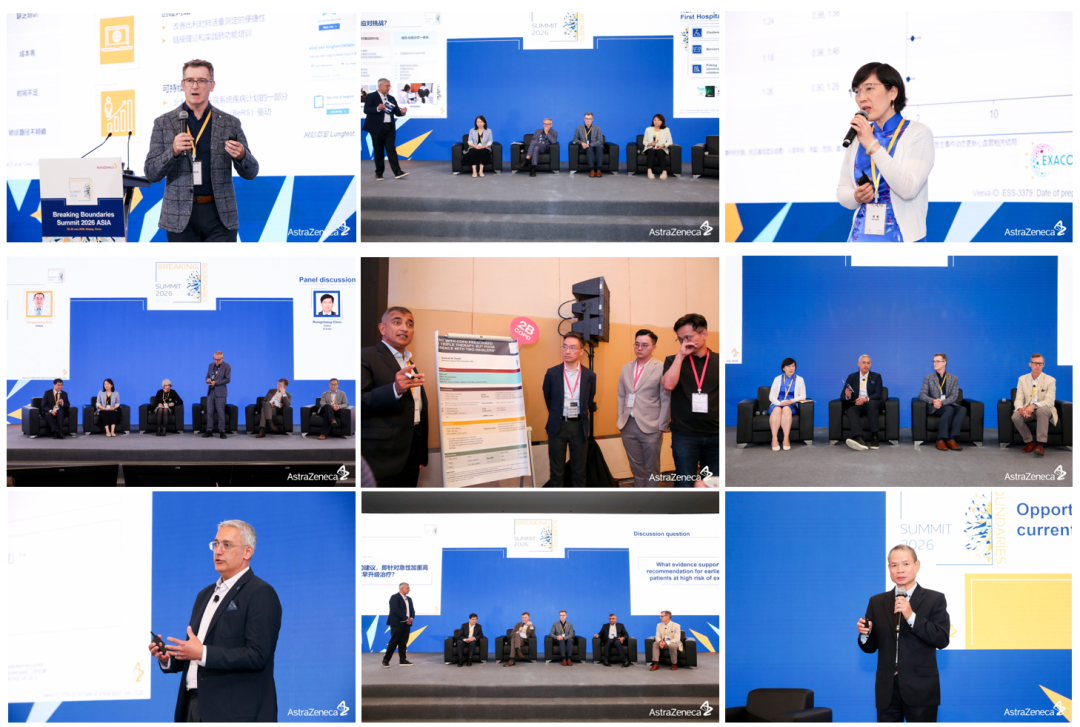 Fig. 5. Real-World Case Sharing by Prof. Ashraf Al Zaabi, Prof. Alan Kaplan, and Prof. Xunliang Tong
COPD Breakout Session: Early Diagnosis, Risk Assessment, and Guideline Implementation
The COPD breakout session addressed early diagnosis, acute exacerbation risk assessment, cardiopulmonary risk management through multidisciplinary team (MDT) collaboration, guideline implementation, and policy reform.
On early diagnosis, Prof. Claus Vogelmeier noted that underdiagnosis of COPD remains a prominent issue, with limited spirometry availability and insufficient disease awareness being primary drivers of diagnostic delay. The 2026 Global Initiative for Chronic Obstructive Lung Disease (GOLD 2026) report advocates proactive and opportunistic screening of high-risk populations, establishing a standardized workflow: initial questionnaire-based screening, followed by stratified assessment in positive cases, and specialist confirmation via spirometry. At the primary care level, portable devices may be used for screening [1]. AI-assisted detection may serve as an adjunct to spirometry, encompassing impulse oscillometry, breath sound analysis, and AI-assisted imaging interpretation, potentially improving early identification of COPD.
Prof. Jinping Zheng further discussed strategies to accelerate diagnosis from two perspectives. Where spirometry is available, standardized training should be implemented to improve test quality, and AI-integrated spirometry with high-risk screening questionnaires may facilitate case identification. Where spirometry is unavailable, alternative tools such as oscillometry, CT imaging, and acoustic biomarkers may assist in diagnosis. In the subsequent discussion, experts exchanged views on AI-enabled CT quantitative analysis, oscillometry, and strategies to improve COPD recognition in cardiology settings.
The session then focused on early identification of acute exacerbation risk. Prof. Ashraf Al Zaabi noted that current COPD management remains predominantly reactive, with treatment intensity often escalated only after clinical deterioration. He emphasized that preventing both first and subsequent exacerbations should be a priority management goal to reduce mortality risk. Guidelines such as GOLD are gradually shifting toward proactive, risk-reduction management strategies, with accumulating evidence supporting earlier and more proactive optimization of COPD management [1,2]. Prof. Yuanlin Song presented management strategies centered on acute exacerbation risk identification and management, referencing the Chinese Expert Consensus on the Management of Acute Exacerbations of COPD (2023 Revised Edition) [2].
In the cardiopulmonary risk discussion, experts engaged in in-depth exchange on the identification and intervention of cardiopulmonary risk under MDT frameworks. Prof. Min Zhou presented data from the China subgroup of the EXACOS-CV study, which indicated a high prevalence of cardiopulmonary comorbidities and a significantly increased risk of cardiovascular events among Chinese patients with COPD [3]. Prof. Chris Gale emphasized that improving identification of patients with cardiopulmonary risk requires strengthening multidisciplinary collaboration between respiratory and cardiovascular specialties, as well as systematic application of risk assessment tools in clinical practice, to integrate cardiopulmonary risk management into routine COPD care through proactive screening.
On guideline implementation, Prof. Mohit Bhutani presented the latest recommendations from GOLD 2026 on the transition from reactive to proactive management [1], and cited evidence from the ETHOS and IMPACT studies suggesting that triple therapy may optimize COPD management at earlier stages. A subsequent roundtable discussion focused on the impact of delayed initiation of proactive management strategies on patient outcomes. Case-based group discussions then addressed how to effectively translate evidence into clinical practice, covering optimization of pharmacotherapy in patients with cardiopulmonary comorbidity and discharge pathway improvement.
On policy reform, Prof. Ting Yang systematically reviewed recent progress in NBPHS reforms related to COPD management. Following the formal inclusion of COPD in the NBPHS, China has achieved phased progress in primary care screening, follow-up management, and quality control for COPD. However, challenges remain, including uneven capacity at the primary care level and incomplete standardization of management workflows. In the subsequent roundtable discussion, experts further explored tiered collaboration mechanisms within the NBPHS framework, focusing on effective linkage between primary and secondary care to advance comprehensive patient management. Reference was made to real-world experience from programs such as CONQUEST and QUEST, providing a reference pathway for translating policy into high-quality care.
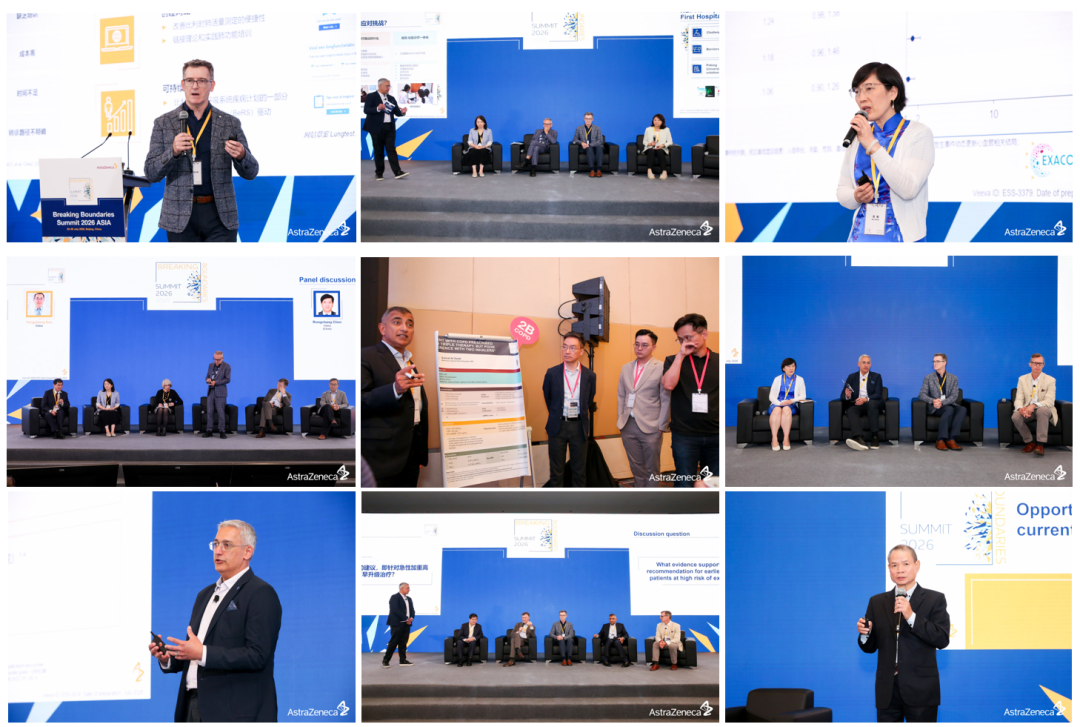 Fig. 6. COPD Breakout Session
Asthma Breakout Session: Diagnostic Challenges, Treatment Pathways, and Patient Empowerment
The asthma breakout session addressed diagnostic challenges and strategies, establishment of standardized treatment pathways, and patient empowerment through self-management.
On diagnosis, experts engaged in in-depth discussion of the key challenges and improvement opportunities for asthma diagnosis in real-world settings. Prof. Helen Reddel provided a systematic overview of strategies to improve asthma diagnosis, emphasizing the need for strengthened policy advocacy, opportunistic testing, and a shift away from the “test-then-treat” clinical paradigm. She highlighted the potential risks of underdiagnosis, misdiagnosis, and delayed diagnosis. Prof. Min Zhang introduced diagnostic methods recommended by the Chinese Thoracic Society (CTS) and the multiple barriers to their implementation in Chinese clinical practice, proposing an integrated approach using multiple adjunctive diagnostic tools to optimize diagnosis.
Experts subsequently held group discussions on diagnostic strategies that should be prioritized in Chinese and non-Chinese settings, reaching preliminary consensus. In the case study session, three typical scenarios were explored: an undiagnosed suspected patient at a tertiary hospital, a patient with delayed diagnosis at a respiratory specialty clinic, and an unrecognized symptomatic patient at a primary care facility. Each group discussed diagnostic strategies for the assigned scenario and presented their findings to all participants.
On standardized treatment and long-term management, Prof. Kemu Huang noted that both GINA and CTS recommend single-inhaler maintenance and reliever therapy (AIR/MART) with ICS-formoterol as the preferred regimen [4,5]. However, in China, barriers persist, including insufficient physician awareness of AIR/MART, the common practice of adding short-acting beta-agonists (SABAs) to MART, and poor patient adherence, underscoring the need for enhanced education to promote guideline implementation.
Prof. Alan Kaplan addressed barriers to standardized asthma management, emphasizing that it is first essential to help patients understand the inflammatory nature of asthma and to initiate anti-inflammatory treatment concurrently with symptom onset to reduce SABA reliance. He presented Track 1, which simplifies treatment through a “single medication, single device, single inhaler technique” approach, and may be supported by tools such as the Asthma Control Assessment Test (CAAT) for step-up and step-down decisions. Building on this, group case discussions addressed two scenarios — initial treatment selection and subsequent treatment adjustment — further exploring the establishment and optimization of standardized treatment pathways.
On patient self-management, Prof. Ruchong Chen analyzed factors affecting treatment adherence in asthma patients, including demographic and socioeconomic factors, healthcare system accessibility, patient attitudes and behaviors, and physician prescribing choices. He proposed strategies to enhance self-management capabilities: defining short- and long-term treatment goals through shared decision-making, developing personal asthma action plans, and leveraging digital tools and social media to strengthen patient engagement. These strategies prompted active discussion among experts on how to effectively communicate treatment benefits to patients, how to set short- and long-term goals to strengthen self-management, and how to use digital strategies to enhance patient engagement.
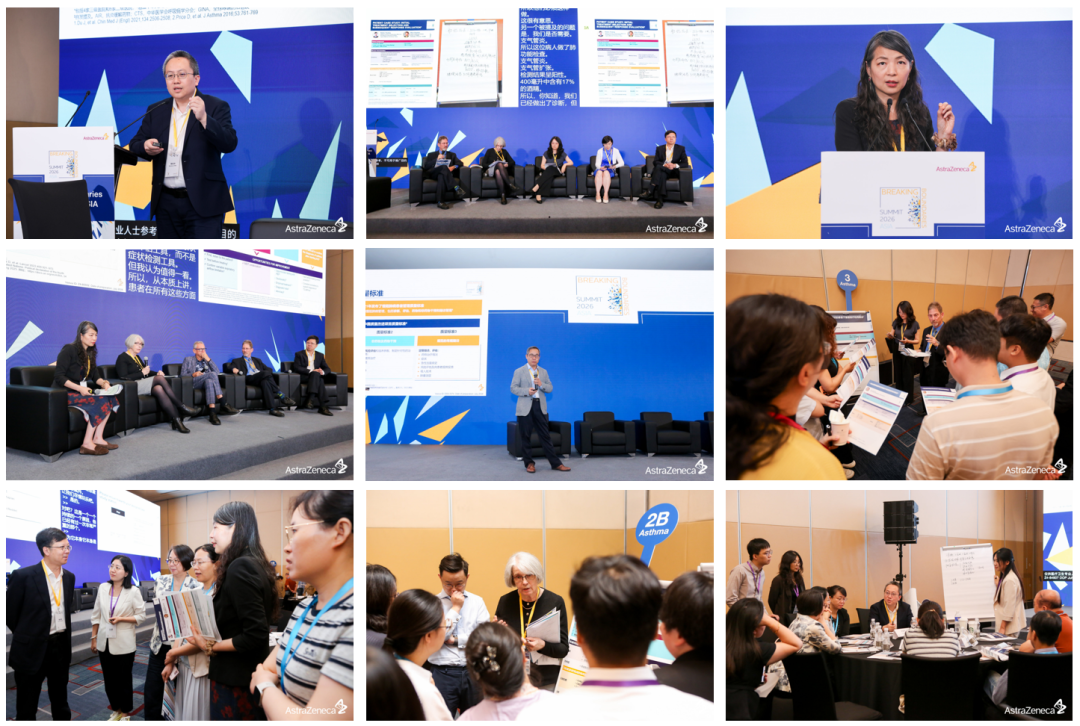 Fig. 7. Asthma Breakout Session
Building Consensus Through Interactive Workshops
The second day’s workshop segment was a highlight of the summit. Participants joined either the COPD or asthma group, each co-facilitated by Chinese and international experts, and engaged in approximately two hours of in-depth bilateral discussion. The COPD track featured five thematic tables covering diagnosis, guideline-directed therapy, NBPHS, cardiopulmonary risk management, and international experience. The asthma track featured three thematic tables focusing on diagnosis, guideline-directed therapy, and long-term management with patient engagement. This format departed from the traditional one-way lecture model, enabling each participant to engage deeply in their area of interest and engage in peer dialogue with experts on equal footing.
The workshops proceeded in two structured phases:
Phase 1 focused on “identifying barriers and defining intervention targets.” At each discussion table, participants systematically mapped core challenges and practical barriers in their respective areas, analyzed root causes, and identified specific, scalable, and impactful intervention directions.
Phase 2 guided each participant in “developing plans and charting action pathways.” Participants developed personalized action plans tailored to their local and institutional contexts, defining specific interventions, implementation pathways, and evaluation metrics. With expert guidance, participants refined their plans to ensure operational feasibility and scalability.
Following the workshops, Prof. David Price and Prof. Rongchang Chen summarized the key points and action plans from each group, facilitating cross-group knowledge sharing and consensus building.
In the final “Looking Ahea” session, Prof. Claus Vogelmeier and Prof. Helen Reddel delivered presentations on emerging trends in COPD and asthma, respectively, providing a forward-looking academic perspective that complemented the actionable plans generated in the workshops.
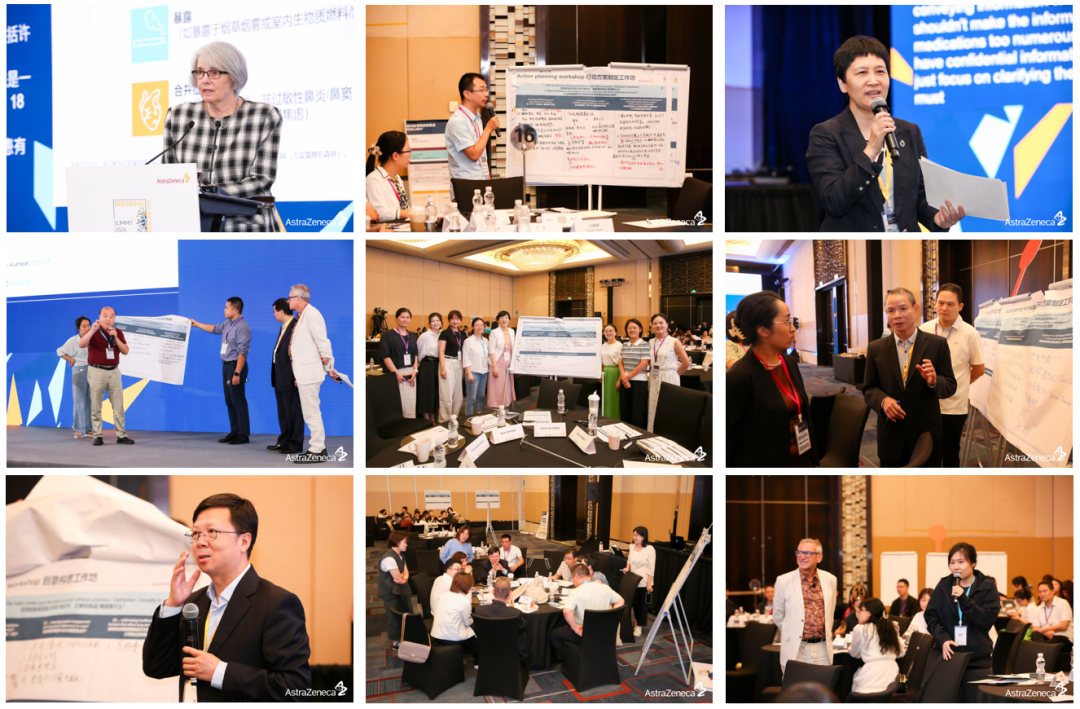 Fig. 8. Workshop Group Discussions — Experts and Participants in In-Depth Exchange at Thematic Tables
Conclusion
The summit convened leading respiratory experts from China and abroad, breaking through regional and disciplinary boundaries through plenary reports, panel discussions, case studies, and interactive workshops, establishing a high-level international multidisciplinary academic exchange platform. Experts engaged in collaborative discussion and exchanged perspectives, reaching consensus on key topics including early identification, guideline implementation, diagnostic tool integration, and patient empowerment, demonstrating the academic strength of cross-border, cross-disciplinary collaboration. The workshop component translated principles into practice, with each participant departing with a personalized action plan, ensuring that summit consensus extended beyond the conference venue. The summit called on all attendees to translate insights, reflections, and discussions into sustained clinical action, so that individual practice changes may collectively contribute to the transformation of regional management and provide sustained momentum for respiratory disease management across Asia.
References:
[1]GOLD2026.Availableat:https://goldcopd.org/wp-content/uploads/2025/11/GOLD-REPORT-2026-v1.1-11Nov2025_DRAFT_WMV.pdf. Accessed June 15, 2026.
[2] Chinese Expert Consensus Panel on Acute Exacerbation of COPD. Chinese Expert Consensus on the Management of Acute Exacerbations of COPD (2023 Revised Edition). International Journal of Respiration. 2023;43(2):132-149.
[3] Hou D, Liu Z, Li X, et al. Impacts of COPD exacerbation history on mortality and severe cardiovascular events among patients with COPD in China: a retrospective cohort study. Respir Res. 2025 Jul 23;26(1):252.
[4]GINA2026.Availableat: https://ginasthma.org/wp-content/uploads/2026/05/GINA-2026-Strategy-Report-WMS.pdf. Accessed May 19, 2026.
[5] Chinese Thoracic Society. Chinese Guidelines for the Prevention and Management of Bronchial Asthma (2024 Edition). Chinese Journal of Tuberculosis and Respiratory Diseases. 2025;48(3):208-248.

