


CD19-directed CAR-T therapy has transformed the treatment of relapsed/refractory (R/R) large B-cell lymphoma (LBCL), but 50%-60% of patients still relapse or remain refractory after treatment, with a median overall survival (OS) of only about 6 months in those who fail. No standard subsequent therapy currently exists. Glofitamab, a CD20×CD3 bispecific antibody, has shown encouraging activity, but previous studies enrolled mixed populations of CAR-T-exposed and CAR-T-naive patients, and no direct comparison has been available between bispecific antibodies and alternative salvage therapies after CAR-T failure.
To address this, the Lymphoma Study Association (LYSA) of Europe conducted the BiCAR study to evaluate the efficacy and safety of a short step-up dosing regimen of glofitamab in patients with diffuse large B-cell lymphoma (DLBCL) who had failed CD19 CAR-T therapy. MedJ Hematology Channel invited Prof. Zhiming Li of Sun Yat-sen University Cancer Center to interpret the findings.
Expert Profile: Prof. Zhiming Li

- Chief Physician, Professor and PhD Supervisor, Sun Yat-sen University Cancer Center (SYSUCC)
- Chair, Committee on Cancer Immunotherapy, Chinese Association of Geriatric Health Care
- Deputy Secretary-General and Standing Committee Member, CSCO Anti-Lymphoma Alliance
- Standing Committee Member, Lymphoma Committee, Chinese Anti-Cancer Association
- Standing Committee Member, CSCO Head and Neck Cancer Expert Committee
- Secretary-General and Standing Committee Member, Lymphoma Committee, Chinese Association of Geriatric Health Care
- Chair, Lymphoma Committee, Guangdong Anti-Cancer Association
- Chair, Committee on Multidisciplinary Treatment of Head and Neck Cancer, Guangdong Society of Clinical Medicine
- Principal Investigator on seven projects funded by the National Natural Science Foundation of China
- Published as a first/co-first or corresponding/co-corresponding author in Annals of Oncology, Signal Transduction and Targeted Therapy, Autophagy, Cell Reports, Journal of Hematology & Oncology, Journal for ImmunoTherapy of Cancer and Blood Advances
- Recipient of three first prizes and one second prize at the provincial or ministerial level
- Ranked No. 1 at SYSUCC for specialist outpatient visits
- Named to the inaugural Hurun–Ping An Good Doctors of China List
- Recipient of the 2021 People’s Good Doctor Special Contribution Award
- Named a 2023 People’s Good Doctor at the ninth People’s Good Doctor recognition ceremony
 Fig. 1. Study Screenshot
Strategically Designed Short-Term Dose Escalation! Glofitamab Balances Efficacy and Safety
1. Study Design
BiCAR is a single-arm, multicenter, Phase 2 study that enrolled 47 patients from 23 French centers. All patients had biopsy-confirmed CD20-positive DLBCL, with primary refractory disease or first relapse after CD19 CAR-T therapy (with an interval of ≥1 month from CAR-T infusion), and an ECOG performance status of 0-1. Patients with CD20-negative disease, primary central nervous system (CNS) lymphoma or CNS involvement, relapse within 1 month after CAR-T infusion, or prior allogeneic transplantation were excluded.
2. Treatment Regimen
All patients received obinutuzumab 1000 mg IV on day -3 as pre-treatment. The short step-up dosing of glofitamab in cycle 1 was: 2.5 mg on day 1, 10 mg on day 3, and 30 mg on day 8. From cycle 2 onward, glofitamab 30 mg was administered every 21 days, for up to 11 cycles.
3. Endpoints
The primary endpoint was OS, measured from the first glofitamab infusion to death from any cause. Secondary endpoints included progression-free survival (PFS), objective response rate (ORR), complete response rate (CRR), duration of response (DOR), duration of complete response (DOCR), and safety.
4. External Control Construction
The external control was built from the French DESCAR-T national registry (n=3,071) and the ALYCANTE trial (n=72). After applying the BiCAR key eligibility criteria and selecting only patients receiving non-bispecific-antibody systemic therapy after CAR-T failure, 133 patients were included in the external control.
Results
1. Efficacy and Safety of Glofitamab
At a median follow-up of 30.4 months, the glofitamab arm had a median OS of 17.3 months and a 2-year OS rate of 38.3%. Median PFS was 3.8 months, with a 2-year PFS rate of 29.1%. Median DOR was 14.9 months, and median DOCR was not reached.
Patient survival was significantly associated with the timing of CAR-T failure. Patients with late relapse (>6 months after infusion) had not reached median OS, while refractory or early-relapse patients (≤6 months) had a median OS of only 11.1 months — a statistically significant difference (P=0.010).
Patients who achieved complete metabolic response (CMR) after 2 cycles of treatment had not reached median OS, while those who did not achieve CMR had a median OS of only 10.1 months, also a statistically significant difference (P=0.009).
In terms of safety, long-term follow-up identified no new safety signals, and the overall safety profile was consistent with the initial report.
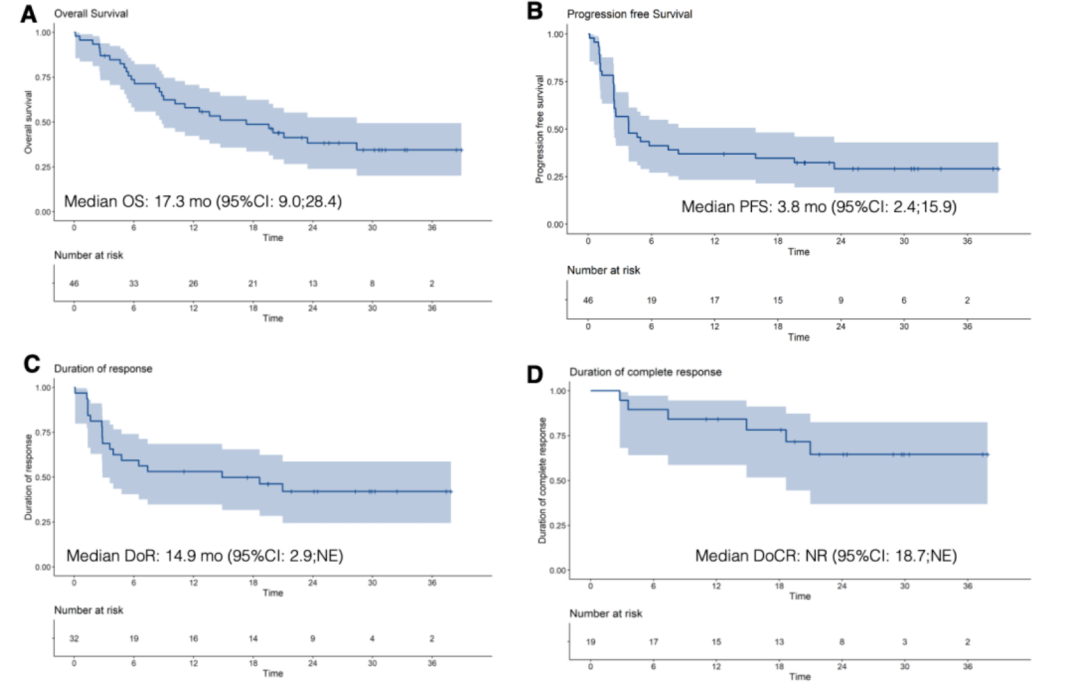 Fig. 2. BiCAR Study Survival Curves
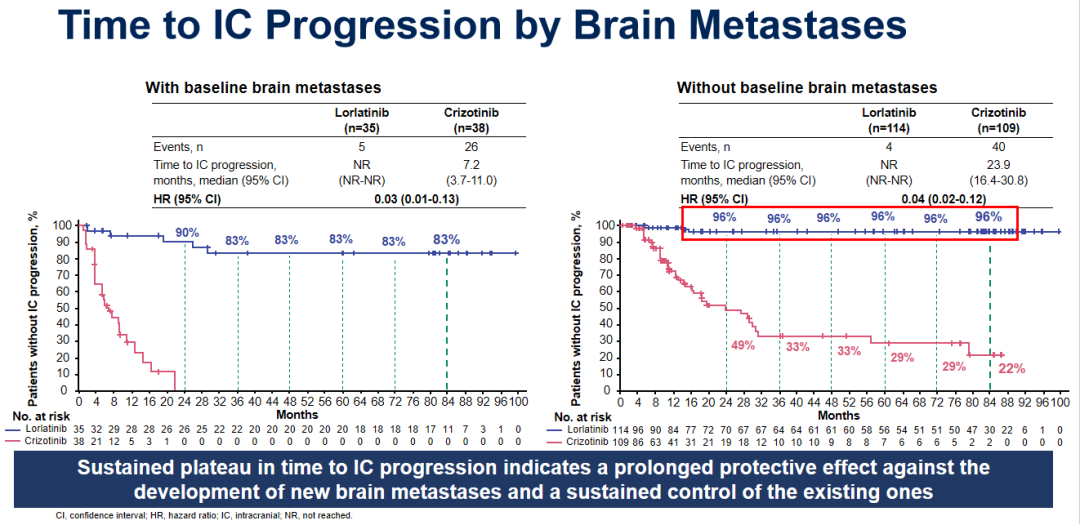 Fig. 3. BiCAR Study Subgroup Survival Curve Analysis
2. External Control Efficacy Analysis
In the external control, salvage therapy distribution was as follows:
l Lenalidomide-based regimens were the most common, at 43.6%, including tafasitamab plus lenalidomide, lenalidomide monotherapy, and lenalidomide plus rituximab.
l Chemotherapy-based regimens accounted for 29.3%, including R-GemOx, R-ICE, and others.
l Radiotherapy-based regimens accounted for 9.8%;Other regimens or clinical trial participation accounted for 16.5%.
In the external control, the best CRR was 8.3% and the best partial response (PR) rate was 4.5%; 72.0% of patients experienced disease progression. Median OS across treatment regimens ranged from 5.5 to 12.5 months.
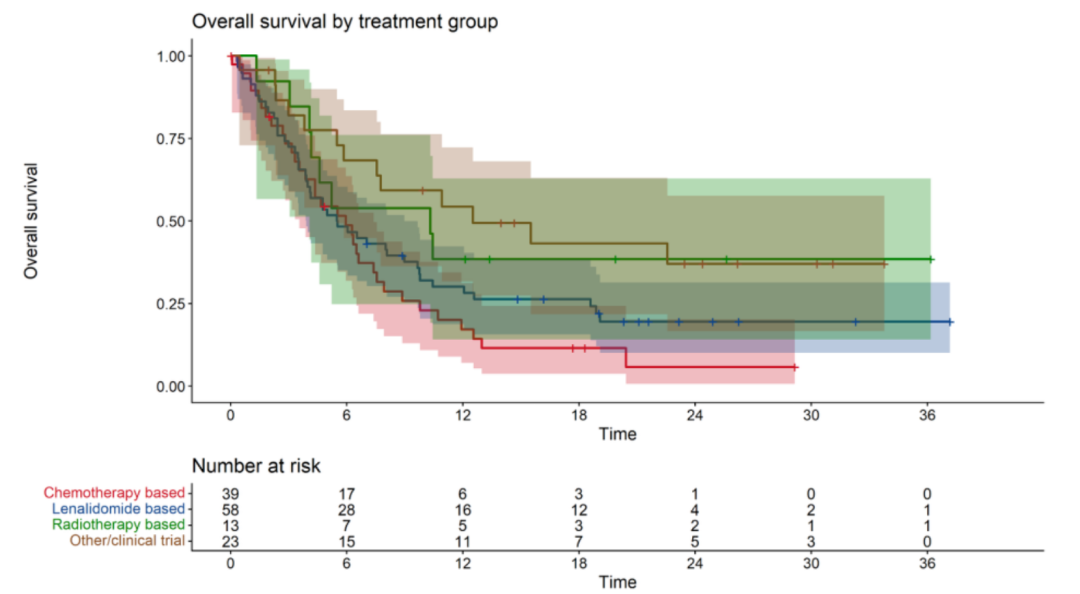 Fig. 4. External Control Survival Curve Analysis
3. Comparative Efficacy Analysis
In the primary sIPTW (stabilized inverse probability of treatment weighting) analysis with multiple imputation, the weighted median OS was 19.6 months in the glofitamab arm versus 7.6 months in the control arm. Pooling all imputed datasets, the risk of death with glofitamab versus control was HR=0.49 (95% CI: 0.31-0.79, P=0.0072).
At 2 years of follow-up, the restricted mean survival time (RMST) was 15.6 months in the glofitamab arm versus 10.6 months in the control arm (P=0.007). All sensitivity analyses produced HR estimates clustered between 0.41 and 0.54, consistently supporting the benefit of glofitamab.
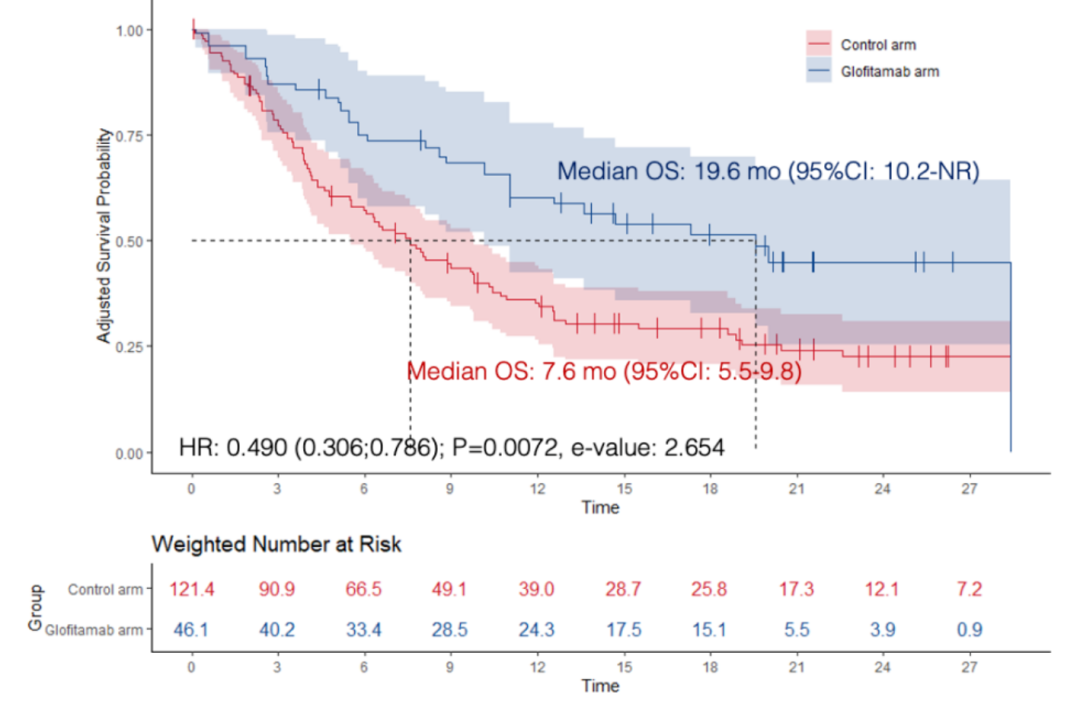 Fig. 5. sIPTW-Based OS Benefit Analysis
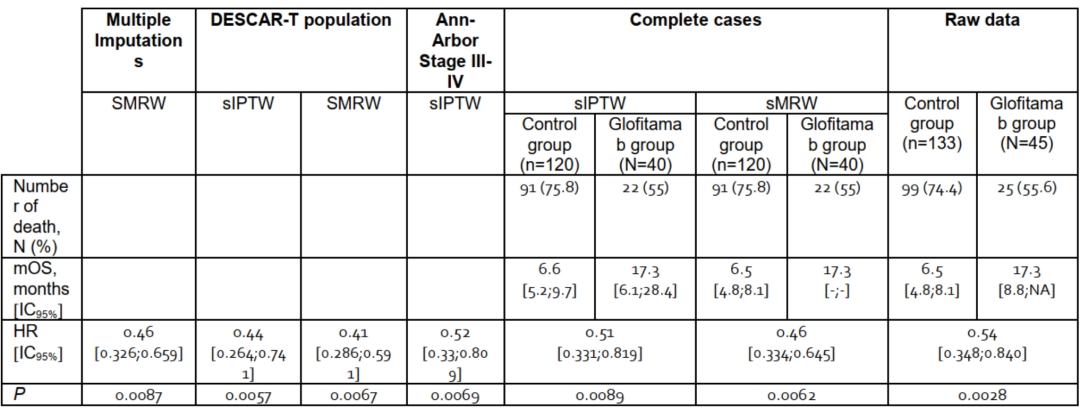 Fig. 6. OS Benefit Sensitivity Analysis
Study Conclusion
For R/R DLBCL patients experiencing their first relapse or progression after CAR-T therapy, the short step-up dosing of glofitamab significantly improves survival outcomes compared with non-bispecific-antibody salvage regimens.
Recommendation Rationale
As the first prospective trial of bispecific-antibody salvage therapy specifically targeting the post-CAR-T DLBCL population, this study used rigorously pre-specified external controls to confirm that the short step-up glofitamab regimen can reach the loading dose in a shorter period, more effectively controlling disease progression. It is positioned as a potentially preferred salvage option for this population and provides additional choices for improving survival in this poor-prognosis group.
Expert Commentary — Prof. Zhiming Li
Patients with R/R DLBCL who have failed CD19 CAR-T therapy have a poor prognosis, and the field urgently needs an effective and safe salvage option. The advent of CD20×CD3 bispecific antibodies has provided a brand-new therapeutic option for this population. By combining a prospective single-arm trial with matched external control data, the study evaluated the clinical value of the short step-up glofitamab regimen.
Efficacy data show that, compared with traditional non-bispecific-antibody salvage therapy, this regimen reduces the risk of death by 51%, raises the weighted median OS to 19.6 months, and extends the 2-year restricted mean survival time by 5 months. The survival benefit remained robust across sensitivity analyses of weighting methods, disease stage, and line of therapy. The median OS of 6.5-7.6 months in the external control cohort is consistent with prior real-world data, confirming strong external validity of the study conclusions.
The dosing regimen is designed to address the core pathologic feature of T-cell exhaustion in post-CAR-T patients, rapidly achieving effective blood concentrations, shortening the duration of sustained T-cell exhaustion, and matching the rapid progression profile of the tumor. At the same time, the lower baseline T-lymphocyte levels in these patients can reduce cytokine release, substantially lowering the risk of severe cytokine release syndrome (CRS) and immune effector cell-associated neurotoxicity syndrome (ICANS). No grade 3 or higher adverse events of these types were observed in the study, indicating an excellent safety profile.
This study is the first prospective Phase 2 trial focused on DLBCL patients with first relapse after CAR-T therapy, with high homogeneity in the enrolled population and a unified dosing regimen, avoiding the selection bias and dose heterogeneity of previous studies. Using OS as the primary endpoint, it is the first to confirm a survival benefit of bispecific antibodies over traditional salvage therapy, filling a gap in the evidence base for this class of agents.
In summary, the short step-up glofitamab regimen can serve as a preferred salvage option for these patients, and the study also confirms that external controls are a high-quality evidence-generation method in the absence of randomized controlled trials.

