


Although multiple antihypertensive agents are available, uncontrolled hypertension remains a major global challenge in cardiovascular disease prevention and treatment. Data show that in China, the overall hypertension control rate is only 12.9%, and the control rate among patients receiving antihypertensive medication is only 33%—underscoring substantial unmet need [1].
Among the mechanisms driving persistent blood-pressure elevation, aldosterone overactivation is recognized as one of the key contributors. As an important effector hormone of the renin-angiotensin-aldosterone system (RAAS), aldosterone promotes sodium reabsorption in the distal renal tubules, leading to water-sodium retention and blood pressure elevation, and also mediates target-organ damage independent of blood pressure, further increasing cardio-cerebrovascular event risk [2-5]. Accordingly, targeted intervention of the aldosterone pathway has become an important research direction in hypertension management.
Baxdrostat is a novel, highly selective aldosterone synthase inhibitor that lowers circulating aldosterone levels and thereby achieves antihypertensive effect [6]. However, hypertension is a chronic condition requiring long-term management, and the durability of antihypertensive efficacy and long-term safety of any agent are essential to clinical practice. The prior BaxHTN study had demonstrated that baxdrostat significantly reduced blood pressure at 12 weeks [7, 8]. The 52-week follow-up results presented at this year’s ESC meeting provide new evidence on whether the long-term benefit and favorable safety profile are sustained.
52-Week Follow-up Results: Sustained Antihypertensive Benefit and Long-Term Management Value
The latest results of the BaxHTN study were presented at the 2026 ESC Annual Meeting’s Late-Breaking Science session [9]. This analysis focused on subjects who received baxdrostat continuously through 0-52 weeks versus those who received placebo or standard of care throughout, evaluating long-term efficacy and safety. The following subjects were excluded: those who switched from baxdrostat 1 mg to standard therapy at week 12; those who switched from placebo to baxdrostat 2 mg at week 12; and those who switched from baxdrostat 2 mg to placebo at week 24.
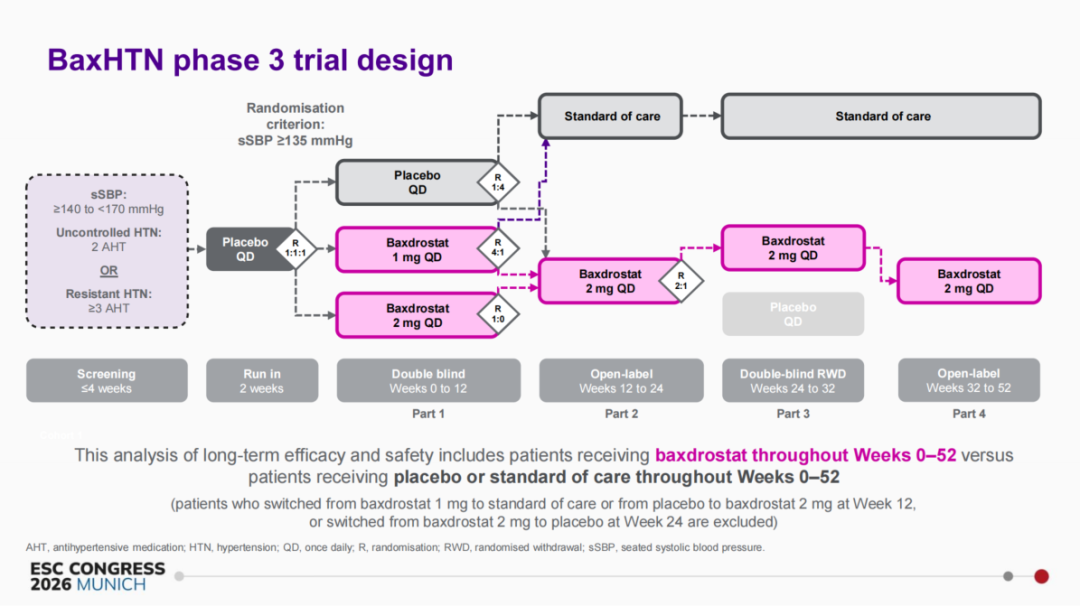 Fig. 1. BaxHTN Study Design [9]
Long-term endpoints included:
- Efficacy: change from baseline to week 52 in seated systolic blood pressure (sSBP); the proportion achieving sSBP<130 mmHg at week 52; change from baseline to week 32 in serum aldosterone, plasma renin activity (PRA), and aldosterone-to-renin ratio (ARR).
- Safety: change from baseline to week 52 in serum potassium, estimated glomerular filtration rate (eGFR), and adverse events (AEs).
In the open-label phase, investigators could adjust background antihypertensive therapy based on clinical judgment; mineralocorticoid receptor antagonists (MRAs) or potassium-sparing diuretics were allowed only in the standard-of-care arm.
Results:
Population characteristics: A total of 315 patients were included in this long-term analysis—192 in the baxdrostat group (138 completed 52 weeks of treatment) and 123 in the placebo/standard-of-care group (106 completed 52 weeks). Baseline characteristics were generally balanced between groups and consistent with the overall BaxHTN population.
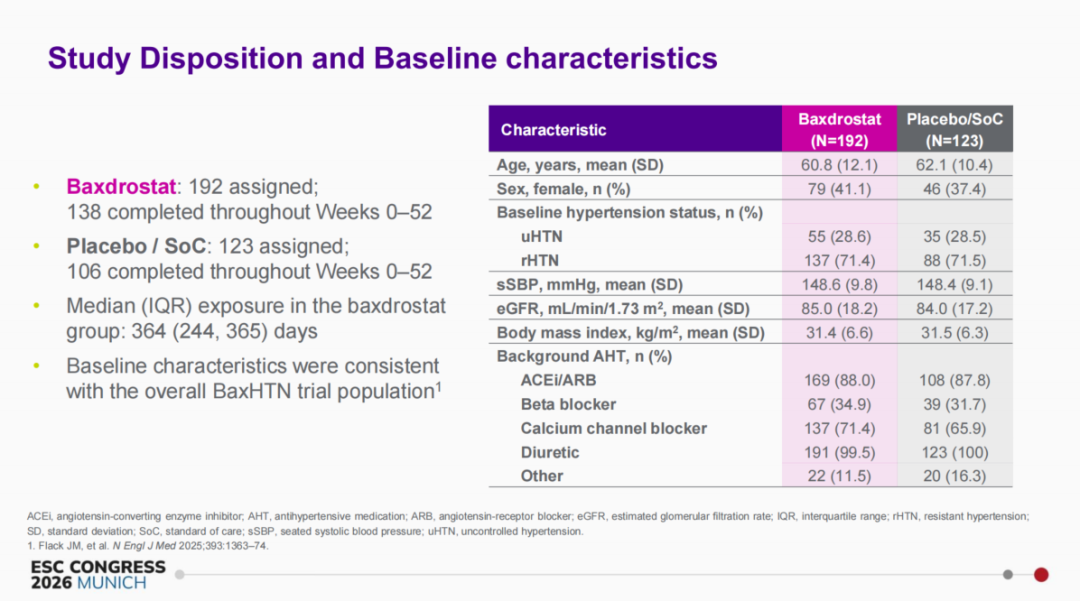 Fig. 2. Population Characteristics in the Two Arms of the BaxHTN Long-Term Analysis [9]
Sustained blood-pressure reduction at 52 weeks: Significant blood-pressure reduction appeared in the baxdrostat group by week 4 and was sustained through week 52. At week 52, mean SBP had decreased by approximately 20 mmHg from baseline in the baxdrostat group; versus the placebo/standard-of-care group, the sSBP reduction was 12.6 mmHg (95% CI: -16.7 to -8.5, p<0.0001).
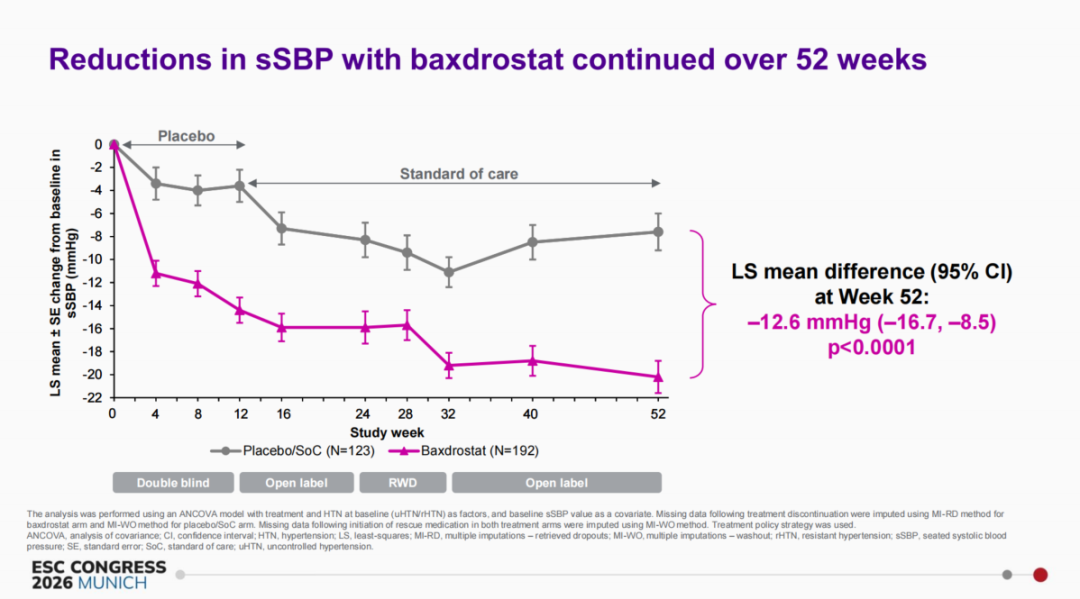 Fig. 3. Change in Seated SBP from Baseline to Week 52 in Each Group [9]
More than half of patients achieved blood-pressure target: At week 52, the proportion achieving sSBP<130 mmHg in the baxdrostat group was significantly higher than in the placebo/standard-of-care group (54.2% vs 23.8%, p<0.0001). In the uncontrolled hypertension (uHTN) and resistant hypertension (rHTN) subgroups, target attainment in the baxdrostat group was 61.8% and 51.1%, versus 34.3% and 19.5% in the placebo/standard-of-care group (p=0.0168 and p<0.0001, respectively).
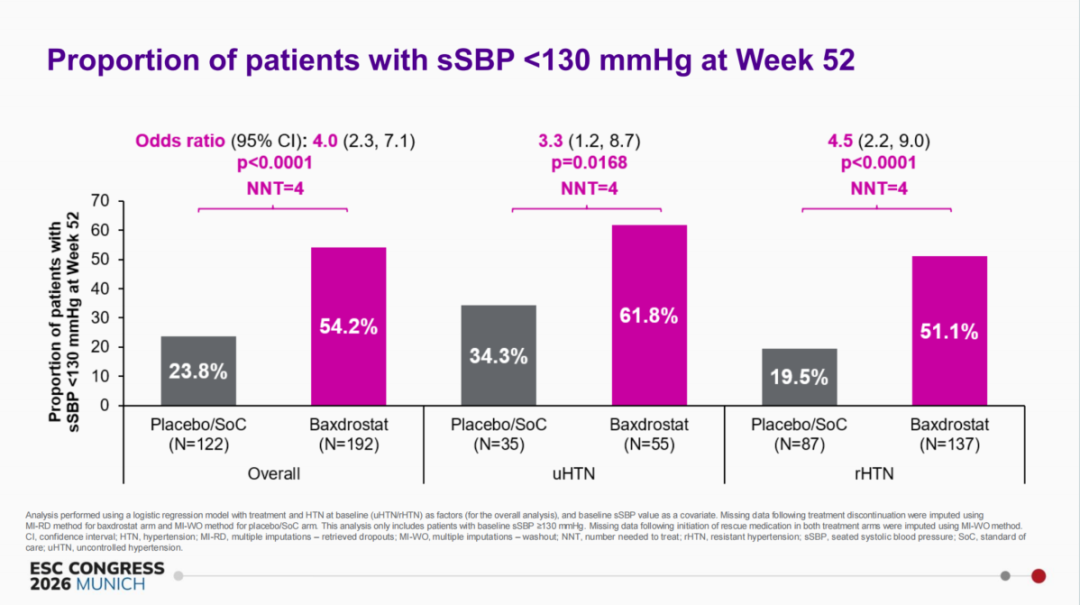 Fig. 4. Proportion of Each Group Achieving sSBP<130 mmHg at Week 52 [9]
Sustained reduction in aldosterone: Baxdrostat produced sustained inhibition of circulating aldosterone; by week 32, the reduction from baseline was approximately 73.5%, while the placebo/standard-of-care arm showed a 4.8% increase from baseline. A compensatory rise in PRA was also observed. ARR fell by nearly 80% at week 4 and approached 100% reduction by week 32.
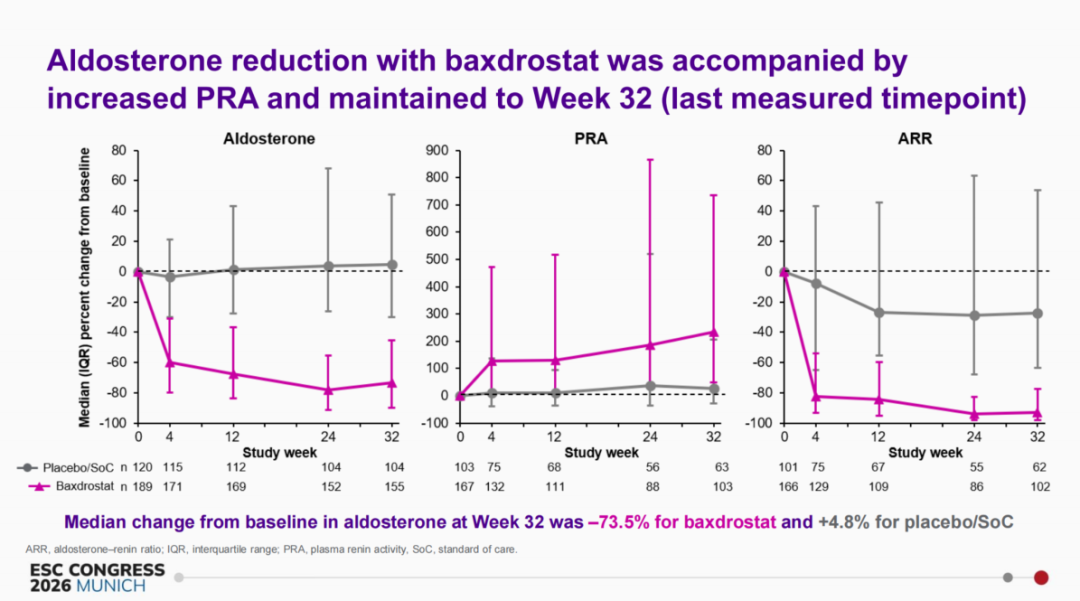 Fig. 5. Change from Baseline to Week 32 in Serum Aldosterone, PRA, and ARR in Both Groups [9]
Long-term safety profile consistent with prior studies, no new safety signals: In terms of serious adverse events, 23 patients (12%) were reported in the baxdrostat group versus 9 (7.3%) in the placebo/standard-of-care group. The most common adverse events were hyperkalemia, hypotension, and hyponatremia. In the baxdrostat group, the rise in serum potassium mainly occurred during the first 2 weeks of treatment, then remained stable through week 52, with a mean increase from baseline of approximately 0.5 mmol/L at week 52. After baxdrostat treatment, eGFR showed a mild decline, mostly within the first 2 weeks, then remained stable through week 52.
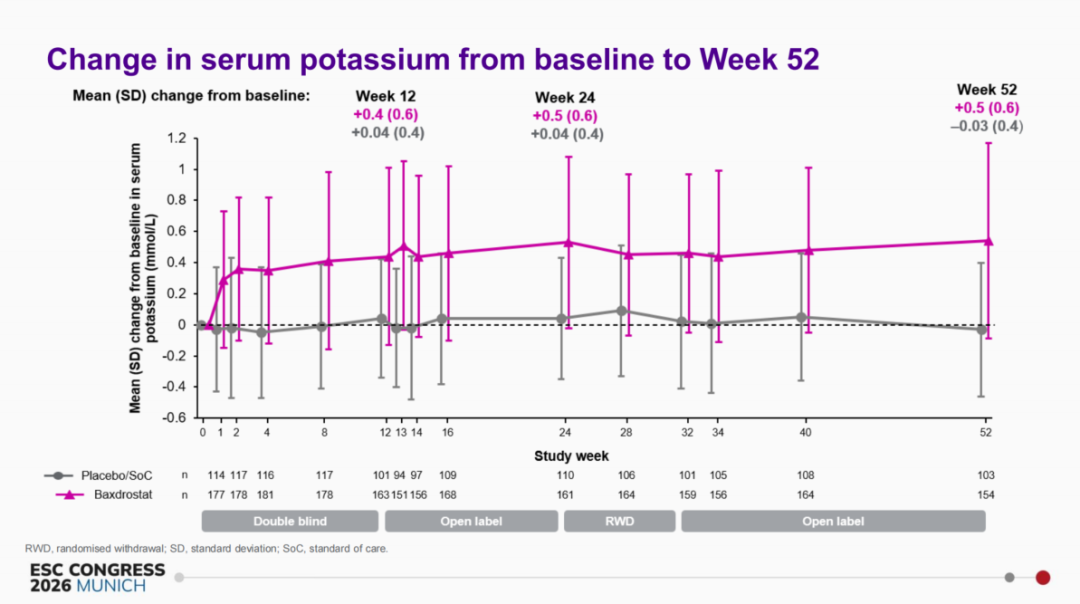 Fig. 6. Change in Serum Potassium from Baseline to Week 52 in Both Groups [9]
From “Receptor Blockade” to “Source Inhibition”: A New Long-Term Option for uHTN/rHTN
Current treatment strategies targeting the aldosterone pathway mainly include renin-angiotensin system inhibitors (RASi) and mineralocorticoid receptor antagonists (MRA). RASi indirectly reduce aldosterone release by inhibiting angiotensin II production or blocking its receptor, and are first-line antihypertensive agents [10]. However, long-term RASi use is frequently accompanied by the “aldosterone escape” phenomenon—after an initial suppression of aldosterone, levels can gradually rise back to or above baseline over time, attenuating protection of target organs [11].
MRAs directly antagonize aldosterone binding to the mineralocorticoid receptor, but their clinical use is often limited by hyperkalemia, endocrine-related adverse reactions, and tolerability issues [10]. Moreover, MRAs act only at the receptor level and do not directly inhibit aldosterone production; their impact on nongenomic effects of elevated aldosterone and other non-MR-mediated injury therefore remains limited.
Baxdrostat offers a different approach. As a highly selective aldosterone synthase inhibitor, it directly inhibits aldosterone synthesis upstream and lowers aldosterone levels. This “source inhibition” strategy may enable more precise intervention in aldosterone-pathway activation and may fundamentally avoid the impact of “aldosterone escape” on therapeutic effect.
From an evidence-evolution perspective, the clinical value of baxdrostat is becoming clearer. Prior evidence includes the BrigHTN study [12] and the 12-week BaxHTN results [7, 8]; the 52-week long-term data presented at ESC 2026 add an important chapter to the long-term management evidence. The evidence base for baxdrostat is moving from “short-term efficacy” toward “long-term sustained benefit with manageable safety.”
In this report, baxdrostat treatment for 52 weeks reduced sSBP by 12.6 mmHg versus placebo/standard-of-care; more than half (54.2%) of patients achieved the sSBP<130 mmHg target, versus only 23.8% in the control arm. Notably, the 12- to 52-week control arm received standard of care, more closely approximating real-world settings; baxdrostat still demonstrated a stable and clinically meaningful antihypertensive advantage, suggesting its potential value as a new therapeutic option in current management of uncontrolled or resistant hypertension.
In terms of safety, the long-term safety profile of baxdrostat was generally consistent with the 12-week double-blind phase, and no new safety signals were identified. These long-term data further enhance the clinical credibility of baxdrostat for long-term blood-pressure management and lay a solid foundation for broader clinical application in the future.
In summary, the long-term treatment of uHTN/rHTN has long faced the reality of “limited options and difficulty reaching target.” The publication of baxdrostat's long-term efficacy and safety data may fill a previously under-targeted key pathological gap and promote further optimization and upgrading of hypertension-treatment strategy. Currently, baxdrostat has been approved in the U.S. and the UAE; regulatory submissions in other regions are progressing. The hope is that this innovative drug will reach the Chinese market in the future, offering a new treatment option for uHTN/rHTN patients in China and updating the relevant treatment paradigm.
Summary
From 12-week double-blind results to 52-week long-term follow-up, the BaxHTN study further completes the evidence system for baxdrostat in patients with uncontrolled and resistant hypertension. The study shows that baxdrostat not only delivers sustained, stable, and clinically meaningful antihypertensive benefit, but also maintains a safety profile consistent with prior studies during long-term treatment—supporting “source inhibition” of aldosterone as a therapeutic strategy.
References
[1] National Center for Cardiovascular Diseases. 2024 Summary of the China Cardiovascular Health and Disease Report. Chinese Circulation Journal. 2025;40(6):521-559.
[2] Fioretti F, Testani JM, Tio MC, et al. Aldosterone and Aldosterone Modulation in Cardio-Kidney Diseases. J Am Coll Cardiol. 2025 Aug 5;86(5):354-373.
[3] Lin X, Ullah MHE, Wu X, et al. Cerebro-Cardiovascular Risk, Target Organ Damage, and Treatment Outcomes in Primary Aldosteronism. Front Cardiovasc Med. 2022 Feb 2;8:798364.
[4] Li SM, Huang JY, Zhu CY, et al. Target organ damage in untreated hypertensive patients with primary aldosteronism. J Clin Hypertens (Greenwich). 2024 Jul;26(7):789-796.
[5] Parksook WW, Williams GH. Aldosterone and cardiovascular diseases. Cardiovasc Res. 2023 Mar 17;119(1):28-44.
[6] Dogra S, Shah S, Gitzel L, et al. Baxdrostat: A Novel Aldosterone Synthase Inhibitor for Treatment Resistant Hypertension. Curr Probl Cardiol. 2023 Nov;48(11):101918.
[7] BaxHTN—Efficacy and safety of the aldosterone synthase inhibitor baxdrostat in patients with uncontrolled or resistant hypertension. ESC 2025.
[8] BaxHTN Investigators. Efficacy and Safety of Baxdrostat in Uncontrolled and Resistant Hypertension. N Engl J Med. 2025 Oct 9;393(14):1363-1374.
[9] Long-term efficacy and safety of baxdrostat in patients with uncontrolled or resistant hypertension: results from the BaxHTN phase 3 trial. ESC 2026.
[10] Chinese Hypertension Guidelines Revision Committee, Hypertension Alliance (China), Hypertension Branch of China International Exchange and Promotive Association for Medical and Health Care, et al. 2024 Chinese Guidelines for the Prevention and Treatment of Hypertension (Revised Edition). Chinese Journal of Hypertension (Bilingual). 2024;32(7):603-700.
[11] Struthers AD. The clinical implications of aldosterone escape in congestive heart failure. Eur J Heart Fail. 2004 Aug;6(5):539-545.
[12] Freeman MW, Halvorsen YD, Marshall W, et al. Phase 2 Trial of Baxdrostat for Treatment-Resistant Hypertension. N Engl J Med. 2023 Feb 2;388(5):395-405.

