


The "MedJ Respiratory Channel" conducted exclusive in-depth coverage of this special session, striving to present cutting-edge, authoritative, and comprehensive academic information to numerous practitioners in the field of respiratory medicine in China and all sectors concerned about the development of this field.
Highlights of ATS-China Day Session: Collision Between Cutting-Edge Technology and Medical Innovation
This year, the ATS-China Day special session was themed "Global Vision: China's Innovation in Respiratory Medicine", bringing together Chinese and American respiratory medicine experts to share cutting-edge achievements in lung cancer early diagnosis, AI imaging, chronic disease management, and other fields.
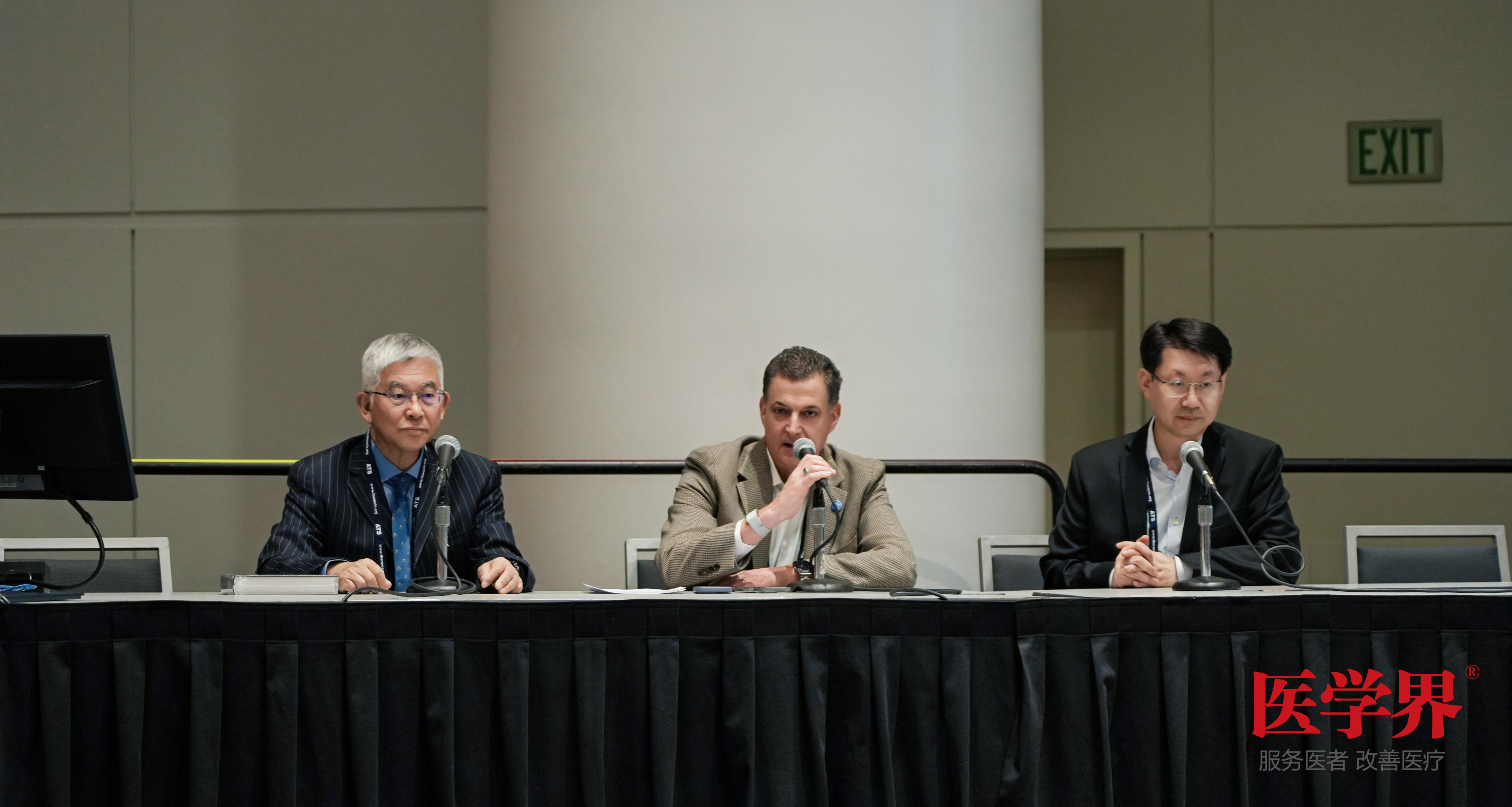
Figure 1. Professor Chunxue Bai, Professor Charles Powell, and Professor Yuanlin Song in a discussion (left to right)
Lecture 1:
The session began with a keynote report titled "Fighting Lung Cancer with Metaverse Medicine" by Professor Chunxue Bai.
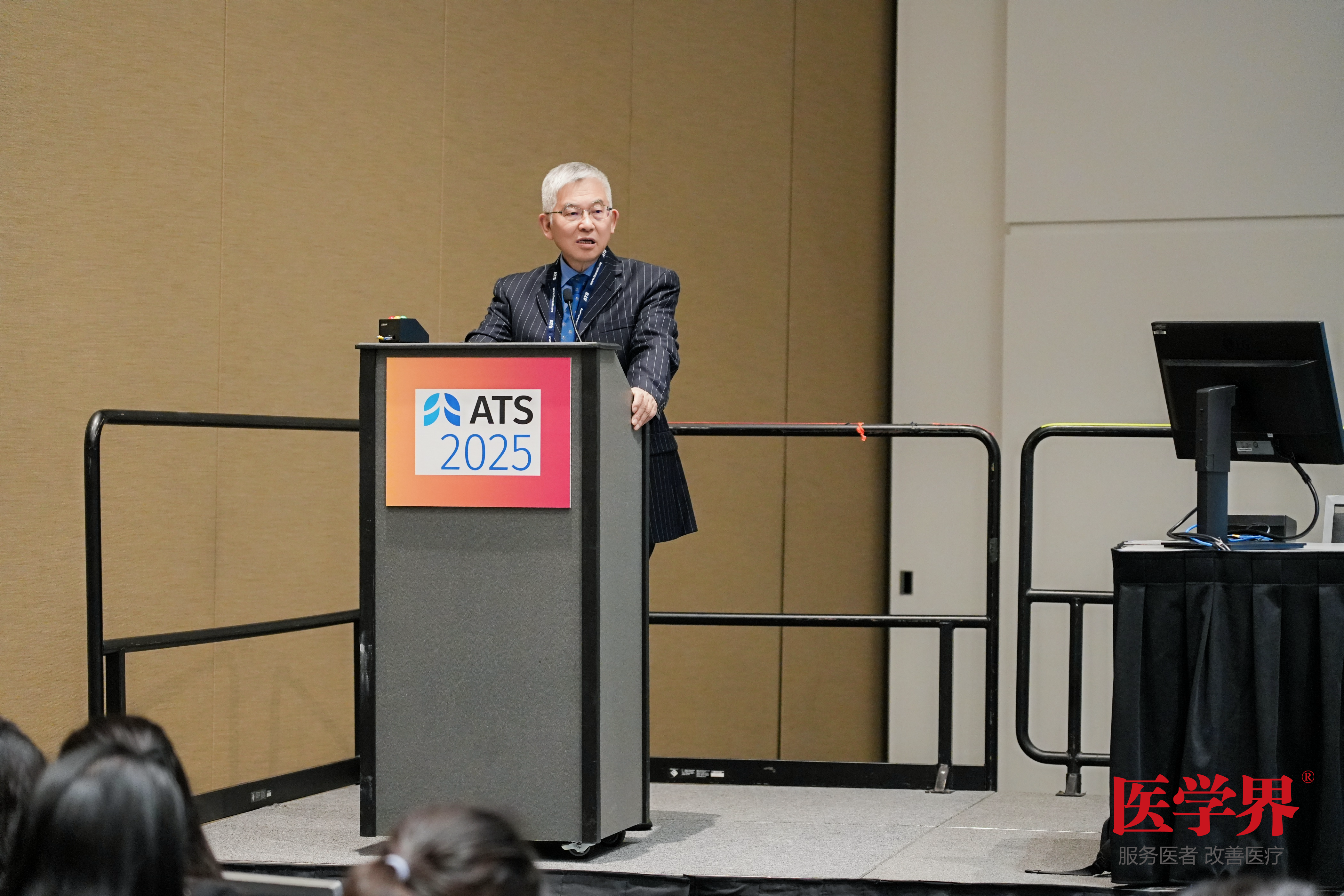
Figure 2. Professor Chunxue Bai delivering a live speech
Professor Chunxue Bai pointed out that in recent years, metaverse technology has been widely applied and developed in various fields due to its unique advantages and huge potential. By constructing a virtual medical environment, metaverse technology can simulate real medical scenarios, providing doctors with a more realistic and intuitive diagnosis and treatment experience. In the early diagnosis of lung cancer, metaverse technology can help doctors more accurately detect tumor lesions by performing 3D reconstruction and analysis of lung imaging data, improving the accuracy and efficiency of diagnosis.
Meanwhile, in the precision treatment of lung cancer, metaverse technology can also play a significant role. By simulating surgical procedures, doctors can formulate and optimize surgical plans in a virtual environment, improving the success rate and safety of surgeries. Additionally, metaverse technology can integrate with artificial intelligence (AI), big data, and other technologies to provide doctors with more personalized and precise treatment plans, enhancing treatment outcomes and patients' quality of life.
Lecture 2:
Professor Charles Powell from the Icahn School of Medicine at Mount Sinai, USA, shared a keynote report titled "Global Innovation in Imaging AI and Clinical Decision Support Systems".
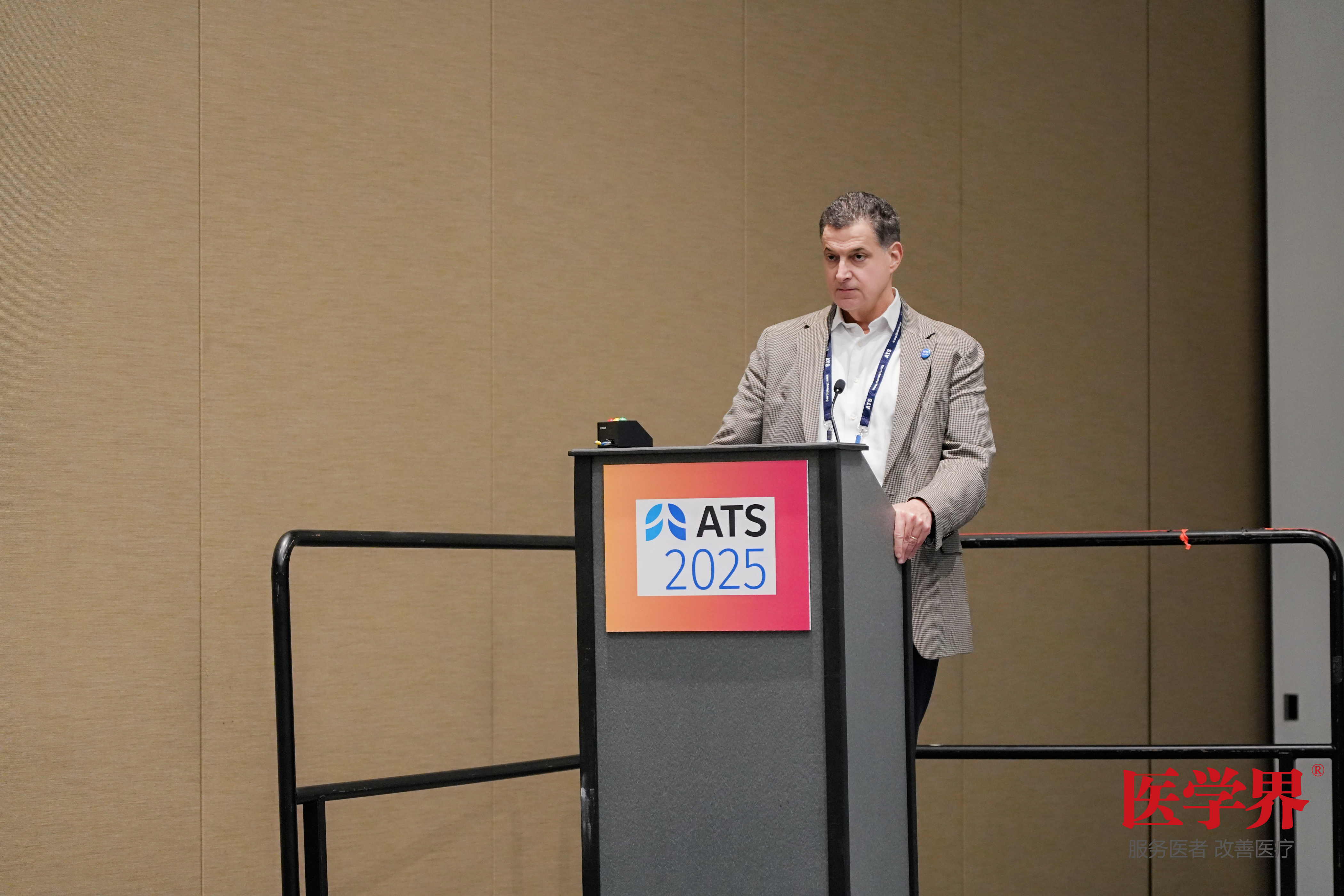
Figure 3. Professor Charles Powell delivering a live speech
Currently, the wave of artificial intelligence is sweeping the globe, and in the field of respiratory medicine, imaging AI technology has achieved remarkable results. Through deep learning and big data analysis, imaging AI can more accurately identify lung images, helping doctors detect lesions earlier and improve the efficiency and accuracy of diagnosis.
Lecture 3:
Professor Yuanlin Song from Zhongshan Hospital, Fudan University, focused on sharing "Practice of AI and Wearable Devices in COPD Management".
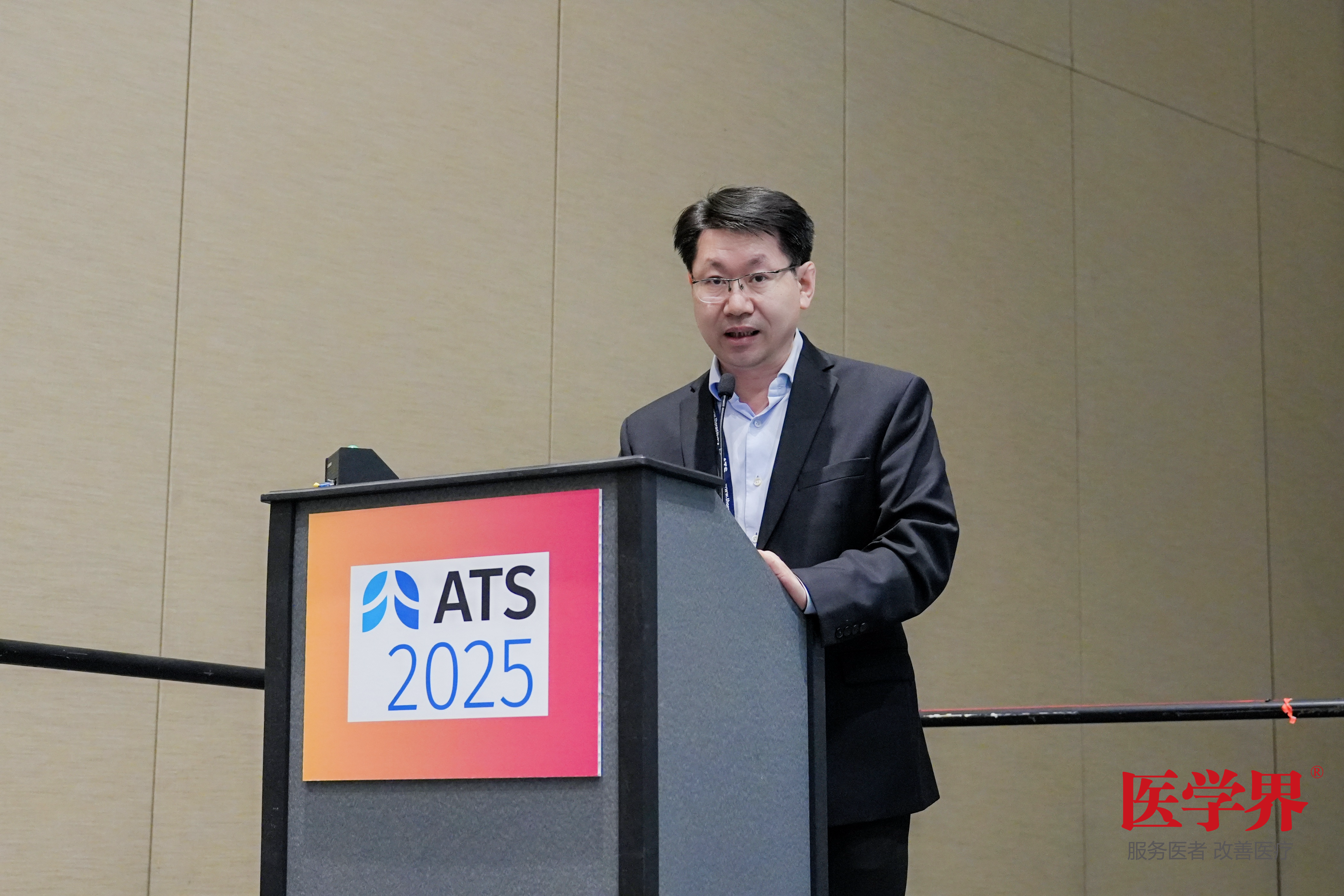
Figure 4. Professor Yuanlin Song delivering a live speech
China has a huge number of COPD patients, and traditional management models face many challenges in dealing with such a large patient population. For example, patient condition monitoring is not timely or accurate enough, and the uneven distribution of medical resources makes it difficult for some patients to access high-quality medical services.
Young Scholars Shine at ATS: Cutting-Edge Achievements and Awards Ignite Research Fever
During this special session, 14 young scholars from China took the stage to present their latest research achievements and receive the annual ATS-ISRD Young Investigator Awards. These young scholars are rising stars in China's respiratory medicine field, dedicated to research in cutting-edge technology applications and medical innovation, covering multiple frontiers.
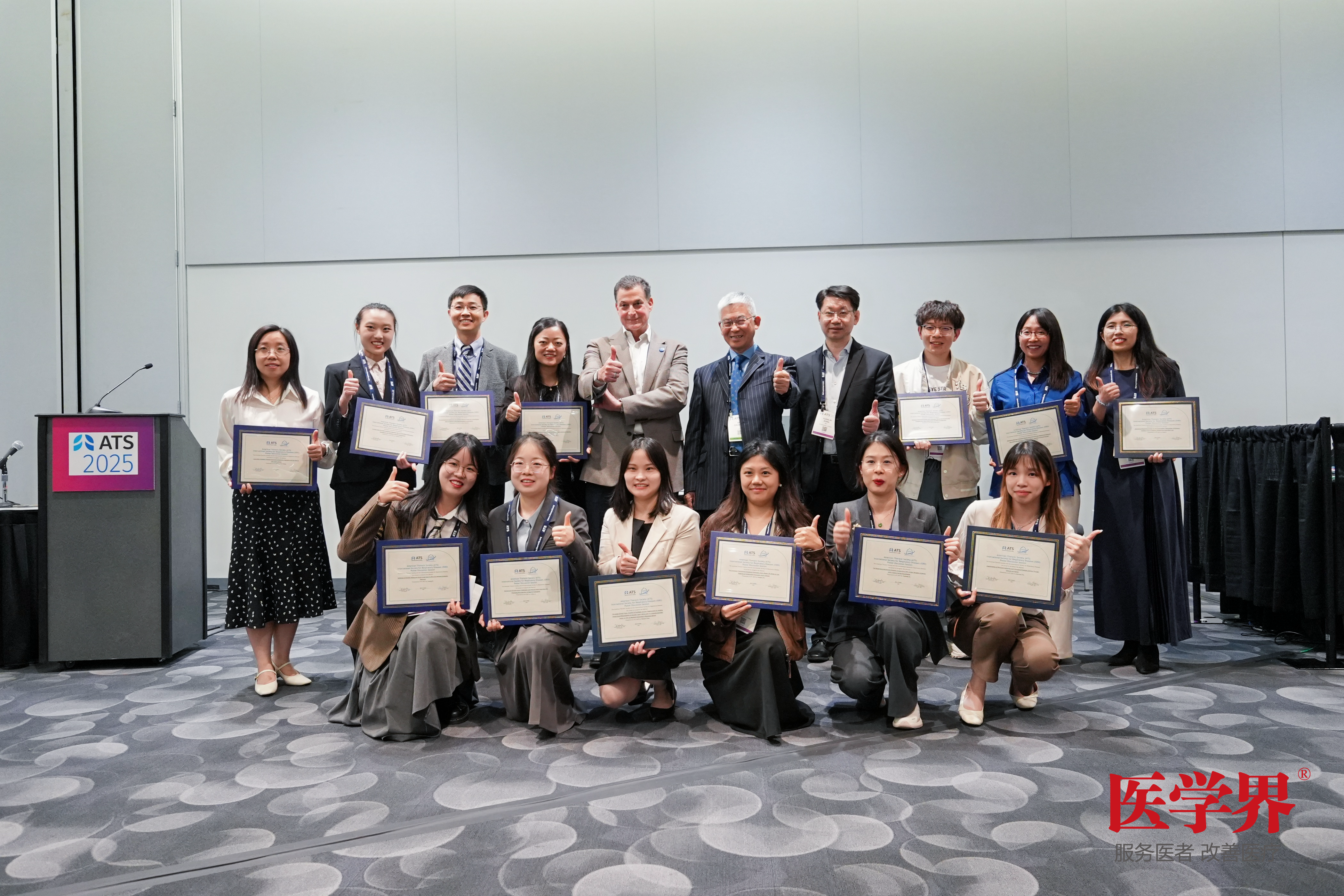
Figure 5. Group photo of ATS-ISRD awardees
ATS Debuts ISRD&IAMM Booth, Demonstrating a New Posture of Open Exchange
At this year's ATS conference, ISRD and the International Association for Metaverse in Medicine (IAMM) jointly set up a booth—ISRD&IAMM Booth—for the first time at the conference center. This significant initiative demonstrates the international influence of Chinese respiratory medicine research, not only providing a professional platform to showcase the latest scientific research achievements in the prevention and treatment of respiratory diseases in China but also strongly promoting in-depth exchanges and cooperation among the global respiratory medicine community.
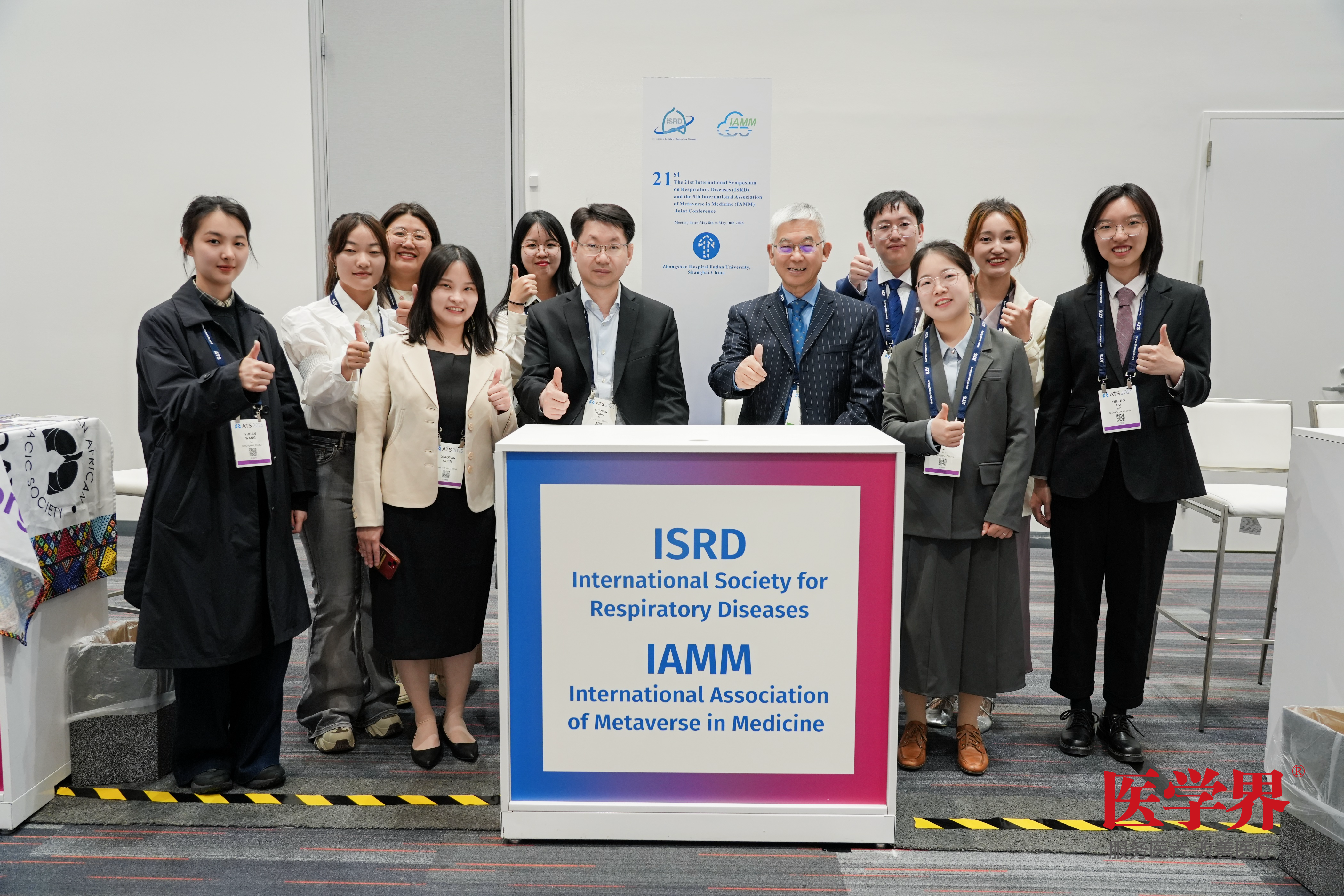
Figure 6. The ISRD&IAMM booth completed
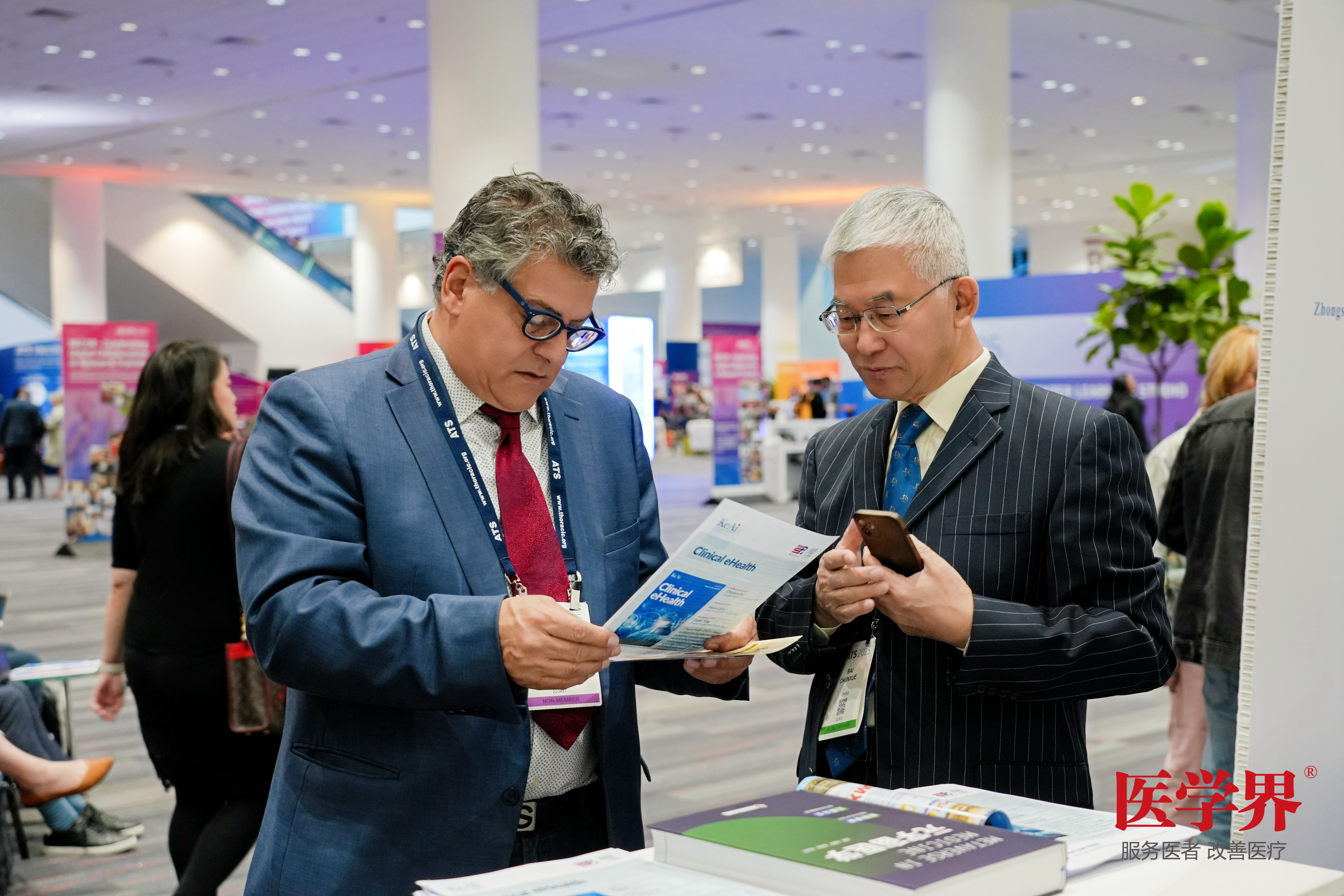
Figure 7. Professor Chunxue Bai exchanging ideas with international scholars
Summary

