


On May 16 (local time), the 122nd ATS International Conference officially opened in Orlando. Thousands of leading specialists, researchers, and healthcare professionals in pulmonary, critical care, and sleep medicine from more than 120 countries came together for this flagship annual scientific event.
In his opening remarks, Conference President Dr. Raed Dweik extended a warm welcome to all attendees. He noted that this year's conference fully embraces the "supercharged" vision proposed by Bill Martin — mobilizing global expertise to accelerate progress in lung disease diagnosis, treatment, and patient care. This vision runs through the conference's frontier exploration of AI, its recognition of distinguished contributors, the mentorship of the next generation of scientists, and its international collaboration and public service initiatives.
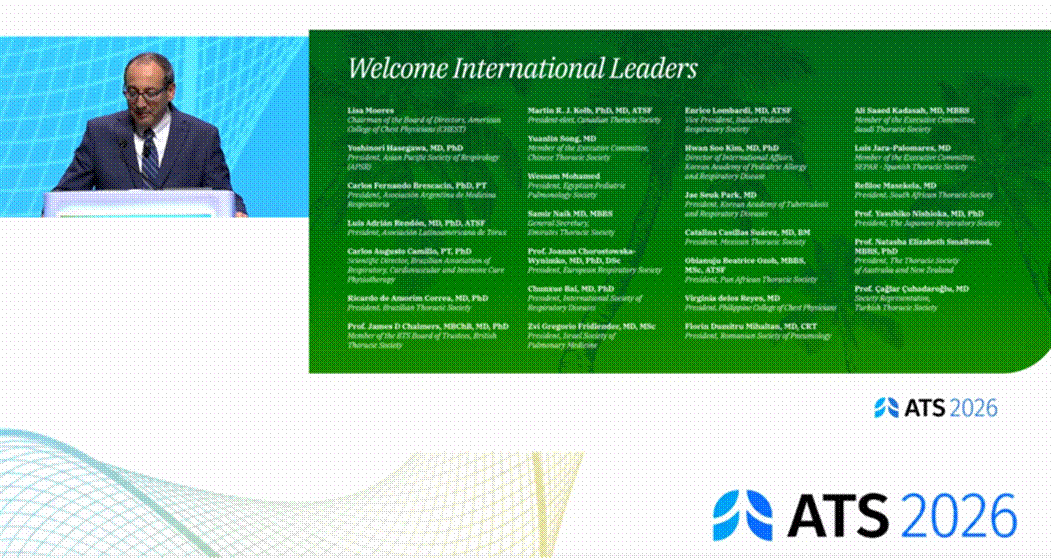
Fig. 1. Conference President with representatives from respiratory societies across the Asia-Pacific, Europe, Africa, Latin America, and other regions.
Keynote Address: A Rational Look at AI and the Future of Healthcare
AI-enabled medicine is the defining theme of ATS 2026. The conference established a dedicated ATS AI Task Force, organized 21 AI-focused academic forums, and set up an exclusive AI Innovation Exhibition Hall — all spotlighting AI applications and breakthroughs in respiratory disease management, critical care, and medical research.
The opening keynote featured Dr. Robert M. Wachter, Chair of the Department of Medicine at the University of California, San Francisco, presenting "How AI Is Transforming Health Care."
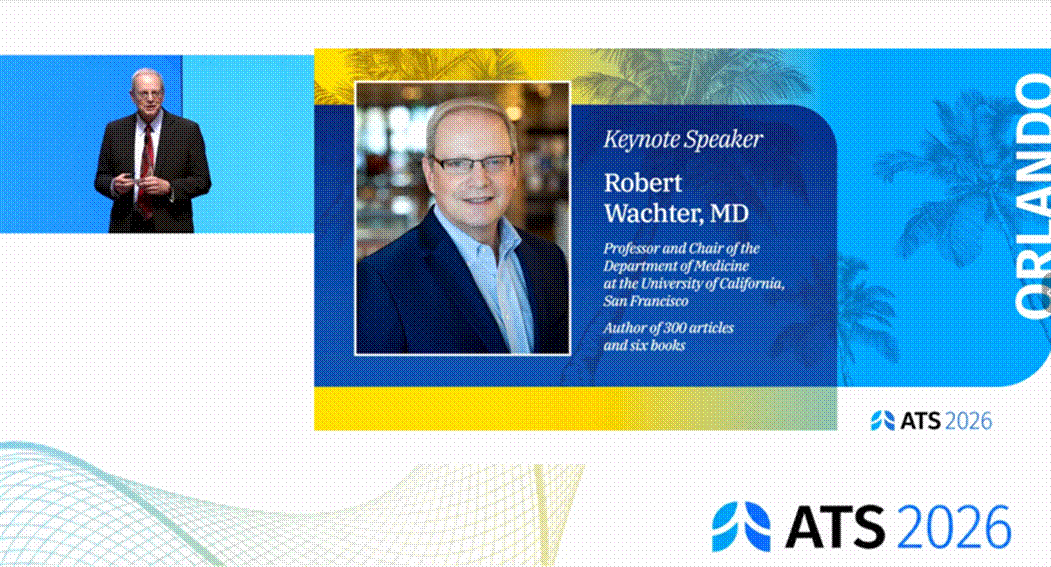
Fig. 2. Dr. Wachter and on-site photos.
As the originator of the "hospitalist" concept and a member of the National Academy of Medicine, Dr. Wachter has spent years studying digital transformation in healthcare, authoring more than 300 peer-reviewed articles and six professional books. His keynote drew on his latest work, A Giant Leap: How AI Is Transforming Healthcare and What That Means for Our Future, informed by in-depth interviews with more than 100 leading practitioners conducted over two years. His talk offered an objective, nuanced assessment of the current state of AI in medicine rather than one-sided enthusiasm for the technology.
Dr. Wachter noted that AI has moved from experimental exploration into routine clinical use, with diagnostic accuracy continuing to improve. However, challenges remain, including hallucination errors and algorithmic bias. Perhaps most surprisingly, AI has achieved a breakthrough in physician-patient communication and empathetic engagement. Looking ahead, AI will form an effective collaborative model with clinicians and serve as a core assistive tool in respiratory and critical care medicine.
Annual Awards: Honoring Dedication and Upholding the Spirit of Medicine
ATS 2026 presented its annual awards at the opening ceremony, recognizing scholars worldwide for outstanding contributions to respiratory medicine across clinical practice, research innovation, public health, and medical humanities.
Public Service Award — Dr. Tyra Bryant-Stephens, Chief Health Equity Officer, Children's Hospital of Philadelphia. Dr. Bryant-Stephens has dedicated her career to community asthma prevention and public health. She founded a community asthma prevention program that connects community health workers and school systems to deliver accessible respiratory disease management, and has long championed public health equity and grass-roots respiratory health promotion across the United States.
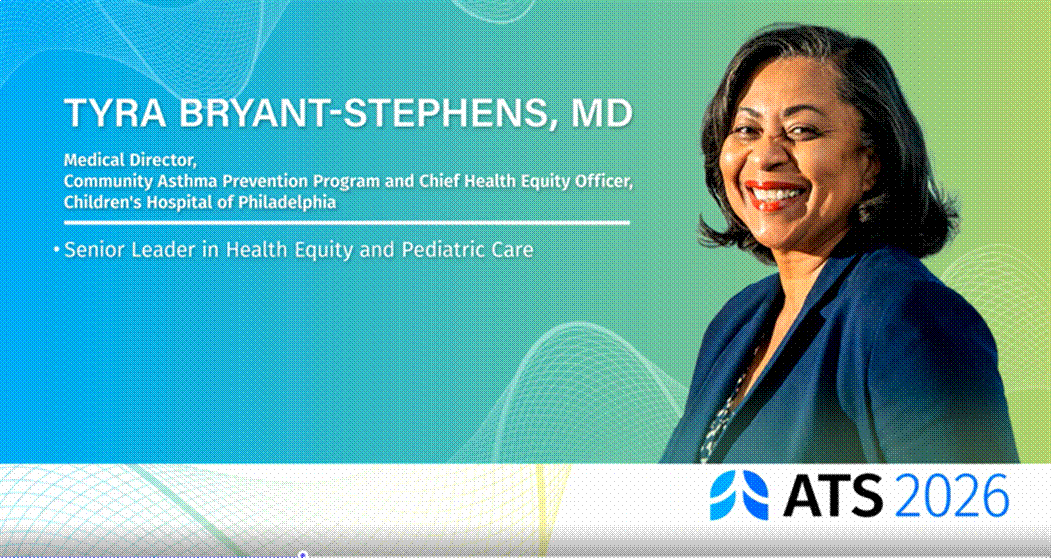
Fig. 3. Profile of Dr. Tyra Bryant-Stephens.
World Lung Health Award — Dr. Payam Nahid, MD, MPH, a core faculty member at the Institute for Global Health Sciences, University of California, San Francisco. Dr. Nahid has devoted his career to tuberculosis (TB) control and global lung health. He led landmark clinical research that produced a four-month short-course TB treatment regimen, now adopted by the U.S. CDC and WHO for global implementation. He has also contributed extensively to global TB prevention policy and the mentorship of young research talent.
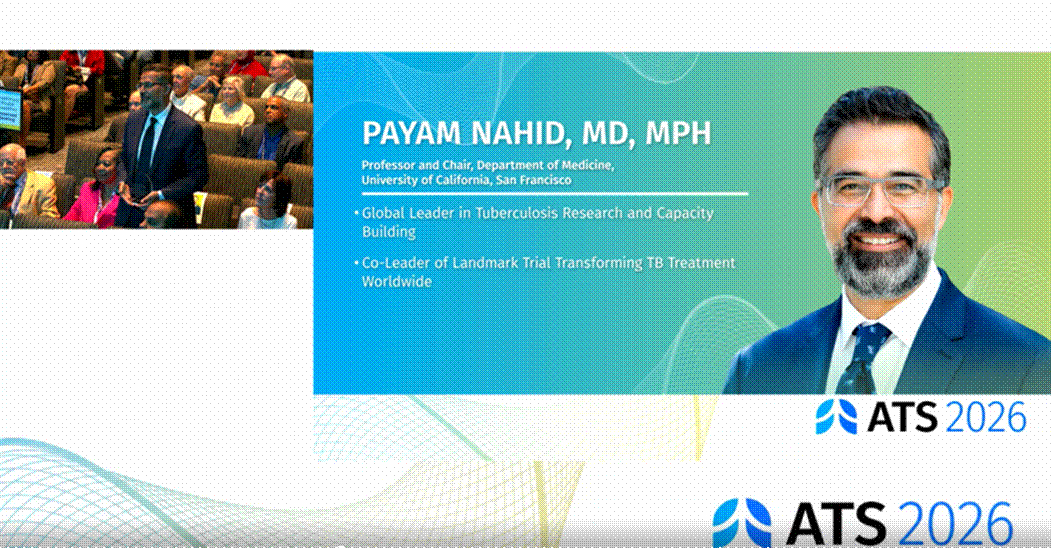
Fig. 4. Profile and on-site photos of Dr. Payam Nahid.
Jay Randall Curtis Humanism Award — Dr. Lynn F. Reinke, PhD, ATSF, Distinguished Professor, University of Utah College of Nursing, and core member of the ATS Board of Directors. Dr. Reinke has focused her research on palliative care for end-stage lung disease and geriatric critical care. She led the development of ATS palliative care practice standards and is an internationally recognized authority on humanistic care and physician-patient communication in pulmonary and critical illness.
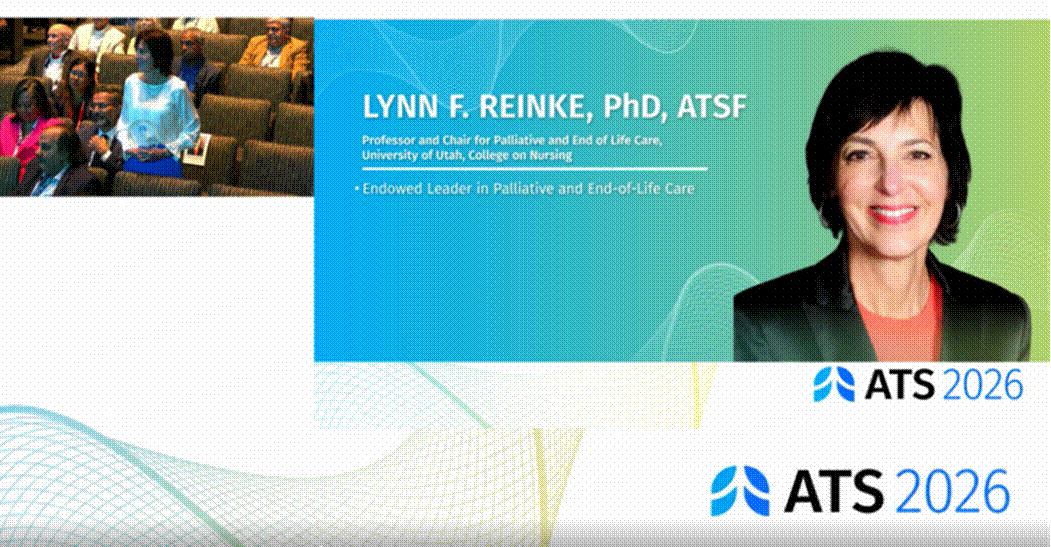
Fig. 5. Profile and on-site photos of Dr. Lynn F. Reinke.
Edward Livingston Trudeau Award — Dr. Charles G. Irvin, PhD, ATSF, a distinguished scholar at the University of Vermont and recipient of the highest honor at ATS 2026. Dr. Irvin has devoted decades to pulmonary physiology and asthma research, publishing more than 260 high-impact papers. He has driven innovations in pulmonary function testing and led multiple key NIH research projects. He has also trained more than 30 clinical and research scientists, laying important groundwork for the development of modern respiratory physiology.
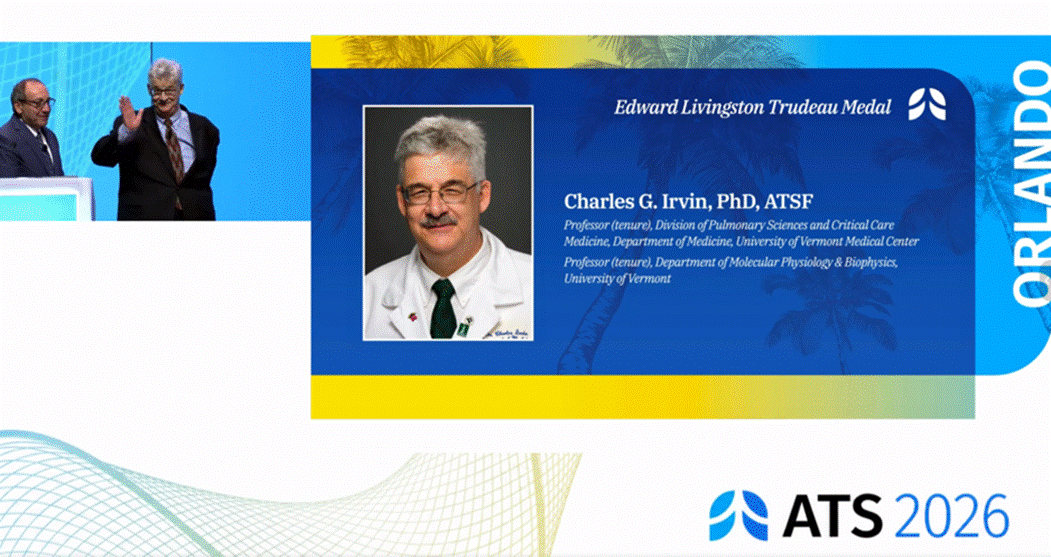
Fig. 6. Profile and on-site photos of Dr. Charles G. Irvin.
Building the Field: Supporting Young Researchers and Expanding Global Reach
Beyond scientific sessions and award ceremonies, this year's conference continued its commitment to disciplinary succession and research capacity building. The opening ceremony announced that the ATS 2026 research grant program has funded 12 early-career research projects totaling USD 800,000. Selected from 99 eligible submissions, the grants focus on supporting emerging researchers in pulmonary, critical care, and sleep medicine. The conference also launched the "Friends of RIoT" charitable fundraising initiative, with the President personally matching all donations — proceeds directed entirely to early-career research support. According to data presented, this research investment generates a 45:1 return to the field.
The conference also formally updated the ATS Fellow (ATSF) designation system and recognized 92 new ATSF members on-site. ATSF represents one of the highest honors in respiratory medicine, awarded to practitioners who have made outstanding contributions in clinical practice, research, and public health. Fewer than 700 active members hold the designation worldwide. Candidates must maintain continuous ATS membership for five years and pass a rigorous review process.
ATS 2026 opened with a clear focus on four pillars: technological innovation, talent development, international collaboration, and medical humanities. The conference demonstrated the transformative potential of AI in respiratory medicine while honoring the sustained contributions of generations of clinicians and researchers. In the days ahead, the conference will continue to deliver cutting-edge research findings, clinical advances, and forward-looking perspectives, driving high-quality development in global pulmonary, critical care, and sleep medicine.

