


In the United States, most medical students enter school in their early 20s, earn a doctorate before 30, and then spend three to seven years in residency. Dawn Zuidgeest-Craft is an exception. She entered medical school at 69, is expected to receive her MD at 72, and will turn 73 in July, the same month she begins residency training in family medicine.
If she completes the program successfully, she will be 76 when she becomes independently licensed. According to her daughter, Good Morning America meteorologist Ginger Zee, Zuidgeest-Craft may set a Guinness World Record as the oldest woman to graduate with a medical degree.
The news quickly triggered debate in US medical circles and on social media. Some saw it as proof that it is never too late to pursue a dream. Others asked whether training someone who will practice in her 70s wastes educational and medical resources.
A childhood dream delayed by family life
Zuidgeest-Craft was born into a blue-collar family in Levittown, New York. At age 7, she decided she wanted to become a doctor. But in the United States of the 1950s and 1960s, many women were expected to marry and raise children rather than enter demanding professions.
After earning a nursing degree, she became a neonatal intensive care unit nurse. In her spare time, she studied premedical courses and prepared for medical school. Marriage and children soon put that plan on hold.
At 35, after a divorce, she restarted the dream and took the Medical College Admission Test. One medical school invited her for an interview and praised her overall qualifications, but recommended that she complete additional prerequisites before applying again.
Then she met her second husband. She planned to finish the coursework after marriage and enter medical school around age 40, but the couple faced infertility. Fertility treatment became the priority. When she finally became pregnant at 49, she accepted what seemed inevitable: the physician dream might never happen.
The turning point came in 2020, when an accident nearly took her husband's life. After that crisis, the couple discussed how they wanted to spend the rest of their lives. Her husband wanted to travel the world. She said, 'I want to study medicine.' He agreed without hesitation.
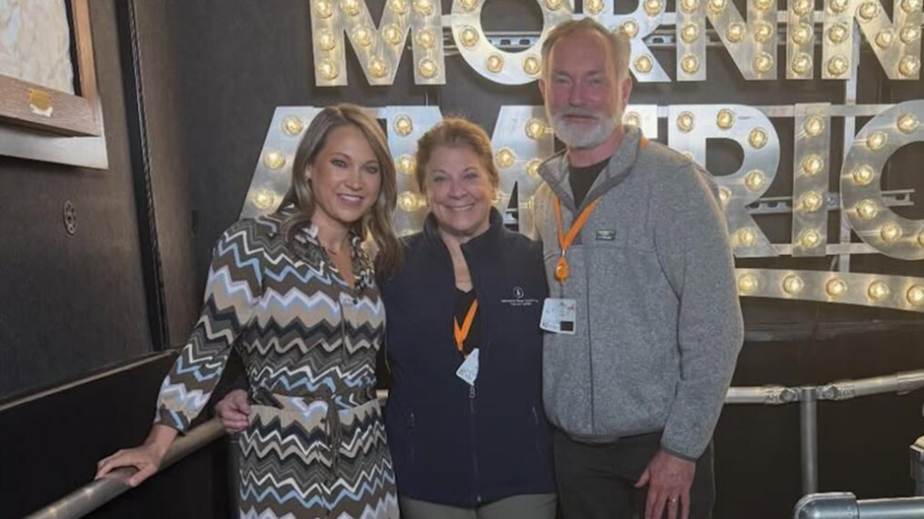
In 2022, at 69, she enrolled at Saint James School of Medicine's Anguilla campus in the Caribbean. During two years of basic sciences, she studied while she and her husband enjoyed island life. She then completed clinical rotations in Chicago, New York State, and South Texas.
Dream chasing or resource waste?
On Reddit's medical forums, the discussion was intense. Supporters argued that Zuidgeest-Craft is not a late-life newcomer with no clinical background. She has 45 years of NICU experience, was among the early US neonatal nurse practitioners, and has independently led critical neonatal care, including intubation, chest tube placement, and lumbar puncture.
Before medical school, she had three health-related bachelor's degrees and graduate-level coursework. One 72-year-old emergency physician wrote that she was essentially missing only a physician license, and that family medicine faces a serious workforce shortage. If she wishes, supporters argued, she could still practice for a decade.
Critics focused on stamina and return on investment. Residency can require overnight call, long shifts, and sustained high stress. They questioned whether someone in her 70s could complete training and whether her acceptance displaced a younger trainee. Even her family initially opposed residency, but her daughter said her mother remained determined.
Older medical students are no longer rare in North America and Europe. According to data cited from the Association of American Medical Colleges, students over 30 accounted for 2.6% of new entrants in the 2025-2026 academic year, and the oldest entrant was 60. From 2000 to 2020, 1,143 people older than 40 entered US medical schools.
The AAMC has described a common profile among such students: prior work experience, clear goals, strong resilience, and more mature communication skills. Admissions leaders have also said older students often understand the physician role more clearly because they know why they are there.
What a 45-year nurse saw inside medical education
Zuidgeest-Craft's story matters not only because of her age, but because she brings a rare perspective: a senior NICU nurse reentering classrooms and wards as a medical student.
In a STAT essay, she wrote that both nursing and physician training have blind spots. Nursing education, she argued, lacks enough core medical science, including anatomy, physiology, genetics, biochemistry, and microbiology. For her, histology, microscopic anatomy, and evidence-based practice are central foundations of clinical work.
At the same time, she saw weaknesses in physician training: core curricula have changed little over decades, cover broad material without enough targeting, and may not give students enough long-term bedside experience. She cited feeding intolerance in the NICU as an example. Experienced nurses notice subtle post-feeding changes that can signal necrotizing enterocolitis early; physicians may sometimes depend on nurses to point out those changes.
That type of clinical sensitivity, she said, cannot be learned from lectures alone. It requires sustained bedside practice. She hopes that older students with extensive real-world experience can help push medical education toward more focused curricula and better training models.
Her residency begins on July 1. She plans to write a column documenting the experience and says she hopes not only to care for patients, but also to contribute to the improvement of medical training.

