


A 25-year-old female patient with a history of two liver transplants and 11 years of type 1 diabetes, who had to have a pancreatic transplant in 2017 only to have the graft removed due to a blood clot, might not have had a favorable prognosis if not for trying the most cutting-edge stem cell regenerative therapy at Tianjin First Center Hospital.
On September 25th, the research group from Tianjin First Center Hospital led by Shen Zhongyang and Wang Shusen, in collaboration with Deng Hongkui's team from Peking University/Changping Lab, published a groundbreaking article in the top journal Cell, announcing the world's first clinical functional cure of type 1 diabetes through innovative stem cell islet transplantation. The patient no longer required exogenous insulin treatment during the 1-year follow-up period.
Type 1 diabetes typically occurs in children and adolescents, and if not effectively controlled, can lead to severe complications and even be life-threatening. Although islet transplantation for diabetes has achieved good clinical outcomes over the past decades, the severe shortage of human pancreatic donors has severely limited its widespread application.
Regenerative islet transplantation, derived from a patient's own cells, holds the promise of completely solving this problem.
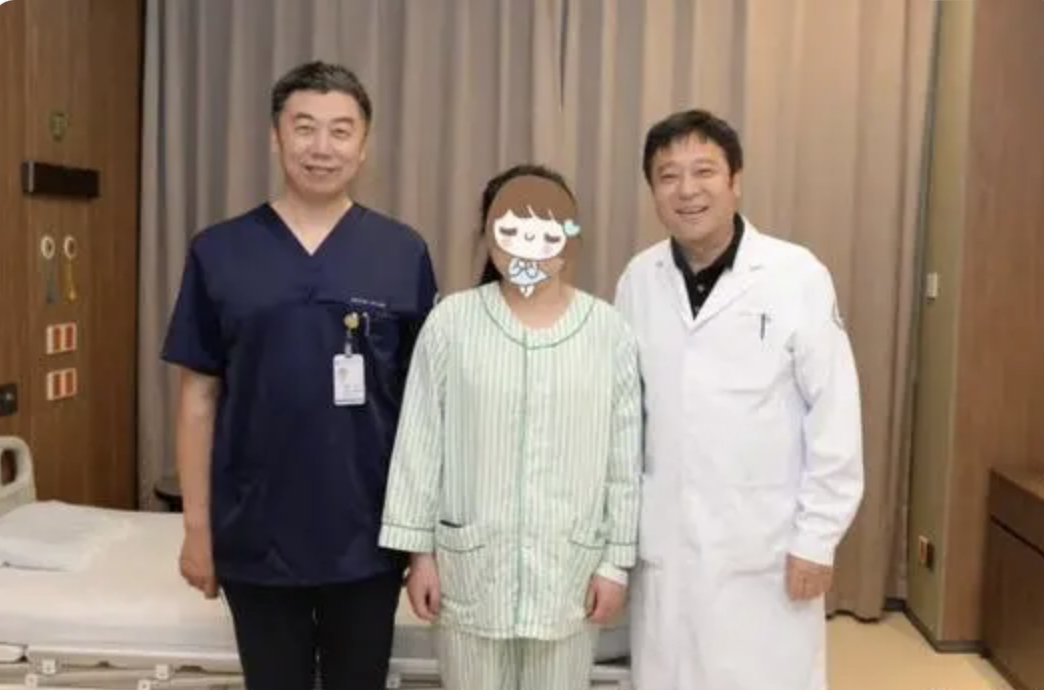
Expert and Patient Group Photo
Break Free from Insulin, Achieve Functional Cure!
Relevant statistical data shows that there are millions of patients with type 1 diabetes in our country, who cannot be cured and can only rely on lifelong insulin injections and hypoglycemic medications to control blood sugar and maintain life. However, precise blood sugar regulation remains a challenge, and the risk of diabetic complications persists, including microvascular, macrovascular, and neurological changes that are difficult to prevent.
For the patient enrolled in this trial, the situation is much more severe.
According to researchers, the 25-year-old female patient had a history of cryptogenic liver cirrhosis and underwent two liver transplants in 2014 and 2016. At the same time, she was diagnosed with type 1 diabetes in 2012 and, due to poor long-term blood sugar control, a year after the liver transplant in 2017, doctors performed a whole pancreas transplant for her.
Pancreas transplantation and islet transplantation are among the treatments for type 1 diabetes, but they are not perfect solutions. Due to a series of pain points, such as the need for long-term immunosuppressive medication and scarcity of donors, this treatment strategy is limited to the most severe cases.
In fact, after completing the whole pancreas transplant, the patient had to have her pancreatic graft removed due to severe thrombotic complications a year later. Before going to Tianjin First Center Hospital, the plasma C-peptide level in her body, which reflects islet cell function, was below the detection limit, and her glycated hemoglobin was above the normal standard.
Although she has received multiple rounds of intensive hypoglycemic treatment, the patient's blood sugar control has never met the standard, with large blood sugar fluctuations and severe hypoglycemic hazards. In the past year, she has experienced three severe hypoglycemic events.
Initially, the patient could only undergo islet transplantation again, but after the doctor's assessment, she tested positive for related antigens, meaning that allogeneic transplantation would face a serious risk of rejection and a high failure rate. After multidisciplinary discussions by the endocrinology and transplant center, and with the patient's informed consent, the doctor decided to carry out a brand-new autologous stem cell islet transplantation for her.
The principle of this transplantation method is based on the characteristic of pluripotent stem cells (PSC) to infinitely proliferate and differentiate into all functional cell types in the organism. Professor Deng Hongkui, the developer of this technology, recently won the Future Science Prize, known as the "Chinese Nobel Prize" in August this year, for his contribution of "pioneering 'chemical-induced pluripotent stem cells' (CiPSC), an outstanding achievement in changing the fate and state of cells."
On June 25, 2023, under the guidance of ultrasound, the research team injected islets differentiated from CiPSC into the patient's body. At the same time, to avoid the onset of autoimmune diseases that could attack the new islets, doctors also carried out preventive rejection treatment in advance.
Within two weeks after the transplant, the patient's daily insulin injection dosage began to decrease. Starting from the 18th day after the surgery, the downward trend gradually stabilized until the 75th day when the patient completely got rid of insulin, with the therapeutic effect stable for over a year. Meanwhile, her fasting blood sugar also continued to decrease and was maintained within the normal range.
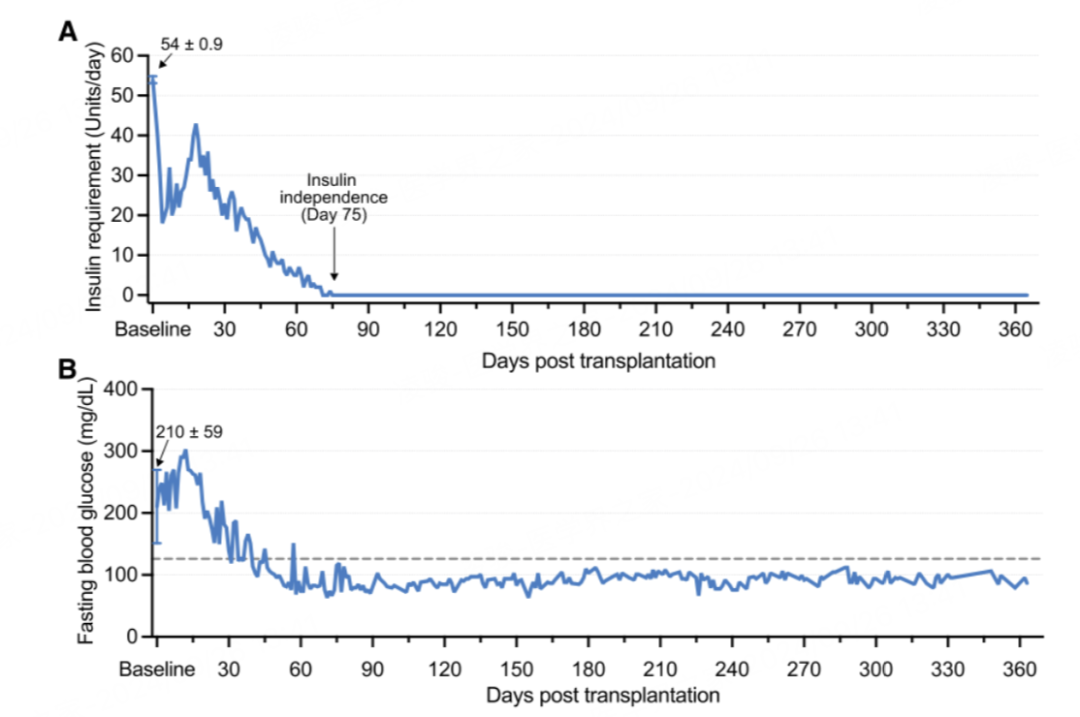
After the transplantation, the patient's insulin dosage continued to decrease until it was no longer required (as shown in the upper graph); the fasting blood glucose levels remained stable within the normal range over a long period of time (as shown in the lower graph).
In the "glucose tolerance" test, doctors observed her condition before and after the injection of glucose. Preoperatively, the patient's blood sugar soared within three hours after the injection of glucose, indicating that her islet β-cell function had been completely destroyed. After the transplant, even with the injection of glucose, the patient's blood sugar remained stable.
It is worth mentioning that this treatment also used the new islet transplantation strategy of "subtransplantation under the anterior sheath of the rectus abdominis muscle." Compared with the traditional method of intraportal injection transplantation, this plan is less invasive, easier to operate, and the transplanted islet cells are more likely to survive and function in the long term.
"The results show that further clinical research on CiPSC-islet transplantation for the treatment of type 1 diabetes is guaranteed!" researchers said. It is understood that currently, three patients are participating in this trial, and the other two have also completed treatment, with data still being organized and analyzed.
Stem Cells, the New Hope for Diabetes Treatment?
The research outcome this time is not the result of a single effort. Although the treatment plan adopted is a global first, through similar principles, the academic community has made significant breakthroughs in the cure of diabetes over the years.
Pluripotent stem cells, including induced pluripotent stem cells (iPSCs) and embryonic stem cells (nESCs), provide a source of renewable human cells during early developmental stages and have the potential to form any cell type in the adult body. As early as 2006, Professor Shinya Yamanaka of Kyoto University discovered how to rejuvenate adult cells, inducing them back to a state similar to early embryonic development, creating iPSCs, and was awarded the Nobel Prize in Physiology or Medicine in 2012 for this work.
Professor Hongkui Deng has also been working in this field for over 20 years. In 2013, he published in the journal Science, proving that mouse somatic cells could be reprogrammed into pluripotent stem cells through chemical methods alone. Professor Deng remembers that once the research was published, the global regenerative medicine field was shaken—never could they have imagined that reprogramming could be achieved through such a simple method.
In 2022, after countless failures, Professor Deng's team finally successfully replicated the process in humans, with the research published in Nature. Compared to traditional induction methods, this new technology does not require genomic manipulation, making it not only more convenient but also avoiding safety hazards.
In addition to treating type 1 diabetes, the newly differentiated islets can also be applied to patients with type 2 diabetes who have islet function failure.
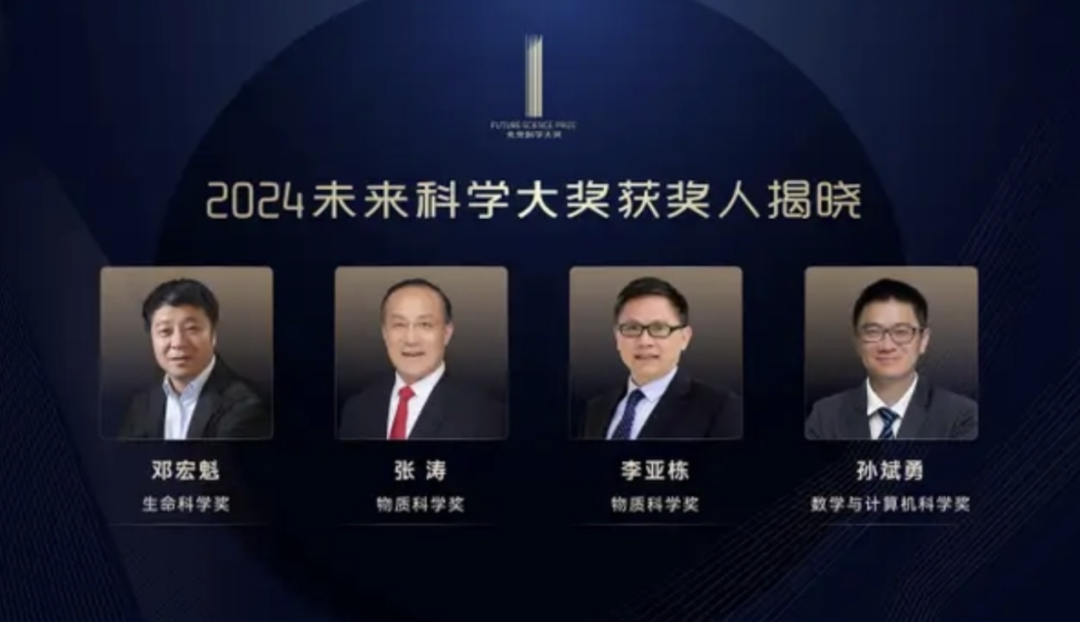
professor Deng Hongkui has been awarded the "Life Science Award" of the Future Science Prize 2024
Professor Xin's team at the Center for Excellence in Molecular Cell Science at the Chinese Academy of Sciences is also a leader in this field. They have developed a new type of "endoderm stem cells (EnSC)" that successfully created islet tissue in vitro. In April of this year, the team and scholars from the Shanghai Changzheng Hospital jointly published their research results in Cell Discovery, announcing the global first successful treatment of a severe type 2 diabetes patient with autologous regenerated islets derived from iPSCs.
Internationally, this field is also developing rapidly. In June of this year, the American biotechnology giant Vertex announced significant progress in its stem cell therapy VX-880, with seven out of ten type 1 diabetes patients no longer requiring insulin, two patients reducing their medication by 70%, and all patients' blood sugar levels being controlled.
Different from the domestic treatment strategies mentioned earlier, VX-880 uses allogeneic stem cells, that is, "someone else's," which has the advantage of being able to be prepared in advance and is expected to achieve "universality." However, compared with autologous stem cell transplantation, allogeneic transplantation may also carry a higher risk of immune rejection.
It is worth mentioning that in June of last year, the U.S. Food and Drug Administration (FDA) approved the first cell therapy for type 1 diabetes, Lantidra, which is not a stem cell therapy, but the therapy uses islet cells from deceased donors, and in clinical trials, 33% of patients have not needed insulin for more than five years.
On the other hand, the use of mesenchymal stem cells (MSCs) to repair islets also provides an opportunity for the treatment of early-onset type 1 diabetes, with several studies underway.
However, due to the risk of immune rejection, carcinogenicity, and other issues, these cutting-edge studies are currently only allowed to be carried out in a small number of severe patients. For example, to avoid rejection reactions, Vertex of the United States has adopted strategies such as "encapsulating" transplanted islets and gene editing, but whether these can be effective and whether additional operations will increase safety risks still need long-term verification.
As for the "autologous transplantation" carried out by the First Central Hospital of Tianjin this time, since the patient's type 1 diabetes is an autoimmune disease, the immune system may still attack the new "autologous islets," and immunosuppressive programs may still need to be adopted.
"But because this patient had received a liver transplant before and was already on immunosuppressants, our understanding of the immune situation after isolated stem cell islet transplantation is still limited," researchers pointed out.
Reference:
1. In vitro beta-cell killing models using immune cells and human pluripotent stem cell-derived islets: Challenges and opportunities
https://www.frontiersin.org/journals/endocrinology/articles/10.3389/fendo.2022.1076683/full
2.Current status of stem cell therapy for type 1 diabetes: a critique and a prospective consideration
https://stemcellres.biomedcentral.com/articles/10.1186/s13287-024-03636-0
3.First case of chemically reprogrammed islet transplantation achieves functional cure https://baijiahao.baidu.com/s?id=1811231869613294624&wfr=spider&for=pc
4.90% of patients reduce insulin use! Stem cells may be the future cure for diabetes https://www.thepaper.cn/newsDetail_forward_27923999"There is still a long way to go," said Professor Guo Shan of the Organ Transplantation Science at Shanghai Changzheng Hospital, who is also the academic leader in the field. The existing research results are still preliminary, and more cases need to be accumulated, and more in-depth clinical trials need to be carried out to further analyze, in order to truly give the long-term insulin-dependent diabetic patients a new cure.

