


The ESMO 2026 Annual Meeting was held Oct 23 to 27, 2026, in Madrid, Spain. On Oct 24, Prof. Binghe Xu of the National Cancer Center, Chinese Academy of Medical Sciences, presented the interim results of the randomized phase 3 KN026-003 (Healer) study (LBA15), comparing anbenitamab plus HB1801 with trastuzumab, pertuzumab and docetaxel (THP) as first-line treatment for HER2-positive advanced breast cancer.
Article Key Points
- Phase 3, n=885: anbenitamab plus HB1801 versus THP as first-line therapy for HER2-positive advanced breast cancer
- Primary endpoint met: BIRC median PFS not reached versus 14.3 months (HR 0.46, 95% CI 0.37-0.56)
- Investigator-assessed PFS was consistent with the BIRC result (HR 0.52, 95% CI 0.43-0.64)
- BIRC-confirmed ORR 87.6% versus 73.4%; median DoR not reached versus 16.6 months
- OS data are immature, with an OS benefit trend observed in the anbenitamab arm
- Grade 3 or higher TEAEs 45.9% versus 34.4%; neutropenia was the most common grade 3 or higher hematologic event
- Any-grade TEAEs 100% versus 98.9%; serious adverse events 20.0% versus 16.2%
- Treatment-related deaths were reported in 2 patients (0.5%) in each arm
- Evidence status: presented as LBA15 at ESMO 2026 and published simultaneously in NEJM; peer reviewed
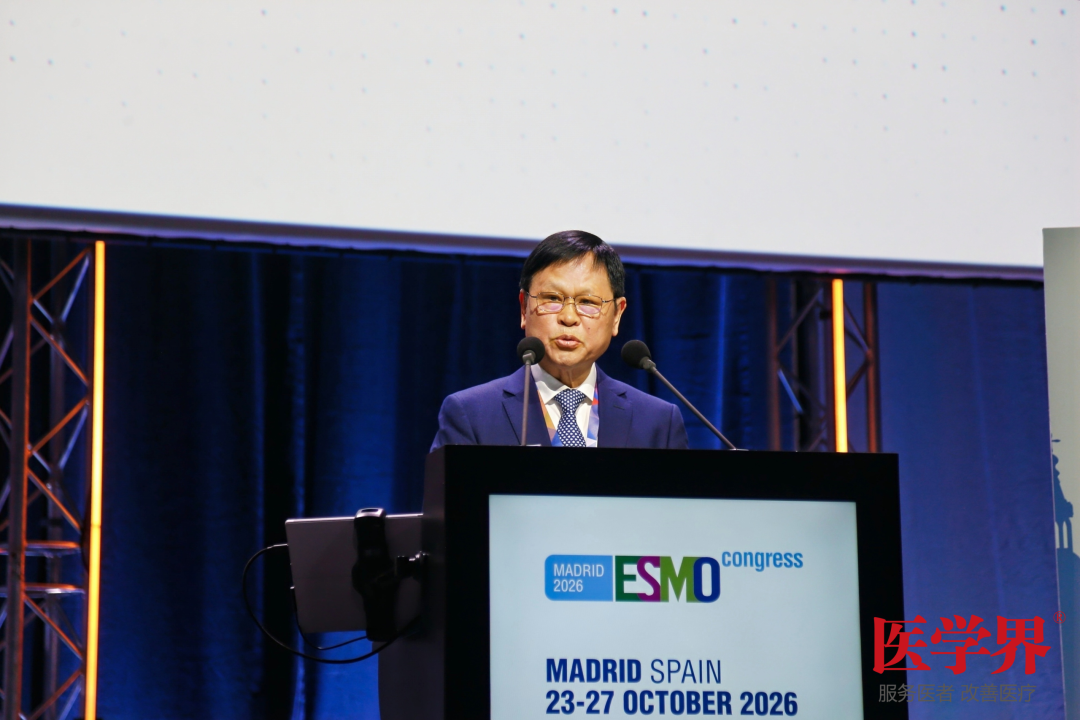 Fig.1. Prof. Binghe Xu Presenting the KN026-003 Interim Results at the ESMO 2026 Meeting
Background: An Unmet Need After the THP Standard
First-line therapy for HER2-positive advanced breast cancer is built on the THP regimen of a taxane plus trastuzumab and pertuzumab, an established standard. Metastatic disease nevertheless remains incurable, and close to half of patients progress within two years, creating a need for more effective strategies.
Anbenitamab (KN026) is a HER2-targeting bispecific antibody that binds two non-overlapping HER2 epitopes, blocking HER2 signaling, promoting receptor internalization and downregulating cell-surface HER2 expression while retaining antibody-dependent cellular cytotoxicity. HB1801 is an albumin-bound formulation of docetaxel that encapsulates the drug in human serum albumin and contains neither polysorbate 80 nor ethanol. The study was designed to evaluate whether the anbenitamab plus HB1801 combination improves on THP in this population.
Study Design
This was a multicenter, randomized, open-label phase 3 trial in patients with histologically confirmed HER2-positive advanced breast cancer who had not received chemotherapy or HER2-directed therapy for advanced disease. Patients were randomized 1:1 to anbenitamab plus HB1801 or to THP, with stratification by prior adjuvant or neoadjuvant therapy, hormone receptor status and the presence of visceral metastases. HER2-positive disease was defined as IHC 3+ or IHC 2+/ISH-positive.
The primary endpoint was progression-free survival (PFS) assessed by a blinded independent review committee (BIRC). Secondary endpoints included investigator-assessed PFS, objective response rate (ORR), duration of response (DoR), overall survival (OS) and safety.
Efficacy: PFS and Response
At the April 30, 2026 prespecified interim data cutoff, 401 PFS events had occurred. Overall, 885 patients were randomized, with 445 in the anbenitamab group and 440 in the THP group. Median PFS by BIRC assessment had not been reached in the anbenitamab group (95% CI 24.9-NE) versus 14.3 months in the THP group (95% CI 12.4-16.4), corresponding to a hazard ratio (HR) of 0.46 (95% CI 0.37-0.56; P=6.37×10⁻¹⁵), a 54% reduction in the risk of disease progression or death. Investigator-assessed PFS was consistent, with an HR of 0.52 (95% CI 0.43-0.64).
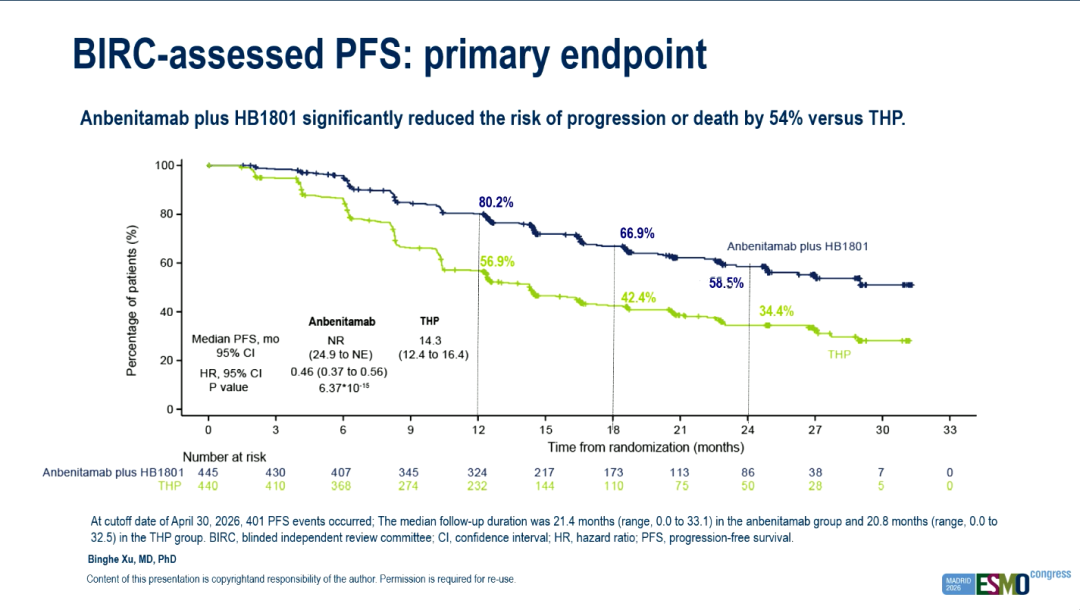 Fig. 2. Progression-free Survival by Blinded Independent Review Committee
BIRC-confirmed ORR was 87.6% with anbenitamab plus HB1801 and 73.4% with THP. Median DoR had not been reached in the anbenitamab group (95% CI 27.0-NE) versus 16.6 months in the THP group (95% CI 12.5-20.8). OS data were not yet mature, although a trend toward OS benefit was observed in the anbenitamab arm.
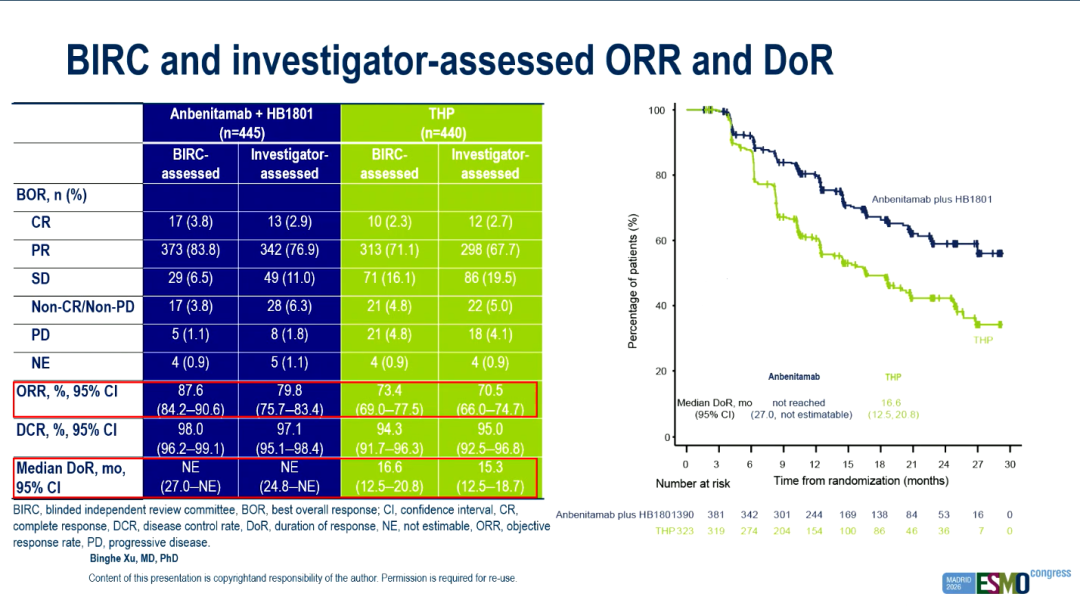 Fig.3. Objective Response Rate and Duration of Response by BIRC and Investigator Assessment
Safety
The safety population included 444 patients in the anbenitamab plus HB1801 group and 439 in the THP group. Any-grade treatment-emergent adverse events (TEAEs) occurred in 100% and 98.9% of patients, respectively, and grade 3 or higher TEAEs in 45.9% (204 patients) and 34.4% (151 patients).
TEAEs leading to dose reduction occurred in 11.0% and 3.9% of patients, TEAEs leading to treatment interruption in 22.1% and 16.6%, and TEAEs leading to treatment termination in 5.2% and 3.4%. Serious adverse events occurred in 20.0% and 16.2%. Two patients (0.5%) in each group had TEAEs that resulted in death.
The most common TEAEs in the anbenitamab plus HB1801 group were anemia, diarrhea, alopecia, alanine aminotransferase (ALT) increase and aspartate aminotransferase (AST) increase; in the THP group, leukopenia, weight increase, fatigue and peripheral edema were relatively more frequent. The most common grade 3 or higher hematologic TEAE was neutropenia, reported in 13.1% and 8.4% of patients. No new safety signals were observed.
Conclusions
The investigators concluded that anbenitamab plus HB1801 significantly improved PFS over THP as first-line treatment for HER2-positive advanced breast cancer, with a clinically meaningful magnitude of benefit and favorable ORR and DoR, and that overall safety was manageable. OS follow-up is ongoing, and the final survival conclusion awaits further maturation.
Reference
[1]Xu B, et al. Anbenitamab plus albumin-bound docetaxel in patients with HER2-positive advanced breast cancer: A randomized phase III study. 2026 ESMO Congress.

