


The 2025 European Society for Medical Oncology (ESMO) Congress is being held from October 17 to 21 in Berlin, Germany, presenting the latest clinical research advances and academic achievements in oncology to global experts, scholars, and professionals.
On the afternoon of October 17, data from a study led by Dr. Tony Mok from the Faculty of Medicine at The Chinese University of Hong Kong were presented: the final overall survival (OS) and safety analysis of the Phase III ALEX study, comparing alectinib versus crizotinib in previously untreated patients with advanced ALK-positive non-small cell lung cancer (NSCLC) (Abstract #: LBA73).
Previously, this study had already led to the global approval of alectinib as a first-line treatment for advanced ALK-positive NSCLC, based on its significant progression-free survival (PFS) benefit.
Final ALEX Study Results: Alectinib Delivers Long-Term Survival Benefit
Study Background
The ALEX study (NCT02075840) is a randomized, open-label, Phase III multicenter study designed to directly compare the efficacy and safety of the next-generation ALK inhibitor alectinib with the first-generation standard drug crizotinib in treatment-naïve patients with advanced ALK-positive NSCLC. Previously reported data showed that alectinib significantly extended median PFS to 34.8 months, far exceeding the 10.9 months observed with crizotinib. However, the OS data were immature at that time.
This final OS analysis provides definitive evidence of whether the drug can bring long-term survival benefits to patients.
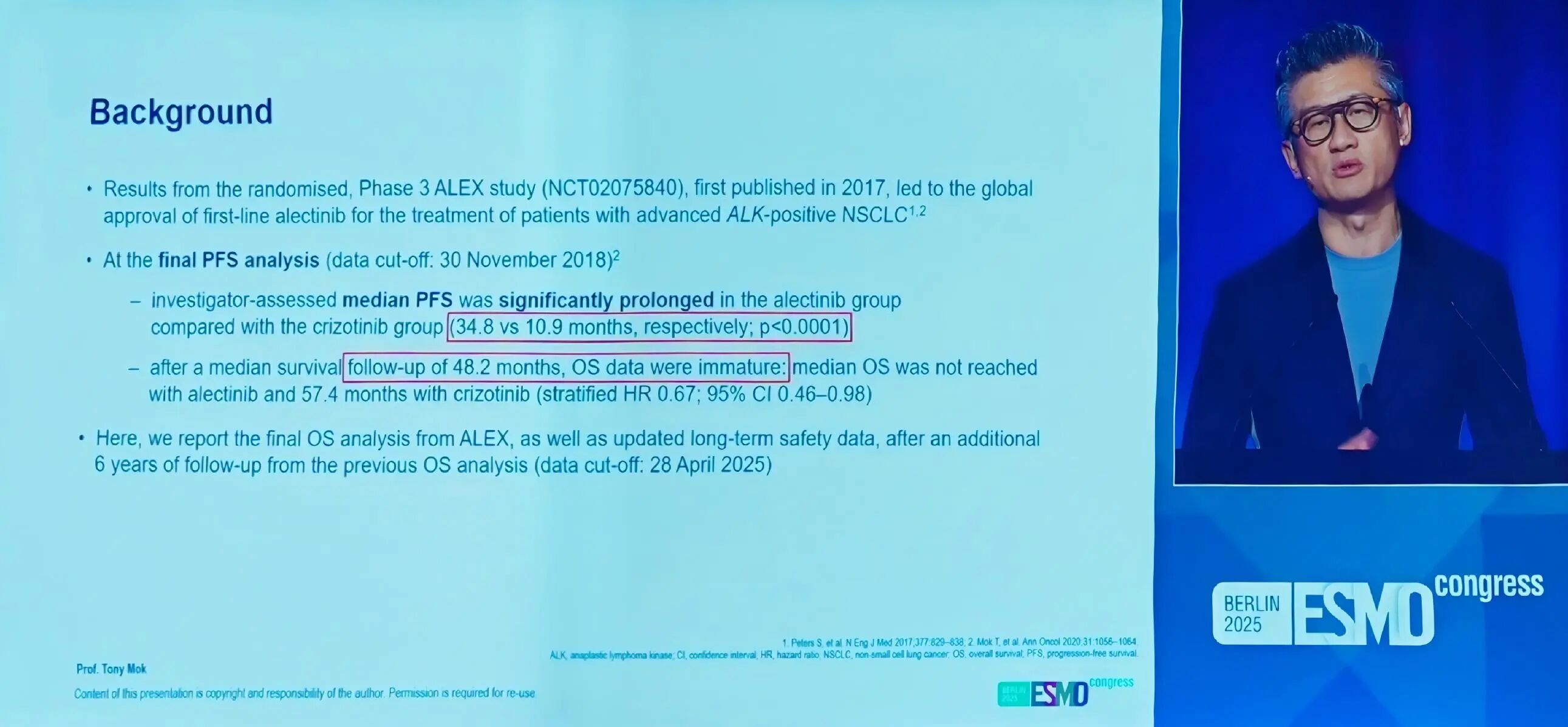 Figure 1: Study Background
Study Method
The ALEX study enrolled patients aged ≥18 years with previously untreated advanced ALK-positive NSCLC, randomly assigning them in a 1:1 ratio to receive either alectinib (600 mg, twice daily) or crizotinib (250 mg, twice daily). Treatment continued until disease progression, unacceptable toxicity, withdrawal, or death (crossover before progression was not permitted). Stratification factors included ECOG performance status (0/1 vs. 2), race (Asian vs. non-Asian), and baseline central nervous system (CNS) metastases (present vs. absent). Key secondary endpoints included overall survival (OS), duration of response (DoR), and safety.
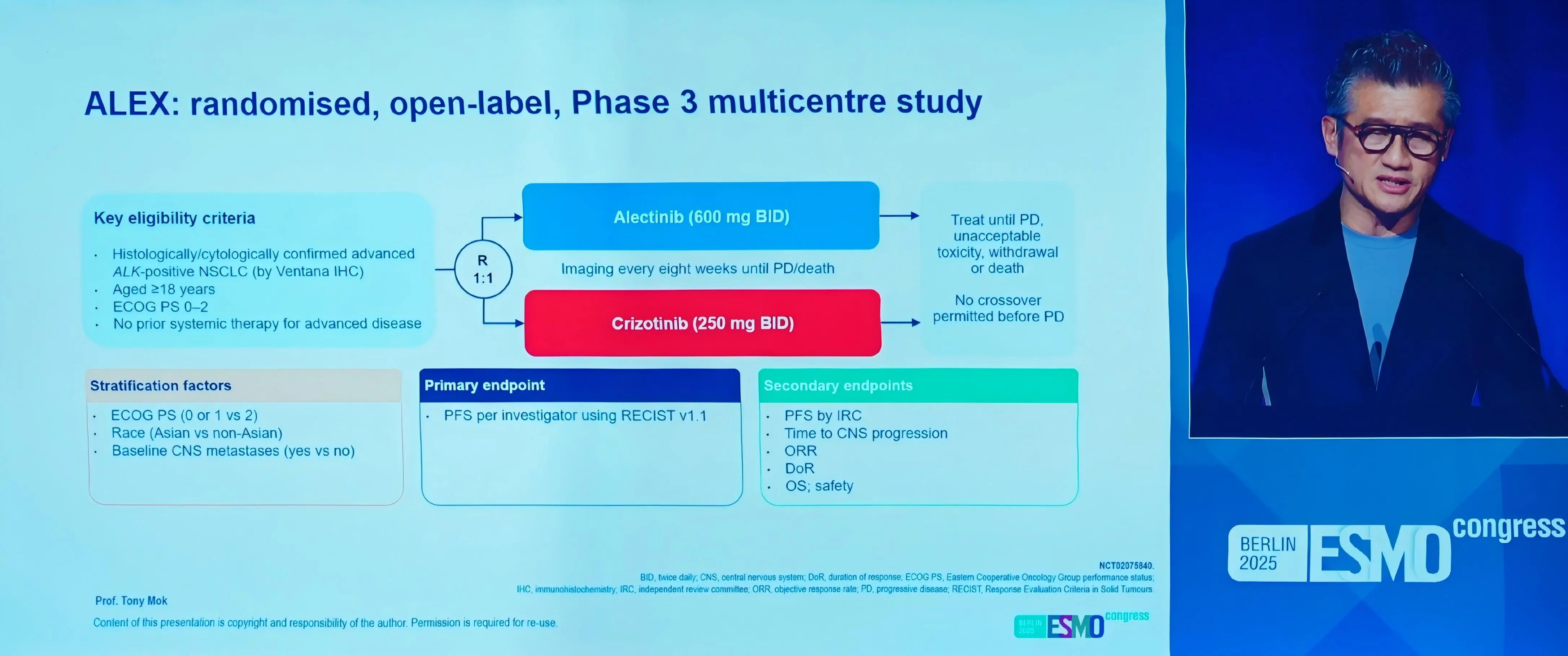
Figure 2: ALEX Study Design
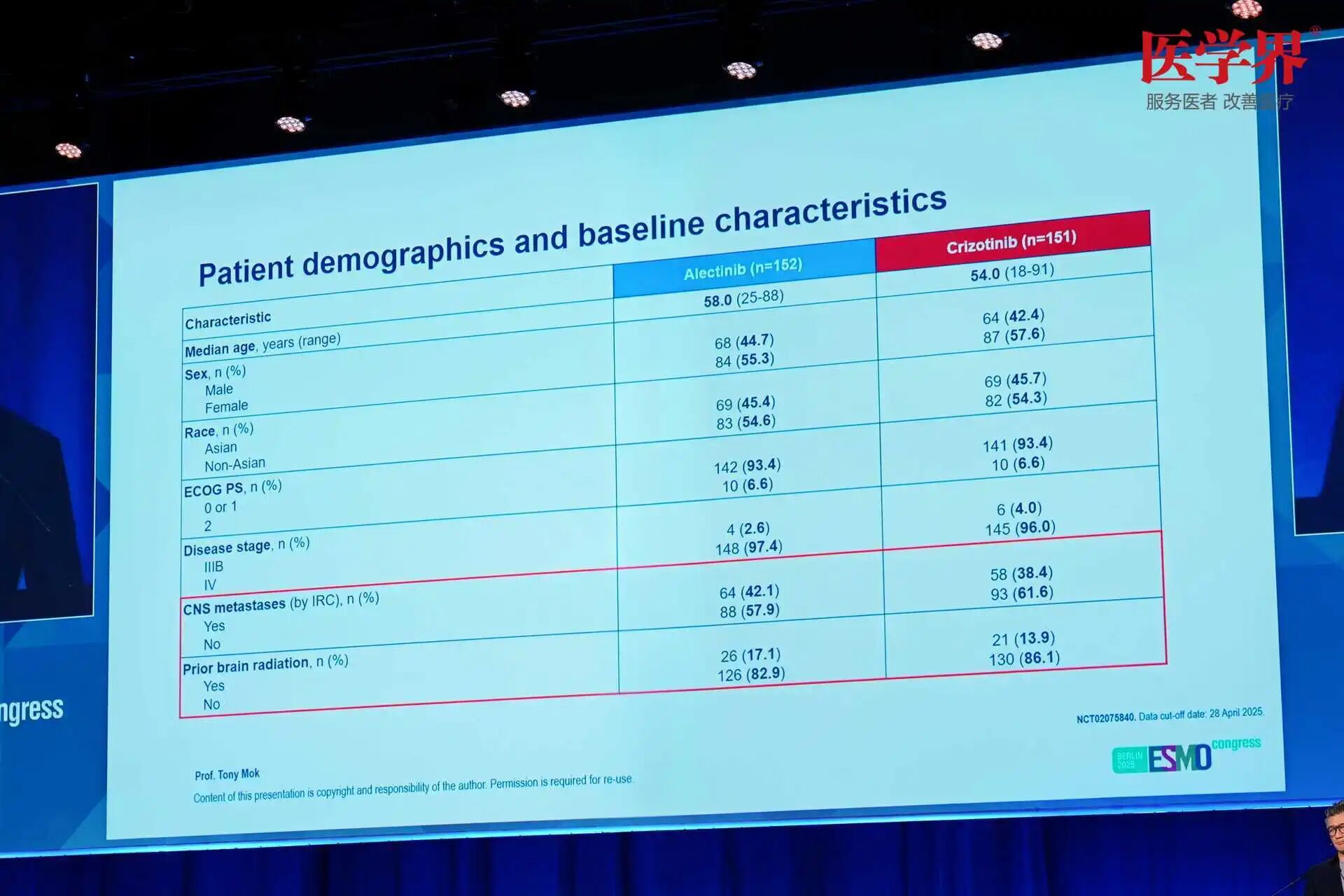
Figure 3: Patient Baseline Characteristics
Core Findings
As of the data cut-off date of April 28, 2025, a total of 303 patients were enrolled (alectinib, n=152; crizotinib, n=151).
A significant improvement in OS was observed:
After a median follow-up of 53.5 months (alectinib) and 23.3 months (crizotinib), the median OS (mOS) was 81.1 months (95% CI, 62.3–Not Estimable) versus 54.2 months (95% CI, 34.6–75.6), respectively.
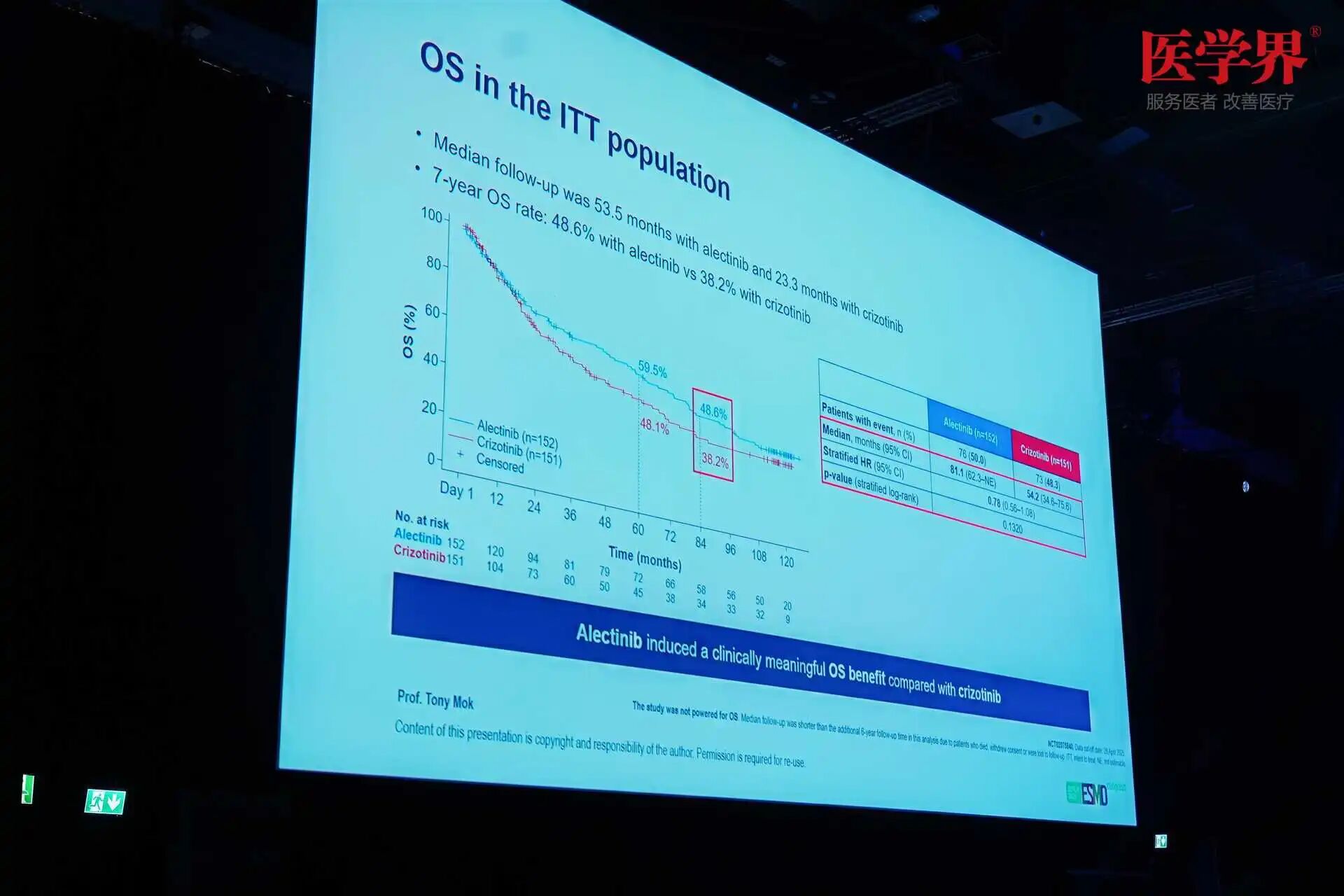
Figure 4: OS Data Comparison
Furthermore, alectinib has consistently drawn attention for its strong blood–brain barrier penetration in preventing and treating brain metastases. The final OS data further confirmed this:
-
In patients with baseline brain metastases who had received radiotherapy, mOS was 92.0 months with alectinib versus 39.5 months with crizotinib.
-
In those with baseline brain metastases but no prior radiotherapy, mOS was 46.9 months vs. 23.7 months, respectively.
-
In patients without baseline brain metastases, mOS reached 94.0 months vs. 69.8 months, respectively.
These results indicate that alectinib provides a consistent OS benefit regardless of baseline brain metastasis status, with the magnitude of benefit being particularly pronounced in patients with brain metastases.
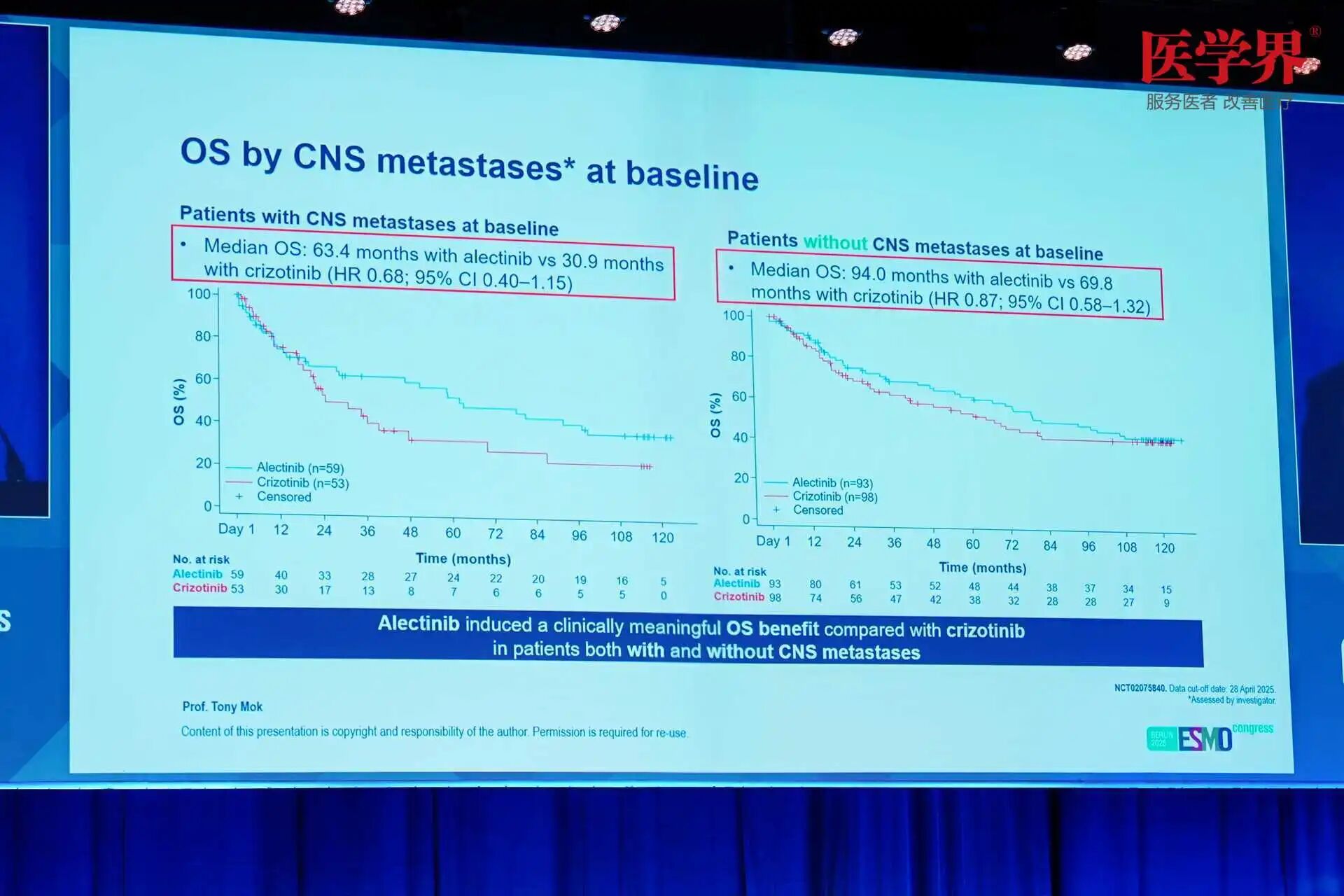 Figure 5: Comparison of OS in Patients With or Without Baseline Brain Metastases
Durability of Response
Alectinib also demonstrated a clear advantage in the durability of response (DoR). Median DoR was 42.3 months for alectinib versus 11.1 months for crizotinib. This means patients treated with alectinib maintained their tumor response for an average of three and a half years, compared to only about one year with crizotinib — directly explaining the longer PFS and OS observed with alectinib.
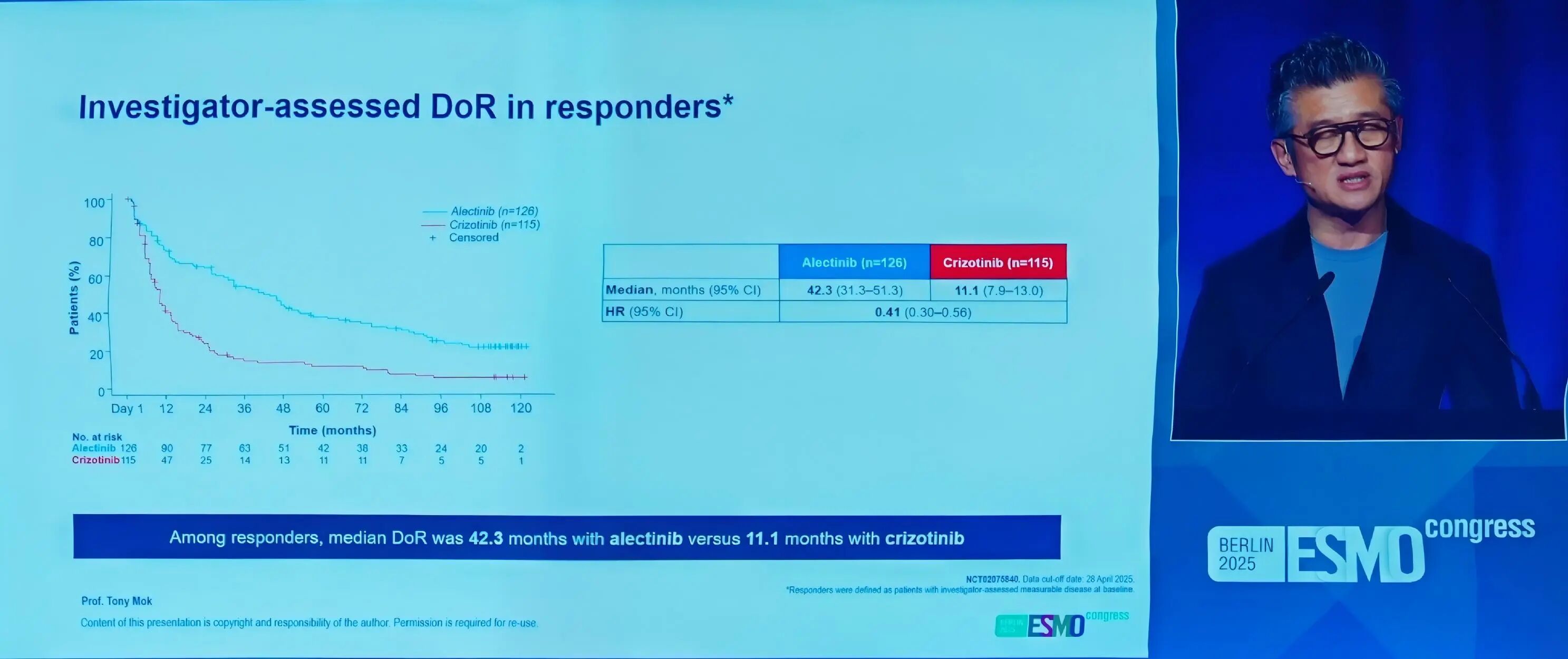 Figure 6: Median DoR Data
Safety Profile
The incidence of any-grade and Grade 3–5 adverse events was similar between the two groups. The rate of treatment discontinuation due to adverse events was slightly higher in the alectinib group, likely reflecting its longer treatment duration. No new or unexpected safety signals were observed, and the overall safety profile of alectinib remained consistent with previous reports and was generally manageable.
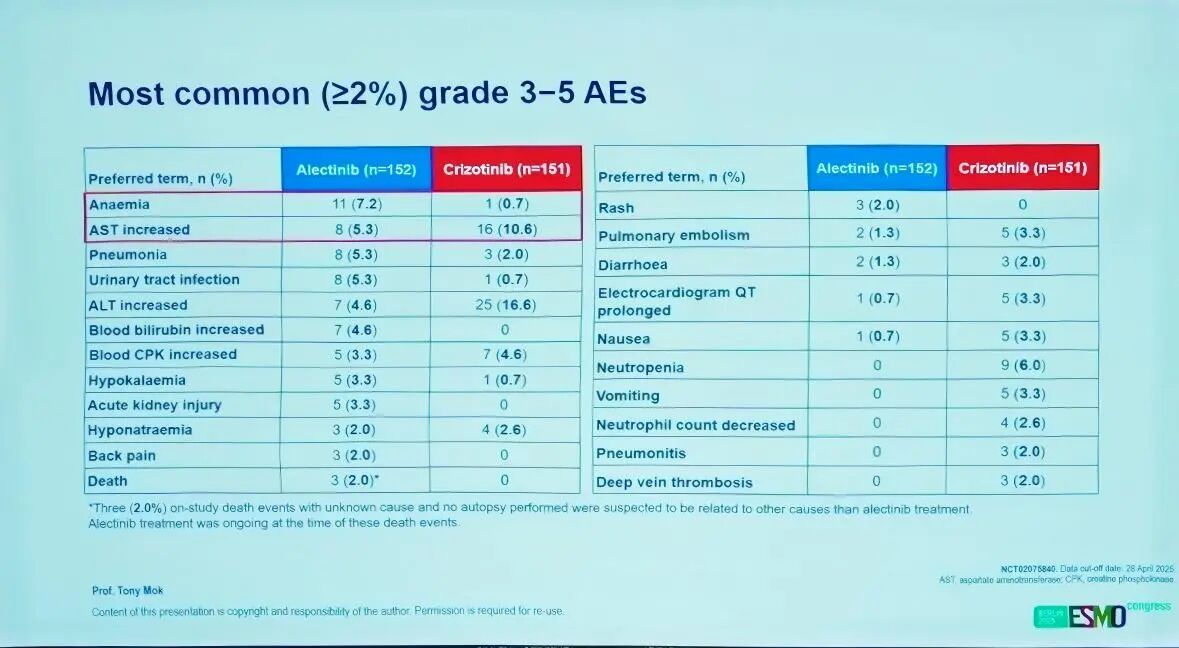
Figure 7: Safety Data
Summary
In conclusion, the final data from the ALEX study confirm that in previously untreated patients with advanced ALK-positive NSCLC, first-line alectinib—compared to crizotinib—provides clinically meaningful improvements in OS and DoR. Patients derived survival benefit from alectinib regardless of baseline brain metastasis status. The safety data were consistent with the known profile of alectinib. These results further solidify alectinib’s position as the standard first-line treatment for advanced ALK-positive NSCLC.
Exclusive Interview with Dr. Tony Mok: Authoritative Interpretation by MedJ

Figure 8: MedJ Interview with Dr. Tony Mok
Following the congress presentation, Dr. Tony Mok granted an exclusive interview to MedJ, providing deeper insights into the clinical and scientific significance of the ALEX final data. He emphasized that the 81.1-month median OS and 48% seven-year survival rate represent an extremely positive and encouraging survival signal for patients with advanced ALK-positive lung cancer, marking the beginning of a new era of long-term survival.
Facing the current landscape where second- and third-generation TKIs coexist, Dr. Mok noted that clinical decision-making requires comprehensive consideration. For example, in patients with brain metastases, third-generation TKIs may be a preferred option due to their enhanced CNS penetration. Looking ahead, he suggested that the priority is not combination therapy but rather overcoming resistance mechanisms. He highlighted promising future directions, including fourth-generation ALK inhibitors targeting specific mutations (e.g., G1202R), antibody–drug conjugates (ADCs) addressing non–ALK-dependent resistance, and even cancer vaccines — all of which represent key strategies for achieving the next survival breakthrough for patients.
Reference:
-
Tony Mok,et al.Final overall survival (OS) and safety analysis of the Phase 3 ALEX study of alectinib vs crizotinib in patients with previously untreated, advanced ALK-positive (ALK+) non-small cell lung cancer (NSCLC).2025 ESMO.LBA73.

