


Although third-generation EGFR tyrosine kinase inhibitors (TKIs) are established as first-line standard therapy for advanced non-small cell lung cancer (NSCLC) with EGFR-sensitive mutations, prognosis for patients with L858R mutations or brain metastases remains suboptimal, and the challenge of resistance is unresolved. Although trials such as FLAURA2 have demonstrated progression-free survival (PFS) benefit with combination strategies, data covering the L858R subgroup remain limited, and first-line evidence for domestic third-generation TKIs combined with chemotherapy has long been lacking.
Recently, the AENEAS2 study, led by Prof. Shun Lu and Prof. Ziming Li of Shanghai Chest Hospital, Shanghai Jiao Tong University School of Medicine, was published in The Lancet Oncology. Following AENEAS, which established aumolertinib monotherapy as a first-line option, AENEAS2 further explored the “aumolertinib + chemotherapy” combination and filled the gap in first-line evidence for domestic-drug combination therapy, providing China-specific, high-level evidence for clinical practice (1).
Fig. 1. Publication Screenshot of AENEAS2
Targeted Combination Therapy, Powerful Synergy: Significant Improvement in Progression-Free Survival (PFS) as First-Line Treatment
AENEAS2 is an open-label, multicenter, randomized, controlled Phase 3 trial covering 60 hospitals across China.
1. Enrollment Criteria
Age ≥18 years, Eastern Cooperative Oncology Group (ECOG) performance status 0-1, and estimated life expectancy ≥12 weeks; histologically or cytologically confirmed locally advanced or metastatic NSCLC; EGFR-sensitive mutations (Ex19del/L858R, with or without other EGFR mutations); no prior EGFR-TKI therapy; patients with stable brain metastases were eligible.
2. Randomization and Treatment
A total of 624 patients were randomized 1:1 to:
Combination group (n=310): aumolertinib 110 mg orally once daily + pemetrexed 500 mg/m² + cisplatin 75 mg/m² or carboplatin (AUC=5) intravenously on day 1, every 21 days as one cycle, for 4-6 cycles; followed by aumolertinib 110 mg orally once daily + pemetrexed 500 mg/m² IV every 3 weeks as maintenance.
Monotherapy group (n=314): aumolertinib 110 mg orally once daily.
Block randomization (block size 6) was used, stratified by EGFR mutation type (Ex19del vs L858R) and baseline brain metastasis (yes vs no).
3. Primary Endpoint
Blinded independent central review (BICR)-assessed PFS, per RECIST 1.1.
Results
As of the data cutoff on 18 June 2024, median follow-up was 23.4 months.
1. PFS by Group: Three Records Set Among Combination Trials
BICR-assessed median PFS reached 28.9 months in the combination group versus 18.9 months in the monotherapy group. The combination reduced the risk of disease progression or death by 53% (HR=0.47), extending median PFS by nearly 10 months. The PFS benefit trend was consistent with that of similar trials including FLAURA2 and MARIPOSA.
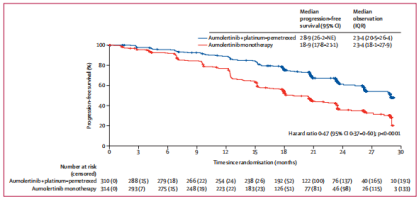
Fig. 2. BICR-assessed PFS Kaplan-Meier Curves
2. Secondary Endpoints: Deeper, More Durable Tumor Response
Objective response rate (ORR): 93.2% in the combination group versus 87.3% in the monotherapy group (OR=2.03), with deeper tumor shrinkage (median reduction 62.2% vs 57.9%).
Duration of response (DOR): 27.6 months in the combination group, 8.3 months longer than the 19.3 months in the monotherapy group.
Disease control rate (DCR): both groups reached 96.5%, with no meaningful difference, indicating that the vast majority of patients achieved tumor control with or without chemotherapy.
Overall survival (OS): data are not yet mature (only 21.6% maturity), but the early trend shows a notable benefit, with a death-risk HR=0.44; long-term survival benefit awaits longer follow-up.
3. Subgroup Analysis: Clear Benefit in L858R and Brain Metastases; Cautious Interpretation in the Elderly
Pre-specified subgroup analyses showed a consistent PFS benefit trend for the combination across key subgroups:
L858R mutation subgroup: median PFS 23.6 vs 17.8 months (HR=0.52), a 48% reduction in the risk of disease progression or death.
Brain metastasis subgroup: median PFS 26.3 vs 18.0 months (HR=0.56), a 44% risk reduction.
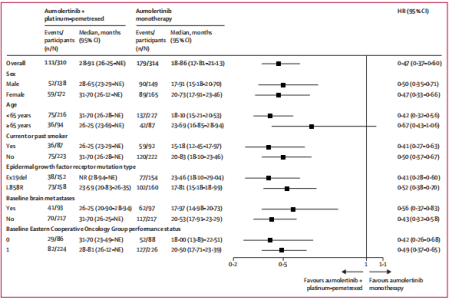
Fig. 3. Forest Plot of BICR-assessed PFS Subgroup Analysis
≥65-year elderly subgroup: HR=0.67 (95% CI: 0.43-1.06), with the confidence interval crossing 1, suggesting no statistically significant PFS benefit of the combination over monotherapy in this population. Clinical use of the combination in elderly patients requires careful weighing of efficacy benefit against chemotherapy toxicity.
4. Post-hoc Analysis: Combination Chemotherapy May Enhance Intracranial Lesion Control
AENEAS2 post-hoc analysis included 14 patients with measurable central nervous system (CNS) lesions at baseline (9 in the combination group, 5 in the monotherapy group). All 9 patients in the combination group achieved an objective response, including 3 with complete disappearance of intracranial lesions and 6 with significant shrinkage; in the monotherapy group, 4 of 5 patients achieved a partial response (PR).
The combination group achieved a 100% CNS ORR, including 3 complete responses (CR) — an encouraging finding. However, this analysis is post-hoc and the sample size is limited; the conclusion that “combination chemotherapy may enhance intracranial control” requires confirmation in larger studies.
5. Safety: Anticipated Toxicity, Better Tolerability Than Comparable Regimens
Toxicity in the combination group was dominated by anticipated chemotherapy-related hematologic events, with no new safety signals.
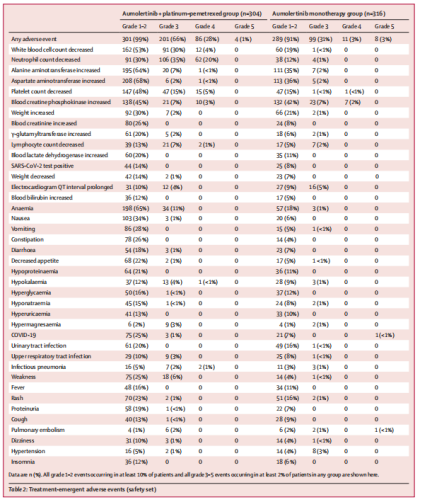
Fig. 4. Treatment-emergent Adverse Events (TEAEs)
Incidence of grade ≥3 TEAEs: 80% in the combination group versus 35% in the monotherapy group; the top three were neutropenia (55% vs 1%), leukopenia (34% vs <1%), and thrombocytopenia (20% vs 1%) — all common chemotherapy-related toxicities, manageable through dose interruption, dose reduction, and hematopoietic supportive care.
Aumolertinib-characteristic adverse events: diarrhea (19% vs 7%), rash (24% vs 17%), and creatine phosphokinase (CPK) elevation (56% vs 51%), mostly grade 1-2.
Serious adverse events (SAEs): 36% in the combination group versus 17% in the monotherapy group, mainly hematologic SAEs.
Tolerability: 89% of patients in the combination group completed the planned 4-6 cycles of platinum-containing chemotherapy; the median number of pemetrexed cycles was 20, higher than the 12 cycles in FLAURA2, indicating overall favorable tolerability.
Clinical Implications
1. Reshaping first-line treatment. HR=0.47 is the lowest value among the three major TKI-plus-chemotherapy Phase 3 trials, with PFS extended by 10 months, offering a powerful treatment option for patients with high tumor burden, brain metastases, or L858R mutations — historically poorer-prognosis subgroups.
2. Filling the gap for the L858R subgroup. The 51% L858R enrollment proportion and the clear PFS benefit (HR=0.52) provide important reference for first-line combination strategy in this “difficult-to-treat subgroup.”
3. continued to show lower diarrhea and rash rates than other third-generation TKI combinations, possibly because of its weaker inhibition of wild-type EGFR, conferring better clinical tolerability and manageability.
Conclusion
AENEAS2 delivered an impressive answer with a median PFS of 28.9 months, validating the strong efficacy and manageable safety of aumolertinib plus chemotherapy in first-line treatment of EGFR-mutant advanced NSCLC. The benefit observed in the L858R mutation and brain metastasis subgroups in particular fills a gap in prior evidence. As the study continues, this “China-led regimen” is expected to contribute further evidence to the global treatment landscape for EGFR-mutant NSCLC and to open new directions for precision, individualized combination strategies.
Reference
Li Z, Hu J, Chen J, et al. Aumolertinib with or without chemotherapy in EGFR-mutated advanced non-small-cell lung cancer (AENEAS2): an open-label, multicentre, randomised, controlled, phase 3 trial. Lancet Oncol. 2026 Jul;27(7):785-794.

