


The heart failure forum of the 20th Qianjiang Cardiovascular Conference (QICC 2026), held in Hangzhou from November 19 to 22, 2026, ran a session titled New Therapies for Heart Failure: Cells, Genes and Devices on November 20. Prof. Carolyn S.P. Lam, Prof. Xinli Li and Prof. Philippe Menasche chaired the session, and five invited speakers addressed stem cell secretomes, pluripotent stem cell-derived cardiomyocyte therapy, device therapy, immune-modulating cell therapy and lipid target exploration. The session linked translational cell and gene research with the device and pharmacological management of advanced heart failure.
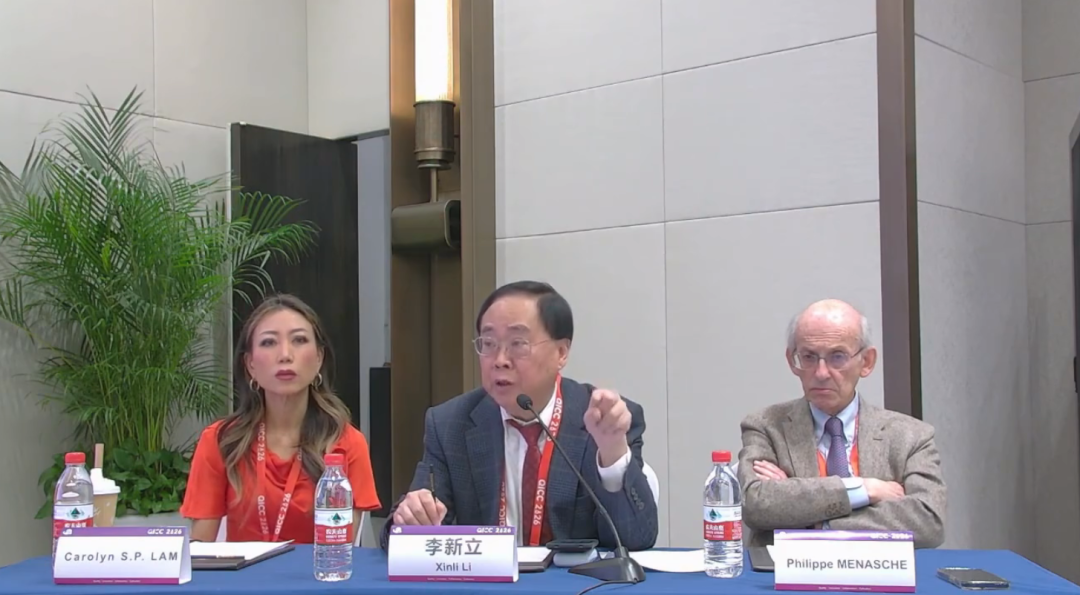 Fig. 1.Prof. Carolyn S.P. Lam, Prof. Xinli Li , and Prof. Philippe MENASCHE
Article Key Points
- SECRET-HF phase 1 met its primary safety endpoint with an iPSC-derived cardiovascular progenitor cell secretome
- HEAL-CHF: all 10 cell-therapy patients had early accelerated idioventricular rhythm; 2 had clinical VT
- 2026 ESC guideline: ICD class I for ischemic HFrEF primary prevention; TEER class I B1 for severe SMR
- Japan granted the world’s first conditional approval of an iPSC-derived product, a cardiomyocyte patch for severe HF
- Preclinical: FAP-targeted immunosuppressive dendritic cells reduced fibrosis in rodent and primate models
Cardiac Cell-Derived Secretome: A New Path in Heart Failure Cell Therapy
Prof. Philippe Menasche of Université Paris Cité, France, presented the clinical and translational progress of his group in the stem cell secretome field, in a talk on the clinical experience of treating heart failure with the cardiac cell-derived secretome of extracellular vesicle-rich cells.
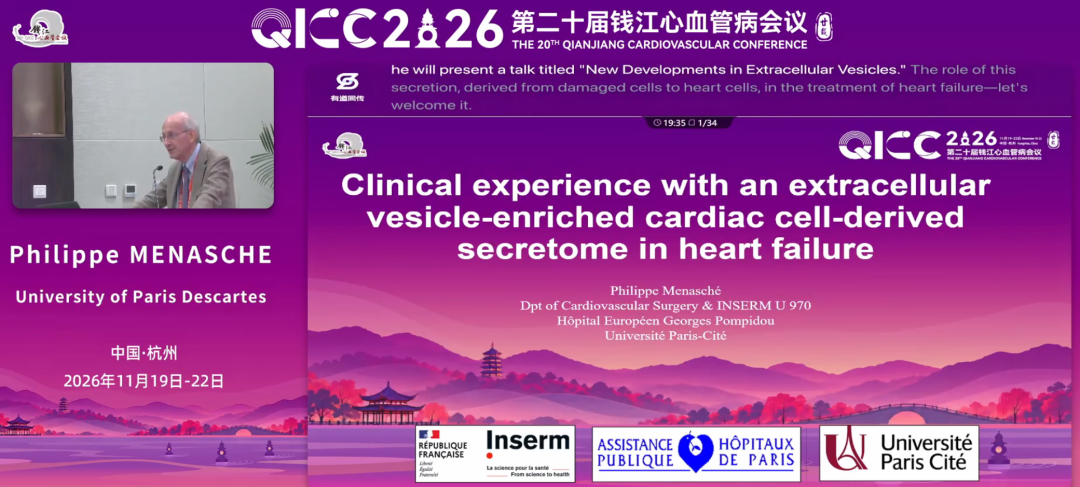
One of the core mechanisms by which stem cell transplantation improves cardiac function is that secreted bioactive molecules activate endogenous signaling pathways and mediate cardiac repair. Compared with live cell therapy, the secretome offers potential clinical advantages in safety, scalable manufacturing and quality control.
On this basis the group conducted SECRET-HF (NCT05774509), a first-in-human dose-escalation phase 1 trial assessing the safety and biological activity of the secretome of induced pluripotent stem cell (iPSC)-derived cardiovascular progenitor cells in non-ischemic dilated cardiomyopathy. The trial used a Bayesian optimal interval design, with patients allocated to low and high dose cohorts, each receiving three intravenous infusions at three-week intervals.
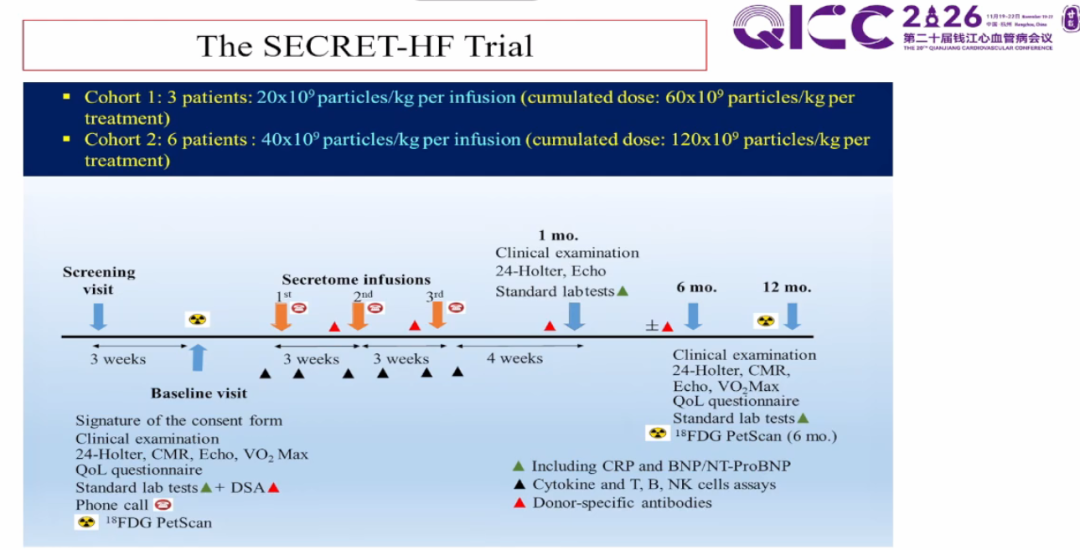 Fig. 2. The SECRET-HF Trial
Manufacturing followed a standardized process chain: somatic cells from healthy donors were reprogrammed to iPSC, expanded and banked, then differentiated into cardiovascular progenitor cells, with upstream processing carried out by Fuji Cellular Dynamics International (Fuji CDI) in the United States. The cells were cryopreserved and transferred to a GMP platform in Paris, where thawing, culture, tangential flow filtration purification and formulation fill-finish were completed, with multiple quality control points along the chain. The final product contained extracellular vesicles, including exosomes, and omics analysis identified close to a thousand microRNAs and more than a thousand proteins, with the pathways involved mainly in inflammatory regulation and extracellular matrix remodeling.
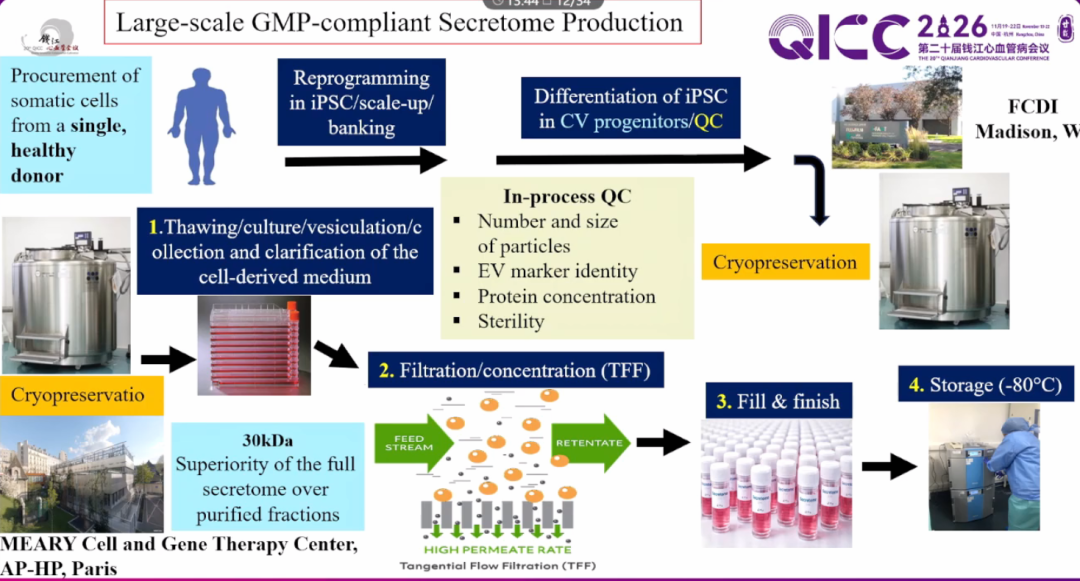 Fig. 3. GMP-Compliant Scale-Up of Secretome Production
The trial met its primary safety endpoint: there were no infusion-related complications and no arrhythmias throughout, and no immunosuppressive therapy was required. No significant rise in donor-specific antibodies was observed, which was consistent with the immunological characteristics of the product, namely low HLA-I expression, near-absent HLA-II expression and absent co-stimulatory molecules.
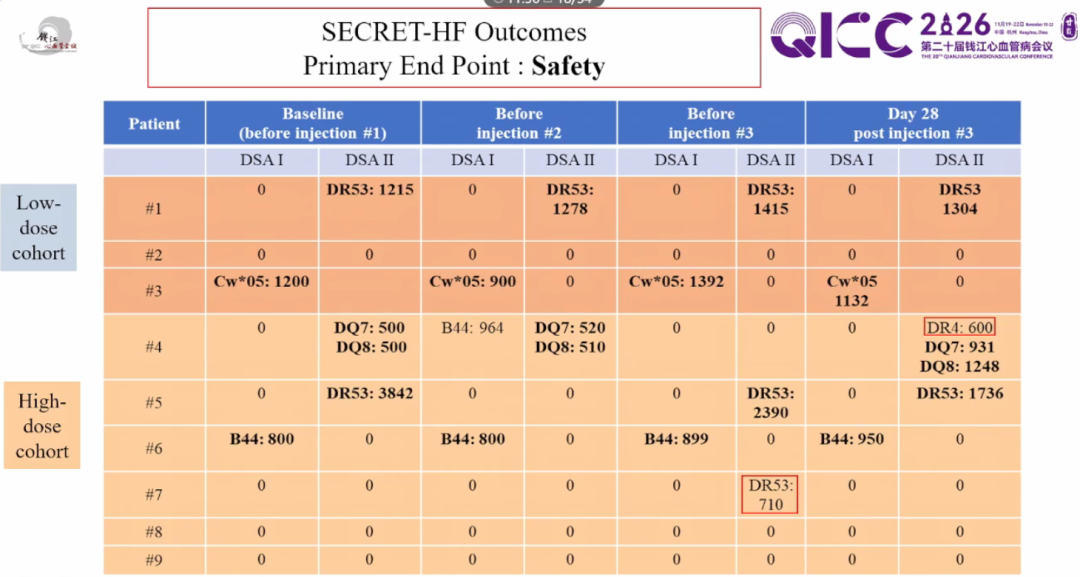
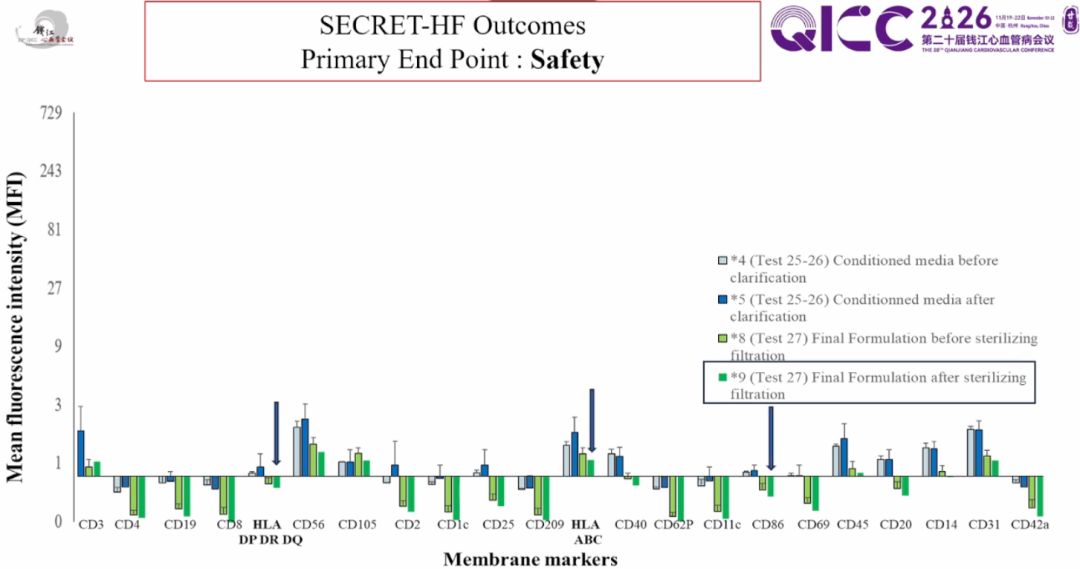 Fig. 4. Primary Safety Endpoint Met
Secondary endpoints indicated that a single GMP-grade batch could be produced reproducibly at scale, with potency assay results consistent across the three participating institutions, good batch-to-batch reproducibility, and completion of five-year long-term stability validation.
Prof. Menasche stressed that, as a phase 1 safety study without a control group, the improvements observed in quality of life, symptom relief, NT-proBNP and echocardiographic measures were not sufficient to confirm efficacy, and that larger controlled studies would be required.
On the translational side, he identified donor cell selection, dose calibration and route of administration as the core elements of secretome translation. The group proposed a bioreactor hypothesis: the secretome induces systemic immune reprogramming, shifting macrophages in the spleen and liver toward an anti-inflammatory, repair-promoting phenotype, which then migrate through the circulation to the heart and exert a repair effect. This process may not depend on direct enrichment of the therapeutic molecule in the target organ. Preliminary clinical immunological changes were described as supporting this mechanistic hypothesis.
Prof. Menasche summarized that a GMP-compliant cardiac-derived secretome can now be produced at scale, and that repeated intravenous administration has shown acceptable safety and tolerability, while efficacy and the core mechanism still require further study. If the immune-modulation mechanism were confirmed, he said, it would substantially advance the clinical uptake of this therapy.
Pluripotent Stem Cell-Derived Cardiomyocytes: Tackling Post-Transplant Arrhythmia
The underlying problem in advanced heart failure is the irreversible loss of functional cardiomyocytes, against severe shortages of donors for cardiac transplantation and the remaining limitations of mechanical circulatory support. Pluripotent stem cells can be expanded indefinitely and differentiated into cardiomyocytes, offering a potential cellular replacement for advanced heart failure. Prof. James Jim-Hong Chong of Australia described the mechanistic research and management strategies for arrhythmia after pluripotent stem cell-derived cardiomyocyte transplantation.
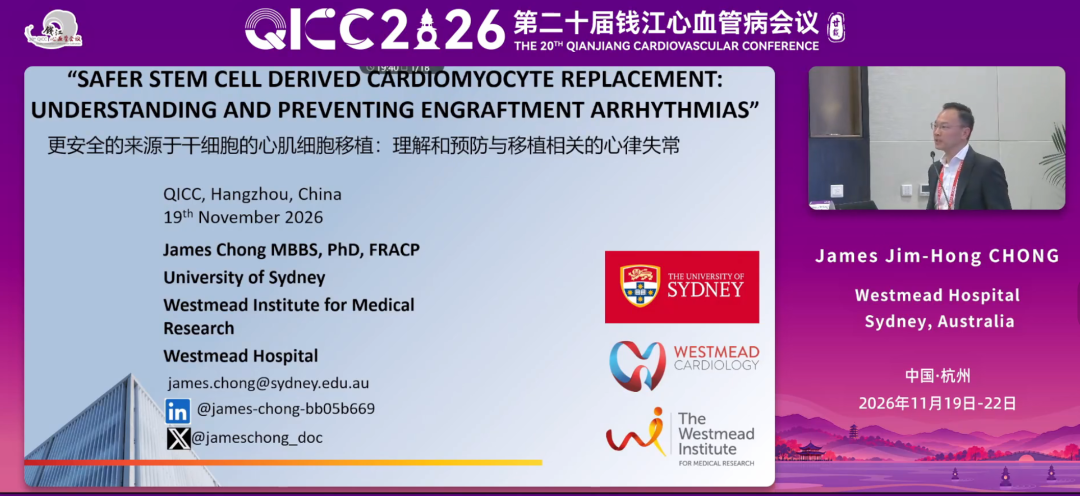
Prof. Chong’s group was the first to show, in non-human primate models, that human pluripotent stem cell-derived cardiomyocytes can survive and engraft in infarcted myocardium and achieve electrical coupling with host myocardium. The group also identified transplantation-associated arrhythmia, a finding that was subsequently corroborated in clinical research published in Nature Medicine by the team of Prof. Dongjin Wang at Nanjing Drum Tower Hospital, Nanjing University Medical School: clear early arrhythmia signals appeared in the first four weeks after transplantation, with all 10 patients in the cell-therapy group developing accelerated idioventricular rhythm, mostly five to seven days after surgery, and two experiencing clinically significant ventricular tachycardia (VT) at heart rates above 140 beats per minute, which required prolonged hospitalization. VT peaked at two to three weeks postoperatively; all patients recovered sinus rhythm after cardioversion and no further VT was recorded.
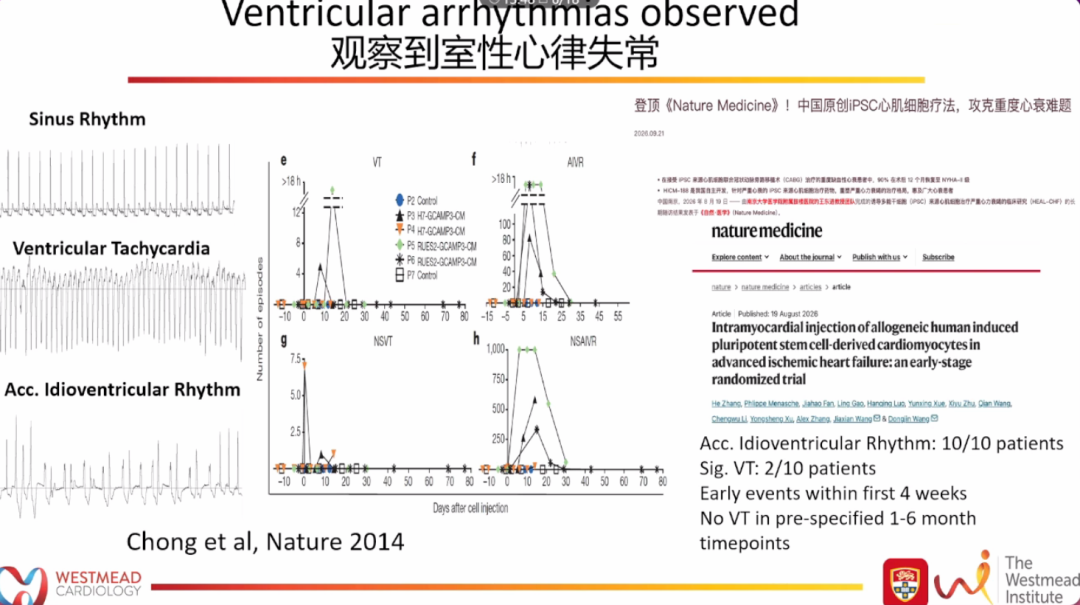 Fig. 5. Transplantation-Related Arrhythmia Research
To characterize the mechanism, the group established a porcine transplant model. Electrophysiological mapping confirmed that the arrhythmia arose from an automaticity mechanism rather than a reentry mechanism. Cardioversion and overdrive pacing were ineffective, isoproterenol worsened episodes, and radiofrequency ablation terminated arrhythmia but was followed by new ectopic foci. Single-cell sequencing identified a pacemaker-like cell population contaminating the differentiation product, with high expression of the pacemaker-related genes SHOX2 and TBX3, and animals with a high arrhythmia burden showed a significantly greater proportion of this population.
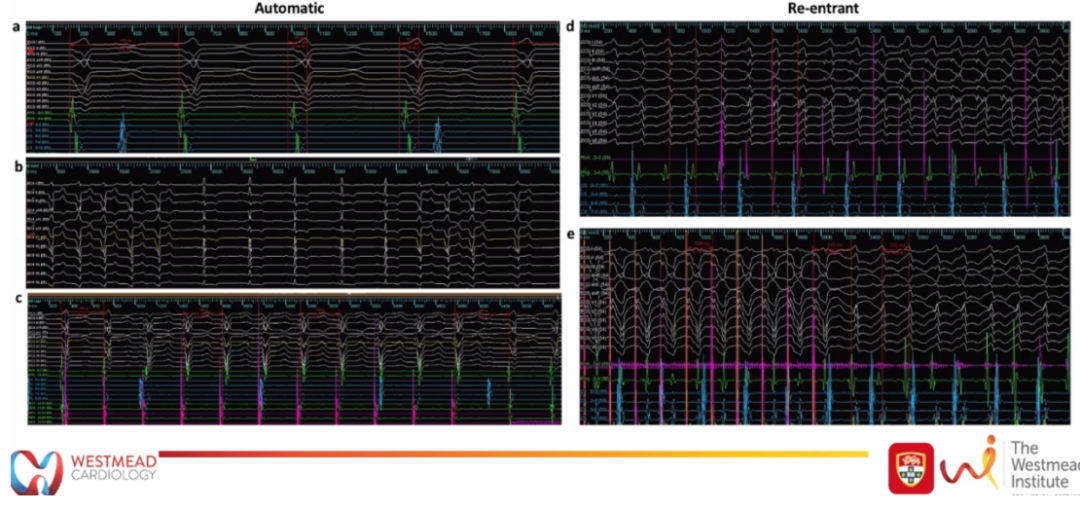 Fig. 6. Transplantation-Related Arrhythmia Arises From Automaticity Rather Than Reentry
Based on these findings, the group addressed the arrhythmia problem in two ways. The first was optimization of the differentiation process, purifying the cardiomyocyte population to remove pacemaker-like cell contamination. Single-cell sequencing of the clinical-grade product showed no remaining expression of the pacemaker genes SHOX2 and VNSL1, and in early animal experiments transplantation of clinical-grade cells produced almost no transplantation-related arrhythmia, while immunofluorescence confirmed good myocardial engraftment. The second was perioperative drug management, using amiodarone from one week before surgery and combining it with mexiletine after surgery, which significantly reduced the incidence and severity of post-transplant arrhythmia.
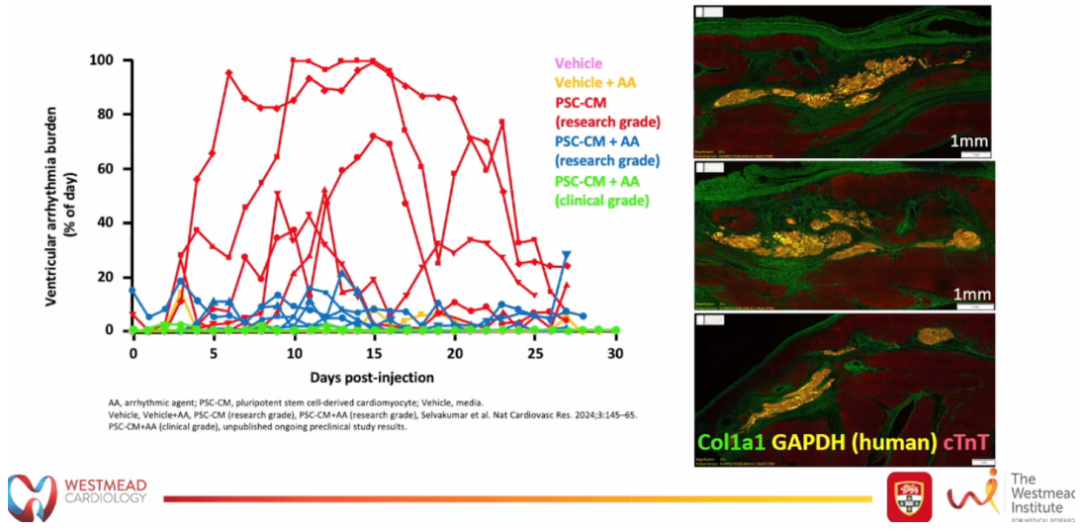 Fig. 7. Preliminary Pig Model Data: Graft Survival With No Arrhythmia Observed
Prof. Chong noted that multiple groups worldwide are advancing clinical research in pluripotent stem cell-derived cardiomyocytes: an iPSC-derived cardiomyocyte patch has received the world’s first conditional and time-limited approval, granted in Japan in March 2026, with related clinical research in China progressing steadily. His own group is preparing an Australian clinical trial based on the optimized process. He said pluripotent stem cell-derived cardiomyocytes may fill the therapeutic gap in advanced heart failure, and that as manufacturing and perioperative management mature, the safety risks of the approach are becoming better characterized.
Device Therapy for Heart Failure: Evidence and Positioning Under the 2026 ESC Guidelines
Over the past decade, foundational medical therapy (FMT) for heart failure has improved considerably and has substantially reduced the risk of adverse events, but residual risk remains. Device therapy, now termed guideline-directed interventional therapy (GDIT), is an important complement to FMT, the two are increasingly integrated, and together they form a core pillar of comprehensive heart failure management. The 2026 European Society of Cardiology (ESC) heart failure guideline updated the recommendations for each device category. Prof. Xi Su of Wuhan Asia Heart Hospital reviewed the evidence and clinical positioning of device therapy against the 2026 guideline.
ICD and CRT: stable evidence, evolving technique and pathways
For the implantable cardioverter-defibrillator (ICD), sudden death primary prevention in HFrEF due to ischemic cardiomyopathy remains a Class I recommendation, and primary prevention in non-ischemic cardiomyopathy remains Class IIa. The guideline’s evidence-grading framework also changed, with the evidence level for ischemic etiology moving from A to B1, the stated reason being that the wider use of FMT has lowered the baseline risk of sudden death in heart failure patients.
For heart failure patients at short-term risk of sudden death, a wearable cardioverter-defibrillator (WCD) may be considered as bridge therapy (Class IIb). ICD implantation is not recommended within 40 days of acute myocardial infarction. For patients with NYHA class IV heart failure that is refractory to medical therapy and who are not candidates for cardiac transplantation, a left ventricular assist device (LVAD) or cardiac resynchronization therapy (CRT), ICD implantation is not recommended.
For CRT, the main evidence base has not changed substantially, but technique and care pathways have been updated. A new Class IIb recommendation allows CRT assessment to be arranged in parallel with FMT dose adjustment, with left ventricular ejection fraction (LVEF) re-assessed before implantation. A new Class IIa recommendation allows ablation combined with CRT to be considered in patients with atrial fibrillation whose rate control on medication is inadequate. In HFrEF patients with an indication for ventricular pacing, the recommendation for CRT was downgraded from Class I to Class IIa. New guidance was added on CRT management after LVEF improvement. The guideline lists conduction system pacing (CSP, including His bundle pacing and left bundle branch area pacing) with separate recommendation classes, and its efficacy and long-term safety still require more randomized controlled trial evidence.
Prof. Su added that recent large-scale studies by Chinese investigators have confirmed the outcomes of left bundle branch pacing in heart failure patients, with high procedural success, few procedural complications and better synchrony, which he said may help drive future guideline updates.
Valve intervention: progress in device therapy for heart failure with valvular disease
For aortic stenosis (AS), severe AS with heart failure is a Class I indication for aortic valve intervention, whether transcatheter aortic valve implantation (TAVI) or surgical aortic valve replacement (SAVR). The new guideline places particular emphasis on identifying and treating low-flow, low-gradient AS, which often does not meet traditional criteria for severe stenosis on echocardiography, while symptoms are masked by heart failure. Diagnosis requires dobutamine stress testing and cardiac magnetic resonance imaging, and once severe stenosis is confirmed, intervention should be prioritized. For moderate AS with heart failure, current studies have not shown that intervention improves the composite endpoint of all-cause death, stroke and heart failure hospitalization, and more evidence is needed.
For secondary mitral regurgitation (SMR), transcatheter edge-to-edge repair (TEER) is a Class I, level B1 recommendation in patients with HFrEF who have persistent severe regurgitation despite optimized medical therapy and are hemodynamically stable. In RESHAPE-HF2, TEER reduced hospitalization for heart failure, although the trial’s primary composite endpoint of death or heart failure hospitalization was not met. Prof. Su emphasized that patients with more severe heart failure but without marked left ventricular dilatation may derive greater benefit, while treatment effects are relatively limited in patients who have already developed marked structural remodeling.
For tricuspid valve disease, the guideline did not give a clear recommendation. Tricuspid repair and replacement techniques are developing rapidly, and current studies show improvement in symptoms and quality of life, but have not yet produced positive results on hard endpoints such as all-cause death, and the evidence base remains insufficient.
Other device therapies
The LVAD remains a Class I recommendation for use as a bridge to transplantation or for destination therapy in selected patients with advanced HFrEF despite optimal medical and device therapy; as a bridge to transplantation specifically, the guideline assigns a Class IIa recommendation. Cardiac contractility modulation (CCM), baroreflex activation therapy and interatrial shunt procedures did not receive independent recommendations in this guideline, and their clinical value still requires further large-scale studies.
Prof. Su summarized that pharmacotherapy remains the foundation of heart failure management, that device therapy is an important complement, and that these technologies are iterating rapidly.
Engineered Immunosuppressive Dendritic Cells: Targeting the Cardiac Immune Microenvironment
Chronic inflammation is one of the important mechanisms driving myocardial fibrosis, ventricular remodeling and progression of heart failure. Anti-inflammatory therapies targeting single molecules such as IL-6 have not demonstrated clinical benefit in heart failure, while cell therapies that directly target and clear fibroblasts carry the risk of cardiac rupture and aggravated local inflammation. On this basis, the team of Prof. Xinyang Hu at Second Affiliated Hospital of Zhejiang University School of Medicine proposed that modulating the cardiac immune microenvironment and inducing local immune tolerance might offer a safer and more effective intervention pathway.
Dendritic cells are core regulators of innate and adaptive immunity, but face two problems: the phenotype of tolerogenic dendritic cells is unstable in an inflammatory microenvironment, and they cannot specifically home to the injured heart. The team applied dual genetic engineering to dendritic cells, producing fibroblast activation protein (FAP)-targeted immunosuppressive dendritic cells (iCDC) that express an FAP-specific single-chain antibody, allowing precise homing to FAP-positive lesions in the injured myocardium, and overexpress CTLA4-Ig, PD-L1 and IL-10, which confers a stable immunosuppressive phenotype.
In vitro experiments showed that iCDC highly expressed inhibitory checkpoint molecules and lowly expressed co-stimulatory molecules such as CD80 and CD86 and MHC class II molecules. Transcriptome analysis showed downregulation of pro-inflammatory pathways and upregulation of anti-inflammatory pathways. Co-culture with T cells significantly inhibited T cell activation, reduced the proportion of Th17 cells and induced the generation of regulatory T cells (Treg).
The therapy was evaluated in animal models across four settings. In targetability testing, only FAP-targeted modified iCDC accumulated significantly in the injured heart. In an ischemic cardiomyopathy model, intravenous iCDC after myocardial infarction significantly reduced myocardial fibrosis and improved cardiac function, while promoting angiogenesis and cardiomyocyte survival. In a non-ischemic model, the pressure overload model produced by transverse aortic constriction (TAC), iCDC likewise improved cardiac function and reduced fibrosis, and significantly improved survival in mice. In an advanced heart failure model, in mice with an ejection fraction below 40%, late intervention still reduced fibrosis and improved cardiac function, and significantly increased survival.
Mechanistic studies showed that CTLA4-Ig, PD-L1 and IL-10 act synergistically to protect the heart. Single-cell sequencing indicated that iCDC can comprehensively reshape the cardiac immune microenvironment: pro-inflammatory CCR2-positive macrophages were observed to shift toward repair-promoting Tim4-positive tissue-resident macrophages; T cell activation was suppressed, with fewer Th17 cells and more Treg cells, inducing durable cardiac immune tolerance; and cardiac fibroblast activation was inhibited, reducing myofibroblast generation.
The team further validated safety and efficacy in a non-human primate myocardial infarction model, where iCDC treatment improved cardiac function and reduced fibrosis, with no hepatotoxicity, nephrotoxicity, cytokine release syndrome or increased arrhythmia risk observed during the study.
Prof. Hu said that FAP-targeted immunosuppressive dendritic cells provide a new immune-modulation strategy for heart failure and that the non-human primate study lays a foundation for clinical translation.
Raising HDL-C: Revisiting a Century-Old Hypothesis
Earlier studies found that high-density lipoprotein cholesterol (HDL-C) levels were inversely associated with coronary heart disease, giving rise to the classic hypothesis that raising HDL-C would reduce cardiovascular events. Decades of clinical trials, however, have consistently failed to turn raising HDL-C into clinical benefit.
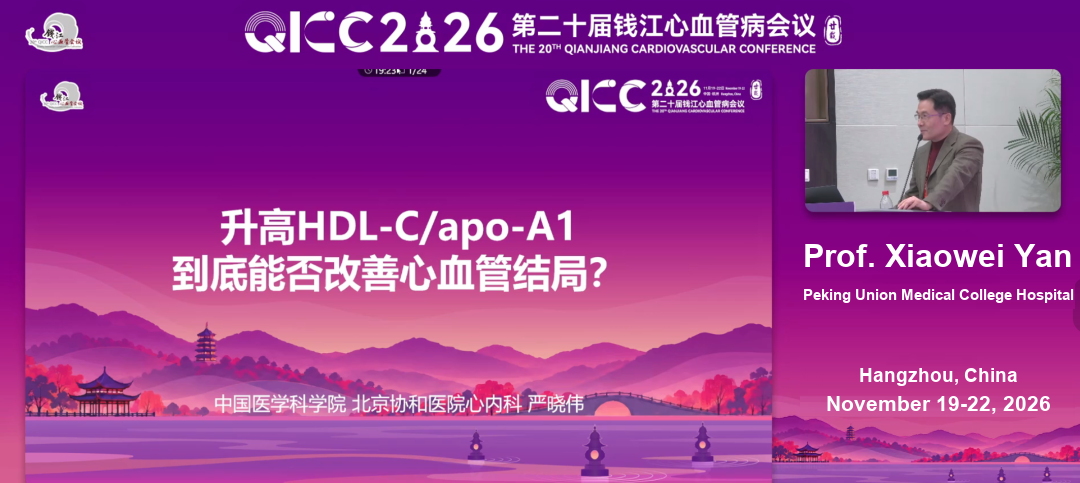
Prof. Xiaowei Yan of Peking Union Medical College Hospital traced the shift in understanding of HDL-C, from good cholesterol to a non-intervention target, and outlined directions for research in the lipid field. He noted that clinical studies have repeatedly shown that artificially raising HDL-C does not confer cardiovascular benefit: niacin raises HDL-C on top of statin therapy but has shown no additional cardiovascular benefit, and CETP inhibitors raise HDL-C substantially without reducing cardiovascular events, with some agents increasing events because of adverse effects.
A newer epidemiological picture has emerged. A large Korean cohort of 5.7 million participants with more than 10 years of follow-up showed a U-shaped relationship between HDL-C level and cardiovascular events, with both low and high levels increasing risk. The lowest-risk range was 1.3 to 1.5 mmol/L in men and approximately 2.1 to 2.6 mmol/L in women, directly contradicting the assumption that higher HDL-C is better.
Prof. Yan emphasized that HDL-C represents only the cholesterol content within HDL particles: it does not fully reflect the number of HDL particles and cannot be equated with cholesterol reverse transport function. HDL particles are structurally complex, and function and lipid composition constrain one another. It is now clear that simply raising HDL-C is not an effective cardiovascular intervention target. Improving HDL particle function and promoting reverse cholesterol transport is a future direction, he said, but the field remains at an early exploratory stage and is still a long way from clinical translation.
In summary, this forum brought together cutting-edge advances in three major directions in heart failure—cell therapy, gene therapy, and devices—featuring both internationally leading translational achievements and local Chinese clinical practice. It presented attendees with multidimensional new ideas for treatment and injected new momentum into the innovative development of future heart failure diagnosis and management.

