


On Oct 2, 2026, at the EASD Annual Meeting in Milan, the American Diabetes Association (ADA) and the European Association for the Study of Diabetes (EASD) jointly released the latest Consensus Report on the Management of Type 2 Diabetes (T2D). Since its first version in 2006, the consensus has undergone six revisions, leading global paradigm shifts in T2D care. Compared with prior versions, the 2026 edition completes a paradigm shift from “managing hyperglycemia” to “holistic management of T2D and its multiple long-term conditions.” Multiple strong signals from this update have generated global discussion.
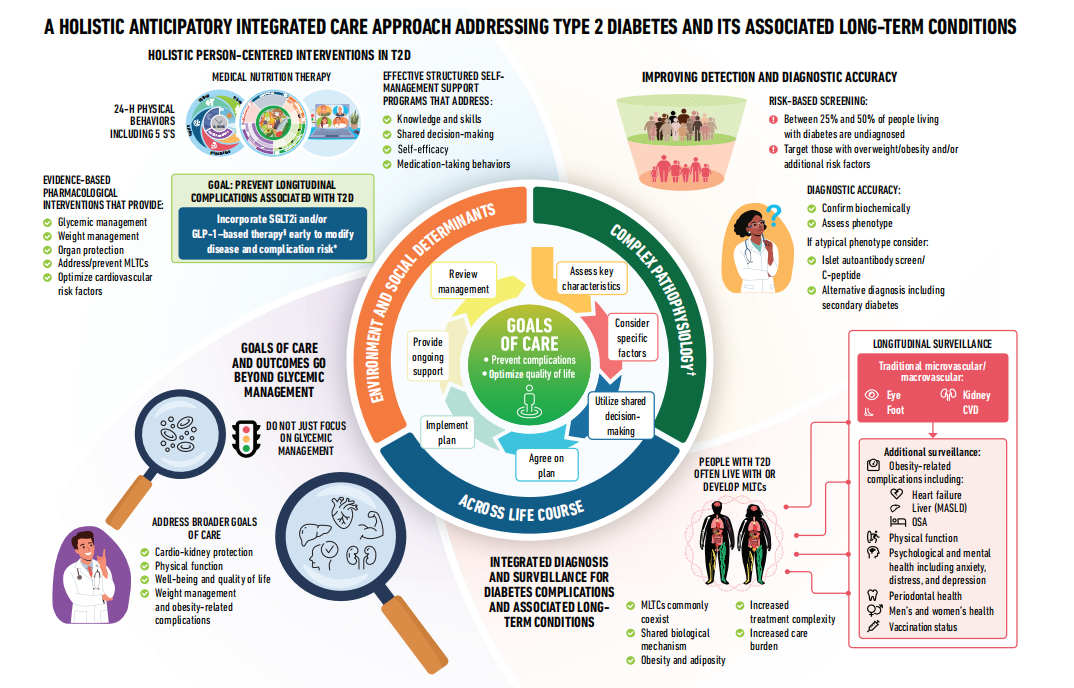 Fig. 1. Overview of the 2026 Consensus
Key signals:
- Metformin is no longer “first-line”: sodium-glucose cotransporter 2 inhibitors (SGLT2i) and/or glucagon-like peptide-1 (GLP-1) receptor agonists (including dual agonists) have organ-protective evidence independent of metformin, and can be introduced early from diagnosis in most patients;
- Earlier combination therapy: in patients with cardiovascular disease (CVD), chronic kidney disease (CKD), or heart failure (HF), early combination of SGLT2i plus GLP-1 RA should be considered regardless of HbA1c;
- Finerenone enters: as the first non-glucose-lowering drug in the consensus pathway, for albuminuric CKD (UACR >3.0 mg/mmol, eGFR >25 mL/min/1.73 m^2) and heart failure with preserved/mildly reduced ejection fraction (HFpEF/HFmrEF);
- Lifestyle becomes a “prescription”: quantitative targets and prescription templates are given for the “5S” framework (Standing, Stepping, Sweating, Strengthening, Sleeping);
- Insulin rules rewritten: start with basal insulin only, typically after GLP-1 RA, and retain cardiorenal-protective agents; reduce or stop sulfonylureas in frail patients; screen for hypercortisolism in refractory cases;
- Weight equals glucose in importance: target >=10% weight loss for remission, weight-loss efficacy becomes a drug-selection dimension, protein intake and resistance training emphasized during the weight-loss phase, and weight maintenance follows target attainment;
- Two new comorbidity chapters: metabolic dysfunction-associated steatohepatitis (MASH), with biopsy-proven cases preferring GLP-1 RA and F2-F3 fibrosis referred to hepatology for thyroid hormone receptor-beta (THR-beta) agonist evaluation; and obstructive sleep apnea (OSA), preferring tirzepatide or GLP-1 RA;
- Monitoring and equity expanded: continuous glucose monitoring (CGM) should be considered for all T2D patients (especially insulin users); a “learning health system” framework writes reducing health inequity into the quality-improvement cycle.
 Fig.2. Prof. Peter Rossing (left) and Prof. Francesco Giorgino (right) Presenting the Intervention and Individualized Pathways at EASD 2026
Following the EASD release logic, this article organizes consensus highlights along three lines: intervention strategy, how the strategy reaches the bedside, and future directions.
Article Key Points
- 2026 ADA/EASD consensus released Oct 2, 2026 at EASD in Milan; shift from “glucose control”to “whole-life health”
- SGLT2i and/or GLP-1 RA can be introduced at diagnosis, independent of HbA1c; metformin no longer first-line
- Early SGLT2i + GLP-1 combination recommended for CVD, CKD, or HF regardless of HbA1c
- Finerenone added as first non-glucose-lowering drug for albuminuric CKD and HFpEF/HFmrEF
- New MASH chapter: GLP-1 RA first for biopsy-proven MASH; THR-beta agonist for F2-F3 fibrosis
- New OSA chapter: tirzepatide or GLP-1 RA preferred for obesity with T2D and OSA
- “5S” lifestyle framework (Standing, Stepping, Sweating, Strengthening, Sleeping) with quantified targets
- CGM now considered for all T2D patients; “learning health system” framework targets health inequity
- Evidence status: consensus statement; full version published as Davies et al., Diabetes Care 2026 (dci260141)
Intervention Strategy: What to Eat, What to Do, What to Prescribe
From “lifestyle plus metformin, glucose-centered” in 2006, through the “drug menu” in 2009/2012, “patient-centeredness plus CVOT era” in 2012/2018, to “holistic health” in 2022, the 2026 edition establishes four new features: life-course and longitudinal perspective, integrated lifestyle as the cornerstone, complication and multi-long-term-condition prevention, and healthspan. The strategy shift reflects the growing diversity of treatment options.
Prof. Peter Rossing of the Steno Diabetes Center, Denmark, and Prof. Francesco Giorgino of the University of Bari, Italy, progressively answered the same question: what weapons do we have, and what is each one’s target?
Medical Nutrition Therapy: Individualization Is Central
Prof. Rossing systematically reviewed evidence on five dietary patterns and made clear that there is no single optimal carbohydrate-protein-fat ratio for all patients. Mediterranean diet can deliver sustainable metabolic and cardiovascular benefit even without significant weight loss; low-energy diets in early disease can achieve long-term remission (DiRECT 5-year follow-up), but the proportion with sustained remission is limited; very-low-energy diets achieve higher remission rates but evidence is largely limited to 1 year, with adherence and long-term sustainability concerns; 5:2 intermittent fasting combined with formula meal replacements achieved greater HbA1c and weight reductions than oral hypoglycemic agents at 12-14 weeks; time-restricted eating can improve metabolic markers in the short term, but with marked individual variation; ketogenic diet improves both glucose and weight, but those on SGLT2i require medical supervision; low-carbohydrate diets can reduce medium- and long-term need for glucose-lowering drugs.
Based on this evidence, the consensus recommends:
- T2D adults with overweight or obesity should adopt an energy-restricted overall healthy eating pattern, combined with pharmacotherapy and/or metabolic surgery as appropriate;
- Nutrition plans should be feasible, sustainable, and adapted to patients’ sociocultural background;
- Intensive lifestyle intervention targeting >=10% weight loss for diabetes remission may be considered, and “remission achieved at any time may bring long-term benefit”;
- Patients with established atherosclerotic cardiovascular disease (ASCVD) should preferentially adopt the Mediterranean dietary pattern; no specific dietary supplements are recommended for glycemic management.
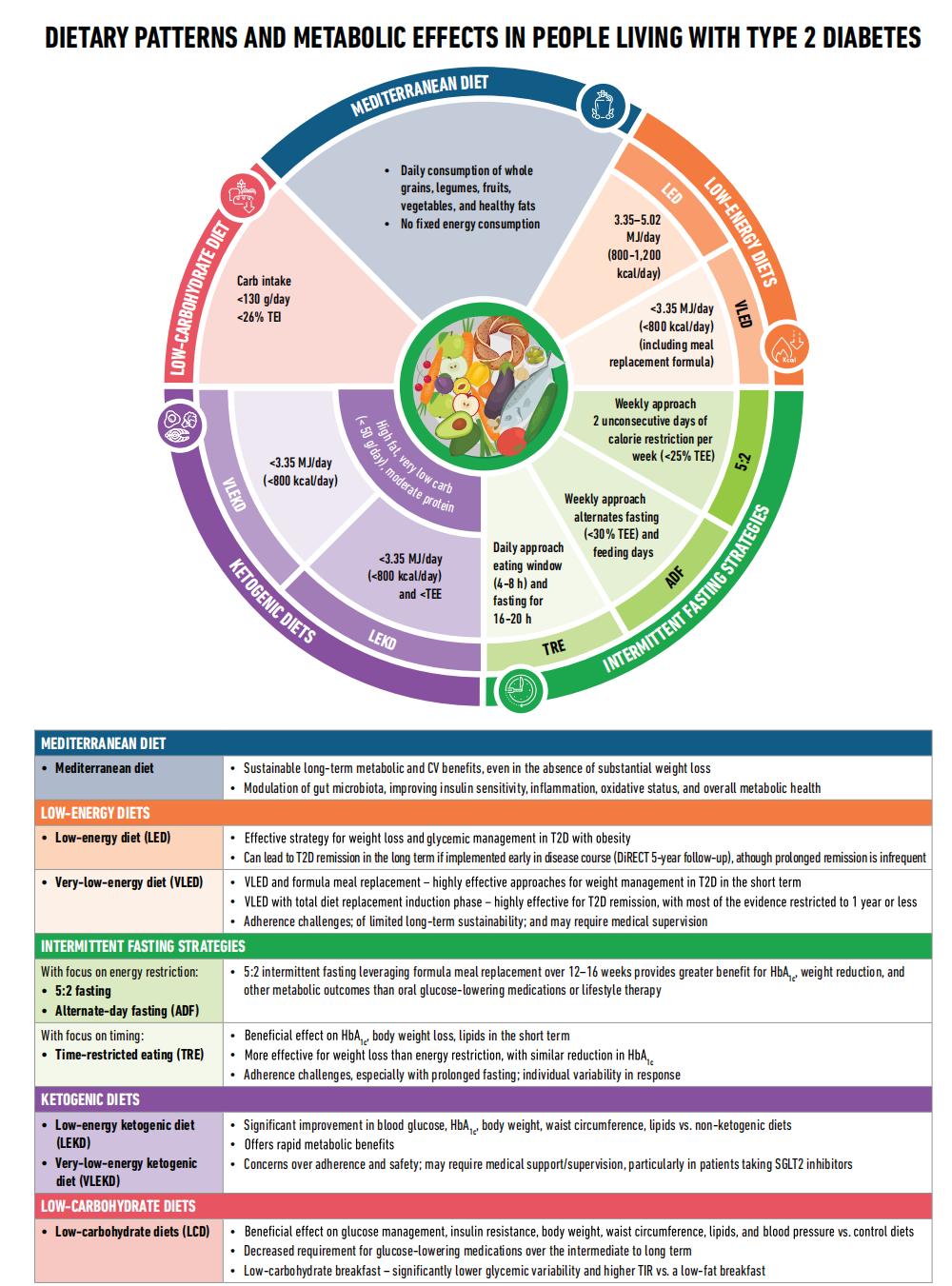 Fig.3. Dietary Patterns and Their Metabolic Impact
Exercise Prescription: The “5S” Framework and Quantified Behavioral Goals
Beyond nutrition, physical-activity management is the other core of the lifestyle section. The consensus consolidates 24-hour physical behavior into the “5S” framework, Standing, Stepping, Sweating (aerobic exercise), Strengthening (resistance training), and Sleeping, and for the first time provides evidence-based quantification for each dimension.
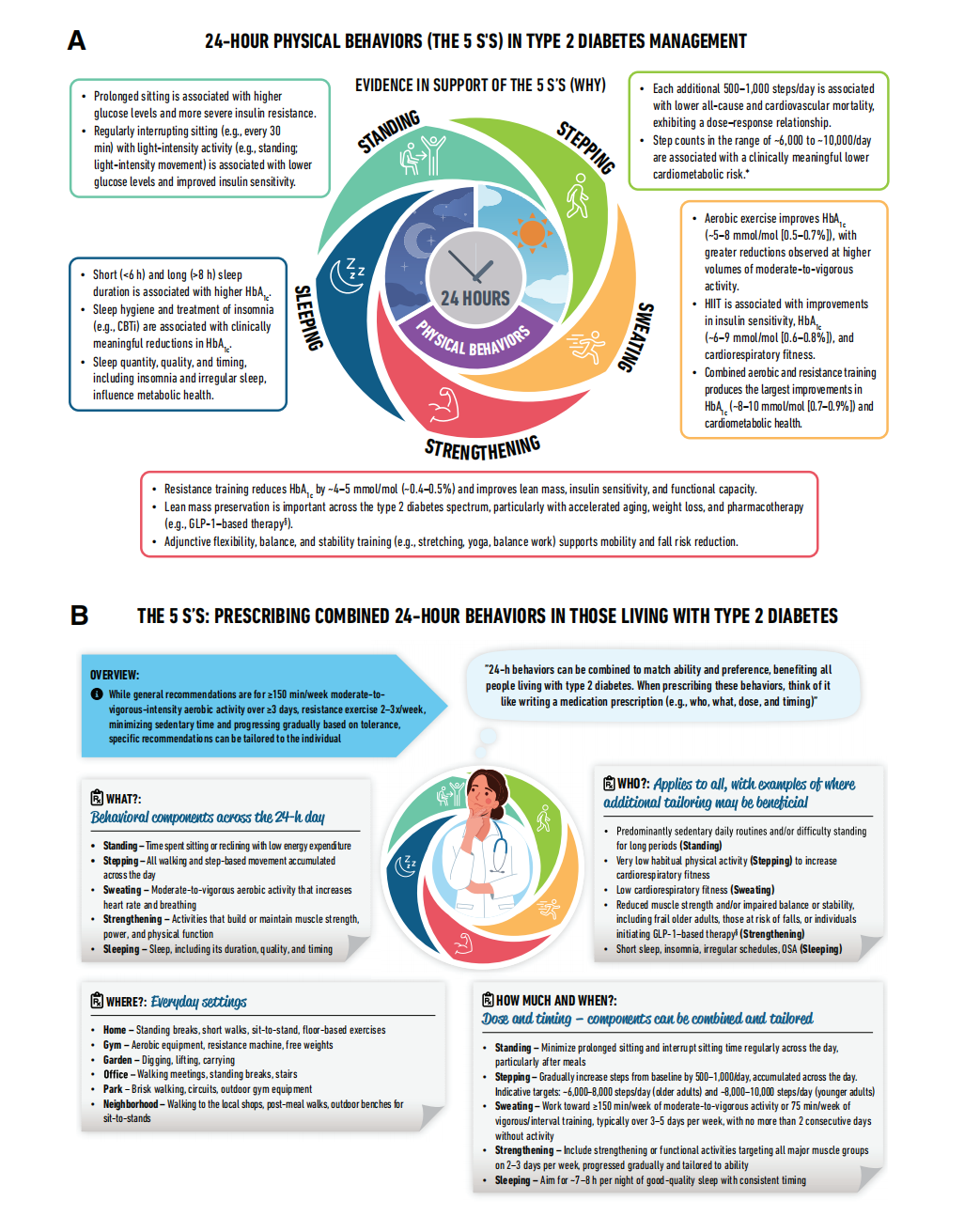 Fig.4. The “5S”Exercise Prescription and its Targets
Individualized Drug Selection by Comorbidity Profile
After establishing the overall treatment landscape, the consensus systematically addresses drug choice by comorbidity. Prof. Giorgino interprets these in turn:
- ASCVD: in established ASCVD, GLP-1 RAs with proven benefit are recommended to reduce major adverse cardiovascular events (MACE) and all-cause mortality; or SGLT2i with proven benefit to reduce MACE, HF, and all-cause mortality and improve renal outcomes. New: given potential additive benefit, high CVD risk or established CVD/renal disease can consider SGLT2i plus GLP-1 combination, regardless of HbA1c. New: in peripheral artery disease (PAD), semaglutide can be used to improve symptoms.
- HF: SGLT2i remain recommended to improve HF and renal outcomes. New: in obesity with HFpEF, semaglutide or tirzepatide is recommended to improve HF symptoms and outcomes; in HFpEF and HFmrEF, finerenone is recommended to improve HF outcomes and mortality.
- CKD: SGLT2i remain the cornerstone and should be continued through to renal replacement therapy regardless of albuminuria status. New: CKD patients should receive a GLP-1 RA with proven benefit (semaglutide is approved for slowing CKD progression). New: finerenone is added for UACR >3.0 mg/mmol (>30 mg/g), applicable when eGFR >25 mL/min/1.73 m^2. New: combined CVD, CKD, and HF should consider early combination therapy.
- Multiple cardiovascular risk factors: this population is defined as age >=55 years with at least 2 of: obesity, hypertension, smoking, dyslipidemia, or albuminuria. GLP-1 RAs or SGLT2i with proven benefit may be considered; however, the consensus notes that because some CVOTs enrolled only established CVD with limited events, certainty for this subgroup is lower and absolute benefit is smaller than for established CVD.
- MASLD/MASH (new chapter): weight loss and lifestyle are the foundation. Obesity with MASLD should receive GLP-1 RAs with proven benefit; biopsy-proven MASH prefers GLP-1 RAs, with pioglitazone or tirzepatide as alternatives and combination considered for enhanced efficacy; decompensated cirrhosis favors insulin; F2-F3 fibrosis should be referred to hepatology for THR-beta agonist evaluation.
- OSA (new chapter): in obesity with T2D and OSA, tirzepatide or a GLP-1 RA with proven benefit is preferred.
- Cognitive decline: no evidence supports the priority of any glucose-lowering drug on cognitive outcomes; safety and simplicity should drive choice in these patients.
- Special populations: early-onset T2D patients experience faster glycemic deterioration and earlier complications; SGLT2i and GLP-1 RAs should be prioritized, alone or in combination. Women of childbearing age require contraception and pregnancy medication-safety counseling. Older adults: drug choice does not differ by age per se, but frailty and comorbidity may require adjustment for safety and tolerability. Drug choice does not differ by race or sex, but ethnic background and social determinants should inform individualized risk assessment.
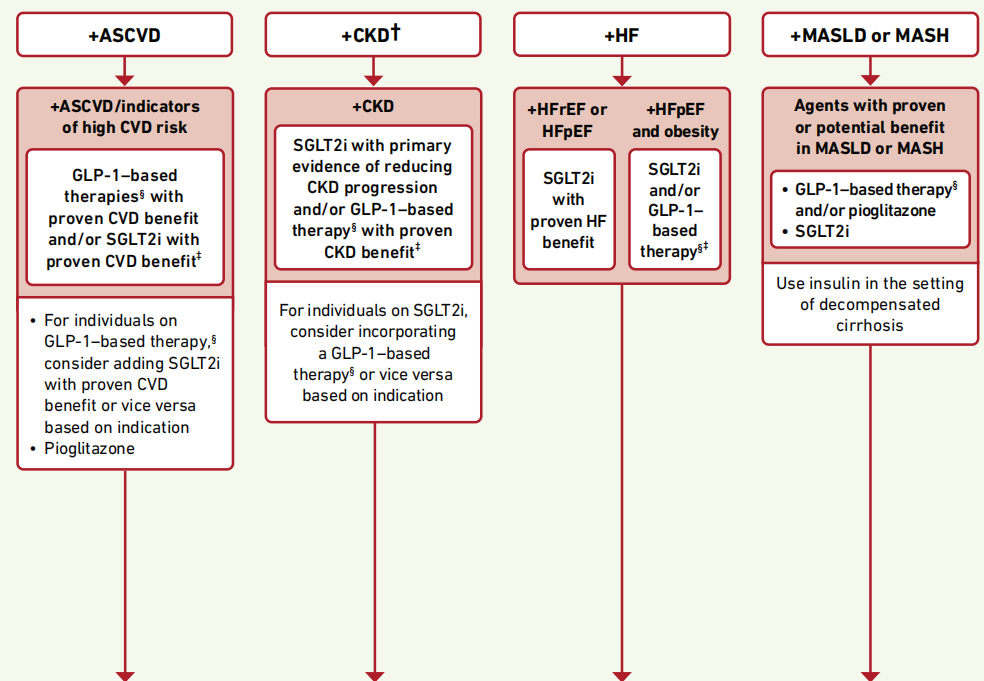 Fig.5. Individualized Drug Selection by Comorbidity Profile
How the Strategy Reaches the Bedside: From Consensus to the Patient
“A consensus may be well written, but if it cannot be implemented, it counts for nothing... there is no universal solution; it must be tailored to local context.” Prof. Nisa Maruthur of the University of Maryland, USA, representing the implementation authors, walked through the implementation strategy.
The consensus states that care should be organized in an integrated, patient-centered way. The team must identify and address multiple long-term conditions, including mental health. Treatment goals should follow the SMART principles (specific, measurable, achievable, relevant, time-limited), be jointly set by clinician and patient, and be regularly reassessed; weight goals are as important as glycemic goals. On this basis, the consensus proposes three mutually reinforcing measures:
- Diabetes self-management education and support (DSMES) should be provided to all patients and regularly revisited;
- Health behavior intervention: all patients should receive medical nutrition therapy (MNT) and regular reassessment. The “5S” physical-behavior framework should be a required component of management. Those undergoing metabolic surgery or GLP-1 RA treatment and other significant weight-loss interventions must receive adequate protein intake and resistance training guidance to prevent lean-mass loss;
- Early pharmacologic intervention: on top of DSMES and behavioral intervention, most patients will benefit from early (even at-diagnosis) introduction of SGLT2i or GLP-1 RA. Patients with overweight/obesity should preferentially receive drugs with weight-loss effects, with early evaluation for metabolic surgery; once weight targets are met, the focus shifts to weight maintenance.
Beyond individual care, the consensus dedicates a section to technology and care-system organization. On technology, the CGM recommendation expands to all T2D patients (especially insulin users), with all evidence-based technologies positioned as adjuncts to a comprehensive management plan, individually configured by clinical need, patient preference, and skill level. The consensus also proposes a “learning health system” framework that lists “reducing health inequity” as a cyclical goal, requiring health systems to establish mechanisms to identify and correct inequities in evidence-based care delivery and ensure all patients can access and afford services.
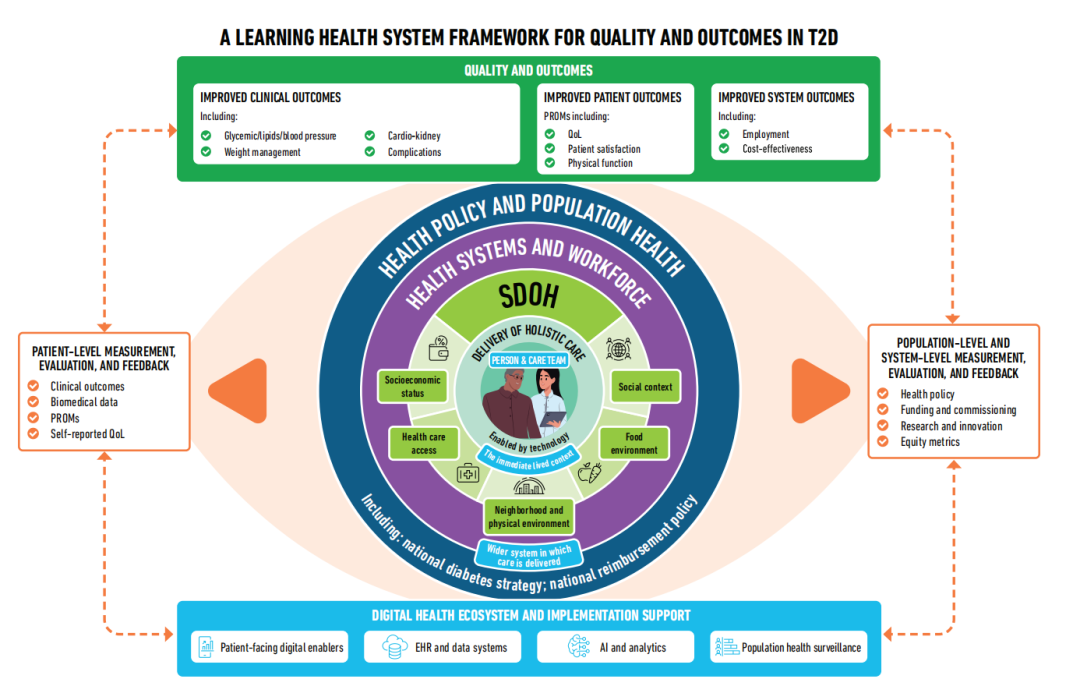 Fig.6. The “learning health system”Cycle Framework
Future Directions: 13 Knowledge Gaps
In addition to recommendations, the writing group identified 13 key knowledge gaps to set research priorities. Prof. John B. Buse of the University of North Carolina, USA, provided a detailed report.
Glycemic Targets and Diabetes Remission
1. Although the link between intensive glycemic control and durable benefit is increasingly accepted, the evidence supporting HbA1c <53 mmol/mol (<7%) remains insufficient, and evidence for specific CGM targets is nearly absent. Setting lower targets requires confirmatory trials.
2. The definition of “remission” needs reassessment: it should not be limited to “normoglycemia off glucose-lowering drugs for 3 months” but reframed as a strategy to reduce complications and related disease risk. Should the definition expand to “long-term improved disease state regardless of continued medication” (especially given SGLT2i use in non-diabetic HF and GLP-1 RAs in non-diabetic obesity)?
3. Optimal long-term remission-maintenance strategies are lacking. DiRECT-style remission is often difficult to sustain.
Treatment Intensity and Sequencing
1. With rapidly expanding drugs and technologies, optimal sequencing and “when to stop intensifying” lack evidence (e.g., when GLP-1 RA has already brought HbA1c to 5.5%, is there still need to add SGLT2i or use CGM?).
2. Most GLP-1 RA trials enrolled only overweight or obese populations; how to use these drugs in patients without weight-loss need is unclear; dulaglutide may be considered for patients seeking glycemic and cardiovascular benefit without weight loss.
3. Early-onset T2D (especially adolescents, with the highest lifetime complication risk) lacks trial evidence for early intensive treatment; how and when to de-intensify in later life is also poorly understood.
Specific Population Management
1. Women’s health in diabetes is overall under-researched; GLP-1 RA management in pregnancy is a particularly acute dilemma, as these drugs are not recommended in pregnancy (potential fetal harm) yet discontinuation may lead to greater gestational weight gain and glycemic loss-of-control, with potential harm to mother and child.
Weight Management
1. How should adiposity be measured to accurately reflect its metabolic impact? Medical and surgical weight loss lack clear target values.
2. The optimal lifestyle program (MNT plus “5S”) to support GLP-1 RA therapy, achieving weight goals while preserving muscle, bone, and function, and addressing accelerated aging, remains undefined.
3. Are low doses of high-potency drugs equivalent to high doses of moderate-potency drugs for outcomes? Post-weight-loss maintenance strategies are also undefined.
Refractory Hyperglycemia and Combination Therapy
1. How should patients with inadequate response to standard therapies be systematically evaluated? Recent studies suggest hypercortisolism screening can identify treatable causes in approximately 25% of refractory patients, implying other unknown mechanisms remain.
2. The role of cortisol-targeted therapy in T2D management requires deeper characterization.
3. Although the consensus repeatedly suggests combination therapy is worth considering, whether GLP-1 RA and SGLT2i should be routinely combined, and in what order, still lacks convincing hard-endpoint evidence.
Closing Note: The Consensus Has Arrived; Implementation Is the Work of Clinicians
From a document to a discipline, the distance is measured in the daily choices of countless clinicians, and this closing session aimed to shorten that distance. From 2006 to 2026, the consensus has completed its evolution from “controlling blood glucose” to “protecting whole-life-course health.” As Prof. Melanie J. Davies said at the opening, the ability to change T2D patient outcomes is already in our hands; what remains is the consistent, equitable, systematic translation of that ability into everyday clinical practice.
References
[1] Davies MJ, Aroda VR, Bajaj M, et al. Management of Type 2 Diabetes, 2026. A Consensus Report by the American Diabetes Association (ADA) and the European Association for the Study of Diabetes (EASD). Diabetes Care 2026; dci260141. https://doi.org/10.2337/dci26-0141
[2] Davies MJ, Rossing P, Giorgino F, Maruthur N, Buse JB. ADA/EASD consensus report on management of type 2 diabetes: presented at the 59th Annual Meeting of the European Association for the Study of Diabetes (EASD 2026), Milan, Italy, Oct 2, 2026.

