


Recently, a multicenter phase 3 clinical study led by Prof. Wei Zhang’s team at Peking Union Medical College Hospital was published in the authoritative journal Blood Cancer Journal. This study is the first head-to-head comparison of the dual-epigenetic regimen azacitidine + chidamide + CHOP (AC-CHOP) versus standard CHOP as first-line therapy, and provides key evidence-based support for molecular stratification and precision treatment of peripheral T-cell lymphoma (PTCL), with great guiding significance for optimizing first-line PTCL treatment in China. In Episode 82 of the “Researcher’s Voice” column, Prof. Wei Zhang provided an in-depth interpretation of the core value and clinical significance of this study. This article summarizes the key points of the interview.
Expert Profile: Prof. Wei Zhang
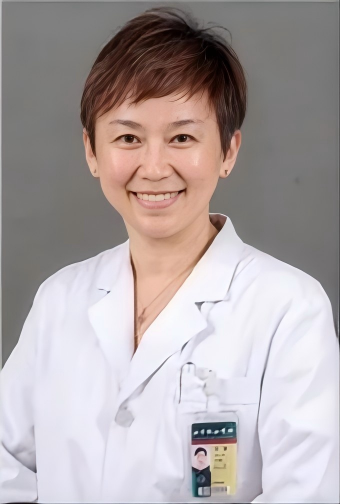
• Chief Physician, Department of Hematology, Peking Union Medical College Hospital; Master’s Supervisor
• Youth Committee Member, Chinese Geriatric Lymphoma Society
• Committee Member, Hematologic Oncology Specialty, China Anti-Cancer Association (CACA)
• Committee Member, Blood Immunology Branch, Chinese Society of Immunology
• Standing Committee Member, China Anti-Lymphoma Alliance
• Chair, Lymphoma Immunotherapy Specialty Committee, Beijing Cancer Prevention and Treatment Society
• Secretary, Hematologic Disease Expert Committee, Beijing Medical Award Foundation
• Main specialty: lymphoma and hematopoietic stem cell transplantation
• Has participated in or led multiple general programs, Capital Featured Projects and Beijing Natural Science Foundation grants; first or corresponding author on more than 70 SCI and core journal papers; co-author of monographs including Lymphoma and Peking Union Hematology
From chemotherapy addition to biology addition: the logic behind dual epigenetic combination
PTCL has a large patient base in Asia, and epigenetic dysregulation is the core biological feature across all subtypes — this is also the underlying logic behind Prof. Zhang’s team persisting in PTCL combination chemotherapy research for more than a decade:
- l As early as 2010, the Department of Hematology at Peking Union Medical College Hospital began exploring first-line regimen optimization, sequentially trying intensified chemotherapy and anthracycline-free multi-drug combinations, but all studies were terminated due to poor efficacy, severe myelosuppression and infection;
- l In 2016, the team pioneered a single-arm study of chidamide combined with CHOEP. Although survival benefit from chidamide maintenance was observed, the improvement in remission with a single epigenetic agent combined with chemotherapy was limited, and management of adverse events was not yet mature.
- l The team found a breakthrough from epigenetic mechanisms: tumor methylation and acetylation regulatory pathways are interconnected, and a single epigenetic agent can only block one pathway. Combining the demethylating agent azacitidine with the histone deacetylase (HDAC) inhibitor chidamide can achieve dual epigenetic reprogramming; meanwhile, single-arm studies have selection bias, and head-to-head validation of true benefit is urgently needed.
Based on this, Prof. Wei Zhang’s team led a phase 3 study across 9 centers in China. The study used a centralized allocation design and enrolled 128 newly diagnosed PTCL patients (84 in the AC-CHOP group, 44 in the CHOP-only group), covering the most common subtypes in China; the dosing schedule was adapted to the standard 21-day chemotherapy cycle in China, fully reflecting the real clinical practice in China.
Core survival data revealed: “Survival is what matters!”
▌ 1. Objective response rate (ORR): numerically superior, did not reach statistical significance
The ORR in the AC-CHOP group was 60.7% and the complete response (CR) rate was 47.6%, numerically higher than 54.6% and 36.4% in the CHOP group, but did not reach the predefined statistical endpoint.
Prof. Wei Zhang explained the key reason: to fit the 21-day standard chemotherapy cycle, the study used subcutaneous azacitidine in a 3-day short schedule (total dose 500 mg), lacking sustained long-acting epigenetic modulation. She expressed hope that future studies could use an oral formulation of azacitidine for continuous intervention and repeat the study.
▌ 2. Survival endpoints: significant OS extension, favorable long-term benefit
- l Median progression-free survival (PFS): 10.2 months in the AC-CHOP group vs 8.4 months in the CHOP group, with a clear trend of benefit;
- l OS: 46.2 months in the AC-CHOP group, vs only 24.1 months in the CHOP group (P=0.023);
- l 2-year overall survival rate: 69.2% in the AC-CHOP group, an improvement of nearly 20 percentage points over the 50.1% achieved with traditional CHOP.
Prof. Wei Zhang provided an in-depth analysis of the key mechanisms underlying “no difference in short-term remission but large gain in long-term survival”:
- l Sustained tumor control through maintenance therapy: a higher proportion of patients in the AC-CHOP group who achieved CR after induction received chidamide maintenance;
- l Stratified advantage in salvage therapy after relapse: patients in the AC-CHOP group who relapsed more often received novel targeted agents such as brentuximab vedotin and JAK inhibitors, and achieved higher salvage efficacy;
- l Higher proportion of consolidation transplant: 14.29% of patients in the AC-CHOP group received autologous transplant after first-line remission, vs only 9.09% in the CHOP group; consolidation therapy further extended the survival window.
The study also indicated that even when patients subsequently relapsed, multi-line stratified novel agents could continue to extend survival. Tumor treatment is no longer a case of “one induction defines a lifetime” — full-course standardized management is the core of extending survival: survival is what matters.
Safety management, molecular stratification and maintenance: moving the regimen into routine clinical practice
▌ 1. Full-course adverse-event management plan for dual-epigenetic combination chemotherapy
Overall safety was manageable, with AC-CHOP only slightly adding myelosuppression and alanine aminotransferase (ALT) elevation; the core risk was opportunistic infection, which can be mitigated through standardized prophylaxis in clinical practice:
- l Oral compound sulfamethoxazole (SMZ-TMP) prophylaxis throughout;
- l Long-acting granulocyte colony-stimulating factor (G-CSF) prophylaxis to reduce the risk of severe infection.
▌ 2. NGS molecular markers: strong prognostic stratification value
The study performed targeted sequencing covering 413 lymphoma-related genes in 63 patients, clarifying the impact of different epigenetic-related mutations on efficacy and survival, and providing an evidence-based basis for stratified regimen selection in newly diagnosed patients:
- l DNMT3A mutations: mutated patients had significantly lower ORR and CR rates with AC-CHOP, and mostly had concurrent clonal hematopoiesis; the dual-epigenetic regimen cannot reverse the methylation abnormality — a clearly poor-response subtype.
- l IDH2 mutations: a long-term high-risk prognostic marker; mutated patients had significantly shortened OS; IDH2 mutations can be combined with corresponding targeted inhibitors for intervention.
- l TP53 mutations: a long-term high-risk prognostic marker; the worst OS across the entire cohort, and a common challenge shared with solid tumors.
Prof. Wei Zhang noted that PTCL is highly heterogeneous, and differentiation based on the genetic level alone is not enough; in the future, the tumor microenvironment and immune subtyping may also need to be incorporated. “We are still on the way, and we hope that Chinese research can offer some insights to lymphoma colleagues around the world” she said.
▌ 3. Post-CR consolidation and maintenance strategy: broadening the survival path for non-transplanted patients
A clear real-world pain point in Chinese PTCL practice: the rate of autologous hematopoietic stem cell transplantation (auto-HSCT) implementation among newly diagnosed patients achieving CR is only about 10%, limited by age, finances, physical tolerance, and patient preference; many patients do not undergo transplant consolidation.
Subgroup analyses in this study provide key evidence for clinical decision-making:
- l Auto-HSCT did not show a significant survival advantage: among all patients achieving CR after induction, no statistically significant difference in PFS or OS was observed between transplanted and non-transplanted patients (P=0.323, 0.698);
- l Chidamide maintenance provided clear OS benefit: chidamide monotherapy maintenance after CR induction, compared with observation alone, significantly extended OS, with significantly reduced relapse risk.
Prof. Wei Zhang also offered an extended outlook on the PTCL maintenance system:
Chidamide monotherapy maintenance has the advantage of medical-insurance accessibility and convenient oral administration, while multiple cutting-edge studies provide additional options: positive results on JAK inhibitor maintenance have been presented at the European Hematology Association (EHA) Annual Meeting abstracts; in the future, novel agents such as golidocitinib and EZH2 inhibitors can also be incorporated into the maintenance regimen library, allowing clinicians to individualize regimens according to the depth of remission.
Summary
Every iteration of a treatment regimen in hematology represents a breakthrough in the survival bottleneck for patients; every piece of phase 3 clinical data embodies years of dedication by clinical investigators. This national multicenter phase 3 AC-CHOP study — an original, landmark achievement entirely based on the Chinese PTCL population — fully addresses four core clinical questions: first-line regimen optimization, adverse-event prevention, molecular stratification, and post-remission long-term management, providing authoritative and detailed reference for standardized management of newly diagnosed PTCL in China.
We look forward to more original clinical research based on Chinese lymphoma populations in the future, continuously optimizing stratified and individualized treatment regimens, so that more patients can achieve longer survival and better quality of life.

