


Few people know that Li Qingguo, the president of the Second Affiliated Hospital of Nanjing Medical University and a renowned cardiac surgeon in China, actually started his career in a county-level hospital after graduating from a secondary vocational school.
Coming from a poor rural family, after becoming a renowned expert in the field of cardiac surgery through hard work, Li Qingguo did not forget those who could not afford medical treatment due to financial difficulties. In order to help children with congenital heart disease from impoverished families survive, in 2014, Li Qingguo founded the medical charity project "Heart Care Project." To date, he and his team have traveled through 13 provinces and 124 counties across the country, mending the hearts of more than 1,700 children from poor families and also training over 10,000 medical personnel at the grassroots level.
At the same time, Li Qingguo has also broken the traditional boundaries of "internal and external division" in the diagnosis and treatment of cardiovascular diseases. The cardiovascular center he led in establishing, after 10 years of development, has integrated multiple disciplines such as cardiac surgery, cardiology, vascular surgery, and cardiac intensive care, completely realizing integrated diagnosis and treatment for patients.
This is the story of a cardiac surgeon and children with congenital heart disease from impoverished backgrounds, and also the story of a cardiac surgeon who always puts "patients at the center," continuously seeking breakthroughs. Li Qingguo's life story began in 1974, but let's start from the year 2014.
"Matters Beyond the Operating Table"
In 2014, a news story went viral across major media outlets in Nanjing. Chen Chen, who was nine months old, suffered from congenital heart disease. Her ventricular septal defect was severe, with arterial blood flowing back into the veins. If not promptly sealed through surgery, she would lose the opportunity for surgery, ultimately endangering her life.
Chen Chen's mother came to Nanjing from another province to work, serving as a waitress in a restaurant with a monthly income of only 2,000 yuan. Despite living frugally, she had little left over and was simply unable to afford the medical expenses. However, upon learning about the situation, the restaurant owner took the initiative to contribute 25,000 yuan to help the child and also helped to find out that the nearby Second Affiliated Hospital of Nanjing Medical University had just recruited a cardiac surgery expert.
This cardiac surgery expert was Li Qingguo. That year, Li Qingguo left the Gulou Hospital in Nanjing, where he had worked for twelve years, to come to the Second Affiliated Hospital of Nanjing Medical University to establish a cardiac surgery department. His plan was to create an integrated cardiovascular center, from the front-end talent reserve to the multidisciplinary support in clinical practice, to achieve a one-stop comprehensive treatment for cardiovascular diseases.
The restaurant owner's generous donation deeply touched Li Qingguo. He approached the hospital leadership to request further reduction of the child's hospitalization fees, nursing fees, and other miscellaneous costs. The surgery was also very successful; Li Qingguo personally repaired the defective ventricular septum, and Chen Chen's congenital heart disease was completely cured.
After the media coverage, an enthusiastic citizen from Nanjing called anonymously, offering to fund the treatment for 10 more children with congenital heart disease from impoverished families, allowing them to return to a normal life. This series of events inspired Li Qingguo with an idea to establish a rescue project for children with congenital heart disease, and the "Heart Care Project" was born from this inspiration.
As the most common type of congenital deformities in children, congenital heart disease has various diagnostic categories, such as patent ductus arteriosus, pulmonary artery stenosis, atrial septal defect, Tetralogy of Fallot, aortic stenosis, etc. The corresponding treatment methods and difficulties, the health status of patients, and life expectancy vary greatly.
"For some complex congenital heart diseases, surgery must be performed within the first 24 hours after birth. If the best treatment window is missed, the condition will gradually progress to late-stage pulmonary artery hypertension. There are also children with cyanotic congenital heart disease who are in a state of long-term oxygen deprivation; if an episode occurs one day, they could be gone," said Li Qingguo.
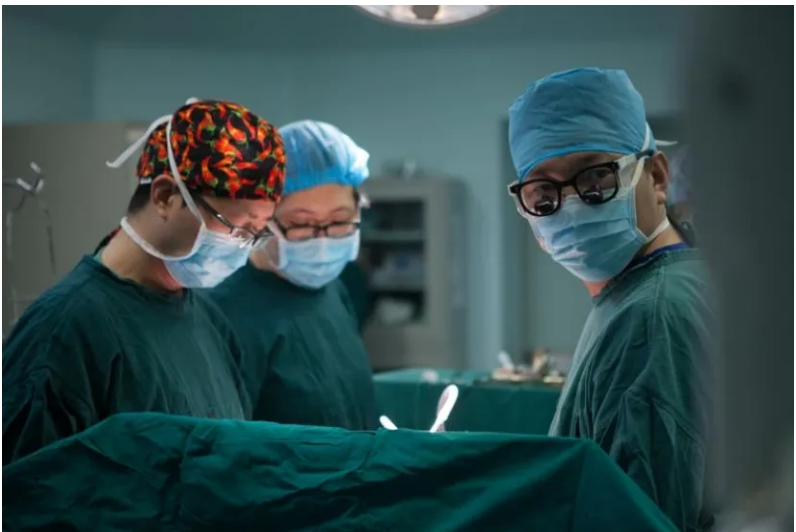
Fig.1 Professor Li Qingguo during surgery (first on the right)
Congenital heart disease requires early diagnosis and a proper intervention plan. Relevant statistical data show that there are more than 4 million people with congenital heart disease in China, with nearly 200,000 new congenital heart disease newborns each year, but more than half fail to receive timely treatment.
"The development of cardiac surgery in China is very uneven, especially more than ten years ago. Although some tier-one hospitals in Beijing, Shanghai, and Guangzhou were already close to the international leading level, in many places, it might not be possible to find a team capable of performing heart bypass surgery in the entire city," Li Qingguo recalled to "MedJ".
In addition to the scarcity of cardiac surgery experts, based on the complexity of the structural deformities, the treatment costs for congenital heart disease range from tens of thousands to hundreds of thousands. "Many children from remote areas and impoverished families cannot afford medical treatment, so they just stay at home, and their illnesses become more and more prolonged," Li Qingguo told "MedJ."
In fact, this was not the first time Li Qingguo had realized this problem. "But at my previous workplace, I had to perform more than 400 heart surgeries a year; I was too busy operating to think about anything 'beyond the operating table.'" After coming to the Second Affiliated Hospital of Nanjing Medical University, starting from scratch allowed Li Qingguo to calm down and rethink what a surgeon could do besides performing surgeries.
From County Hospital to Top-tier Hospital
In 1974, Li Qingguo was born into an impoverished rural family in Binhai County, Yancheng City, Jiangsu Province.
As a child, in order to make ends meet, he had to study while also helping his family with chores like cutting pigweed and picking cotton. Today, the hands of this cardiac surgeon still bear the marks from those childhood tasks. At that time, Li Qingguo could never have imagined that these hands, which were used to farm work, would one day "operate" on human hearts and change the destinies of thousands of families.
After graduating from Yancheng Health School, Li Qingguo was assigned to a county hospital, starting with the most basic appendectomy procedures. He quickly grew into a proficient surgeon and also increasingly realized that the knowledge he had learned at the health school was insufficient. In 1995, he was admitted to Jiangsu Medical University for Staff and Workers. After graduating with an associate degree in 1998, Li Qingguo returned to that county hospital, becoming a somewhat famous "skilled surgeon" there.
In 2000, Li Qingguo went to the General Hospital of Nanjing Military Region for further study in the Department of General Surgery. In this military hospital filled with experts, he witnessed a cardiac surgery for the first time—thoracotomy, establishing extracorporeal circulation, inducing the patient's heart to stop, opening the heart for repair... Li Qingguo was deeply shocked.
Li Qingguo wanted to change this situation. After the completion of his further education, for two whole years, apart from working, he was immersed in reading books. In 2002, he successfully passed the examination and was admitted to the Department of Cardiothoracic Surgery at Nanjing University Medical School. Looking back to this day, Li Qingguo still feels heartfelt gratitude towards his alma mater — at that time, Nanjing University was one of the few universities in the country that still admitted students with an associate degree, and the admission to graduate studies only depended on scores, not background.
Nanjing Drum Tower Hospital is the affiliated hospital of Nanjing University Medical School. During his graduate studies, Li Qingguo lived in the on-call room of the hospital's cardiothoracic surgery department. Whenever there was an opportunity to participate or even just observe, he would rush to the operating table at the first moment. Sometimes he did not even leave the hospital's main gate for a whole week. By the time he graduated from graduate school, Li Qingguo, who originally had no foundation in cardiothoracic surgery, was already able to independently perform mitral valve replacement surgery.
In the more than ten years that followed, Li Qingguo's medical career has been smooth sailing. He further pursued a doctoral degree, and by the time he graduated with his Ph.D. in 2011, at the age of 37, Li Qingguo was already capable of performing Type A aortic dissection surgery as the lead surgeon. At that time, there were only about a hundred experts in the country who could perform such surgeries.
After completing his Ph.D., Li Qingguo went on to further his studies at the University of Pennsylvania's Perelman School of Medicine and the Mayo Clinic in the United States. At the Perelman School of Medicine, where visiting students were not allowed to perform surgeries, Li Qingguo observed from the sidelines but never missed an opportunity to learn. He diligently watched and learned the DAVID operation (David Vascular Surgery), which is hailed as the "pinnacle of cardiovascular surgery" for aortic root replacement with valve preservation. After returning to China in 2014, he introduced and began performing this procedure in the hospital.
Mass screening
The "Heart Care Project" officially launched, and Li Qingguo realized that relying solely on being a "master surgeon" in the clinic, there was still a lot the doctors could not do. "After the initial release of the rescue information, not many parents brought their children to the hospital," Li Qingguo told "MedJ", "We speculate that perhaps due to the information gap, those families in real need, who are poor, may not even have access to channels to learn about various rescue projects."
To address this, Li Qingguo decided to step out of the large hospital and return to the grassroots level to take a look. The first stop was his hometown—Binhai County, Yancheng City.
The situation there was much more severe than he had anticipated. Due to a lack of knowledge about diseases, coupled with a scarcity of local medical resources, not to mention treatment, many parents were not even aware if their children were sick. "Diagnosing congenital heart disease requires experienced doctors to combine echocardiography and other imaging results to conduct a detailed physical assessment of the patient. But in grassroots areas, many times it relies on general practitioners using a stethoscope for auscultation."
"Many children are misdiagnosed with pneumonia, asthma, or malnutrition... There are also many children who are asymptomatic or have inconspicuous symptoms, and upon our examination, we found that they already have ventricular septal defects or atrial septal defects, but no one had realized they had health issues before," Li Qingguo told "MedJ" ,"Even some parents, who already know their child has congenital heart disease, think that since they don't have the money to treat it, and if the news of the illness gets out, the child might be discriminated against as a result."
The various experiences made Li Qingguo realize that if he didn't want the "Heart Care Project" to become just a slogan, it couldn't merely be a "hospital-based project." Starting in the second half of 2014, using weekends to drive with equipment, Li Qingguo and his team initiated a comprehensive congenital heart disease screening in the grassroots areas of Northern Jiangsu, "We need to screen out the poor children who need treatment first, and then find ways to bring them back to Nanjing for surgery."
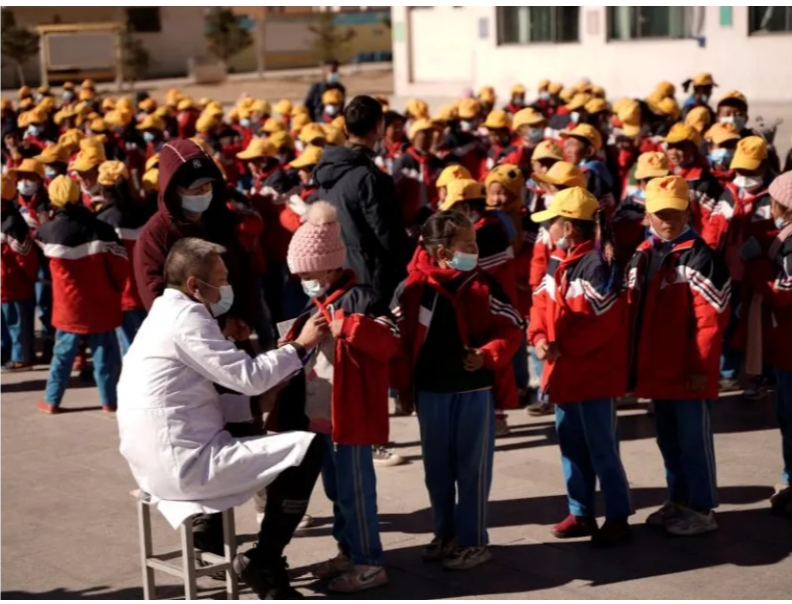
Fig.2 Li Qingguo's team conducted congenital heart disease screening on campus.
"There were times when our medical staff were even mistaken for scammers, and local residents simply couldn't believe that surgery costs of tens of thousands or even hundreds of thousands could be waived just like that. Some people even called the police. In the end, it was the staff from the local government departments who stepped in to help us with the popularization of disease prevention and control," Li Qingguo recalled. Over the past decade, the "Heart Care Project" team has traveled through more than 200 towns in Northern Jiangsu, providing free screening for more than 80,000 children.
But this was far from enough. Li Qingguo was very clear that he and his team could not stay in the area forever; once they left, who would take over this work? "At that time, we also discussed with the staff of the provincial poverty alleviation office, hoping to organize ultrasound doctors from grassroots areas to come to Nanjing, where we would provide free diagnostic training programs."
Each term lasts for three months with 4-6 participants, and the tuition and accommodation fees are completely waived. In 2015, Li Qingguo's team further launched the "Free Training Program for Cardiac Ultrasound Doctors." From anatomy and sectioning to diagnosis and film reading, the program has already trained over 100 cardiac ultrasound doctors for the Northern Jiangsu region.
Li Qingguo believes that these trained grassroots doctors will change the life destinies of more children in the future.
Visiting all over the nation
In April of this year, Wenwen, an 11-year-old girl from Qinghai, successfully underwent a right ventricular to pulmonary artery conduit connection surgery at the Second Affiliated Hospital of Nanjing Medical University. This is only a palliative treatment method, used to temporarily improve the blood supply of the pulmonary artery. In the coming years, the team will continue to follow up with Wenwen and choose the right time to carry out two more surgeries to completely repair her heart.
Wenwen was diagnosed with pulmonary atresia at birth. Due to the inability of venous blood to pass through the pulmonary artery into the lungs for oxygenation, she has been in a state of severe hypoxemia for a long time, weak and frequently ill. To treat pulmonary atresia, it is necessary to reconstruct the physiological connection between the pulmonary artery and the right ventricle. The local area does not have the capability to carry out such surgery, and the doctors judged that Wenwen would not live past the age of 20.
Before the "Heart Care Project" team went to Qinghai, Wenwen's family had never thought about taking her out of the province to seek medical treatment. The family income was barely enough to cover their basic needs, and gathering enough money for travel expenses and accommodation was already a challenge, let alone finding the already scarce cardiac surgery resources.
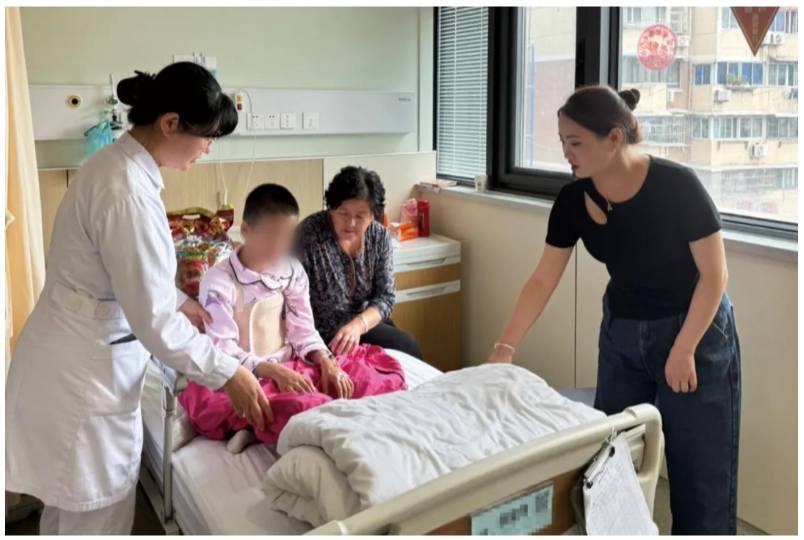
Fig.3
In fact, the cost is not only a hurdle that poor families with congenital heart disease cannot get around, but it is also one of the things that has troubled Li Qingguo for many years. It is understood that the fixed funding source for the "Heart Care Project" is the national medical insurance reimbursement, as well as the various service medical expenses that the hospital waives for poor families. However, the remaining gap needs to be figured out by Li Qingguo and his team themselves.
"Around 2016, 'finding funds' was very difficult for us. There are indeed many medical public welfare organizations in society, but the needs of those who require help extend far beyond children with congenital heart disease," Li Qingguo told "MedJ", "How to make these organizations understand us, trust us, and believe that every donation will be properly used, is the problem we need to solve."
To address this, on one hand, the team arranged for dedicated administrative staff to search for every possible funding public welfare project, report the basic situation of the rescue objects, and help collect and organize materials, guiding each family to fill out the rescue application forms. On the other hand, Li Qingguo also firmly believes that "one must be strong to forge iron," "As long as we work diligently and achieve results, we will naturally gain recognition."
In the Xinjiang Kizilsu Kirghiz Autonomous Prefecture, located on the Pamir Plateau, many herdsmen in pastoral areas do not have the habit of premarital or prenatal examinations, and newborns have hardly ever undergone congenital heart disease screening. In the first three days of the first phase of the "Heart Care Project" in Kizilsu Kirghiz Autonomous Prefecture, Xinjiang, more than 30 children from impoverished families who needed to be brought back to Nanjing for surgery were screened and identified.
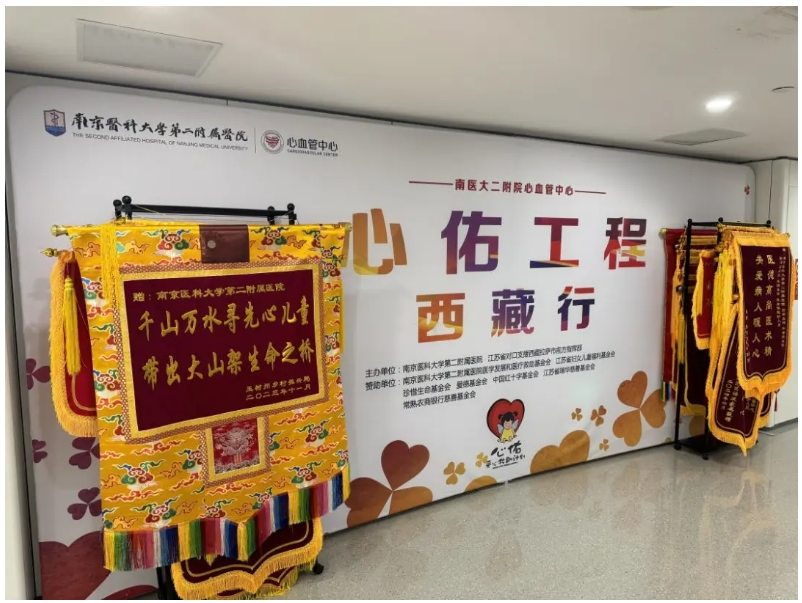
Fig.4 The team has not failed to consider the "risks."
Statistical data show that the overall success rate of congenital heart disease surgery in our country is about 98%. Since the "Heart Care Project" is a spontaneous public welfare project that actively encourages families with children to travel thousands of miles to Nanjing for surgery, failure is "not allowed to happen." However, Li Qingguo doesn't have time to think about that much. Besides being confident in his team, he is also aware that this may be the only chance for these children.
As of now, the "Heart Care Project" has conducted nearly 10,000 congenital heart disease screenings in high-altitude areas and has treated more than 150 children with congenital heart disease from these regions, with a 100% success rate in surgeries.
"After the surgery and recovery, our medical staff often take the children around to various places, such as the Sun Yat-sen Mausoleum, the Underwater World, and the Confucius Temple... These children have never left the mountains or the grasslands before. We hope that through the 'Heart Care Project,' not only can we cure their illnesses, but also allow them to see the great landscapes of our motherland," said Li Qingguo.
From the "Heart Care Project" to the "Cardiovascular Center"
Looking back on the ten-year journey of the "Heart Care Project," in addition to the support from government departments, hospitals, and civilian philanthropists and organizations, Li Qingguo is most grateful for the medical staff on his own team.
At the very beginning of the screening initiative in the Northern Jiangsu region, the project did not have many resources. The medical staff had to use their own time off and even pay for their own fuel costs for going out. Despite this, every weekend, all the medical staff in the department still actively signed up, hoping to be part of this cause.
Yuan Zhenmao, the chief physician in the cardiac ultrasound department of the Second Affiliated Hospital of Nanjing Medical University, once had a record of performing 176 cardiac ultrasound screenings in a single day, which is four times the normal workload. Yuan Zhenmao is also the person in charge of the "Cardiac Ultrasound Doctor Training Program." In September 2022, he further established a famous doctor's studio at the Yishan Central Health Center in Lianyungang City, dedicated to promoting the development of cardiac ultrasound technology at the grassroots level.
Geng Zhi, a deputy chief physician at the Cardiovascular Center, was originally a police officer but later chose to leave the police force to pursue a career in medicine and joined Li Qingguo's team. More than half of each year, Geng Zhi is either at the grassroots level or on the way to grassroots screening, covering nearly 100,000 kilometers over ten years. Geng Zhi has five WeChat accounts for work, each with 2,500 friends, all of whom are families of children he has treated.
Wang Lu, the head nurse of the Cardiovascular Center, was one of the first medical staff to follow Li Qingguo to establish the department at the Second Affiliated Hospital. In the early years when the "Heart Care Project" carried out screenings and free clinics in Northern Jiangsu, she was not only the main organizer but sometimes also served as a driver. The "Heart Care Project" focuses on treating children from impoverished families, who are relatively more sensitive and introverted. In addition to standardizing nursing practices, Wang Lu often trains young nurses on how to become friends with the children they care for.
The team's efforts have been recognized by all sectors of society. Initially, only a few medical staff were involved in the "Heart Care Project." Now, including volunteers, more than 150 people have joined this cause. The team has also established cooperative relationships with several medical institutions in the western regions to ensure that after they leave, local children with congenital heart disease can still receive timely diagnosis and medical advice.
Over the past few years, the operation model of the "Heart Care Project" has become increasingly mature. Li Qingguo told "MedJ" that he now has more energy to devote to his original dream - building an integrated cardiovascular center.
Without distinguishing between internal and external medicine, and integrating multidisciplinary resources to the greatest extent, building a cardiovascular center was the fundamental reason for Li Qingguo to leave his comfort zone and start from scratch at the Second Affiliated Hospital of Nanjing Medical University. "The development of the cardiovascular specialty has come a long way. The treatment of many diseases now includes medication, catheter interventions, various invasive surgeries, and cardiac rehabilitation, among other methods and means. These have become increasingly diverse, but the boundaries have also become gradually blurred."
Taking the treatment of atrial septal defects in congenital heart disease as an example, Li Qingguo told "MedJ," "Under certain indications, if a patient consults a cardiologist, the doctor will suggest interventional treatment. If they consult a cardiac surgeon, the surgeon will recommend surgery. However, these are all medical recommendations based on the doctor's own specialty. After considering the overall effectiveness, prognosis, and medical costs, they may not necessarily be the best solution for the patient's treatment."
The division of departments has limited the formulation of the best treatment plans for patients. Based on the difficulties and pain points of patients seeking medical treatment, Li Qingguo innovatively proposed to integrate cardiology and cardiac surgery to establish a cardiovascular center. He hopes that cardiovascular patients will no longer have to run around various departments, struggling to make "multiple-choice questions."
At the suggestion of Li Qingguo, starting from 2014, the hospital gradually integrated vascular surgery, anesthesiology, monitoring teams, ultrasound teams, and others into the Cardiovascular Center. By 2020, the hospital further included related departments of cardiology under the management of the Cardiovascular Center. In October 2022, the Cardiovascular Center of the Second Affiliated Hospital of Nanjing Medical University was completely relocated to the new hospital area, with medical staff from related departments working in the same close space, completely breaking the physical boundaries between different departments.
With more than 200 beds, 4 DSA catheterization laboratories, 4 class 100 operating rooms, and more than 250 medical staff... In 2023, the hospital's Cardiovascular Center completed over 1000 cardiac surgeries throughout the year. Among the patients, the youngest was only 2 months old, and the oldest was 90 years old. Completing 1000 surgeries is a recognized milestone in the field of cardiac surgery. The "White Paper on Cardiac Surgery and Extracorporeal Circulation Data Survey in China 2022" shows that there are only 56 hospitals nationwide that perform more than 1000 surgeries per year.
Thanks to the successful experience of the Cardiovascular Center, according to Li Qingguo, the hospital has subsequently established a Kidney Disease Center and a Gastroenterology Center. Currently, the integration of the Neurology and Neurosurgery departments at the Second Affiliated Hospital of Nanjing Medical University is also underway.
"The 'Heart Care Project' will continue, but we are also aware of its limitations," when discussing future plans, Li Qingguo said to "MedJ", In the end, it can only help a limited number of children. From a long-term perspective, only by continuously advancing the construction of the Cardiovascular Center can we fundamentally promote the development of cardiovascular science and benefit more patients."

