


After nearly 40 years in clinical anesthesiology, Dr. Zhongyuan Xia, Director of Anesthesiology at Wuhan University People's Hospital, had never encountered a case of malignant hyperthermia—until this year.
Malignant hyperthermia (MH) is an extremely rare, life-threatening condition triggered by certain anesthetic drugs. Known as "the anesthesiologist's nightmare" for its rapid progression and high fatality rate, it struck earlier this year during a routine laparoscopic cholecystectomy on a 26-year-old male patient.
This was the first MH case recorded at the hospital since the 1990s, despite over one million surgeries performed during that period.
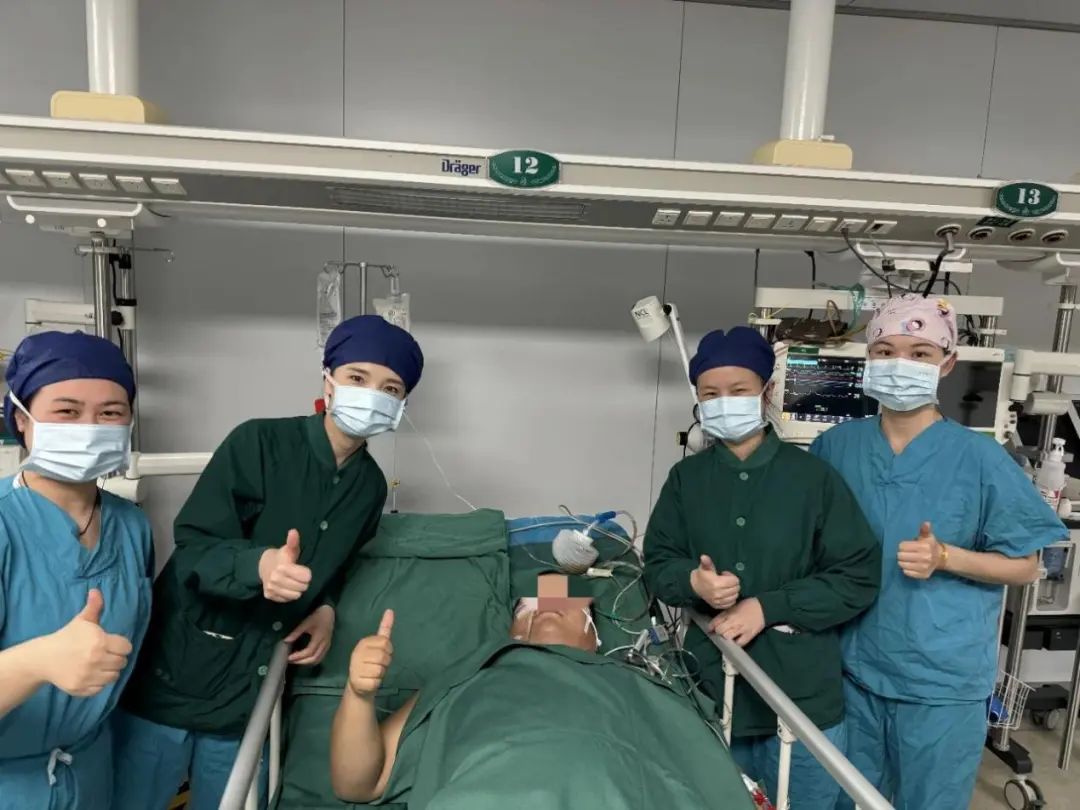 The picture of patient and medical team after successful treatment. Image source: Renmin Hospital of Wuhan University.
The Crisis Unfolds
The surgery began normally, with stable vital signs. However, Dr. Yanian Wei, the lead anesthesiologist, noticed a persistent elevation in end-tidal carbon dioxide (PETCO2)—an early red flag for MH.
She immediately checked the breathing circuit, auscultated the lungs, and examined the patient for subcutaneous emphysema. Soon, she observed discoloration and overheating of the soda lime canister, key indicators of MH.
MH is a genetic disorder causing uncontrolled skeletal muscle metabolism in susceptible individuals upon exposure to triggering anesthetics. It leads to muscle rigidity, soaring body temperature (often exceeding 42°C), and severe metabolic disturbances, with a historical mortality rate as high as 73%.
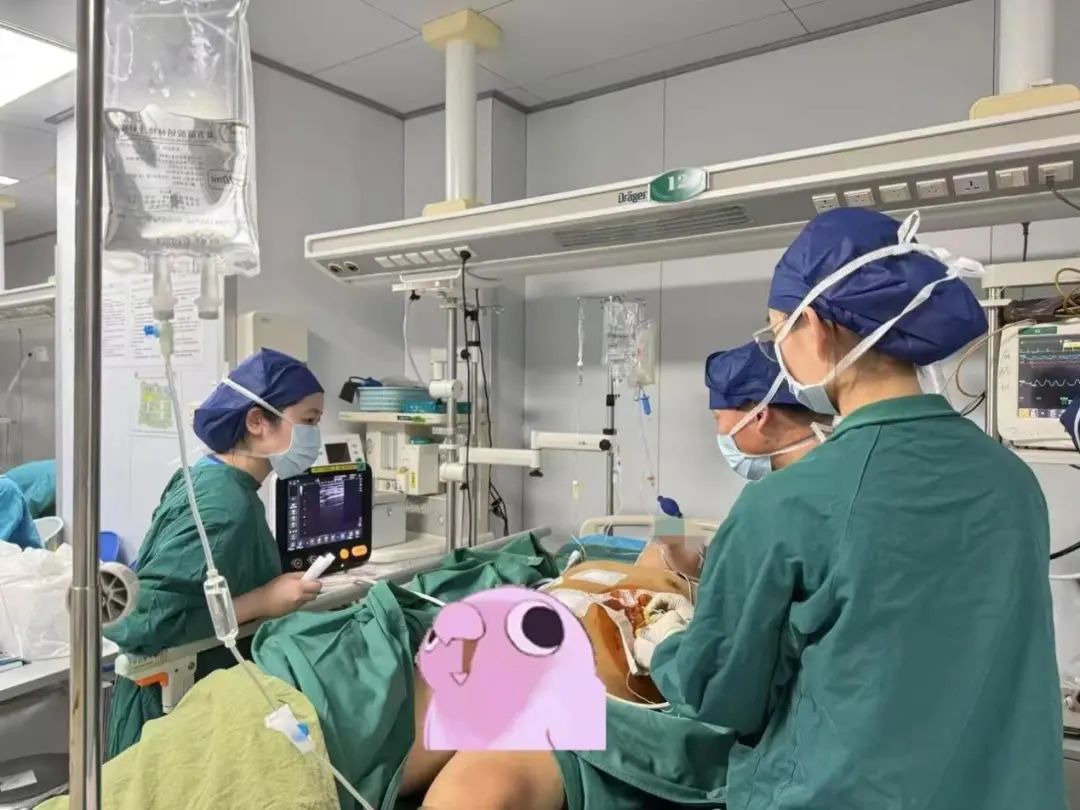
Image source: Renmin Hospital of Wuhan University.
The Race Against Time
Dr. Wei halted surgery, discontinued volatile anesthetics, and called for reinforcements. Dr. Eyou Wang (Associate Professor) and Dr. Zhongyuan Xia rushed to the scene. The patient was already drenched in sweat, with a core temperature of 41°C, a PETCO2 of 180 mmHg, and a heart rate of 160 bpm.
"Aggressive cooling and correcting internal environment disturbances are essential," explained Dr. Xia. The team sprang into action:
Applying ice packs, cooling blankets, and an alcohol rub
Utilizing a specialized low-temperature ice bed
Infusing 4°C sterile saline via central venous and nasogastric tubes
Establishing invasive arterial monitoring to manage acidosis and hyperkalemia
Concurrently, the team activated the "Hubei Malignant Hyperthermia Treatment Alliance" to secure the province's only available stock of dantrolene—the specific antidote that blocks calcium release in muscle cells.
The drug was administered within about 90 minutes of symptom onset. "While slightly beyond the ideal window, it was still effective and prevented severe complications," noted Dr. Xia. Backup plans, including ECMO and CRRT, were prepared but ultimately not required.
A Successful Outcome
After stabilization, the surgery resumed under total intravenous anesthesia with continuous dantrolene infusion. The patient woke successfully post-operation, maintained normal temperature overnight, and was transferred back to the general ward after 36 hours.
This case represents only the second successfully treated MH case in Hubei Province in the past decade. Dr. Xia and colleagues attribute the successful outcome to the hospital's well-practiced MH emergency protocol, the team's rapid diagnosis and coordinated response, and the crucial support from the provincial alliance.
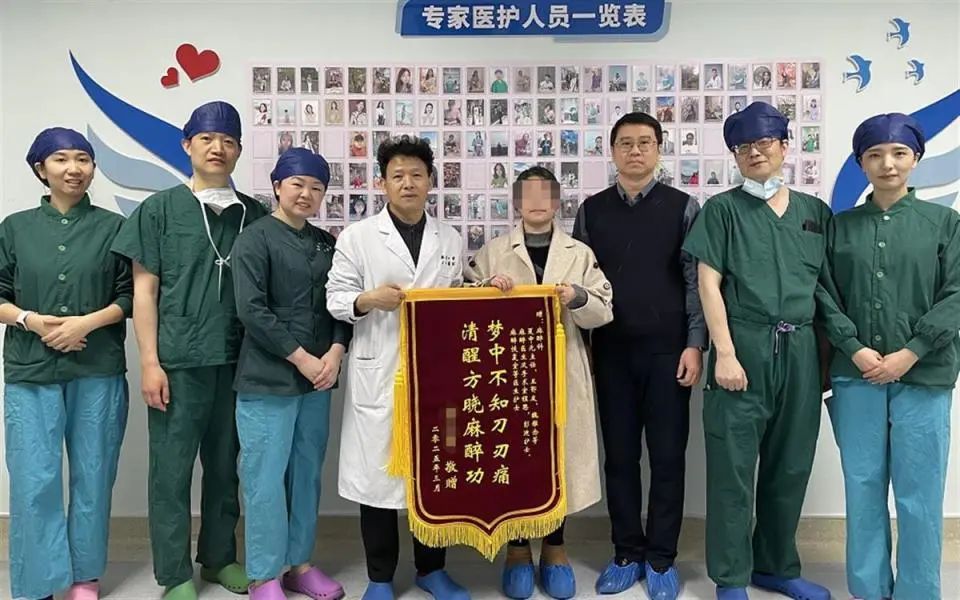
Image source: Renmin Hospital of Wuhan University.

