


A recent review in CA: A Cancer Journal for Clinicians explores how extranodal natural killer/T-cell lymphoma, or ENKTCL, evolved from a malignancy associated with very poor outcomes into one in which a meaningful proportion of patients may now achieve long-term survival. The article traces that progress through disease biology, translational research, and changes in clinical management.
The review, led by an international group of authors including Wei-Li Zhao, MD, PhD, of Ruijin Hospital, Shanghai Jiao Tong University School of Medicine, does not present ENKTCL as a story of a single breakthrough. Instead, it shows how multiple lines of evidence gradually changed how the disease is understood and treated.
Expert Profile

Wei-Li Zhao, MD, PhD
Vice President of Ruijin Hospital, Shanghai Jiao Tong University School of Medicine, and Director of the Shanghai Institute of Hematology.
Her work focuses on the basic and clinical study of lymphomas and other hematologic malignancies, with particular emphasis on the molecular mechanisms, disease subtyping, and treatment optimization of NK/T-cell lymphomas.
She currently serves in national academic leadership roles in hematology in China and has published in journals including CA, NEJM, JAMA, Cancer Cell, Nature Genetics, and Blood.
A Highly Aggressive Lymphoma With Longstanding Therapeutic Gaps
ENKTCL is a distinct subtype of non-Hodgkin lymphoma that arises from natural killer cells or, less commonly, cytotoxic T cells. It is closely associated with Epstein-Barr virus, or EBV, and is characterized by angioinvasion, tissue necrosis, and a cytotoxic immunophenotype. Epidemiologically, the disease is more common in Asia, where incidence is estimated at 0.25-0.28 per 100,000, roughly four times the level reported in Western countries.
For years, ENKTCL was regarded as one of the most difficult lymphomas to treat. A central reason was its poor sensitivity to anthracycline-based chemotherapy. Agents such as doxorubicin had long been a foundation of lymphoma treatment, but they showed limited activity in ENKTCL. According to data cited from the International T-cell Project, patients treated with conventional anthracycline-containing regimens had a 5-year progression-free survival of 26% and a 5-year overall survival of 31%.
Escalating chemotherapy intensity did not appear to solve the problem. Greater treatment intensity may add toxicity without overcoming intrinsic drug resistance, and may further impair immune function. That therapeutic impasse helped shift the field toward a more biologically informed view of the disease.
Fig. 1. Review Article Screenshot
Source: Reference 1
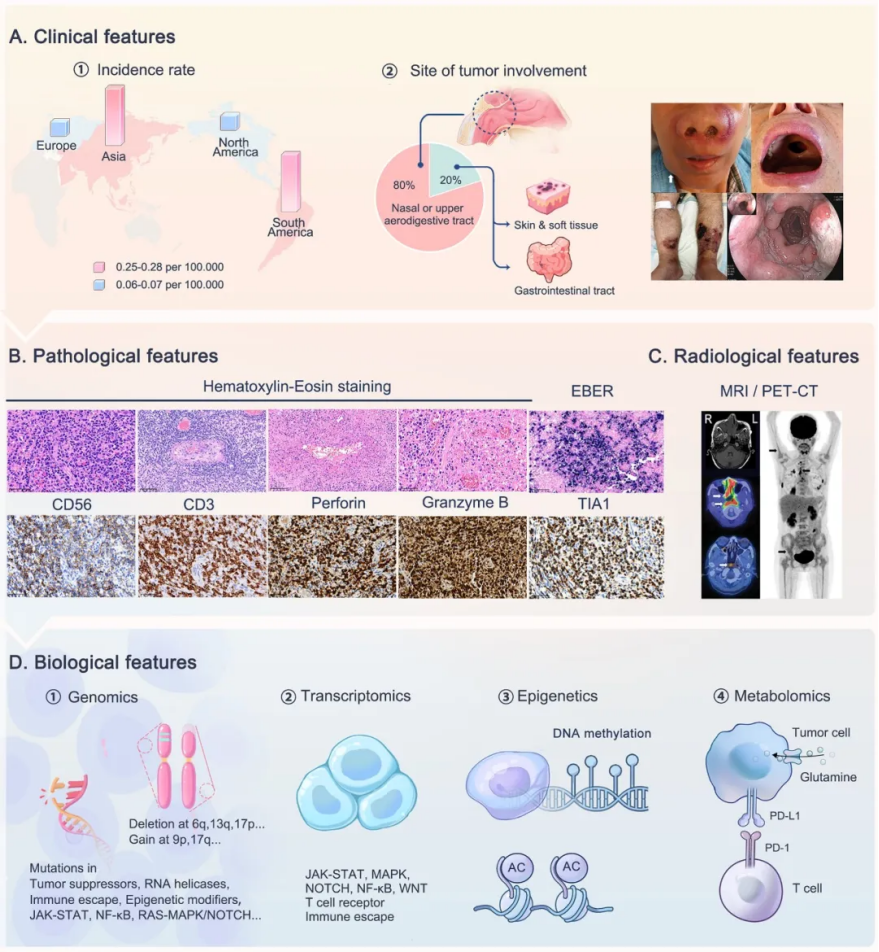
Fig. 2. Clinical, Pathological, Radiological, and Biological Features of ENKTCL
Source: Reference 1
How Mechanistic Research Reshaped the Field
A key step came from genomic studies led by Zhao and colleagues. In 2015, the group performed whole-exome sequencing in ENKTCL, first in 25 tumor samples and then in a multicenter validation cohort of 80 patients. The analysis identified recurrent mutations in DDX3X and TP53, which together accounted for 32.4% of cases in the study.
Those findings helped clarify why ENKTCL behaves differently from many other lymphomas. DDX3X and TP53 are involved in cell proliferation, stress responses, and DNA damage control. Alterations in these pathways may support more aggressive tumor behavior and reduced sensitivity to conventional cytotoxic therapy. TP53-mutant disease was also associated with faster progression and poorer prognosis, suggesting that molecular information may improve risk stratification when combined with established clinical indices.
The group later identified another important feature of ENKTCL biology: a strong dependence on glutamine-related metabolism. Investigators observed that ENKTCL cells proliferate rapidly in vivo but much more slowly in vitro, prompting further work on the tumor’s metabolic requirements. That research helped explain why asparaginase-based therapy became central in this disease. In this context, asparaginase and pegaspargase may do more than deplete asparagine; they may also disrupt glutamine-linked metabolic support that ENKTCL cells rely on for growth.
Additional work suggested that suppressing tumor metabolism may enhance antitumor immune activity. That observation raises the possibility that metabolic therapy and immunotherapy could work in a complementary way, although the extent of that interaction still requires further clinical validation.
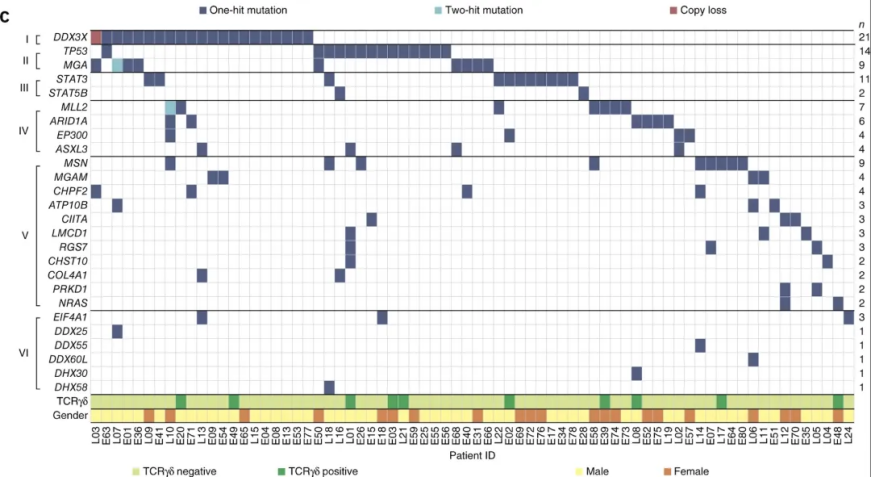
Fig. 3. Whole-Exome Sequencing and Targeted Sequencing in ENKTCL
Source: Reference 3
From Uniform Treatment to Molecularly Informed Care
In 2020, Zhao’s team integrated genomic and transcriptomic data to classify ENKTCL into three molecular subtypes: TSIM, MB, and HEA. These subtypes differ in cell of origin, EBV expression patterns, genomic features, clinical outcomes, and treatment response. Conceptually, this marked an important shift away from viewing ENKTCL as a single biologically uniform disease.
That evolving understanding has been reflected in clinical management. Current treatment strategies have moved away from anthracycline-based chemotherapy and toward regimens built around L-asparaginase or pegaspargase, often combined with radiotherapy and systemic treatment depending on stage and disease distribution.
For patients with early-stage disease, this transition has been associated with substantially improved outcomes. The review cites 5-year progression-free survival and overall survival rates of 64.0% and 73.3%, respectively, for patients with Ann Arbor stage I or II disease treated with contemporary approaches. These data suggest that durable disease control is now achievable in a meaningful subset of patients, even though outcomes may still vary across risk groups and treatment settings.
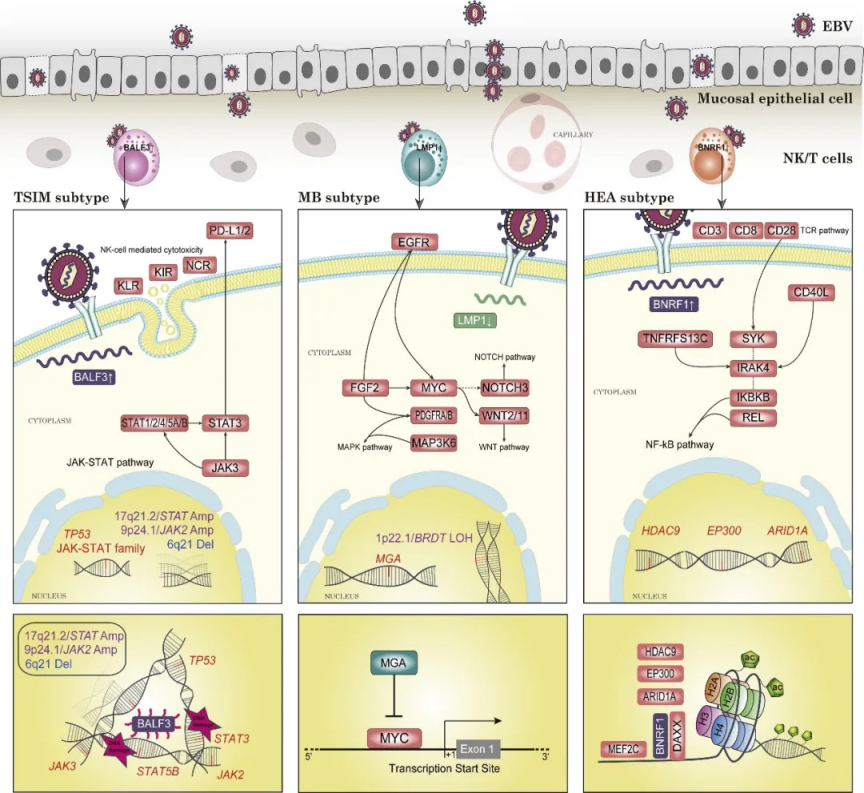
Fig. 4. Pathogenic Mechanisms of ENKTCL Molecular Subtypes
Source: Reference 4
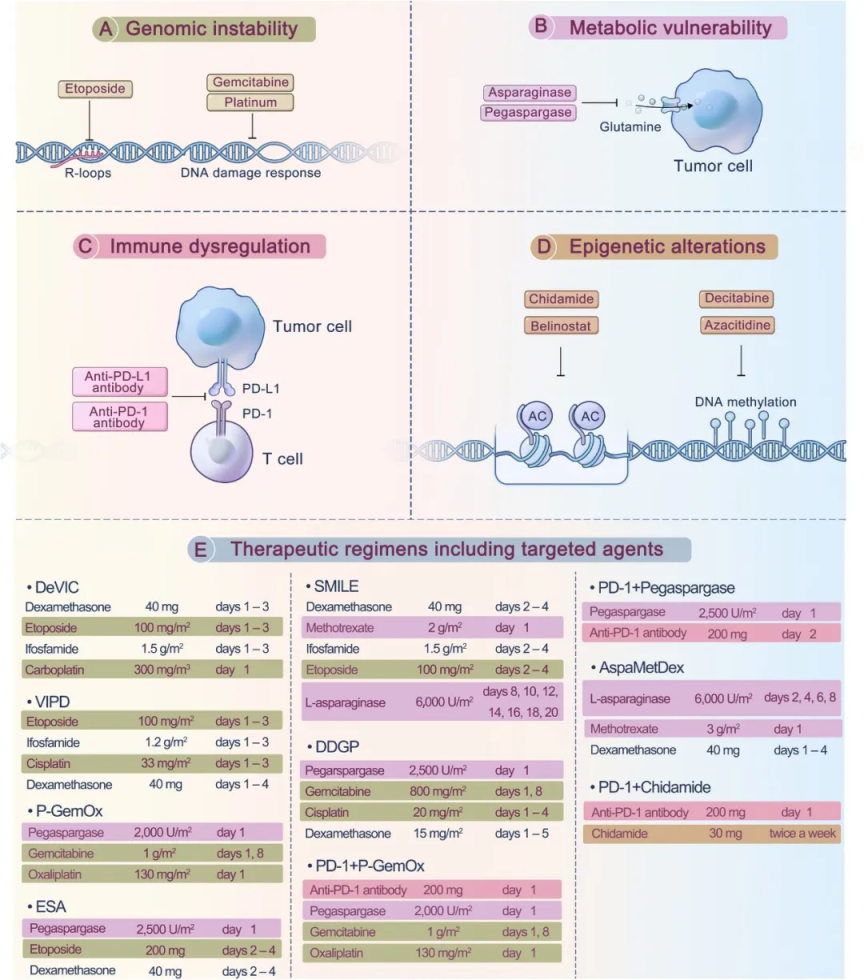
Fig. 5. Molecular Mechanisms of ENKTCL and Corresponding Therapeutic Strategies
Source: Reference 1
Important Unmet Needs Remain
Progress in ENKTCL has not been uniform across all patient groups. For patients with stage III or IV disease, the review reports 5-year progression-free survival of 30.1% and overall survival of 39.8%, indicating that advanced disease remains a major therapeutic challenge.
The same applies to relapsed or refractory ENKTCL, where standard treatment remains inadequately defined and clinical trial participation is still commonly recommended. Outcomes are especially poor in patients who develop hemophagocytic lymphohistiocytosis, or HLH. In that setting, the review cites a median overall survival of less than 6 months and a 2-year overall survival below 15%.
One recurring theme in the review is the continuing role of EBV in disease progression and recurrence. The authors suggest that persistent active EBV infection may contribute to treatment failure or relapse in some patients if the host immune system cannot adequately recognize and clear infected cells. This may help explain why future strategies could include vaccines, immune-based therapies, or cell therapies aimed at improving antiviral and antitumor immunity. For now, however, those directions remain investigational and the clinical benefit remains to be established.
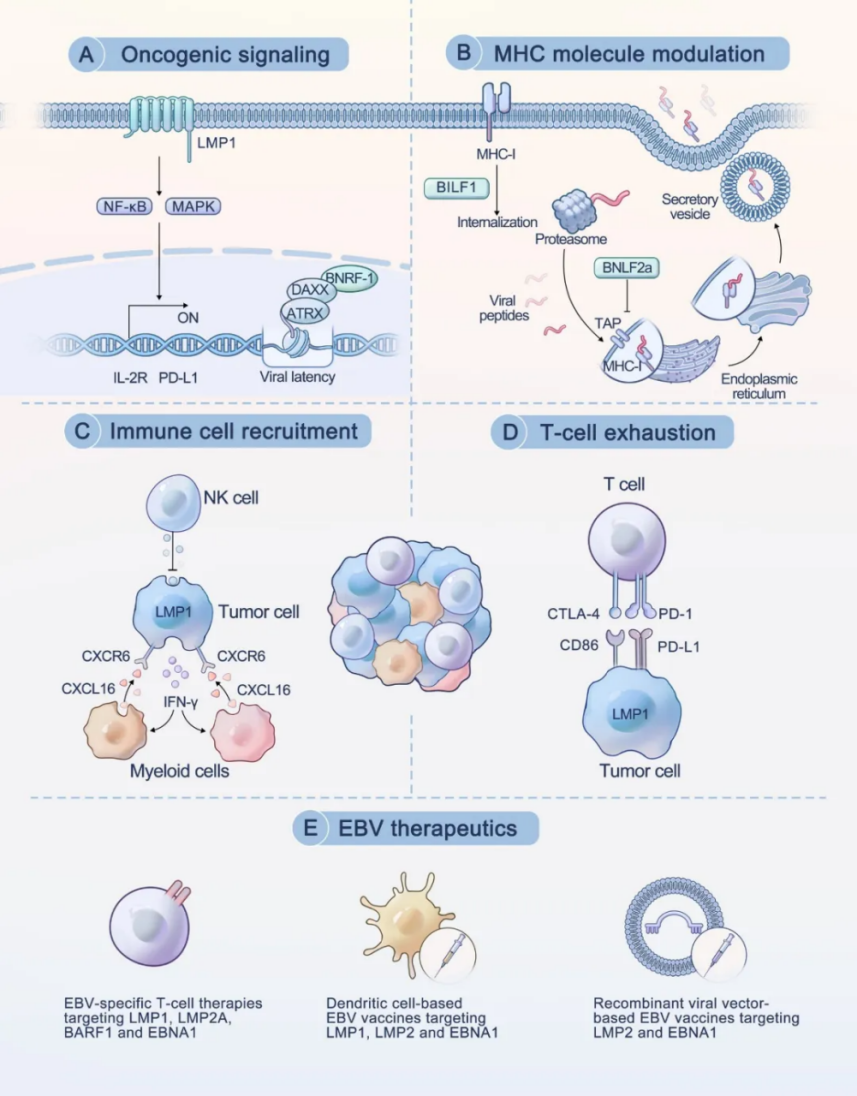
Fig. 6. Oncogenic Mechanisms and Therapeutic Potential of EBV in ENKTCL
Source: Reference 1
References
[1] https://acsjournals.onlinelibrary.wiley.com/doi/10.3322/caac.70094
[2] https://tumourclassification.iarc.who.int/welcome/
[3] Wei-Li Zhao, Zhu Chen & Sai-Juan Chen et al. Exome sequencing identifies somatic mutations of DDX3X in natural killer/T-cell lymphoma. Nature Genetics. July 20, 2015.
[4] https://www.cell.com/cancer-cell/fulltext/S1535-6108(20)30094-5

